Quick answer
Start by clearing the area, then apply a non-acid sanitising cleaner to hard surfaces, scrub, rinse, and finish with a wet floor sign to prevent slips.
Why a non-acid sanitising cleaner works best
Acid-based cleaners can damage chrome, porcelain, and plastic over time. A non-acid formula like Freshclean Daily Washroom Sanitising Cleaner is phosphate-free and biodegradable, making it safe for daily use on taps, ceramics, and shower surfaces while still disinfecting and deodorising.
This type of cleaner also leaves a fresh fragrance, which helps maintain a pleasant environment between deep cleans.
When to use a dedicated washroom cleaner instead
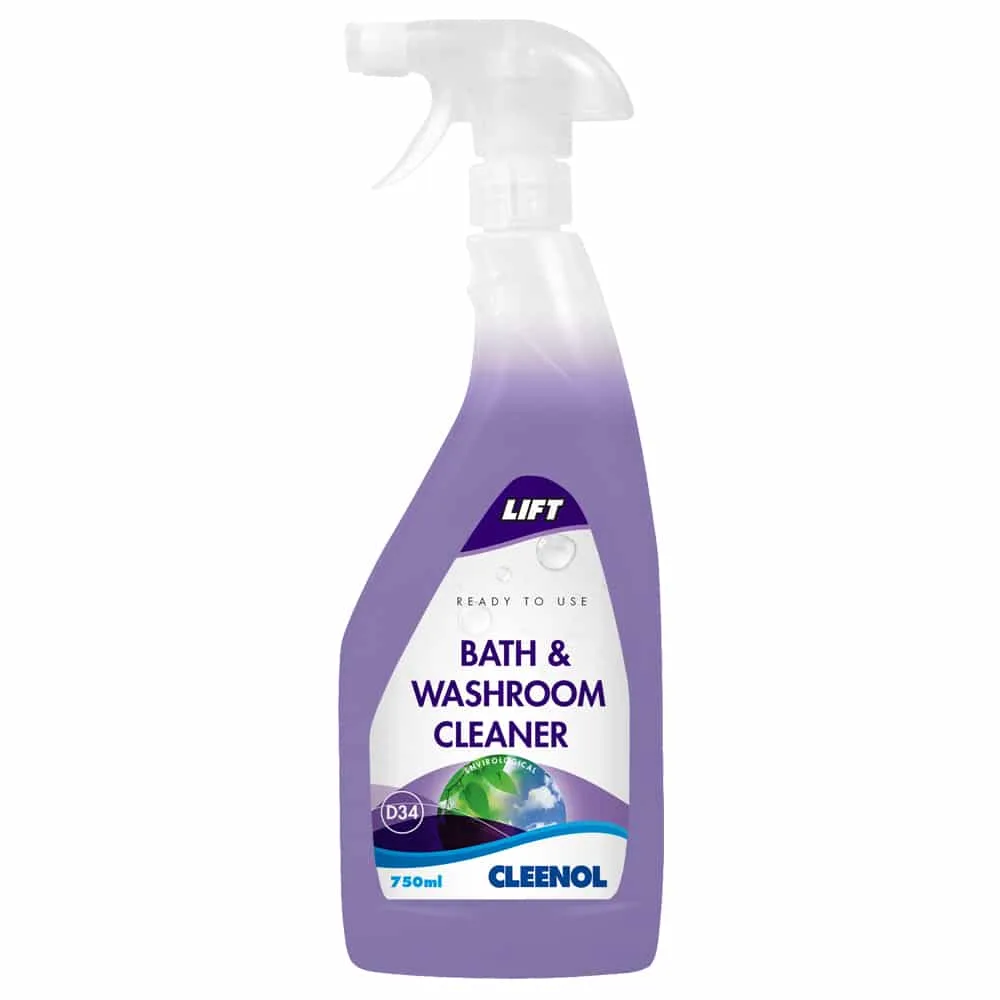
If you need to remove limescale or hard water deposits from taps and showerheads, a dedicated descaling cleaner is more effective. The Envirological Washroom Cleaner is designed for cleaning and descaling non-ferrous metals, making it a better choice for tackling mineral buildup without scrubbing.
Step-by-step washroom cleaning routine
- Clear and pre-rinse the area: Remove all loose items (soap dispensers, bins, mats) from the washroom. Rinse hard surfaces with warm water to loosen dirt and debris. Common mistake: skipping the pre-rinse can leave dirt that reduces the cleaner's effectiveness.
- Apply sanitising cleaner to surfaces: Spray or wipe the Freshclean Daily Sanitising Cleaner onto all hard surfaces: sinks, countertops, toilet exteriors, and tiles. Let it sit for the contact time specified on the label (usually 30–60 seconds) to ensure disinfection. Checkpoint: do not wipe off immediately; the dwell time is essential for killing germs.
- Scrub and rinse thoroughly: Use a non-abrasive sponge or cloth to scrub any stained or heavily soiled areas. Rinse all surfaces with clean water to remove residue, then dry with a clean cloth or squeegee to prevent water spots. Common mistake: leaving cleaner residue can attract dirt and cause slippery floors.
- Place a wet floor sign and allow to air dry: Set up a Wet Floor Sign at the entrance to warn others of potential slip hazards. Leave the floor to air dry fully before allowing foot traffic. Checkpoint: always use a sign even if the floor looks dry – residual moisture can still cause slips.
- Restock and inspect: Replace any items you removed earlier. Check soap dispensers, paper towel holders, and toilet paper supplies. Wipe down the exterior of dispensers with a clean cloth. Common mistake: forgetting to restock leads to frustrated users and more frequent cleaning calls.
Products that help
-
Freshclean Daily Washroom Sanitising Cleaner 6x1Ltrs: Freshclean Daily Sanitising Cleaner is a phosphate free and biodegradable, non-acid general purpose cleaner that disinfects and deodourises hard surfaces. It safely sanitises a wide range of washroom surfaces without causing long-term damage, and the fresh fragrance keeps the space smelling clean.
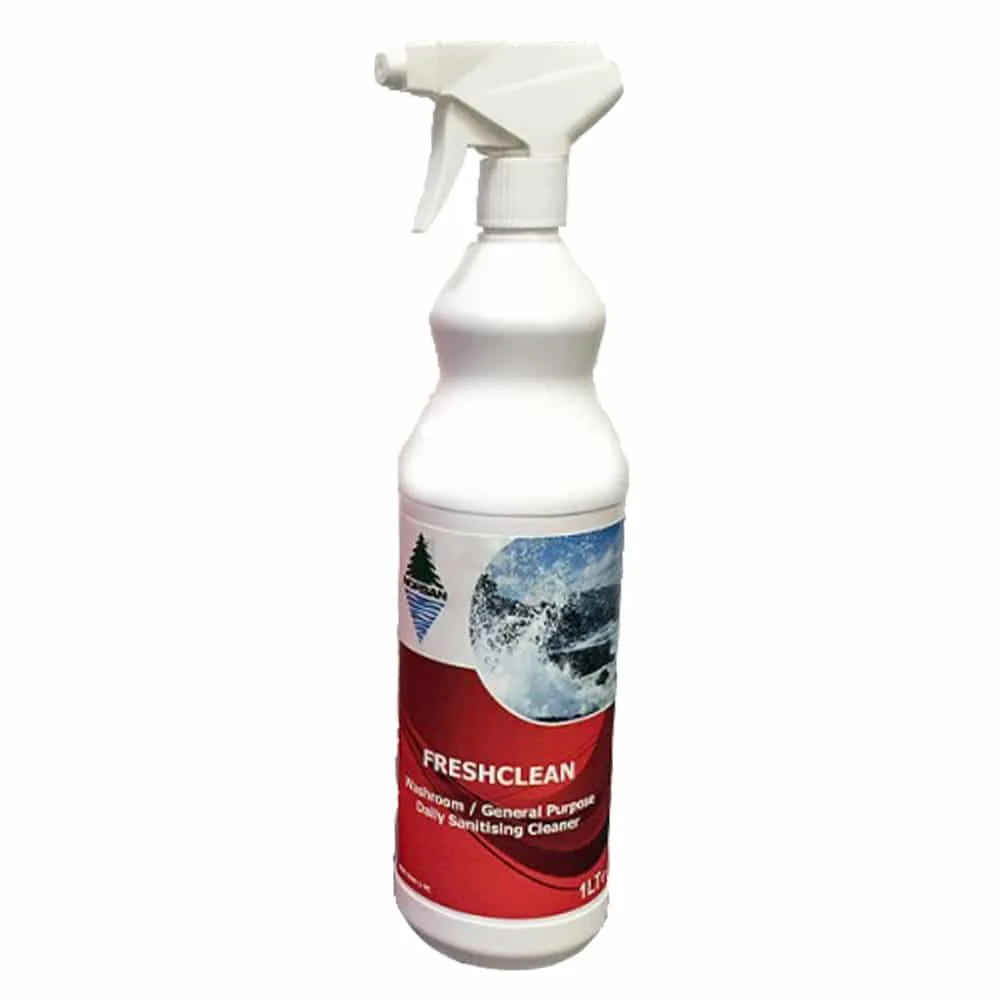
Freshclean Daily Washroom Sanitising Cleaner 6x1Ltrs
-
Wet Floor Sign: Wet Floor Sign is an eye-catching bright yellow rigid plastic sign with vivid red/black graphics on either side, folding flat for storage. Placing a visible wet floor sign after cleaning prevents slip-and-fall accidents, a critical safety step in any washroom cleaning routine.
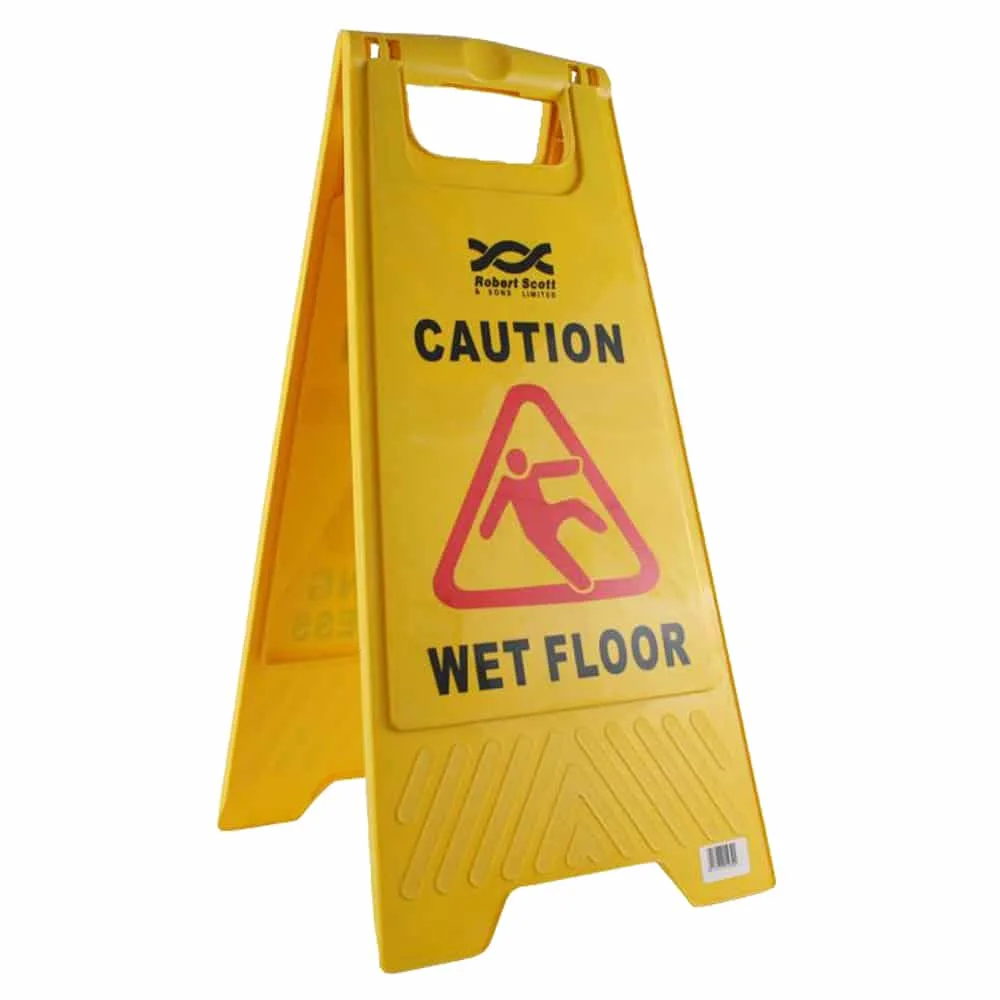
Wet Floor Sign
-
Envirological Washroom Cleaner 6x750Ml: Envirological Washroom Cleaner is ideal for cleaning and descaling taps, baths, showers, ceramics, plastic and porcelain surfaces and is suitable for all non-ferrous metals. Use this cleaner when you need to remove limescale without switching to a harsh acid product, protecting metal fixtures while still getting a deep clean.