If you or a family member suffers from allergies, your carpets and upholstery might be hiding more than just dirt. Dust mites, pet dander, pollen, and mold spores can settle deep into carpet fibers and fabric cushions, triggering sneezing, itchy eyes, and respiratory discomfort. The good news is that with the right cleaning routine and tools, you can significantly reduce allergens and breathe easier at home.
In this guide, we’ll walk you through practical steps to remove allergens from carpet and upholstery, from daily vacuuming techniques to deep cleaning with specialized formulas. We’ll also highlight the best equipment for allergy sufferers, including powerful vacuums and carpet cleaners designed to trap microscopic particles. Whether you’re dealing with seasonal allergies or year-round sensitivities, these tips will help you create a healthier indoor environment.
Understanding Common Carpet and Upholstery Allergens
Carpets act like a giant filter, trapping airborne particles that enter your home. The most common allergens found in carpets include dust mites (and their waste), pet dander, pollen, mold spores, and cockroach debris. Upholstered furniture can harbor the same irritants, especially in crevices and under cushions where vacuuming often misses.
These allergens are not just surface-level; they can become deeply embedded in the pile of the carpet or woven into fabric. Regular vacuuming removes some, but without proper technique and equipment, many particles remain. Understanding what you’re dealing with is the first step to choosing the right cleaning method and products.
- Dust mites thrive in warm, humid environments and feed on dead skin cells.
- Pet dander is lightweight and can stay airborne for hours before settling into fibers.
- Pollen can be tracked indoors on shoes and clothing, accumulating in high-traffic areas.
Daily Vacuuming: Your First Line of Defense Against Allergens
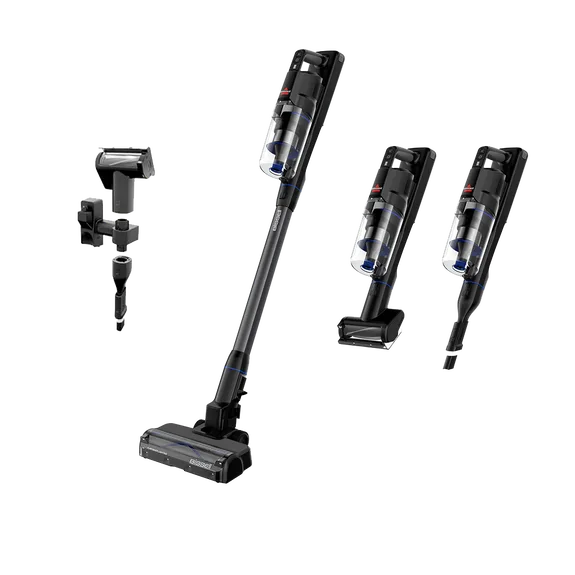
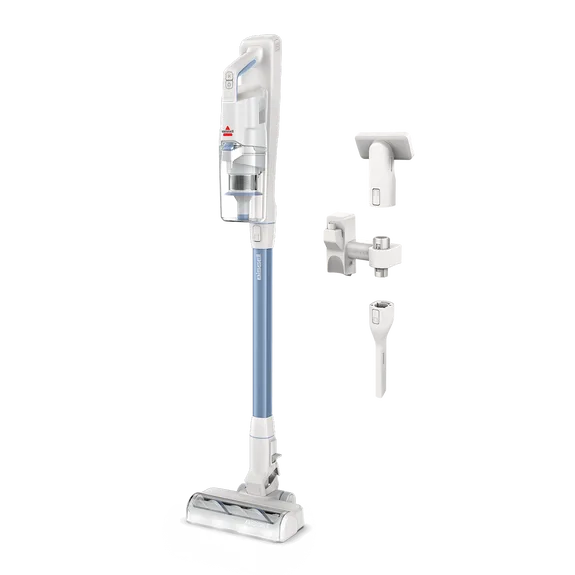
Vacuuming frequently is the most effective way to reduce allergens in carpets and upholstery. However, not all vacuums are created equal for allergy sufferers. Look for models with HEPA filtration, which traps 99.97% of particles as small as 0.3 microns, preventing them from being released back into the air. A cordless stick vacuum like the PowerClean Cordless Stick Vacuum offers the convenience of quick daily cleanups, especially on hard floors and low-pile carpets, while its sealed system helps contain allergens.
For homes with pets, the PowerClean FurGuard Cordless Stick Vacuum is an excellent choice. Its specialized brush roll resists hair tangles and reduces the spread of dander. When vacuuming upholstery, use a crevice tool or upholstery brush to reach into corners and along seams. Aim to vacuum high-traffic areas daily and entire carpets at least twice a week. Empty the dustbin outdoors or into a sealed bag to avoid redistributing allergens.
- Vacuum slowly: Rushing lets allergens remain embedded. Make multiple passes over high-traffic areas.
- Use attachments: A crevice tool and dusting brush are essential for sofas, chairs, and baseboards.
- Replace filters regularly: A clogged filter reduces suction and allows allergens to escape.
Deep Cleaning Carpets to Remove Embedded Allergens
While vacuuming handles surface debris, deep cleaning is necessary to extract allergens that have settled deep into carpet fibers. An upright carpet cleaner like the TurboClean Upright Carpet Cleaner is designed to flush out dirt, dust mites, and pet dander using water and cleaning solution. Its powerful suction pulls out the dirty water, leaving carpets fresher and less hospitable to allergens.
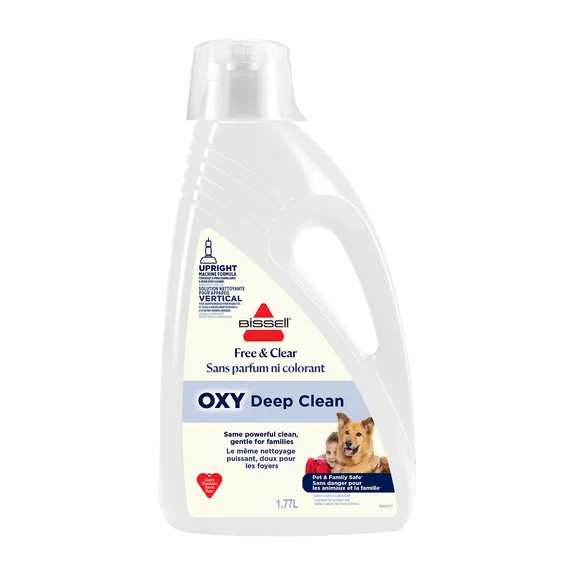
For allergy sufferers, choosing the right cleaning formula is critical. The OXY Deep Clean Free & Clear Upright Carpet Formula (60 oz.) is a hypoallergenic option that uses oxygen-based cleaning power without fragrances or dyes. This makes it ideal for households sensitive to chemical scents. To deep clean, pre-treat stains, fill the machine with hot water and solution, and make slow overlapping passes. Allow carpets to dry completely (usually 4–6 hours) to prevent mold growth. Open windows or use fans to speed up drying.
- Deep clean carpets every 3–6 months, or more often if you have pets or heavy allergies.
- Always test cleaning solutions on a hidden area first to ensure colorfastness.
- Consider using a steam cleaner for upholstery to kill dust mites without chemicals.
Upholstery Allergen Removal: Sofas, Chairs, and Curtains
Upholstered furniture can be a haven for allergens, especially if you allow pets on the couch. To clean upholstery effectively, start by vacuuming all surfaces with a brush attachment. Pay special attention to the backrest, armrests, and under cushions. For removable cushion covers, check the care label and wash them in hot water (at least 130°F) to kill dust mites.
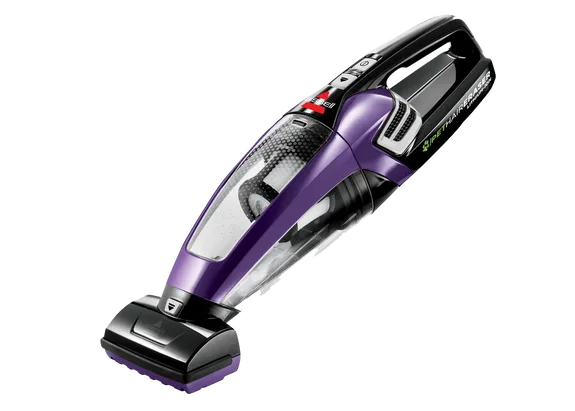
For non-washable fabrics, a handheld vacuum like the Pet Hair Eraser Lithium Ion Cordless Pet Hand Vacuum is perfect for quick pickups of pet hair and dander between deep cleans. Its motorized brush and crevice tool reach into tight spaces. For a more thorough clean, use a fabric-safe upholstery cleaner or a steam cleaner. Avoid over-wetting, as moisture can encourage mold. Always allow upholstery to dry completely before using the furniture again.
- Wash throw blankets and pillow covers weekly in hot water.
- Use allergen-proof covers on mattresses and pillows to reduce dust mite exposure.
- Keep pets off furniture if possible, or use washable throws to protect surfaces.
Maintaining a Low-Allergen Home: Additional Tips
Beyond cleaning carpets and upholstery, there are other steps you can take to minimize allergens in your home. Use a dehumidifier to keep indoor humidity below 50%, which inhibits dust mite and mold growth. Wash bedding weekly in hot water, and consider replacing heavy drapes with washable blinds or curtains.
When cleaning, wear a mask to avoid inhaling stirred-up particles. Also, consider using an all-in-one cleaner like the CrossWave Edge Cordless All-in-One Multi-Surface Cleaner for hard floors, which vacuums and washes simultaneously, trapping allergens in the dirty water tank. This prevents them from becoming airborne during cleaning. By combining regular vacuuming, deep cleaning, and smart home habits, you can create a sanctuary that supports better breathing and overall health.
- Place doormats at every entrance to reduce tracked-in pollen and dirt.
- Change HVAC filters monthly during allergy season.
- Keep windows closed on high-pollen days and use air purifiers with HEPA filters.
Taking control of allergens in your carpets and upholstery doesn’t have to be overwhelming. With a consistent routine that includes HEPA-filtered vacuuming, periodic deep cleaning, and the right hypoallergenic products, you can significantly reduce the irritants that trigger allergy symptoms. Start by upgrading your cleaning tools and formulas, and you’ll notice the difference in your indoor air quality and your comfort. For a powerful deep clean that’s gentle on sensitive households, explore the OXY Deep Clean Free & Clear Upright Carpet Formula (60 oz.) to give your carpets a fresh, allergen-free refresh today.