Why a Short Bud Vase Needs a Gentle Routine
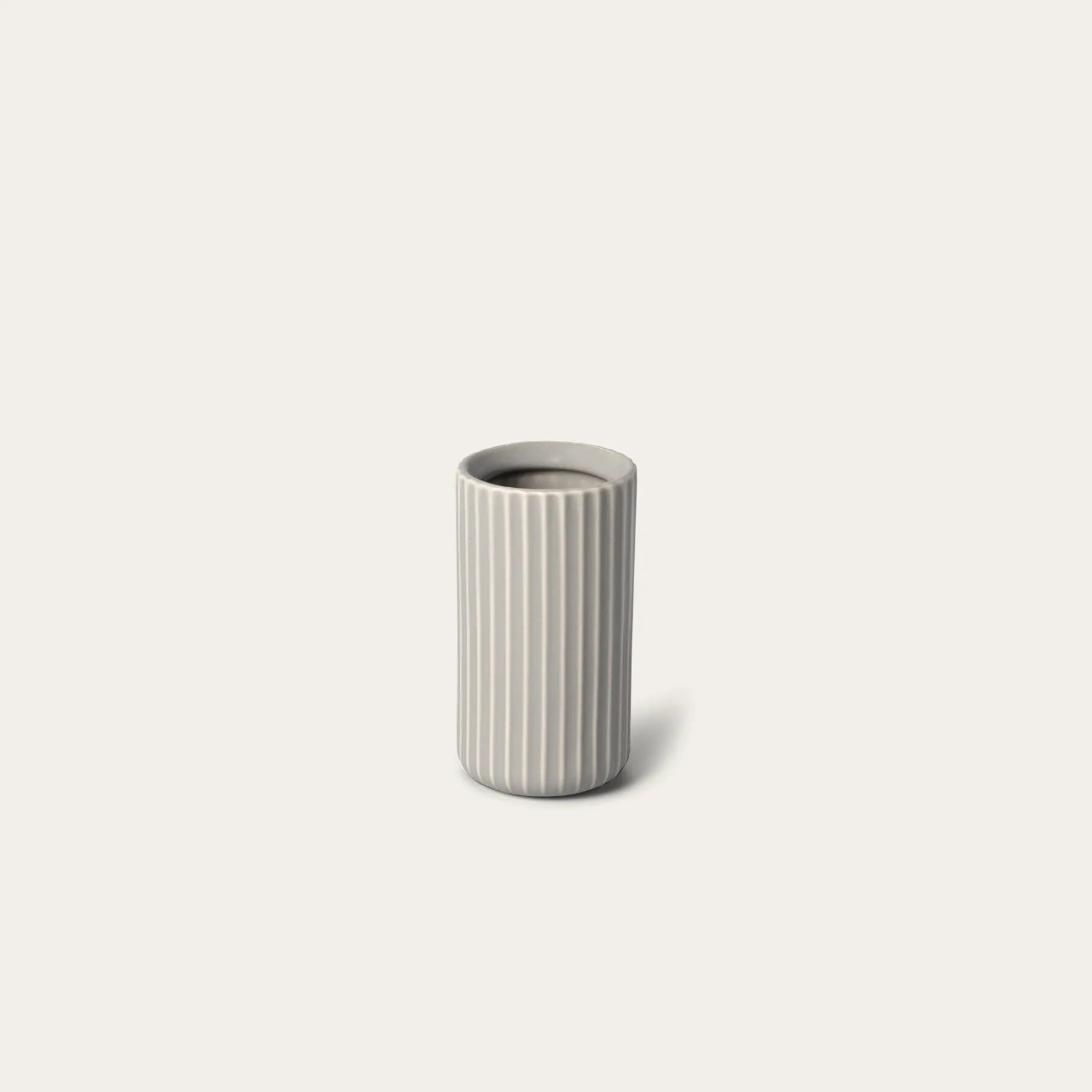
A short bud vase is a small, hand-finished piece of stoneware. Its petite size and subtle interior rim help hold single stems or small bouquets upright, but the same design means water sits close to the rim and can leave mineral deposits or stain the glaze over time. Because each vase is organically shaped and one of a kind, your cleaning routine should protect that unique finish rather than risk scratching or dulling it.
What the Vase Is Made Of and Why It Matters
The short bud vase is crafted from stoneware and hand-finished in Portugal. During firing, natural flecks in the clay may rise to the surface and show through lighter glazes. This is not a defect—it is part of the handmade character. The glaze is durable but can be affected by abrasive scrubbing or harsh chemicals. The catalog does not specify whether the vase is dishwasher-safe, so hand-washing is the recommended approach to preserve the finish.
Key Facts About the Short Bud Vase
-
Short Bud Vase: Each vase is organically shaped and one of a kind, hand-finished in Portugal. No two vases are identical, so a gentle, consistent cleaning routine helps maintain the individual character and glaze quality.
Short Bud Vase
-
Short Bud Vase: Stoneware contains natural flecks that come to the surface during firing and may show through lighter glazes. These flecks are part of the design; avoid abrasive cleaners that could scratch the surface or dislodge the flecks.
Daily and Weekly Cleaning Tips
A short bud vase benefits from small habits that prevent buildup. Here are practical steps based on what the catalog confirms about the material.
- Rinse after each use: Empty the vase and rinse with warm water as soon as you remove the flowers. This prevents mineral deposits from forming inside the narrow neck and around the subtle rim.
- Hand-wash with mild soap: Use a soft sponge and a gentle dish soap. The catalog does not confirm dishwasher safety, so hand-washing is the safest choice to avoid thermal shock or glaze damage.
- Remove water stains without abrasives: For white or light mineral marks, soak the vase with a solution of white vinegar and warm water (the catalog does not specify exact ratios, so a 1:3 mix is a common gentle approach). Rinse thoroughly afterward. Avoid steel wool or scouring pads.
- Dry upside down on a towel: After washing, place the vase upside down on a clean towel to air dry. This prevents water spots from forming inside and reduces the chance of moisture lingering in the rim area.
What the Catalog Does Not Confirm
The supplied information does not include specific washing instructions, drying guidelines, or a recommendation for soaking duration. The absence of these details means you should rely on general stoneware care: avoid extreme temperature changes (e.g., pouring boiling water into a cold vase) and never use bleach or abrasive powders. If you notice stubborn stains, the safest approach is to repeat a gentle soak rather than scrub harder.