Quick answer
To care for a watercolor pad, store it flat in a dry, dust-free place, handle sheets by the edges, and avoid stacking heavy objects on top. Clean the pad cover with a dry or slightly damp cloth, and never soak the paper before you are ready to paint. These habits prevent warping, surface damage, and wasted sheets.
Why watercolor pads need different care than blocks
A watercolor pad is a stack of loose sheets bound along one edge, while a block is glued on all four sides to keep paper flat during painting. That difference matters: pads are more portable and let you remove sheets easily, but they also expose more paper edges to air, dust, and bending. If you want to keep watercolor pads flat, you need to support the whole stack and avoid letting the corners curl. For wet-in-wet techniques, a block may be the better choice; for sketching, swatching, or travel, a pad is often more practical. Knowing which you have helps you avoid the common mistake of treating a pad like a block and wondering why sheets buckle.
Daily habits that prevent watercolor paper damage
Most damage happens before the brush touches the paper. Oils from your fingers can create resist marks that repel paint, so handle sheets by the edges or wear clean cotton gloves. Keep drinks and messy mediums away from your work area, and close the pad when you pause so dust and pet hair do not settle on the surface. If you use a hair dryer to speed drying, hold it at least 12 inches away and keep it moving; direct high heat can warp or scorch the paper. These small routines add up to fewer ruined sheets.
Step-by-step watercolor pad care routine
- Store flat, not upright: Keep the pad horizontal on a shelf or in a drawer. Standing it on its side can cause the binding to loosen and the sheets to bend. Checkpoint: the pad should lie flat with no weight on top.
- Clean the cover with a dry cloth: Wipe the cover and edges with a dry microfiber cloth. If needed, use a barely damp cloth, then let it air-dry completely before opening. Mistake to avoid: never use cleaning sprays or wet wipes, which can seep into the paper edges.
- Handle sheets by the edges: Lift sheets gently from the bound edge, not the middle. Oils and dirt from your fingers can damage the sizing and cause paint to bead. Checkpoint: if you see shiny fingerprints, that area may resist paint.
- Keep the pad closed when not painting: Dust, pet hair, and airborne oils settle on exposed paper. Close the cover or store the pad in a clean plastic sleeve. This is the simplest way to prevent watercolor paper damage between sessions.
- Avoid stacking heavy items on the pad: Weight can compress the paper and leave dents, especially on the top sheet. Store the pad alone or with only light items on top. If you must stack, place a rigid board between the pad and anything heavier.
- Let painted sheets dry fully before closing: Closing a pad with damp paper can cause mold, sticking, and warping. Wait until the sheet is completely dry to the touch. Checkpoint: if the paper feels cool or clammy, it is not dry yet.
Product facts that support better care
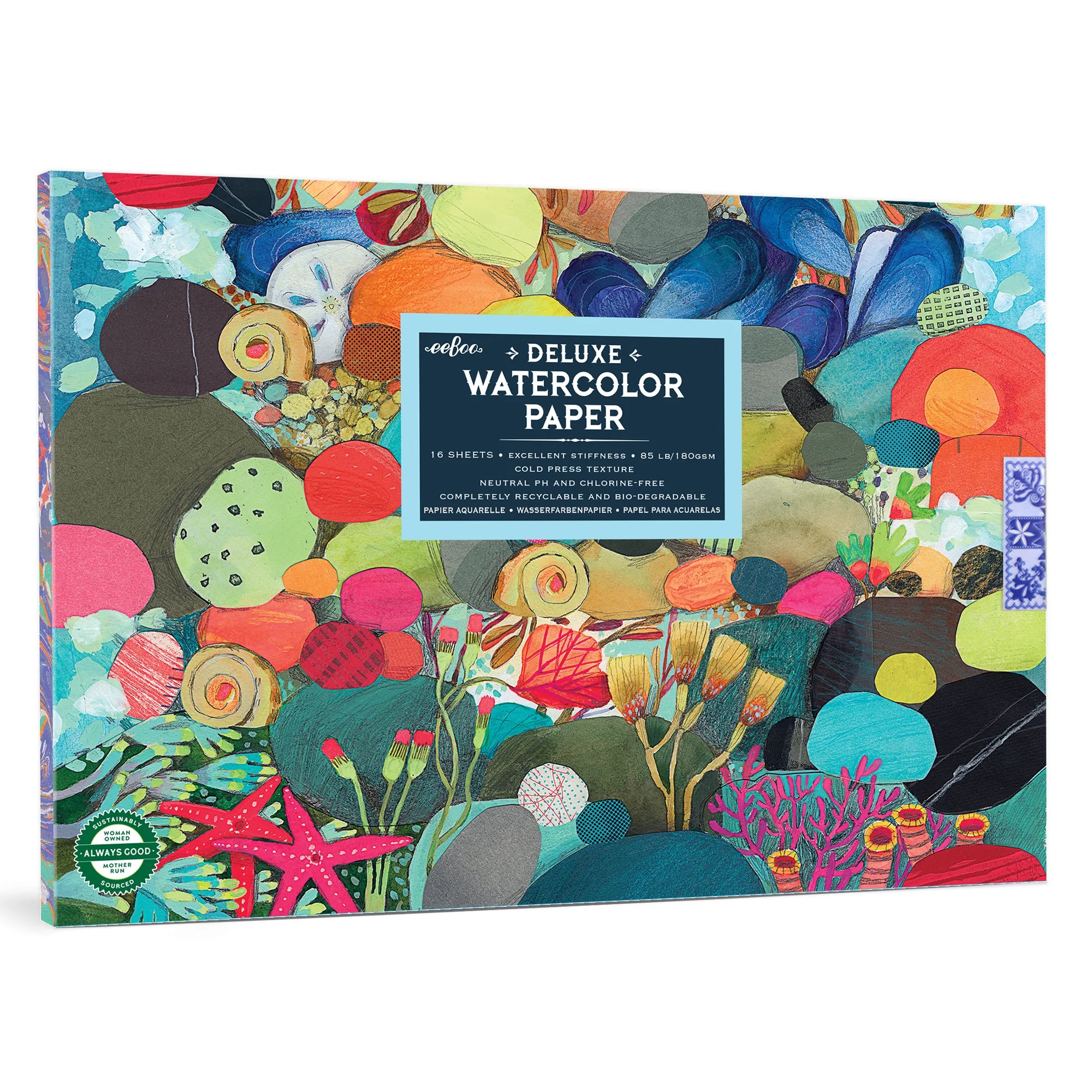
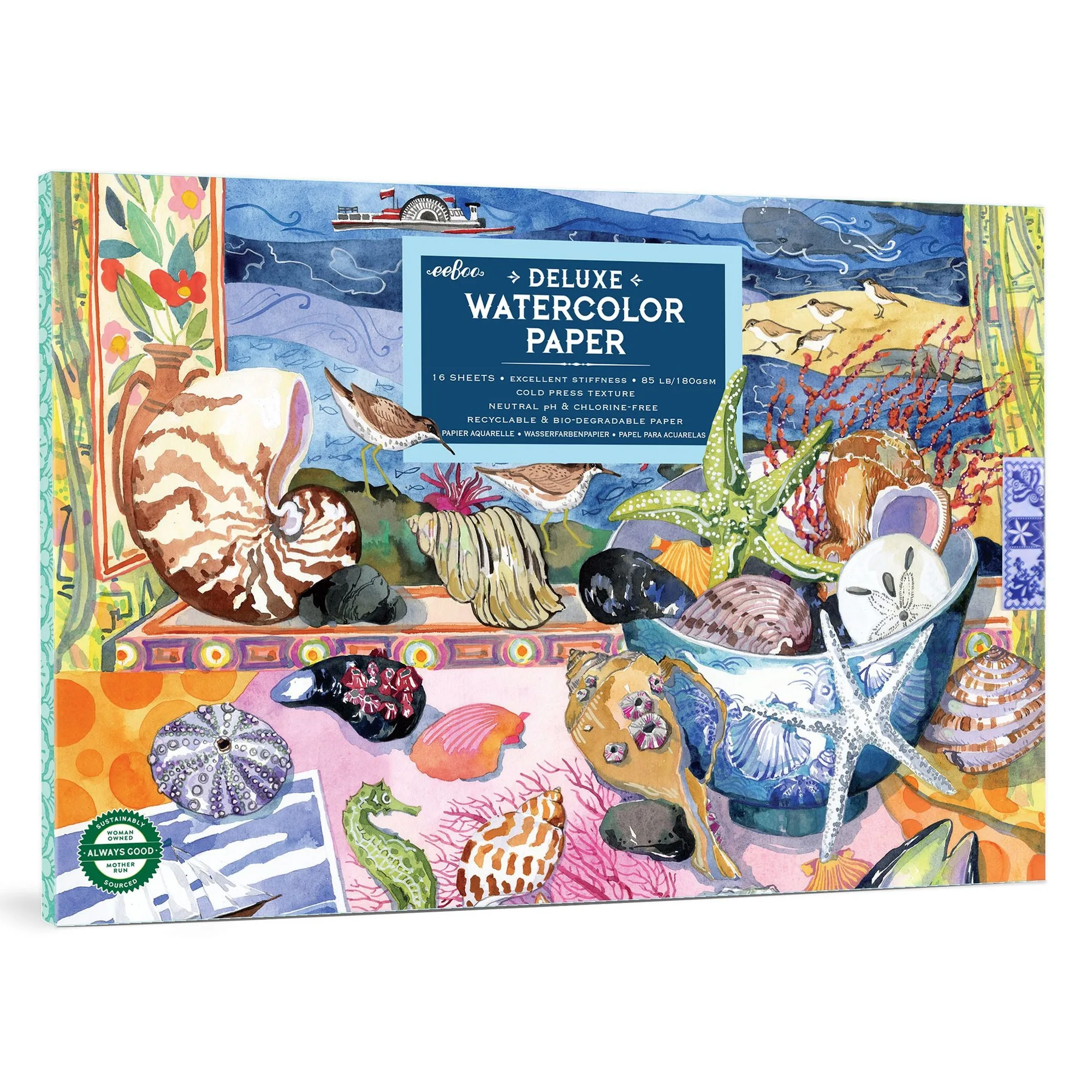
- Tidepool Watercolor Pad: Tidepool Watercolor Paper Pad contains 16 sheets of 200 GSM/85 LB watercolor paper, natural pH and chlorine free, bound in a 9.5 x 6.5 inch book. The pad format and paper weight affect how you store and handle it. Because it is a bound pad, keep it flat and closed when not in use to protect the sheets.