Quick Answer
Clean baby teething toys daily with warm soapy water and sanitize them weekly with a gentle bleach solution or in the dishwasher if the label allows. Always air dry completely to prevent mold.
Why Cleaning Matters More Than You Think
Babies explore the world by putting things in their mouths, so teething toys can quickly become a magnet for germs. Regular cleaning helps prevent the spread of bacteria and keeps your baby healthy.
Different materials require different care. For example, wooden toys should never be soaked, while silicone and plastic toys can handle more vigorous washing. Always check the manufacturer's instructions first.
Daily vs. Weekly Cleaning: What's the Difference?
Daily cleaning removes surface dirt and saliva, while weekly sanitizing kills lingering germs. For everyday use, a quick wash with warm water and mild dish soap is usually enough.
Once a week, or after your baby has been sick, step up to a deeper clean. This could mean a diluted bleach solution, boiling, or a dishwasher cycle—just verify the toy is dishwasher-safe first.
Step-by-Step Cleaning Guide
- Check the Label: Before cleaning, read the manufacturer's instructions on the toy or packaging. Some toys are dishwasher-safe, while others must be hand-washed only. Look for cleaning symbols or phrases like 'surface wash only' to avoid damage.
- Rinse and Wash Daily: Rinse the toy under warm running water to remove loose dirt. Then, wash with a mild dish soap and a soft cloth or sponge, paying attention to crevices where grime can hide. Use a bottle brush to clean small holes or textured areas that are hard to reach.
- Sanitize Weekly: Mix 1 tablespoon of unscented bleach with 1 gallon of water and soak the toy for 2 minutes. Rinse thoroughly with clean water. Alternatively, use a dishwasher on the top rack if the toy is dishwasher-safe. Never boil or microwave toys unless the label explicitly says it's safe—this can melt or warp the material.
- Air Dry Completely: Place the toys on a clean towel or drying rack and let them air dry completely. This prevents moisture from getting trapped inside, which can lead to mold. If you're in a hurry, pat dry with a lint-free cloth, but still allow time for internal parts to dry.
- Inspect for Wear and Tear: Regularly check the toy for cracks, loose parts, or damaged surfaces. If you find any, it's time to replace the toy to prevent choking hazards or bacterial buildup. Make it a habit to inspect toys during each cleaning session.
Cleaning-Friendly Teething Toys
-
Rain-Glow Squeeze: The Rain-Glow Squeeze features soft raindrops that double as a teether, with 6 multi-textured beads inside. The soft, textured parts are easy to wipe down, but the beads inside mean you should avoid submerging it in water to keep the light-up feature working.
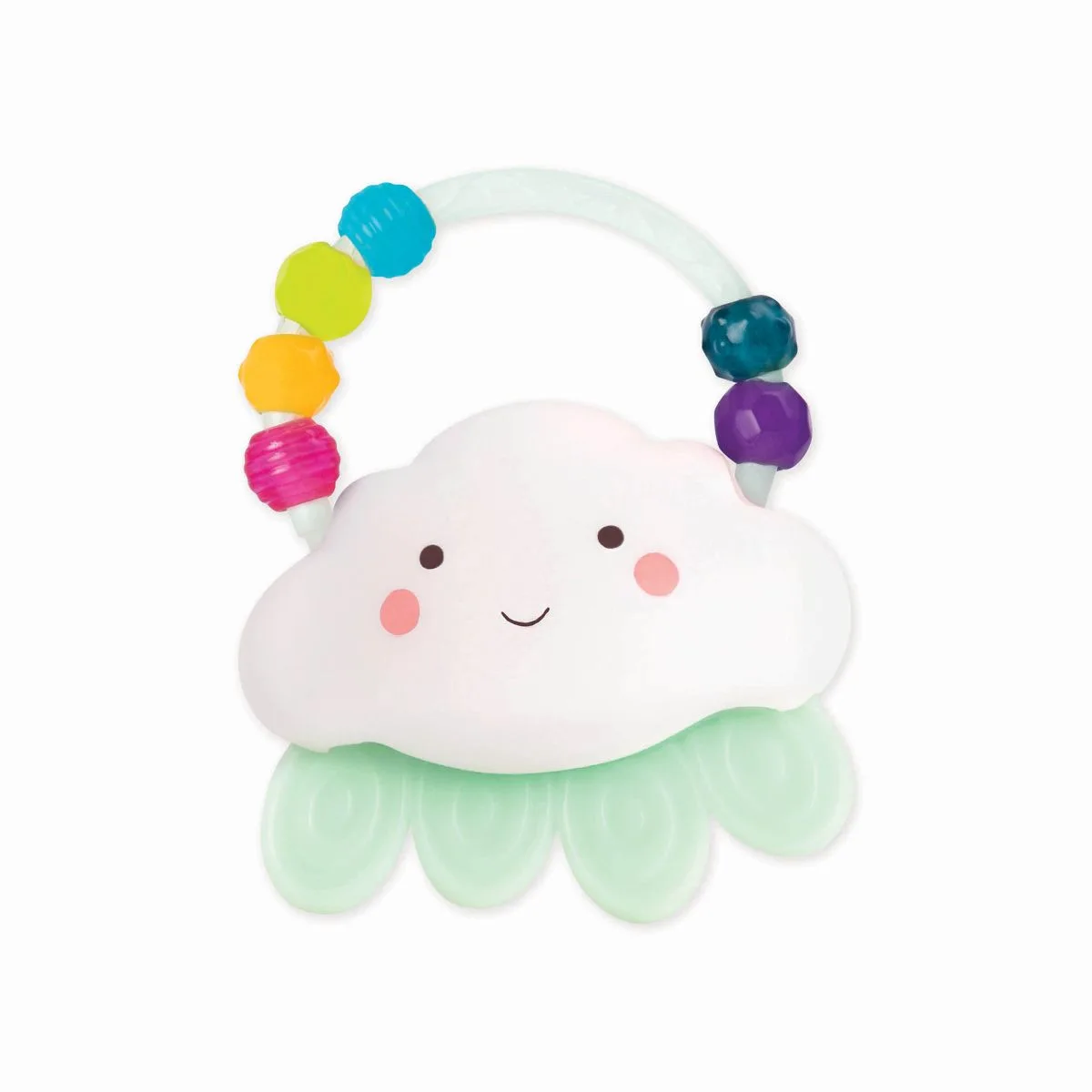
Rain-Glow Squeeze
-
Sounds So Squeezy: Sounds So Squeezy includes 4 different balls: bumpy, clear with beads, crinkly fabric, and a soft ball with a bell. Because each ball has a different material and sound mechanism, check the label for specific cleaning instructions—especially for the fabric and bell ball.
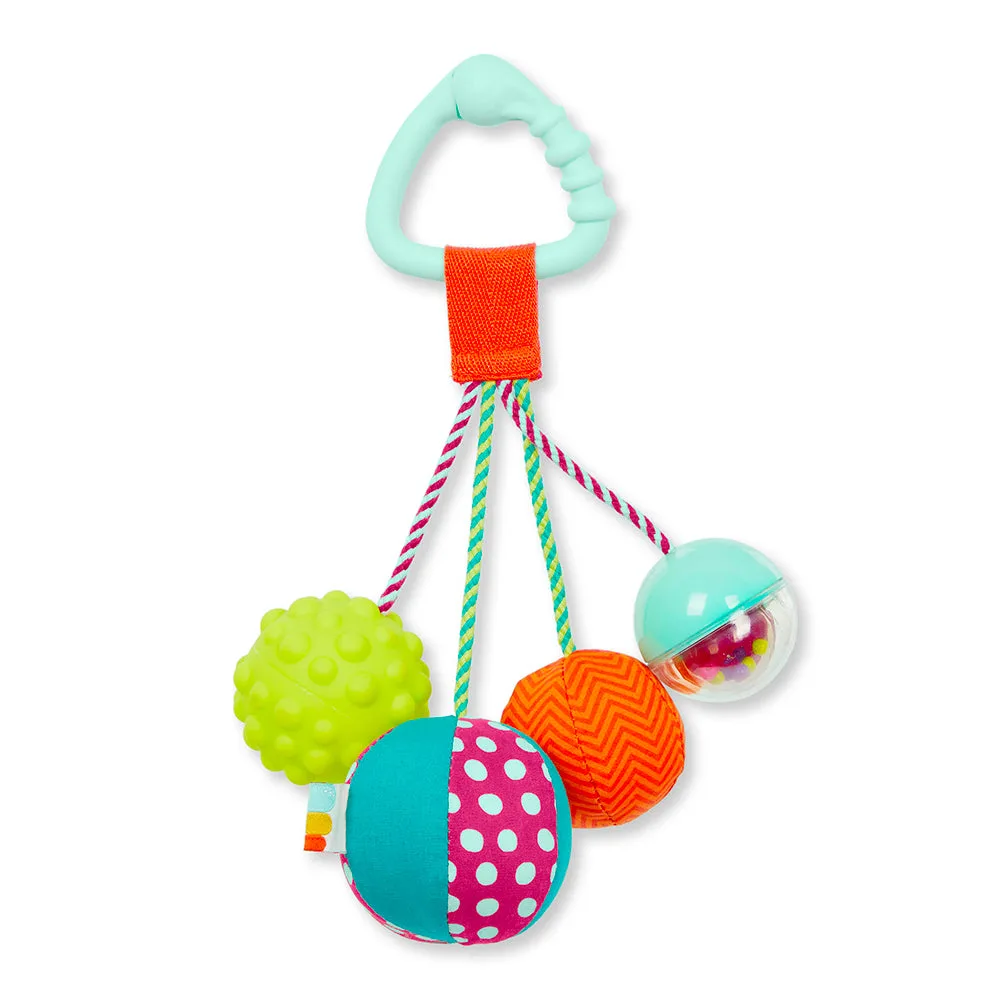
Sounds So Squeezy