What Makes This Dishcloth Different from Paper Towels
The Bird and Flower Tree Single Swedish Dishcloth replaces up to 17 rolls of paper towels, according to the product record. Each cloth absorbs 20 times its own weight in liquid, making it a practical swap for spills, wet dishes, and counters. The material is a blend of all-natural wood pulp cellulose from sustainable forests and naturally renewable cotton fibers, printed with non-toxic, water-based ink.
What the Product Record Confirms
-
Bird and Flower Tree Single Swedish Dishcloth: Each cloth can absorb 20 times its own weight in liquid. This high absorbency means the cloth handles large spills without needing multiple paper towels, reducing waste and saving money.
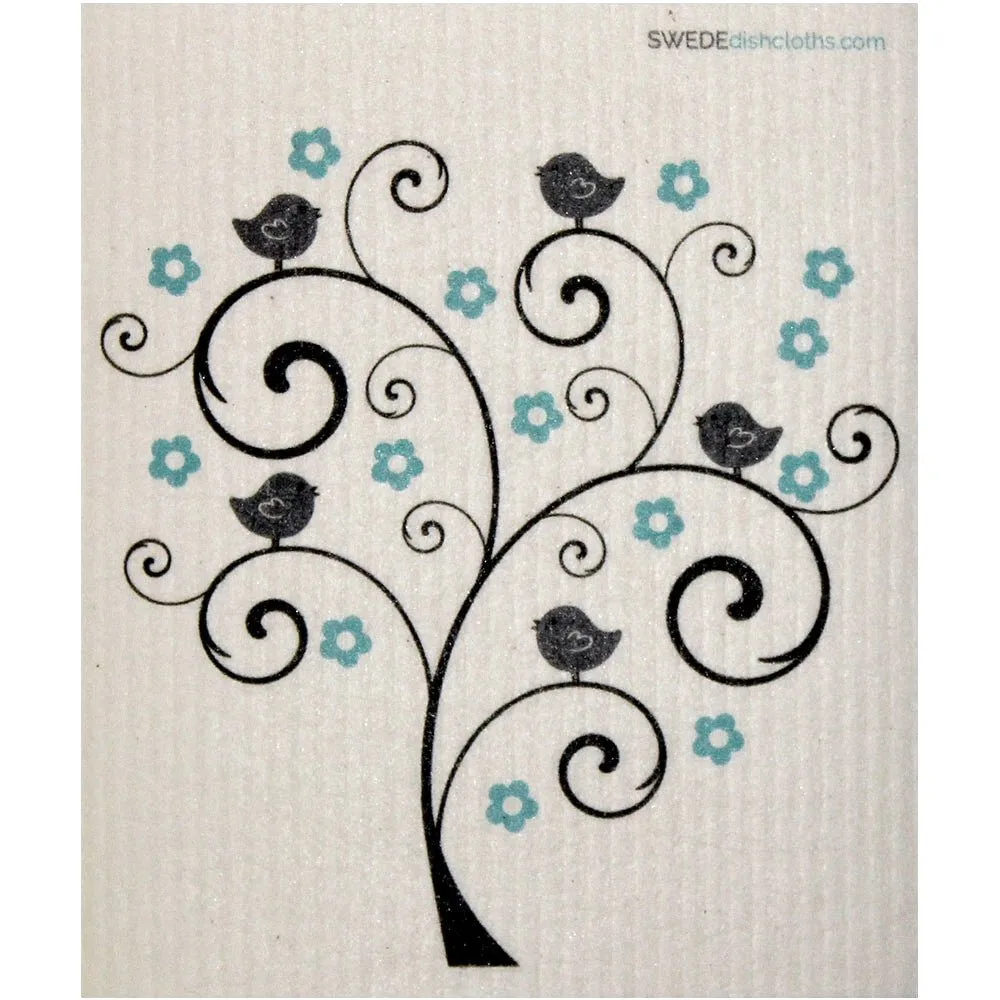
Bird and Flower Tree Single Swedish Dishcloth
-
Bird and Flower Tree Single Swedish Dishcloth: The cloth is machine washable up to 200 times. You can wash it repeatedly in your clothes or dish washer, extending its usable life far beyond a single-use paper towel.
-
Bird and Flower Tree Single Swedish Dishcloth: The cloth is compostable and can be recycled with old newspapers. At the end of its wash life, you can compost it or recycle it, keeping waste out of landfills.
Daily Cleaning Routine for the Bird and Flower Dishcloth
A simple routine helps the cloth stay fresh and effective between washes.
- Rinse after each use: Run the cloth under warm water and wring it out thoroughly. This removes food particles and prevents odors.
- Air dry between uses: Hang the cloth over a dish rack or hook. Letting it dry completely between uses reduces bacterial growth and extends its life.
- Machine wash when soiled: Place the cloth in a mesh bag and wash it in your clothes or dish washer. The record confirms it can be washed up to 200 times.
When to Wash and How to Wash
The Bird and Flower cloth is designed for repeated use. Wash it in your dishwasher or washing machine whenever it looks dirty or starts to smell. Use a regular cycle with mild detergent. Avoid bleach or fabric softener, as these can break down the cellulose fibers. The cloth dries quickly after washing, so you can reuse it the same day.
End-of-Life: Composting and Recycling Options
When the cloth has reached the end of its 200-wash lifespan, you have two disposal options. If you have a compost pile, the cloth is fully compostable. Alternatively, you can recycle it with your old newspapers. The packaging is also environmentally friendly, reducing your overall waste.
What the Record Does Not Settle
The product record does not specify how to handle stains like red wine or grease on this particular design. For tough stains, a pre-soak in cold water may help before machine washing. The record also does not confirm whether the print fades over time; treat the cloth gently to preserve the bird and flower pattern.