Quick answer
Clean cork flooring with a dry microfiber mop or vacuum for daily dust, then damp-mop with a pH-neutral cleaner and minimal water. Never soak the floor or use steam. A quality factory finish usually means no extra sealing is needed, but high-traffic or older cork benefits from a fresh protective coat every few years.
Cork flooring is one of the few floors that feels warm, quiet, and soft underfoot without feeling fragile. That comfort comes from cork's honeycomb structure, which also means it responds well to gentle, consistent care rather than harsh scrubbing.
The routine below is the same one we recommend to anyone pairing cork floors with cork home accessories. It takes a few minutes a day, prevents the two biggest threats (water and grit), and keeps the surface looking even for years.
Why cork needs a gentler cleaning routine
Cork is naturally antibacterial and hygienic, but it is also porous and slightly soft. Abrasive powders, steam mops, and soaking wet mops can dull the finish, lift edges, or drive moisture into the seams. The goal is to remove grit before it scratches and to keep moisture on the surface, not inside the material.
Most quality cork floors arrive with a factory finish that already handles everyday spills. Your job is maintenance, not restoration. If you are unsure what finish your floor has, test a small hidden area first and keep the treatment mild until you know how it reacts.
- Use a pH-neutral cleaner rather than vinegar, ammonia, or bleach.
- Keep water to a minimum — a damp mop, not a wet one.
- Place doormats at entrances to trap grit before it reaches the floor.
Daily and weekly cork floor maintenance
For daily upkeep, dry-dust with a microfiber mop or vacuum on a hard-floor setting. This removes sand and grit that act like sandpaper underfoot. A quick pass in high-traffic zones — kitchen run, hallway, entry — takes under two minutes and prevents most long-term wear.
Once a week, damp-mop with a well-wrung microfiber pad and a pH-neutral floor cleaner. Work in sections, rinse the pad often, and let the floor air-dry. If a spill happens, blot it immediately rather than wiping it around; cork handles a quick spill well but dislikes standing water.
- Avoid beater bars and rotating brush heads on vacuums.
- Never use a steam mop — heat and moisture can damage the finish and seams.
- Dry the floor after mopping if any streaks or damp patches remain.
Protecting cork floors in high-traffic areas
Felt pads under furniture legs, a mat at every exterior door, and a no-shoes habit indoors will do more for your floor than any specialty product. Roller chairs should sit on a clear plastic chair mat with a cork-safe backing, not a studded one that can dent the surface.
In kitchens and dining areas, lift rather than drag heavy items. Cork's softness is a comfort advantage, but it also means sharp points and heavy static loads can leave marks. Rotate rugs occasionally so any color shift stays even.
- Trim pet claws and keep them off wet floors to avoid surface scratches.
- Wipe up pet accidents within minutes — cork is hygienic but not waterproof.
- Use a doormat outside and inside for a double grit barrier.
Does cork flooring need sealing?
Factory-finished cork tiles typically do not need additional sealing when new. If your floor is unfinished, older, or in a wet area like a kitchen or bathroom, a penetrating sealer followed by a water-based polyurethane topcoat adds meaningful protection. Check with the manufacturer before applying anything to a finished floor.
If water stops beading and starts darkening the surface, that is your cue to refresh the topcoat. A light screen-and-recoat every three to five years in busy homes is usually enough. Always test a small area first and follow the finish manufacturer's instructions.
- Unfinished cork: seal before regular use.
- Finished cork: recoat only when water no longer beads.
- Never wax a polyurethane-finished cork floor — it can cloud and streak.
Your 7-step cork floor care routine
- Step 1: Dry-dust or vacuum daily: Use a microfiber mop or a vacuum on hard-floor setting to remove grit. Skip the beater bar. Checkpoint: if you feel grit underfoot, dust again before mopping.
- Step 2: Blot spills immediately: Press a dry cloth onto the spill rather than wiping it across the floor. Cork tolerates quick spills but not standing water. Mistake to avoid: letting liquid sit while you finish another task.
- Step 3: Damp-mop weekly with pH-neutral cleaner: Wring the mop until it is barely damp. Work in sections and rinse the pad often. Checkpoint: the floor should feel dry within a minute or two.
- Step 4: Never steam or soak: Steam mops and wet mops can push moisture into seams and dull the finish. Mistake to avoid: using vinegar, ammonia, or abrasive cleaners.
- Step 5: Add felt pads and mats: Put felt pads under furniture legs and place mats at every exterior door. Checkpoint: lift, don't drag, heavy furniture when rearranging.
- Step 6: Decide on sealing: Factory-finished cork usually needs no extra sealer. Unfinished or older cork benefits from a penetrating sealer and water-based topcoat. Mistake to avoid: sealing a finished floor without testing a hidden area first.
- Step 7: Refresh the topcoat when water stops beading: A light screen-and-recoat every three to five years in busy homes keeps the surface protected. Next step: if you are unsure, consult the finish manufacturer before recoating.
Cork products that share the same care logic
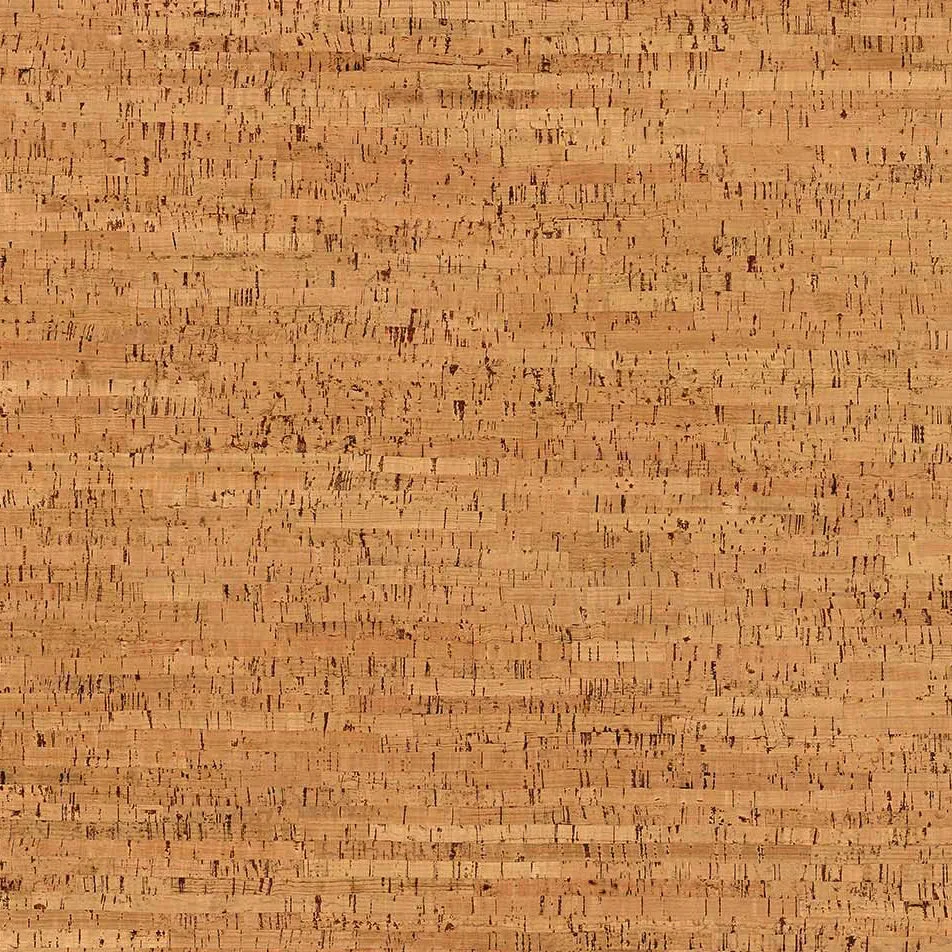
- Cork Floor Tiles: Floating or glued — your call, same natural performance. Choose floating tiles for a fast install over an existing floor with no underlay required, or glued-down tiles for a permanent, seamless finish. Either way, you get cork's natural thermal comfort, joint-friendly softness, and antibacterial, hygienic surface. Floating tiles are easier to lift and replace if one area wears, while glued-down tiles create a seamless surface that is simpler to damp-mop without seams catching water.
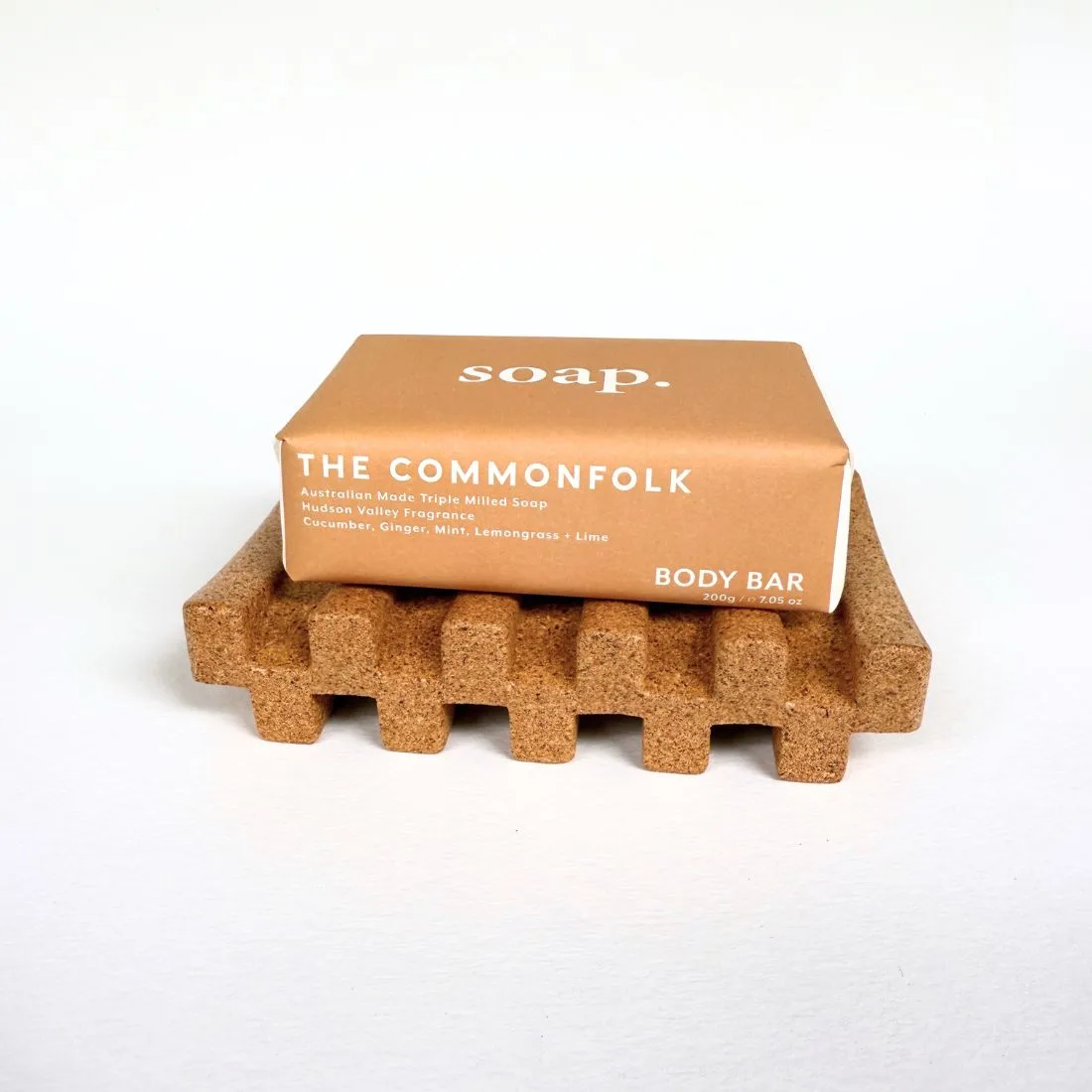
- Cork Soap Tray Set: Cork Soap Tray, crafted from Portuguese cork, paired with a Commonfolk Collective Body Bar handmade in Australia. A small reminder that cork in wet rooms needs a drip-free spot; the same rule applies to keeping water off your cork floor.
Cork flooring rewards a light, consistent touch: dry dust often, damp-mop gently, blot spills fast, and protect high-traffic zones. Do that, and your floor keeps its warmth and quiet comfort for years.