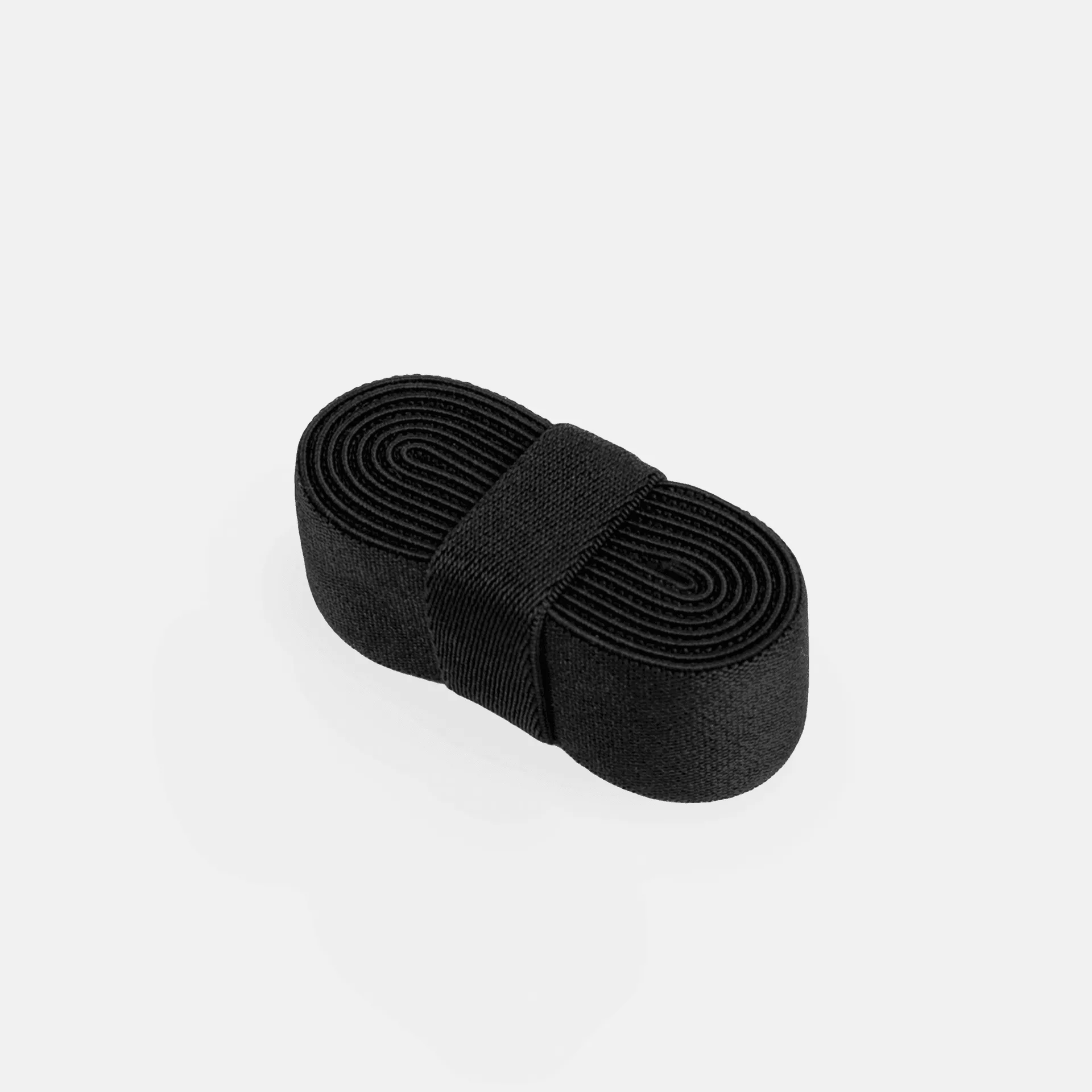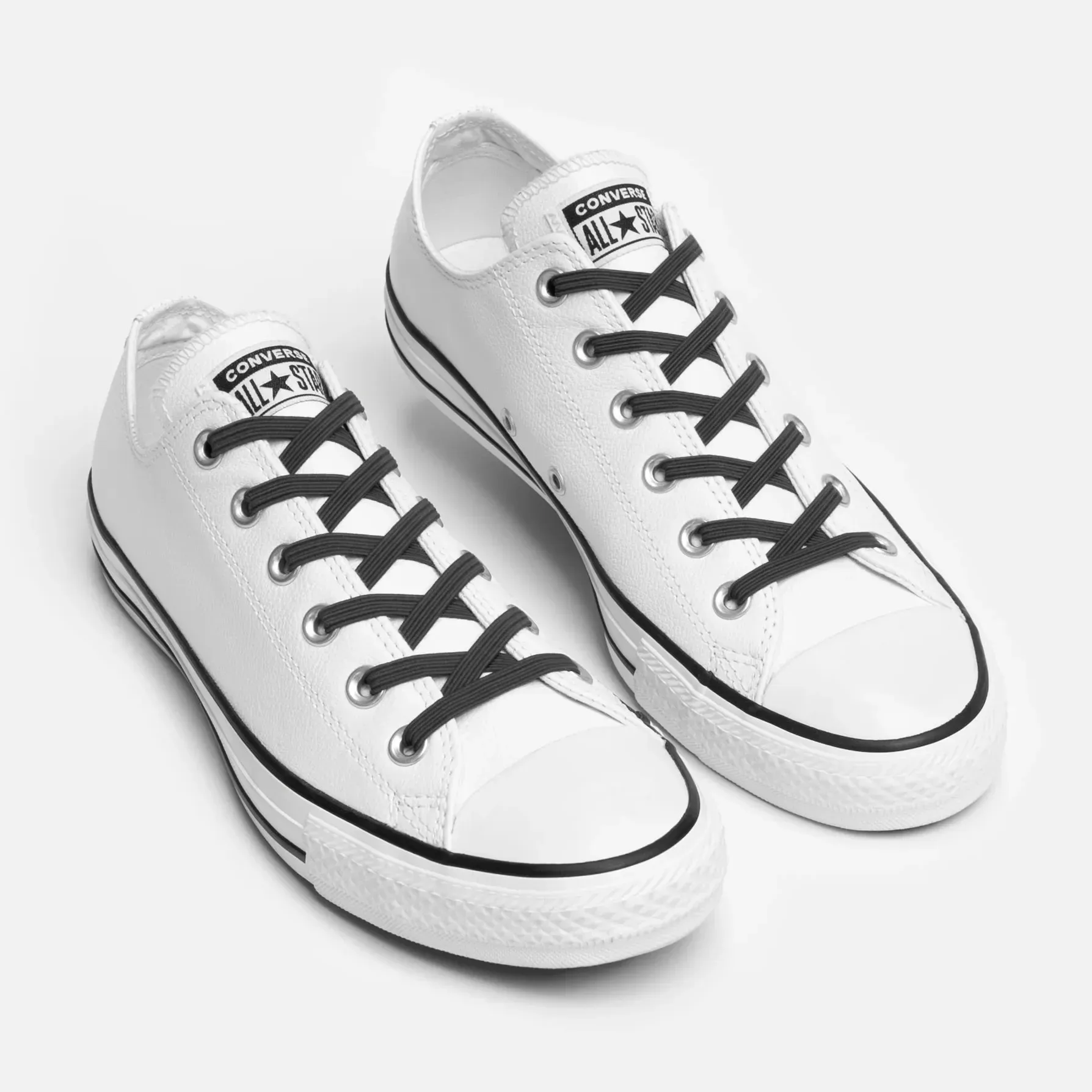
No-tie laces have transformed the way we wear shoes, offering convenience, speed, and a clean look. Whether you use them for running, casual wear, or even dress shoes, these elastic systems eliminate the hassle of tying knots. But like any accessory, they require proper care to maintain their performance and appearance. Over time, dirt, sweat, and debris can build up, causing the laces to lose elasticity or look dingy. In this guide, we’ll walk you through the best methods to clean and care for your no-tie laces, so they stay fresh, stretchy, and functional for months to come.
From daily maintenance to deep cleaning, we’ll cover everything you need to know. We’ll also recommend compatible products like the https://stylecraft.store/products/original-no-tie-lacing-system-48948Original No Tie Lacing System and Lace Anchors 2.0 to help you get the most out of your laces. Let’s dive in and keep your footwear game strong.
Why Cleaning No-Tie Laces Matters
No-tie laces are typically made from elastic materials that can trap dirt, sweat, and bacteria. If left uncleaned, this buildup can cause the laces to become stiff, lose their stretch, or even develop unpleasant odors. Regular cleaning not only extends the life of your laces but also keeps your shoes looking fresh. Additionally, clean laces ensure a snug fit, which is crucial for performance during sports or long walks. By incorporating simple care routines, you can avoid premature wear and tear, saving money and hassle in the long run.
Another reason to maintain your no-tie laces is hygiene. Shoes are a breeding ground for germs, especially if you wear them without socks or during intense workouts. Cleaning the laces removes bacteria and reduces the risk of foot infections or odors. It also prevents the laces from transferring grime to other parts of your shoe. With a little effort, you can keep your laces in top condition, ensuring they perform as intended every time you lace up.
- Prevents loss of elasticity and stiffness
- Reduces odor and bacteria buildup
- Extends the lifespan of your laces
- Maintains a clean, professional look
Step-by-Step Guide to Cleaning No-Tie Laces
Cleaning your no-tie laces is simple and can be done with items you already have at home. Start by removing the laces from your shoes. If your laces have plastic or metal clips, like those in the Original No Tie Lacing System, be gentle to avoid damaging the components. Fill a bowl with warm water and add a small amount of mild detergent or dish soap. Submerge the laces and gently agitate them with your fingers to loosen dirt. Let them soak for 10-15 minutes, then rinse thoroughly with clean water.
For stubborn stains or heavy dirt, use a soft-bristled toothbrush to gently scrub the laces. Avoid using harsh chemicals or bleach, as these can degrade the elastic fibers. After rinsing, press the laces between a clean towel to remove excess water. Never wring or twist them, as this can cause stretching or damage. Allow the laces to air dry completely before re-lacing your shoes. This method works for most elastic laces, including those with locking mechanisms like Lace Anchors 2.0.
- Use mild detergent and warm water for gentle cleaning
- Avoid bleach or fabric softeners that harm elastic
- Air dry flat to maintain shape and stretch
Daily Maintenance Tips for Elastic Laces
To keep your no-tie laces in peak condition, adopt a few daily habits. After each wear, especially if you’ve been active, wipe down the laces with a damp cloth to remove surface sweat and dirt. This quick step prevents buildup and keeps the laces looking new. Also, check the locking mechanism or anchors for any debris that might affect their grip. If you notice the laces slipping, a simple rinse and dry can often restore their hold.
Another tip is to rotate your shoes. Wearing the same pair every day puts constant stress on the laces, leading to faster wear. By alternating footwear, you give the elastic time to recover its shape. Additionally, store your shoes in a cool, dry place away from direct sunlight, which can cause the elastic to degrade over time. For extra protection, consider using shoe trees or stuffers to maintain the shoe’s shape and reduce pressure on the laces.
- Wipe laces with a damp cloth after sweaty activities
- Rotate shoes to reduce continuous elastic strain
- Store away from heat and sunlight
How to Deep Clean No-Tie Laces with Stubborn Odors
If your no-tie laces have developed a persistent odor, a simple soak may not be enough. In that case, try using a mixture of white vinegar and water. Combine one part vinegar with three parts water and soak the laces for 30 minutes. Vinegar is a natural deodorizer and antibacterial agent that neutralizes smells without damaging the elastic. After soaking, rinse thoroughly with cold water and air dry as usual. This method is safe for most laces, including those with silicone or plastic components.
For an extra boost, you can add a few drops of essential oil like tea tree or lavender to the rinse water. This leaves a pleasant scent and adds antimicrobial properties. However, avoid using fabric softeners or dryer sheets, as they coat the fibers and reduce elasticity. If your laces are part of a system like the Original No Tie Lacing System, ensure the locking mechanism is also cleaned gently. A cotton swab dipped in vinegar water can help clean small crevices without damaging the system.
- Use white vinegar solution to neutralize odors
- Add essential oils for a fresh scent
- Clean locking mechanisms with a cotton swab
When to Replace Your No-Tie Laces
Even with proper care, no-tie laces have a limited lifespan. Signs that it’s time to replace them include visible fraying, loss of elasticity, or a persistent inability to hold tension. If you notice the laces slipping out of the locking mechanism or failing to keep your shoes snug, it’s a clear indicator. Replacing them ensures your shoes remain comfortable and functional. High-quality systems like Lace Anchors 2.0 are designed for durability, but they still require periodic replacement depending on usage frequency.
Another sign is discoloration that doesn’t come out with cleaning. While some fading is normal, excessive staining may indicate the elastic is breaking down. If you use your shoes for intense activities like running or hiking, consider replacing the laces every 6-12 months. For casual wear, they may last longer. Always choose compatible replacements from the same brand to ensure proper fit and performance. Investing in new laces is a small cost compared to the comfort and convenience they provide.
- Replace if fraying, losing elasticity, or slipping
- Consider replacement every 6-12 months for active use
- Use brand-compatible replacements for best fit
Maintaining your no-tie laces is easy and rewarding. By following these cleaning and care tips, you can extend their lifespan, keep them looking fresh, and ensure they perform reliably every day. Whether you use the Original No Tie Lacing System or Lace Anchors 2.0, a little attention goes a long way. Ready to upgrade your lacing experience? Explore our range of no-tie solutions and accessories to find the perfect fit for your lifestyle.