Quick answer
Wash silicone chew pendants and teethers in warm water with a little mild dish soap, rub every bead and crevice with your fingers, rinse well, and air dry completely. For a deeper clean, boil food-grade silicone for a few minutes or run it through the dishwasher on a top-rack cycle. Check the clasp and silicone for wear before each use, and never use harsh chemicals or abrasive scrubbers.
Chew pendants and teethers go straight into mouths, so they pick up saliva, food, and whatever else is on your child's hands. A quick wash keeps them hygienic and protects the silicone from the buildup that can make it look cloudy or feel tacky. The good news is that food-grade silicone is one of the easiest materials to care for, and you probably already have everything you need in the kitchen.
This guide walks through a simple cleaning routine, from daily washing to deeper sanitizing, plus the checks that keep a well-loved chew necklace safe. It works for pendants, teething rings, and stacking toys alike, so you can keep the whole collection in rotation without overthinking it.
Start with a quick daily wash
Fill a bowl or sink with warm water and add a small drop of mild dish soap. Submerge the pendant or teether and rub the silicone with your fingers, paying attention to the area around the cord, the clasp, and any textured patterns where saliva and crumbs like to hide. A soft-bristled baby bottle brush or a clean toothbrush reaches into grooves without scratching the surface.
Rinse under running warm water until no slippery soap film remains, then shake off the excess and let it air dry on a clean dish rack or towel. Silicone dries fairly quickly, but trapped moisture around a clasp or cord can linger, so give it a few hours before it goes back around a neck or into a mouth.
- Skip scented or antibacterial soaps, which can leave residue that tastes unpleasant.
- Never soak a pendant with a fabric cord for hours; the cord takes longer to dry than the silicone.
Deep clean and sterilize when needed
After an illness, a drop on the floor, or a long stretch of daily use, it is worth sterilizing silicone teethers. Boil them in a pot of water for about three to five minutes, then lift them out with tongs and let them cool completely before use. Alternatively, check whether the item is dishwasher-safe and use the top rack on a normal cycle without a heated dry setting, which can be hard on cords and clasps.
Not every part of a chew necklace is meant for high heat. Silicone beads and pendants handle boiling well, but cords, safety clasps, and any metal or fabric components may not. When in doubt, hand wash the whole piece and reserve boiling or the dishwasher for the silicone portion alone.
- Let boiled silicone cool on a clean towel; it stays hot longer than you expect.
- If a piece is not labeled dishwasher-safe, treat hand washing as the default.
Inspect the clasp, cord, and silicone
Before each use, give the pendant a quick once-over. Tug gently on the cord and clasp to confirm they are secure, and look for cracks, tears, or sticky spots in the silicone. Food-grade silicone is durable, but constant chewing and repeated washing can eventually wear it down, especially around the point where the pendant meets the cord.
A safety clasp that separates easily when pulled is a feature, not a fault, so do not try to reinforce it. If the clasp no longer holds, the cord is frayed, or the silicone has a tear, retire the piece. A chew pendant that comes apart is a choking risk, and no amount of cleaning makes a damaged one safe again.
- Check the pendant in good light; small cracks are easy to miss.
- Replace rather than repair if any part of the necklace looks compromised.
Store it so it stays clean and ready
Between uses, keep chew pendants and teethers somewhere dry and out of direct sunlight. A dedicated pouch, a clean drawer, or a small bin near the toy shelf works well and keeps them away from dirty floors, pets, and the bottom of a bag. If your child wears a pendant to school, a small wet bag or zip pouch keeps it separate from lunch leftovers and playground grit.
Avoid storing silicone against anything that can transfer odor or color, such as strongly scented soaps, markers, or dark fabrics in a hot car. Silicone is generally stable, but it can pick up smells in a closed, warm space, and a quick airing out usually solves it.
- Rotate two pendants so one can dry fully while the other is in use.
- A quick rinse after school or daycare prevents stains from setting in.
Handle stains, odors, and sticky residue
If the silicone starts to look dull or feels tacky, a paste of baking soda and water applied with a soft cloth can lift residue without harsh scrubbing. Rinse thoroughly afterward. For odors, a soak in warm water with a little white vinegar followed by a soap wash usually does the trick; air drying in a well-ventilated spot helps finish the job.
Skip bleach, alcohol, and abrasive cleaners on food-grade silicone. They can break down the surface over time and leave residue behind. If a stain will not budge after a gentle wash and a baking soda paste, it is usually a sign the silicone is worn, and replacing the piece is the simpler, safer choice.
- Test any cleaning method on a small area first.
- Never put silicone chew items in a hot dryer or microwave to speed drying.
Your silicone cleaning routine, step by step
- 1. Rinse right after use: Hold the pendant or teether under warm running water to remove saliva and loose crumbs before they dry. A five-second rinse now saves scrubbing later. Checkpoint: if you can still feel slick residue, move on to a soap wash.
- 2. Wash with mild soap: Use a drop of mild dish soap and rub every bead, ring, and groove with your fingers or a soft brush. Pay attention to the cord and clasp area. Common mistake: using scented or antibacterial soap, which can leave a taste behind.
- 3. Rinse thoroughly: Rinse under warm water until the surface no longer feels slippery. Soap film is the most common reason a clean teether still tastes odd. Checkpoint: squeaky-clean silicone, not slick.
- 4. Air dry completely: Lay the item on a clean towel or dish rack and let it dry fully, giving cords and clasps extra time. Do not use a hot dryer or microwave. Common mistake: putting a damp pendant back around a neck, which traps moisture.
- 5. Deep clean weekly or after illness: Boil food-grade silicone for three to five minutes, or use the top rack of the dishwasher if the item is labeled dishwasher-safe. Cool completely before use. Checkpoint: only the silicone goes in high heat; keep cords and clasps out.
- 6. Inspect before each wear: Tug the cord and clasp gently and look for cracks, tears, or sticky spots in the silicone. A safety clasp that separates easily is working as designed. Next step: retire and replace any piece with a frayed cord or torn silicone.
- 7. Store dry and separate: Keep pendants and teethers in a clean pouch or drawer away from damp bags, pets, and strong odors. Rotate two items so one can dry while the other is used. Checkpoint: dry, scent-free, and ready for the next chew.
What this looks like across the range
- Princess & the Pea Necklace: Comprised of silicone beads of different colours, each bead is made from food-grade silicone that is safe for kids to chew on. Because every bead is food-grade silicone, you can wash the whole beaded section the same way, but take extra care around the cord and clasp where moisture hides.
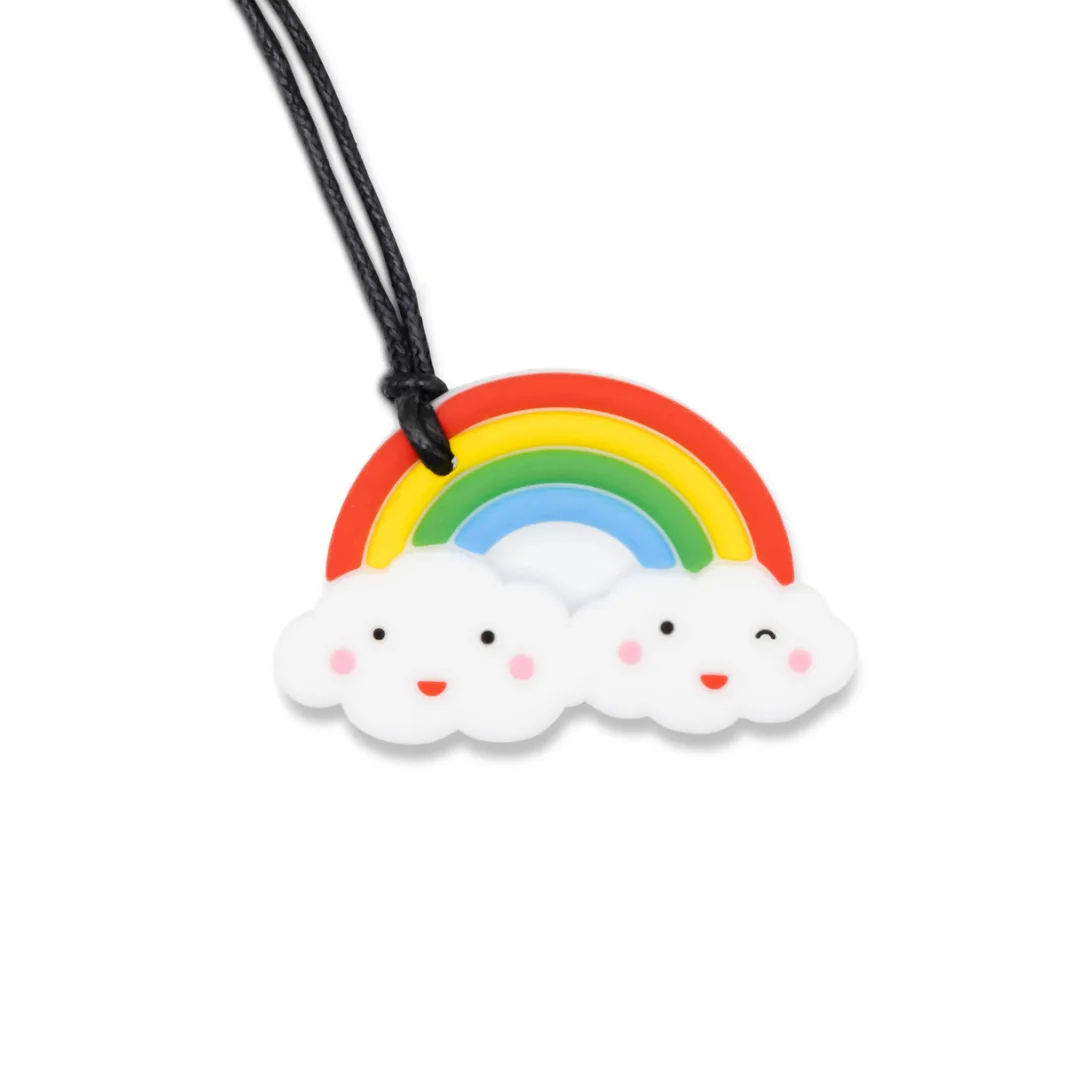
- Rainbow Pendant: Features a BPA-free, 100% non-toxic food-grade silicone pendant on a black necklace with a custom-designed safety clasp that separates easily when gently pulled. The safety clasp is designed to release under pressure, so never reinforce it; simply wash the silicone pendant and let the clasp and cord air dry fully.
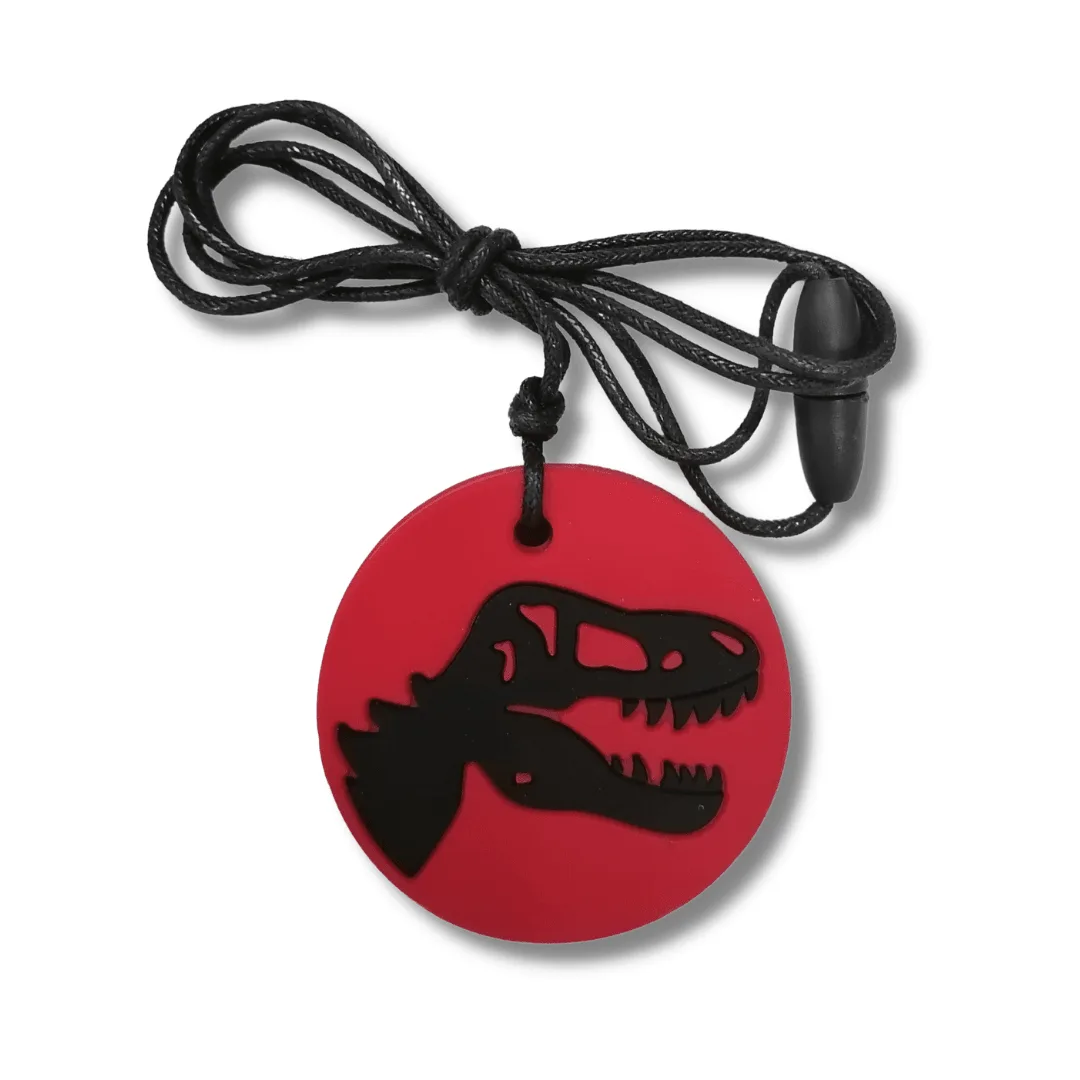
- Dino Pendant: The silicone Dino Pendant is available in a range of colours and is recommended by Occupational Therapists as a chew tool. A pendant that gets daily use will need regular washing and inspection; check the silicone and cord often so it stays a reliable comforting tool.
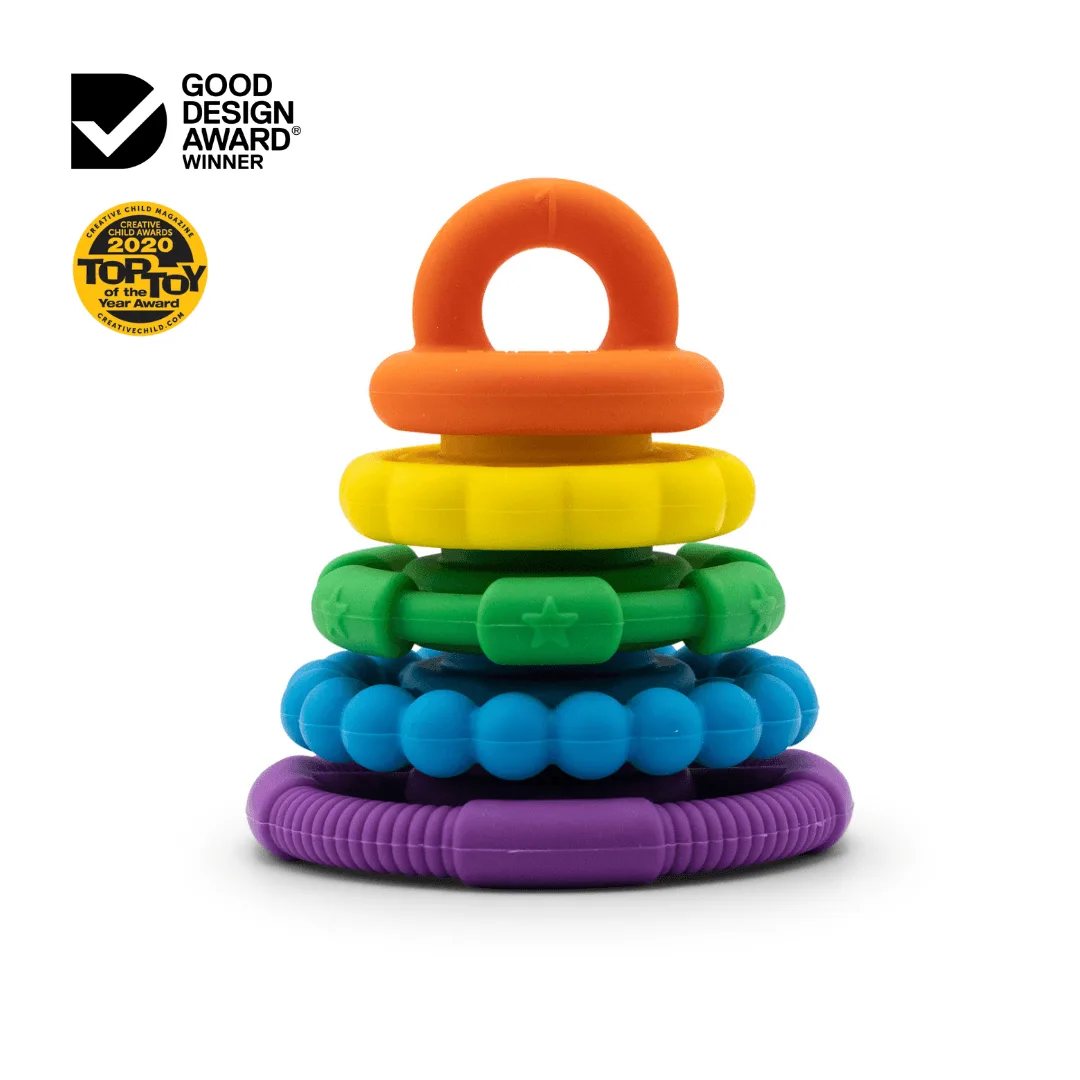
- Rainbow Stacker and Teether Toy: Babies chew on the soothing silicone rings, and older children practise hand-eye coordination by stacking them. Because the same rings are used for teething and stacking, wash them after floor play as well as after chewing, especially if they have been pressed into playdough.
A two-minute wash, a weekly deep clean, and a quick inspection before each wear are all it takes to keep silicone chew pendants and teethers hygienic and safe. When a piece shows wear, replace it rather than stretch its life; that is the simplest form of chew necklace care there is.