Quick Answer
Clean your wooden baby walker with a damp cloth and mild soap, then dry it thoroughly. Avoid soaking the wood or using harsh chemicals, and check for loose parts regularly.
Why Wood Needs Different Care
Wood is durable and eco-friendly, but it reacts to moisture and heat differently than plastic. Soaking the wood can cause swelling, warping, or cracking, while harsh cleaners can strip the finish and make the surface unsafe for little hands.
A quick daily wipe-down is usually enough to keep the walker clean, but a deeper clean is needed for sticky spots or visible grime. Always dry the walker thoroughly after cleaning to protect the wood.
Daily vs. Deep Cleaning
For daily maintenance, wipe the walker with a soft, damp cloth and dry it with a clean towel. This removes dust and light dirt without damaging the wood.
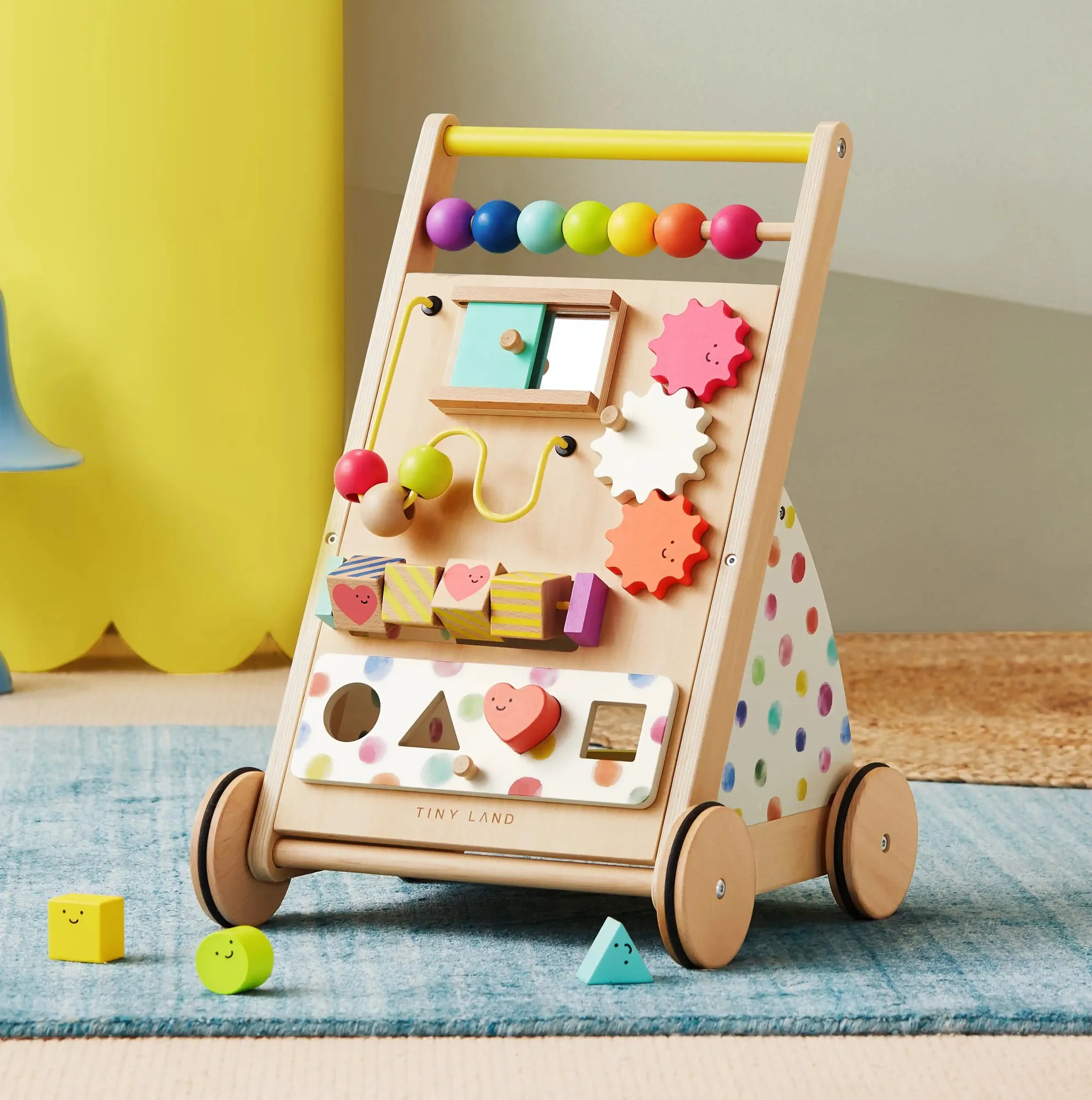
For a deeper clean, use a mild soap solution and a soft cloth. Avoid abrasive scrubbers and never submerge the walker in water. Pay extra attention to the wheels and any activity panel, as these areas collect grime and may need a cotton swab for tight spots.
When to Stop Using the Walker
The walker is designed for babies who are just starting to walk. Once your child can walk confidently on their own, or if they exceed the weight limit (if specified by the manufacturer), it's time to stop using the walker. Also, if you notice any cracked wood, loose screws, or sharp edges, discontinue use and repair or replace the walker.
Cleaning and Care Diagnosis
- Symptom: Visible dirt or sticky residue on the walker: Dampen a soft cloth with a mild soap and water solution. Wipe the affected areas, then dry with a clean towel. For tight spots, use a cotton swab dipped in the solution. Always dry the wood thoroughly after cleaning.
- Symptom: Dust or light grime on the walker: Use a dry or slightly damp microfiber cloth to wipe down the entire walker, including the wheels and activity panel. This can be done daily. A daily wipe-down prevents buildup and keeps the walker ready for play.
- Symptom: Loose parts, cracked wood, or sharp edges: Stop using the walker immediately. Tighten any loose screws with the appropriate tool. If the wood is cracked or splintered, do not attempt a DIY repair—replace the walker or contact the manufacturer for parts. Safety first: if the walker is damaged, stop using it and replace it.
Product Spotlight
-
Tiny Land® Premium Natural Wooden Activity Walker: The Tiny Land® Premium Natural Wooden Activity Walker is made of natural wood, providing a durable and eco-friendly choice. Natural wood requires gentle, moisture-aware cleaning to keep it looking great and lasting through your child's walking phase.
Tiny Land® Premium Natural Wooden Activity Walker