A baby’s face is one of the most sensitive areas of their body. The skin on their cheeks, chin, and around the eyes is thinner and more delicate than adult skin, making it prone to dryness, irritation, and even mild rashes from drool, milk residue, or environmental factors. Knowing how to clean and care for your baby’s delicate face properly is essential for maintaining a healthy skin barrier and preventing common issues like chapping or redness.
In this guide, we’ll walk you through step-by-step techniques for gentle face cleansing, product recommendations designed for sensitive skin, and tips for handling drool rash, dry patches, and everyday messes. Whether you’re a first-time parent or looking to refine your routine, these practical strategies will help keep your little one’s face soft, clean, and comfortable.
Why Baby Facial Skin Needs Special Care
A newborn’s skin is not yet fully developed. The outermost layer, called the stratum corneum, is thinner and has fewer natural moisturizing factors compared to adult skin. This means it loses moisture more quickly and is more vulnerable to irritants. The face, in particular, is exposed to everything: milk, drool, food, outdoor air, and even your kisses. Without proper care, this constant exposure can lead to dryness, flaking, or contact dermatitis.
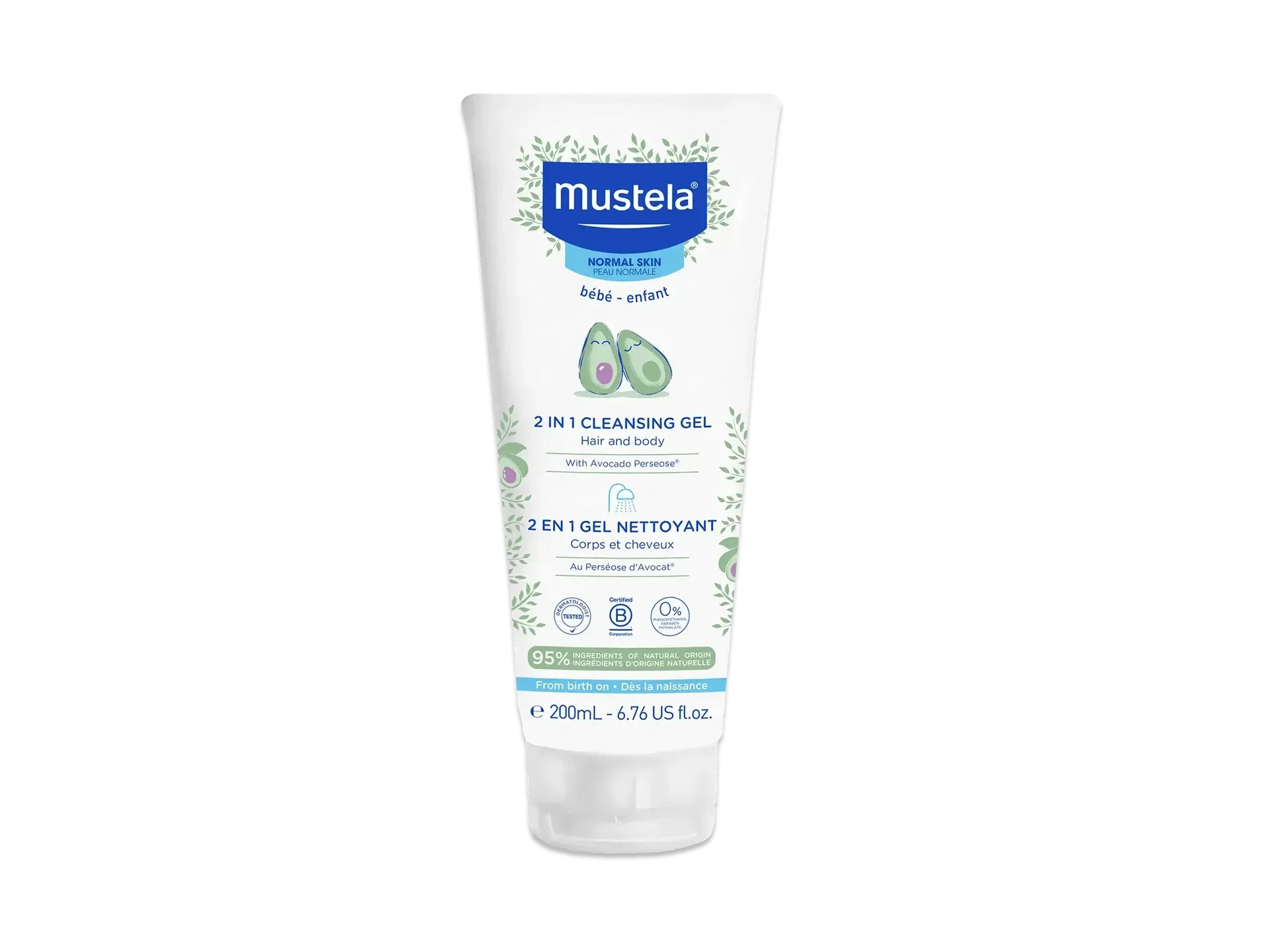
Gentle cleansing is the cornerstone of facial care. Harsh soaps, scrubbing motions, or alcohol-based wipes can strip natural oils and disrupt the skin’s pH balance. Instead, you want to use mild, fragrance-free products that clean without stripping. Ingredients like aloe vera, olive oil, and shea butter are known for their soothing and hydrating properties. For instance, the Organic cleansing gel with olive oil and aloe is formulated specifically to cleanse delicate skin while maintaining moisture—perfect for use on the face during bath time or as part of a morning routine.
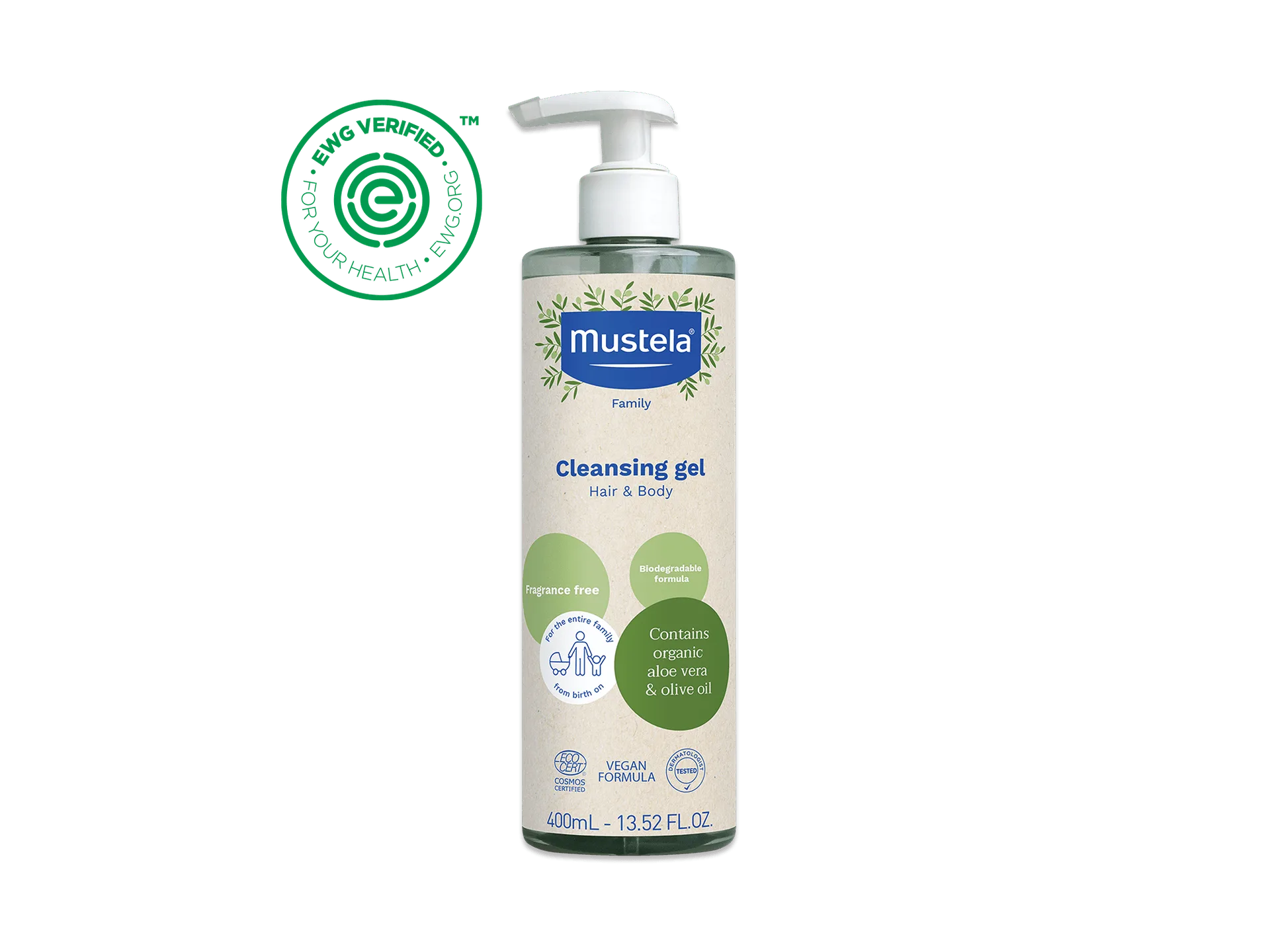
Organic cleansing gel with olive oil and aloe
- Always wash your hands before touching your baby’s face.
- Use lukewarm water—never hot—to avoid burning or drying the skin.
- Pat dry with a soft, clean cloth; never rub.
Step-by-Step Daily Face Cleaning Routine
Establishing a simple daily routine will keep your baby’s face fresh and reduce the risk of irritation. Start by gathering your supplies: a soft washcloth or reusable eco wipes, a gentle cleanser, and a clean towel. The reusable eco wipes are a great eco-friendly option because they are soft, washable, and free of chemicals, making them safe for even the most sensitive skin.
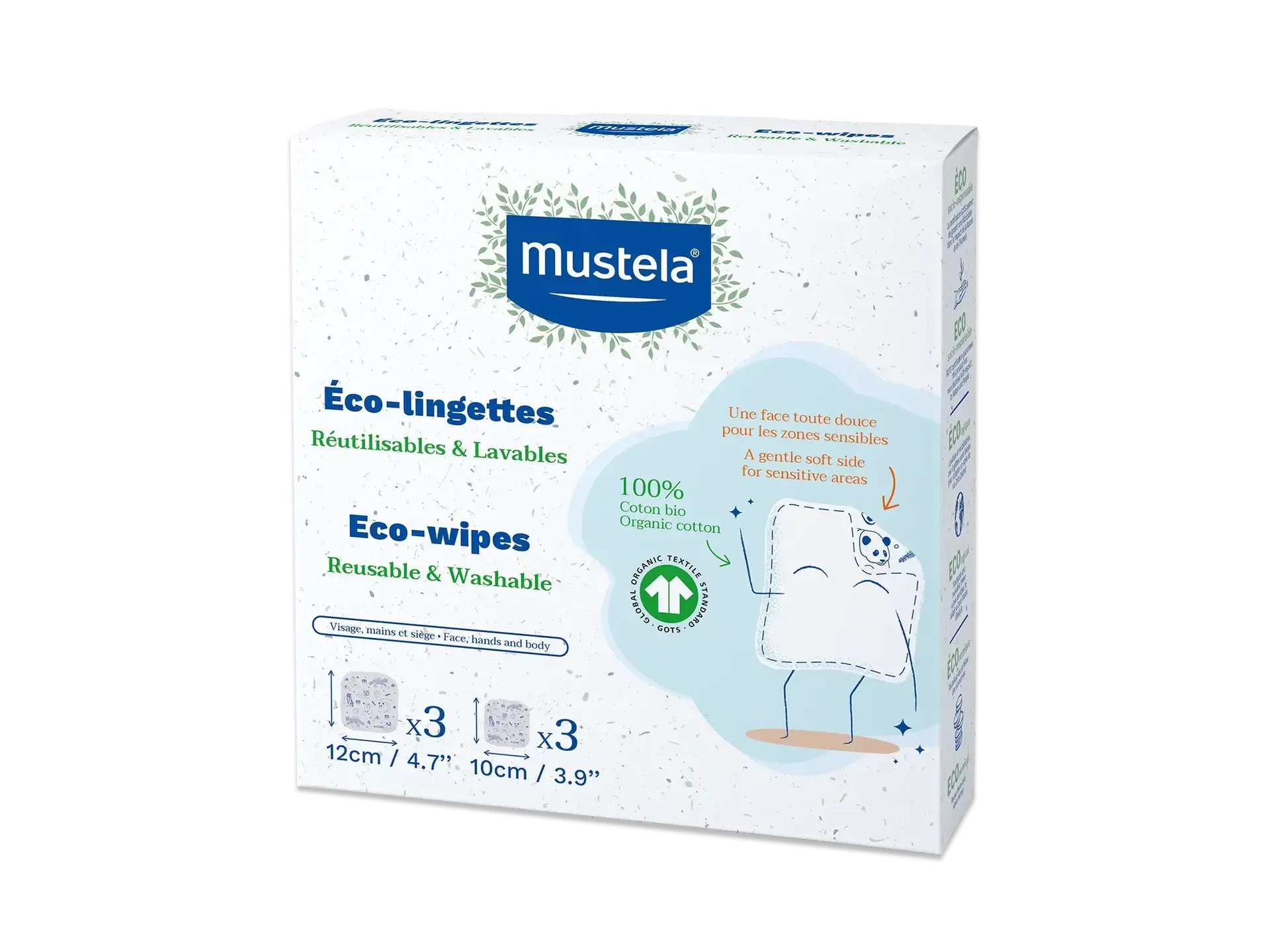
reusable eco wipes
Begin by wetting the cloth or wipe with warm water. If you’re using a cleanser, apply a pea-sized amount to the cloth and gently wipe the face in soft, outward strokes—starting from the center of the forehead, moving down the nose, and finishing on the cheeks and chin. Pay special attention to the folds around the nose and under the chin where milk or drool can accumulate. Rinse the cloth with clean water and go over the face again to remove any cleanser residue. Finally, pat dry with a soft towel. For babies with very dry or eczema-prone skin, follow up immediately with a moisturizer to lock in hydration.
- Clean your baby’s face at least twice a day—morning and evening.
- After feedings, gently wipe away milk residue to prevent drool rash.
- Avoid getting water or cleanser into the eyes; use a damp cotton ball for the eye area if needed.
Choosing the Right Products for Baby’s Face
Not all baby products are created equal, especially when it comes to facial care. Look for cleansers and moisturizers that are specifically labeled as gentle, hypoallergenic, and free from parabens, phthalates, and synthetic fragrances. Ingredients like olive oil and aloe vera are excellent because they provide natural moisture without clogging pores. The Organic cleansing gel with olive oil and aloe is a standout choice—it’s soap-free and pH-balanced, making it ideal for daily facial use.
For moisturizing, a lightweight lotion or cream can help maintain the skin barrier. The Stelatopia+ lipid-replenishing cream 150ml tube is specially designed for very dry or eczema-prone skin. It contains patented ingredients that mimic the skin’s natural lipids, helping to repair and protect the delicate facial area. Apply a thin layer after cleansing, focusing on the cheeks and chin where dryness is most common. If your baby has a persistent drool rash, you can also use a barrier cream like the Diaper rash cream 1 2 3 on the chin and neck area—just make sure to apply only a very thin layer to avoid clogging pores.
- Always do a patch test on a small area of skin before using a new product on the face.
- Avoid products with alcohol, which can sting and dry out the skin.
- Choose fragrance-free options to minimize the risk of allergic reactions.
Managing Common Facial Skin Issues in Babies
Drool rash is one of the most common facial skin issues in infants, especially between 3 and 6 months when teething begins. It appears as red, irritated patches on the chin, cheeks, and neck. To manage it, keep the area as dry as possible by gently wiping drool with a soft cloth throughout the day. Apply a thin layer of a barrier cream before naps and bedtime. The Diaper rash cream 1 2 3 is not just for diaper area—it can be used on any red, irritated skin to create a protective barrier against moisture.
Another frequent concern is dry, flaky skin on the cheeks and forehead, often caused by cold weather or indoor heating. In these cases, a rich moisturizer like the Stelatopia+ lipid-replenishing cream can make a significant difference. Apply it immediately after cleansing to seal in moisture. If you notice persistent redness, bumps, or crusting, consult your pediatrician—it could be a sign of eczema or an allergic reaction. For everyday dryness, however, a consistent routine of gentle cleansing and moisturizing is usually enough to keep the skin soft and comfortable.
- Change bibs frequently to keep drool away from the skin.
- Use a humidifier in the nursery during dry months to add moisture to the air.
- Avoid over-washing—two to three gentle cleanses per day is sufficient.
Tips for Cleaning Around the Eyes and Nose
The areas around your baby’s eyes and nose are especially sensitive and require extra care. For the eyes, use a separate clean cotton ball or a corner of a soft cloth dampened with plain warm water. Gently wipe from the inner corner (near the nose) outward, using a fresh spot for each eye to avoid spreading any potential infection. Never use soap or cleanser near the eyes, as it can sting and cause irritation.
For the nose, especially if your baby has a stuffy nose or dried mucus, soften the area first with a warm, damp cloth. Then, use a gentle saline spray if needed, and wipe away any discharge with a soft cloth. Avoid inserting anything into the nostrils. The reusable eco wipes are excellent for this purpose because they are soft and can be used with just water—no harsh chemicals needed. After cleaning, apply a tiny amount of moisturizer to the area around the nostrils to prevent chapping from frequent wiping.
- Use a separate cloth or cotton ball for each eye to prevent cross-contamination.
- If your baby has eye discharge, consult your pediatrician—it could be a blocked tear duct or infection.
- Keep nails trimmed to prevent accidental scratches while cleaning.
Caring for your baby’s delicate face doesn’t have to be complicated. With the right techniques and gentle, thoughtfully formulated products, you can keep their skin clean, hydrated, and irritation-free. Start with a simple routine using products like the Organic cleansing gel with olive oil and aloe for daily cleansing, and follow up with a nourishing moisturizer to lock in softness. Remember, every baby’s skin is unique—observe how your little one responds and adjust as needed. For a complete, gentle facial care routine, explore the full range of Mustela products designed with your baby’s sensitive skin in mind.