Your ceramic lunch bowl is more than just a dish—it's an everyday companion for salads, grain bowls, soups, and leftovers. With proper care, a quality ceramic bowl can last for decades, maintaining its beauty and functionality. But ceramic is also delicate; it can chip, crack, or stain if not handled correctly. That's why we've put together this comprehensive guide on how to clean and care for your ceramic lunch bowl, ensuring it stays in pristine condition for years to come.
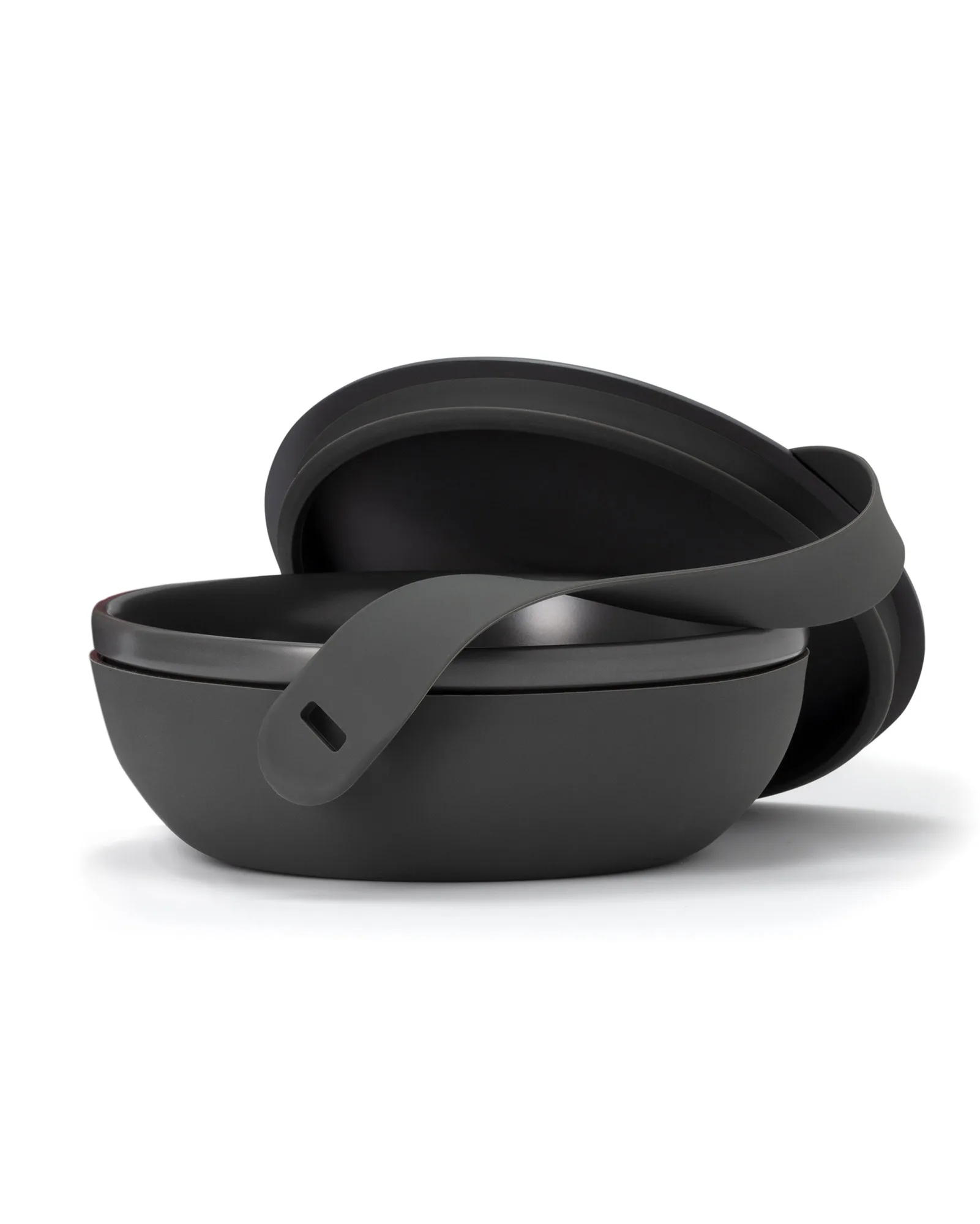
ceramic lunch bowl
Whether you're a seasoned ceramic owner or new to eco-friendly kitchenware, these tips will help you avoid common pitfalls and extend the life of your bowl. From dishwasher safety to proper storage, we'll cover everything you need to know about ceramic bowl maintenance.
Why Ceramic Lunch Bowls Need Special Care
Ceramic is a beloved material for kitchenware because of its durability, heat retention, and aesthetic appeal. However, it's also porous and can be prone to chipping if not handled with care. Unlike stainless steel or glass, ceramic has a glaze that can wear down over time, making it more susceptible to stains and odors. Understanding the unique properties of ceramic is the first step in proper maintenance.
Many ceramic bowls are dishwasher safe, but the harsh detergents and high heat of a dishwasher can gradually dull the glaze and cause fading. Hand washing is often gentler, but it's not always practical. The key is to use the right techniques and products to keep your bowl looking its best.
- Ceramic is porous, so it can absorb stains and odors if not cleaned promptly.
- The glaze is the protective layer; avoid abrasive scrubbers that can scratch it.
- Thermal shock can cause cracking—never place a hot bowl in cold water.
Step-by-Step Guide to Cleaning Your Ceramic Lunch Bowl
The best way to clean a ceramic bowl is to rinse it immediately after use to prevent food from drying and sticking. For everyday cleaning, use warm water, a mild dish soap, and a soft sponge or cloth. Avoid steel wool or abrasive pads, as they can scratch the glaze. For stubborn residue, soak the bowl in warm soapy water for a few minutes before washing.
If you notice stains, especially from tomato sauce or tea, create a paste with baking soda and water and gently rub it onto the stained area. Rinse thoroughly. For odors, a mixture of white vinegar and water can help neutralize them. Always dry your bowl completely before storing to prevent mold or mildew.
- Rinse immediately after use to prevent food from sticking.
- Use a soft sponge and mild dish soap for daily cleaning.
- For stains, use a baking soda paste; for odors, use a vinegar solution.
- Dry completely before storing to avoid moisture buildup.
Dishwasher Safety: What You Need to Know
Many ceramic lunch bowls are labeled dishwasher safe, but that doesn't mean they're immune to damage. The high water pressure and harsh detergents in a dishwasher can cause the glaze to fade or become dull over time. To minimize risk, place your bowl on the top rack, away from the heating element, and use a gentle cycle if available. Also, avoid using the 'heated dry' setting, as the intense heat can cause thermal shock.
If you're unsure whether your specific bowl is dishwasher safe, check the manufacturer's instructions. When in doubt, hand washing is the safest option. For example, the Ceramic Mug from our collection is dishwasher safe, but we still recommend hand washing to preserve its vibrant glaze.
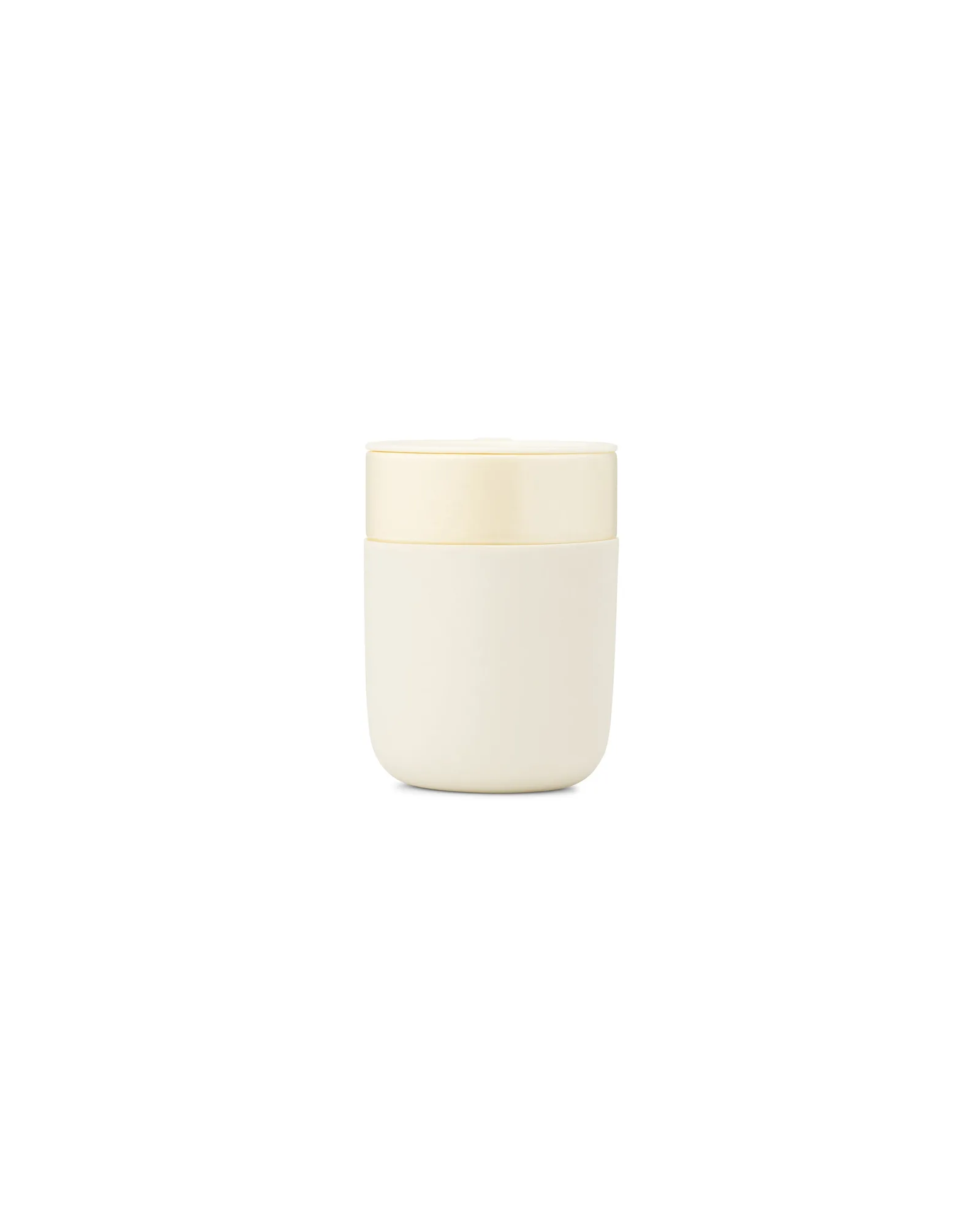
Ceramic Mug
- Place your bowl on the top rack in the dishwasher.
- Use a gentle or eco-friendly detergent without harsh chemicals.
- Skip the heated dry cycle to prevent thermal shock.
- When in doubt, hand wash to preserve the glaze.
Preventing Chips and Cracks: Handling and Storage Tips
Chips and cracks are the most common damage to ceramic bowls, often caused by accidental drops or stacking them too tightly. To prevent chips, always handle your bowl with both hands, especially when it's filled with hot food. Avoid using metal utensils that can scratch the surface, and never bang the bowl against hard surfaces.
When storing, stack bowls with a soft cloth or paper towel between them to prevent scratching. If you have limited cabinet space, consider using a bowl rack or hanging them if possible. Also, be mindful of temperature changes—never place a cold bowl directly into a hot oven or microwave, and avoid pouring boiling water into a cold bowl.
- Handle with both hands to prevent drops.
- Use wooden or silicone utensils to avoid scratches.
- Stack bowls with a protective layer between them.
- Avoid sudden temperature changes to prevent cracking.
Removing Stains and Odors Naturally
Over time, even well-cared-for ceramic bowls can develop stains or lingering odors. For tough stains like turmeric or coffee, make a paste of baking soda and water and apply it to the affected area. Let it sit for 15 minutes, then gently scrub with a soft cloth. For odors, fill the bowl with warm water and add a few tablespoons of white vinegar, letting it soak for 30 minutes before washing.
Another effective method is to use lemon juice and salt as a natural abrasive. Cut a lemon in half, dip it in salt, and rub it over the stains. This not only cleans but also deodorizes. Always rinse thoroughly after using any natural cleaning agents.
- Baking soda paste works wonders on coffee and tea stains.
- Vinegar soak neutralizes odors.
- Lemon and salt is a natural abrasive that also deodorizes.
- Always rinse thoroughly after cleaning.
Extending the Life of Your Ceramic Bowl: Daily Habits
Incorporating a few simple habits into your daily routine can significantly extend the life of your ceramic lunch bowl. First, always pre-rinse your bowl before placing it in the dishwasher or hand washing. This prevents food particles from baking onto the surface. Second, avoid using your ceramic bowl for tasks it wasn't designed for, like cutting food directly on it or using it as a mortar and pestle.
Finally, consider rotating your ceramic bowls if you have multiple, so they get even use. This prevents one bowl from experiencing more wear than others. With these habits, your ceramic bowl will remain a reliable and beautiful part of your kitchen for years.
- Pre-rinse to prevent food from baking on.
- Use your bowl only for its intended purpose.
- Rotate bowls to distribute wear evenly.
- Invest in quality pieces that are built to last.
Caring for your ceramic lunch bowl doesn't have to be complicated. By following these simple cleaning and maintenance tips, you can enjoy your bowl for years to come. Remember, a little extra care goes a long way in preserving the beauty and functionality of your eco-friendly kitchenware. Ready to upgrade your lunch routine? Check out our Ceramic Mug for a versatile and stylish addition to your collection.