Quick answer
Clean your ceramic teapot after every use with warm water and a soft sponge, then deep-clean monthly with baking soda or white vinegar to remove stubborn tea stains without damaging the glaze.
Why regular care matters for your ceramic teapot
Ceramic teapots are durable and non-porous when glazed, but tea tannins can build up over time, leaving brown stains that affect both appearance and flavor. A gentle, consistent cleaning routine preserves the smooth finish and prevents odors from transferring to your next brew.
The stainless steel infuser inside your teapot also needs attention. Tea leaves can get trapped in the mesh, and oils can cling to the metal, leading to bitter tastes if not rinsed properly.
What to avoid when cleaning ceramic
Never use abrasive scrubbers, steel wool, or harsh chemical cleaners on ceramic. They can scratch the glaze, making the surface porous and more prone to staining. Stick to soft sponges, microfiber cloths, or bottle brushes designed for delicate surfaces.
Avoid sudden temperature changes—don't pour boiling water into a cold teapot or rinse a hot pot with cold water. Thermal shock can cause cracks or crazing in the glaze.
Step-by-step cleaning routine
- Rinse immediately after use: Empty the teapot and remove the infuser. Rinse both with warm water to remove loose leaves and residual tea. Use your fingers or a soft sponge to gently wipe the interior. Letting tea dry inside makes stains harder to remove later.
- Wash with mild soap weekly: Once a week, wash the teapot and infuser with a drop of mild dish soap and warm water. Use a soft sponge or bottle brush for the spout and interior. Rinse thoroughly—soap residue can affect the taste of your tea. Skip the soap if you prefer to season the pot for one type of tea; just use hot water instead.
- Deep-clean stains with baking soda: For stubborn tea stains, make a paste of 2 tablespoons baking soda and a little water. Apply it to the stained areas with a damp sponge, gently scrub in circles, then rinse well. For the infuser, soak it in a baking soda solution for 10 minutes before scrubbing. Do not use baking soda on unglazed ceramic or crackle-glaze finishes—it can get trapped in the texture.
- Remove odors with white vinegar: If your teapot smells musty or retains old tea odors, fill it with a mixture of equal parts white vinegar and water. Let it sit for 15–20 minutes, then empty and rinse thoroughly with warm water. Follow with a plain water rinse to remove any vinegar scent. Never boil vinegar in the teapot—heat can damage the glaze and release strong fumes.
- Dry completely before storing: After cleaning, dry the teapot and infuser with a soft, lint-free cloth. Leave the lid off and store the teapot in a dry, ventilated area. Moisture trapped inside can lead to mold or mildew. Store the infuser separately to allow both pieces to air out fully.
Product spotlight
-
Ceramic Teapot - Chocolate Brown: Made from durable, lead-free ceramic with a smooth glaze and a generous-sized, high-grade stainless steel infuser. The smooth glaze resists staining when cleaned regularly, and the stainless steel infuser is easy to rinse and won't rust with proper care.
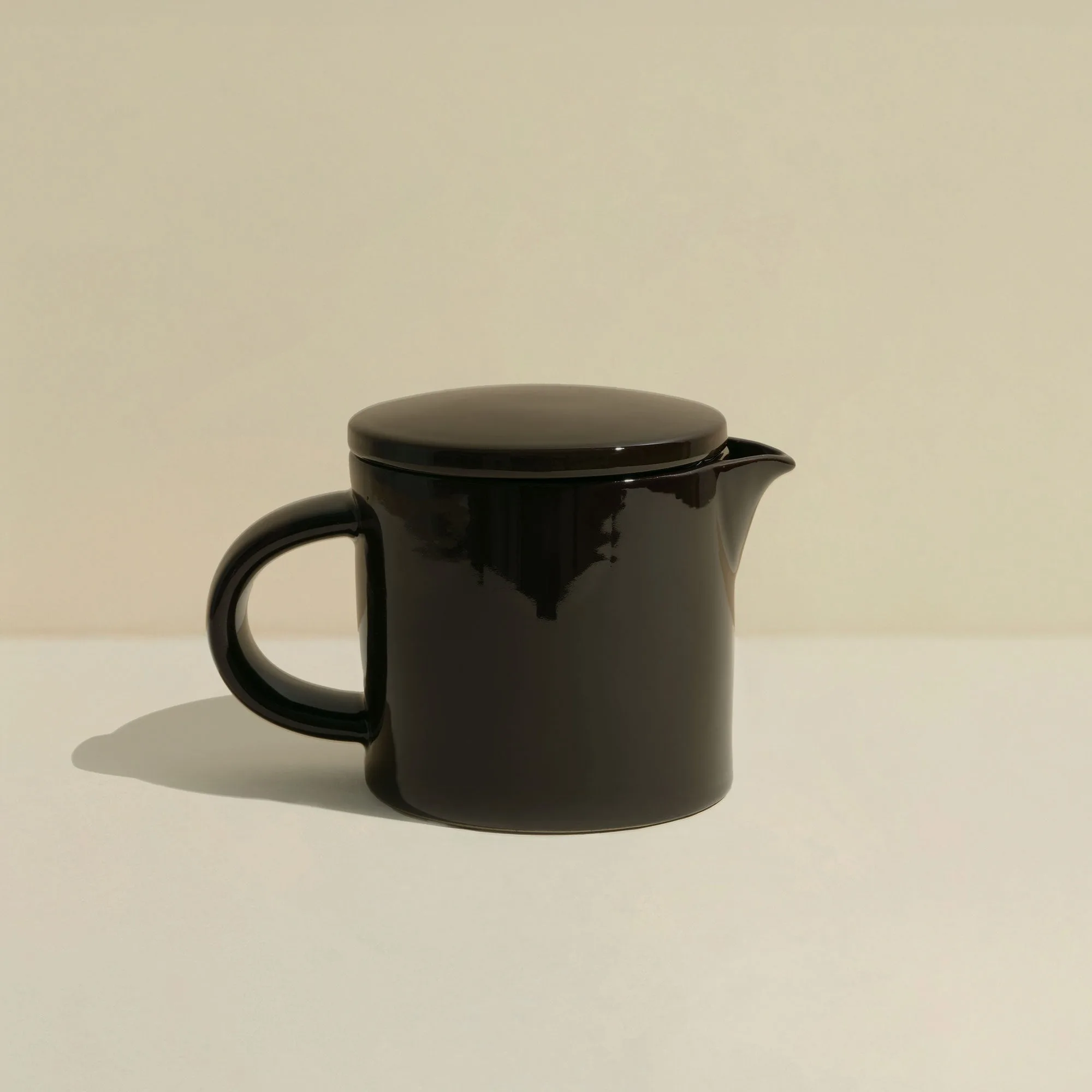
Ceramic Teapot - Chocolate Brown