Why Game Bag Care Matters
A game bag is one of the most hardworking pieces of gear you carry into the backcountry. It protects your harvest from dirt, debris, and flies, and helps keep the meat clean during transport. But that protection works both ways—if the bag itself isn't clean and well-maintained, it can compromise the meat and shorten the bag's lifespan.
This guide covers the practical steps for cleaning and storing your game bag after a hunt, based on what the product information confirms and where you need to make your own judgment.
What the Argali Game Bag Is Designed For
The Argali 17"x20" Game Bag is built to fit all the spare meat off a mule deer, sheep, pronghorn, or similarly sized game. It also works well as a skull bag to keep flies off a boned-out elk, deer, sheep, or caribou skull. Knowing this helps you understand the bag's intended use and the kind of soiling it will see—blood, moisture, and field debris.
The bag is a single-size, standard variant. There is no supplied information on material composition, washing temperature, or drying method. That means you'll need to follow general best practices for game bag care, and check the bag's condition after each use.
What the Catalog Confirms About the Game Bag
-
Game Bag-17"x20": The Argali 17"x20" Game Bag will fit all the spare meat off a mule deer, sheep, pronghorn or similar sized game, and it also works well as a skull bag to keep flies off of your boned out elk, deer, sheep or caribou skull. This tells you the bag is meant for direct contact with meat and bone, so cleaning needs to remove blood, fat, and any organic matter that could spoil or attract pests. The skull-bag use also means the bag may encounter more moisture and fly activity, which affects how you dry and store it.
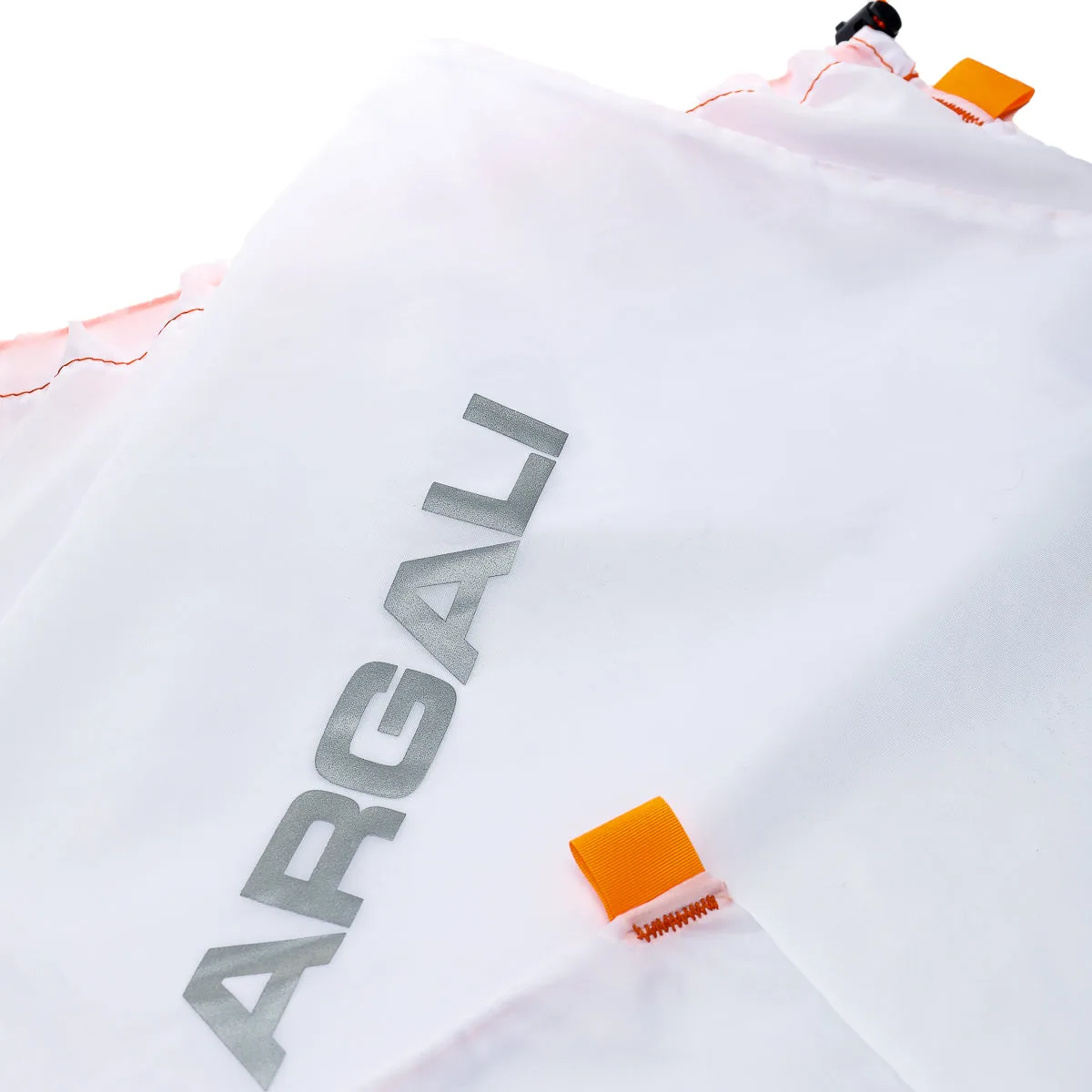
Game Bag-17"x20"
How to Clean Your Game Bag After a Hunt
The supplied information does not include specific washing instructions, so these steps are based on general best practices for game bags made from breathable, lightweight fabrics. Always check the bag for any attached care tags or manufacturer guidance before proceeding.
- Shake out loose debris: Before washing, turn the bag inside out and shake out any dirt, leaves, or bone fragments. This prevents grit from grinding into the fabric during washing.
- Rinse with cold water: Cold water helps loosen blood and organic matter without setting stains. Rinse the bag thoroughly inside and out. Avoid hot water, which can cook proteins into the fabric and make odors harder to remove.
- Wash with mild soap: Use a gentle, unscented soap or a specialized technical gear wash. Do not use bleach, fabric softener, or enzyme-based stain removers, as these can damage the fabric or leave residues that affect meat safety.
- Rinse thoroughly: Make sure all soap is removed. Residual soap can attract dirt or cause skin irritation if the bag is used again for meat.
- Air dry completely: Hang the bag in a well-ventilated area away from direct sunlight. Do not machine dry or use high heat, as this can shrink or damage the fabric. Make sure the bag is fully dry before storage to prevent mold and mildew.
Storing Your Game Bag Between Hunts
Proper storage extends the life of your game bag and keeps it ready for the next trip. Store the clean, completely dry bag in a cool, dry place. Avoid storing it in a sealed plastic bag or airtight container, as any residual moisture can lead to mildew. A breathable mesh bag or a cotton pillowcase works well.
Check the bag before each use for any tears, loose seams, or signs of mold. If you find damage, decide whether it can be repaired or if it's time for a replacement. The supplied information does not cover repair methods, so use your judgment for small holes or seam issues.
What the Supplied Information Leaves Open
The product record does not specify the bag's material, washing temperature, drying method, or any manufacturer care instructions. This means you need to rely on general game bag care practices and your own experience with similar gear. If you have a specific question about a stain or odor that won't come out, consider contacting the manufacturer for guidance.
Also, there is no information on how many wash cycles the bag can withstand before the fabric degrades. Inspect the bag regularly and replace it when it shows significant wear or damage.