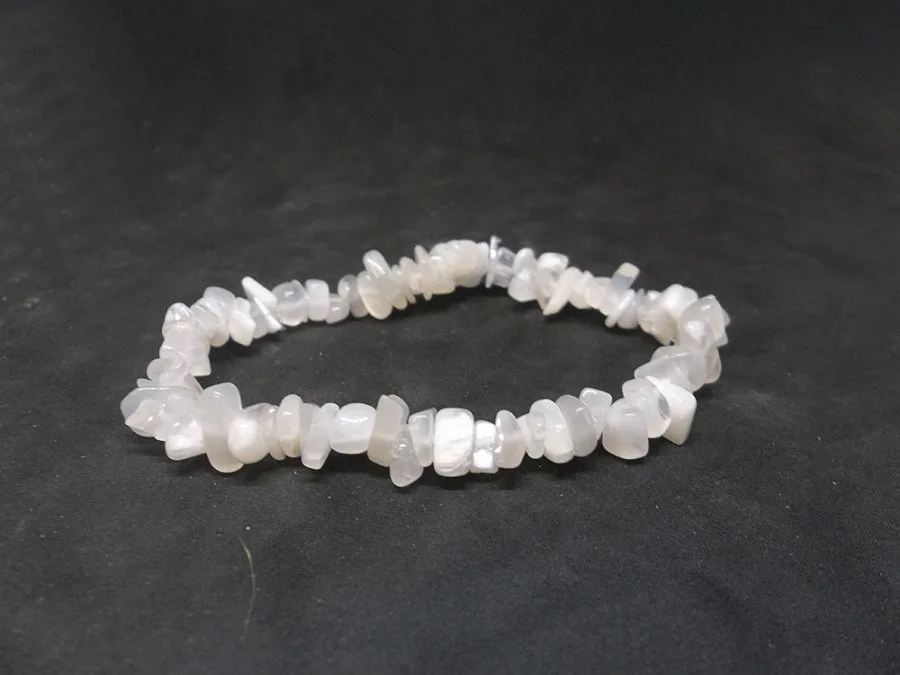
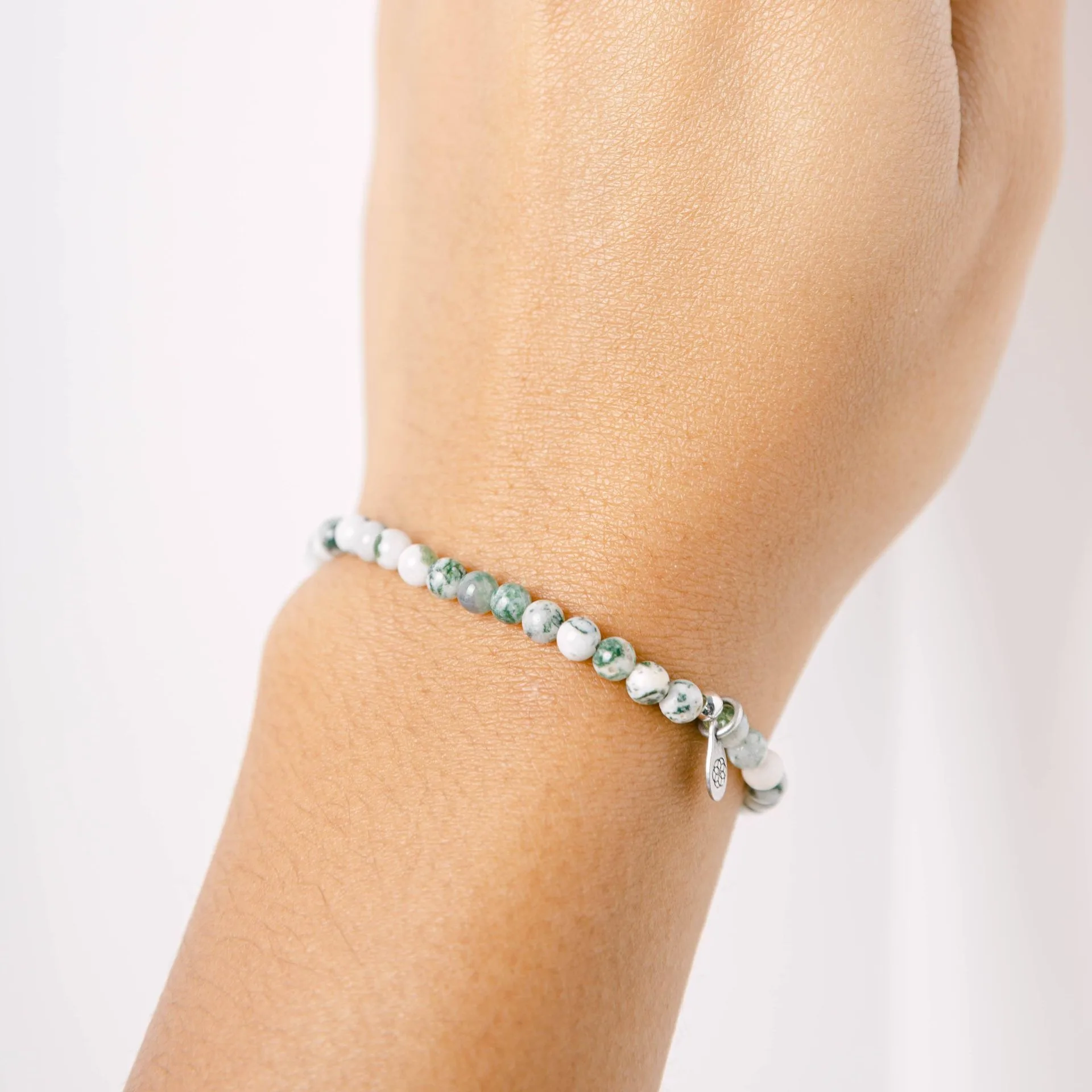
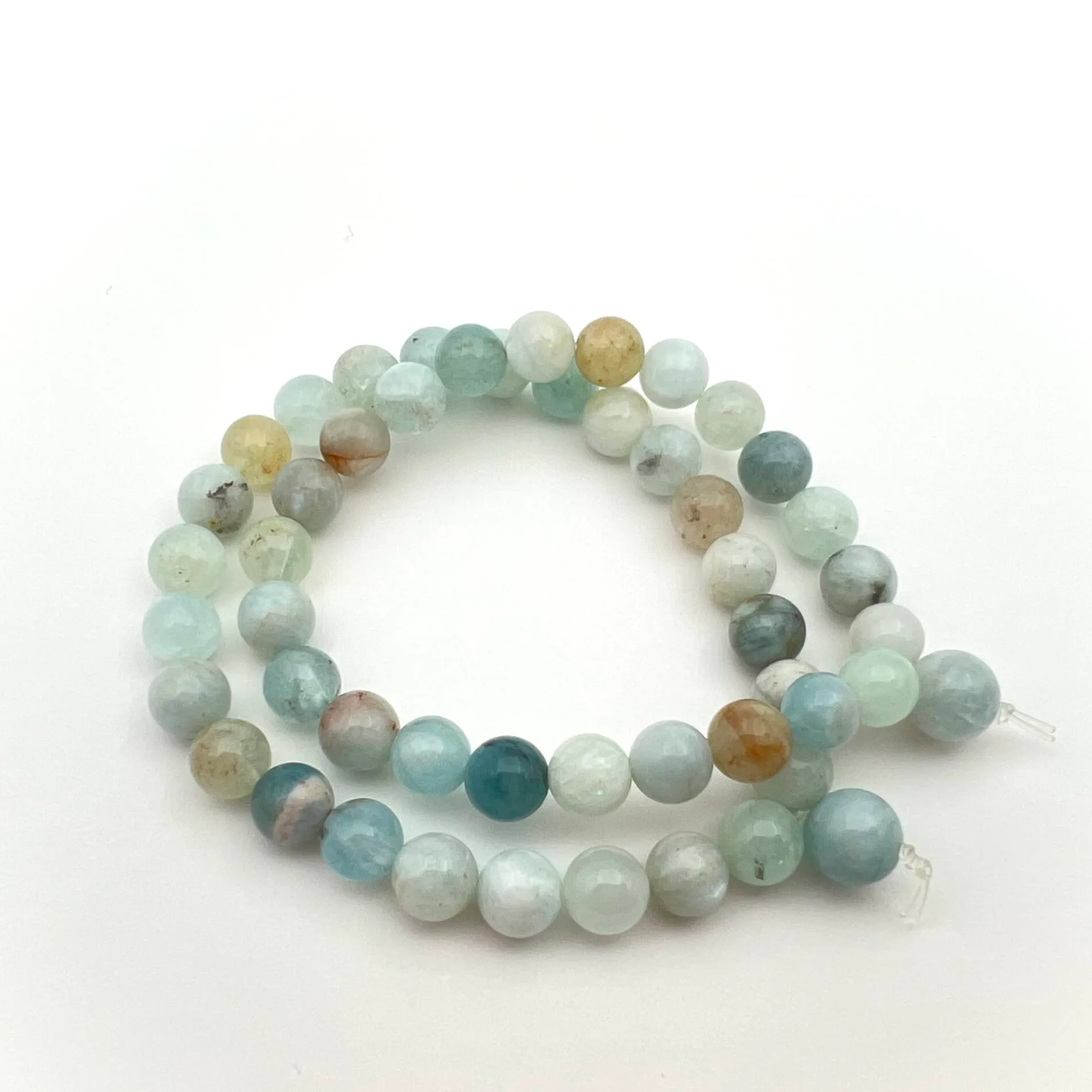
Gemstone bracelets are more than just beautiful accessories; they are wearable pieces of nature's energy that can support your well-being. Whether you wear a Moonstone Gemstone Chip Bracelet for its calming vibes or a Rhodonite Bead Bracelet for emotional healing, proper care is essential to maintain both their physical beauty and energetic properties. In this guide, we'll walk you through the best practices for cleaning, storing, and maintaining your gemstone bracelets so they stay vibrant and effective for years to come.
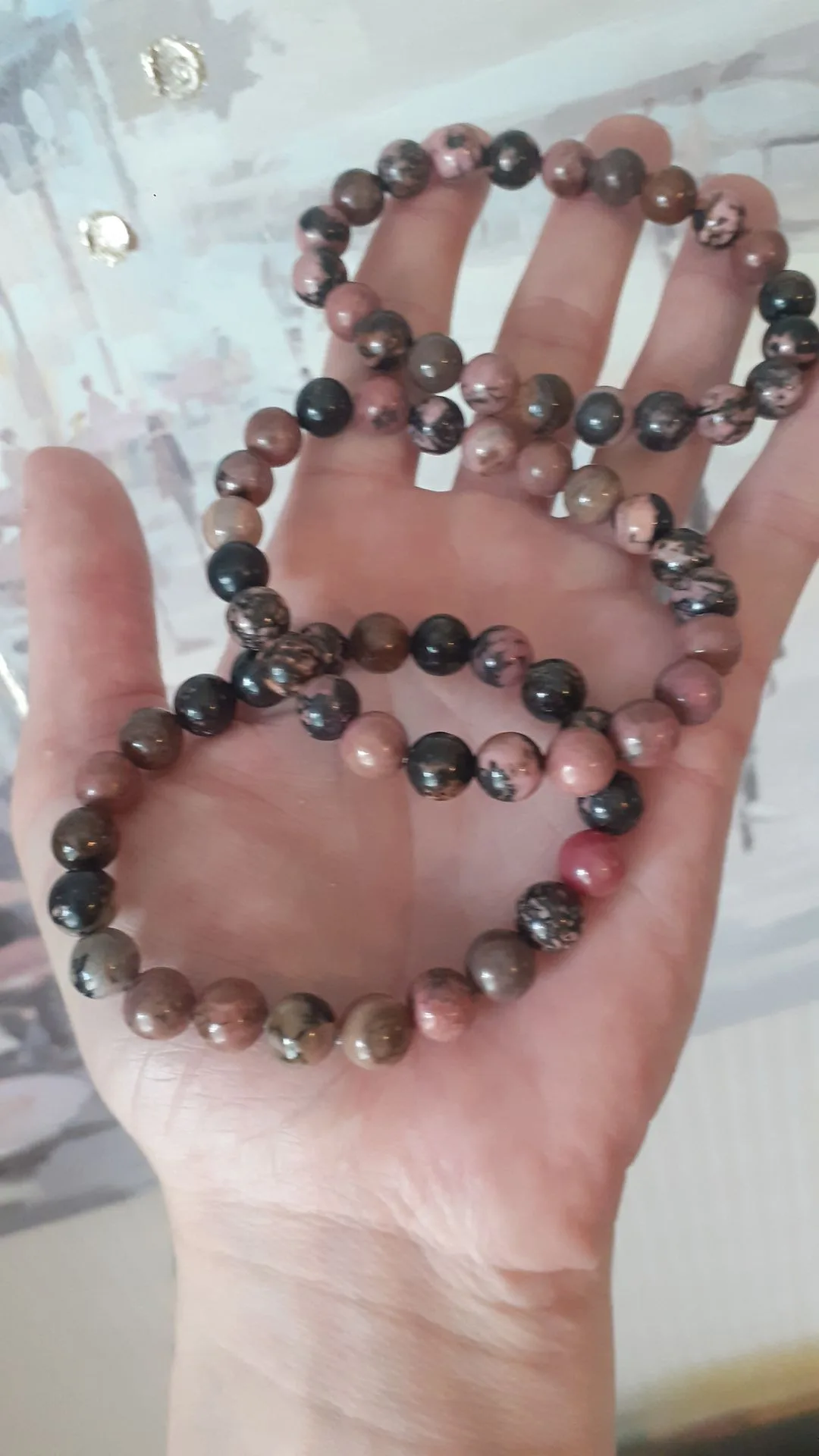
Rhodonite Bead Bracelet
Many people wonder how to clean gemstone bracelets without damaging them. The truth is, different gemstones have different hardness and porosity levels, so a one-size-fits-all approach can lead to dulling, chipping, or even discoloration. By understanding your bracelet's materials and following our simple routines, you can keep your crystal jewelry looking as good as new. Let's dive into the essentials of gemstone bracelet care.
Understanding Your Gemstone Bracelet Materials
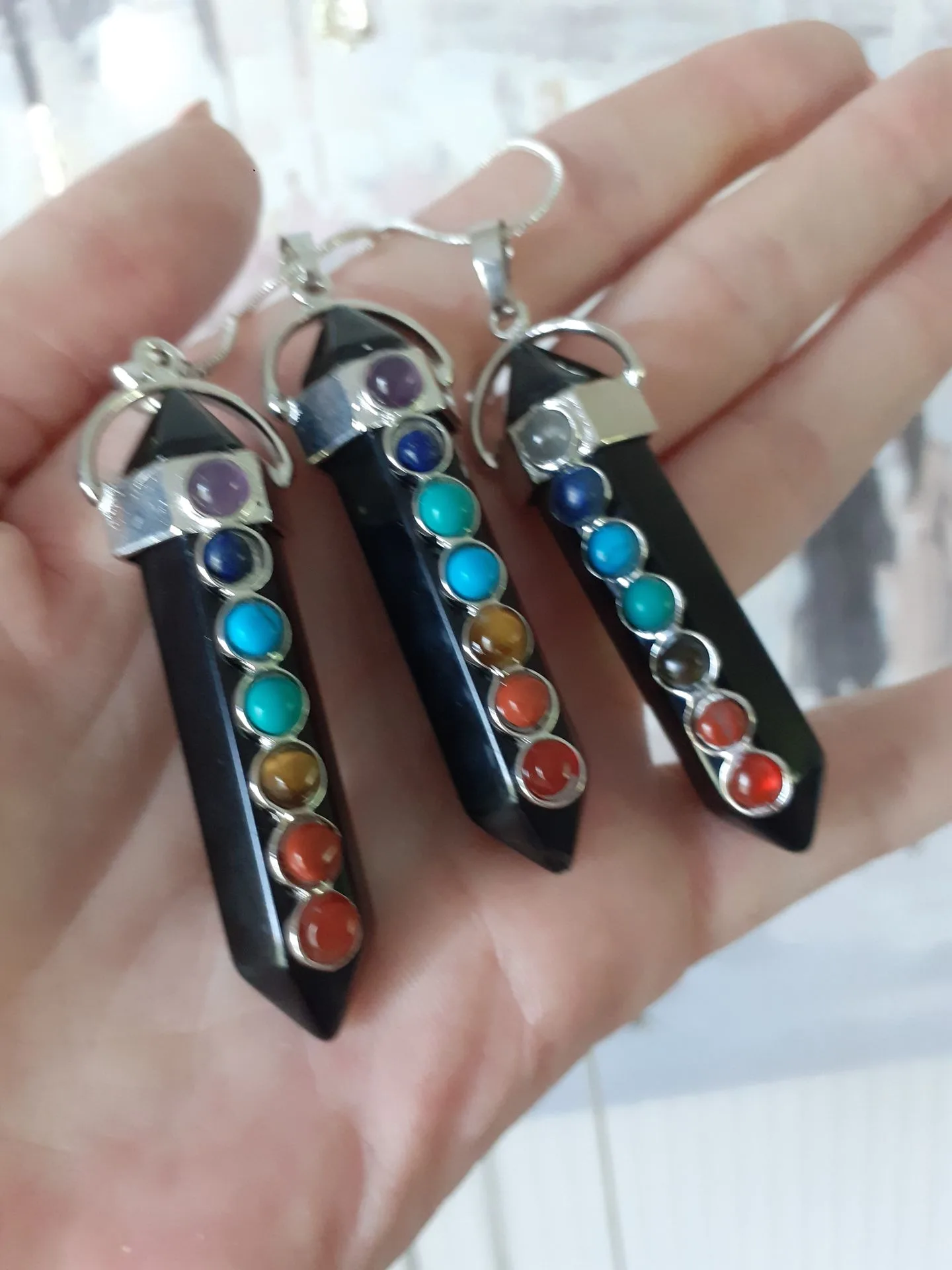
Before you start cleaning, it's important to know what your bracelet is made of. Most gemstone bracelets feature natural stones strung on elastic cord or wire, often with metal accents like silver or gold-filled beads. For example, our Black Onyx Hexagonal 7 Chakra Gemstone Pendant is a pendant, but many bracelets include similar stones. The hardness of the stone (measured on the Mohs scale) determines how resistant it is to scratching and water damage. Softer stones like moonstone (6-6.5) require gentler care than harder stones like quartz (7).
Additionally, consider the finish of the beads. Some stones are tumbled and polished, while others may have a matte or rough texture. The elastic cord also plays a role: over time, it can stretch or weaken with exposure to water, heat, and chemicals. Knowing these details helps you choose the right cleaning method and avoid common pitfalls.
- Check if your bracelet has a metal clasp or is strung on elastic; both require different care.
- Identify the gemstone hardness to determine if water-safe cleaning is appropriate.
- Note any coatings or treatments (e.g., dye, oil) that may require special attention.
Gentle Cleaning Methods for Crystal Bracelets
The safest way to clean most gemstone bracelets is with lukewarm water and a mild soap. Fill a small bowl with lukewarm water and add a drop of gentle dish soap or baby shampoo. Dip a soft cloth or a baby toothbrush into the soapy water and gently scrub each bead, paying attention to the crevices. Avoid soaking the bracelet for more than a few minutes, as prolonged exposure can weaken the elastic and damage porous stones.
For bracelets with stones that are sensitive to water, such as selenite or turquoise, use a dry or slightly damp cloth instead. You can also use a soft, dry microfiber cloth to buff the beads after cleaning to restore their shine. For a deeper energetic cleanse, you can smudge your bracelet with sage or place it on a selenite charging plate—these methods don't involve water and are perfect for delicate stones.
- Always test a small, inconspicuous area first to ensure the stone is water-safe.
- Never use harsh chemicals, ultrasonic cleaners, or steam cleaners on gemstone bracelets.
- Dry your bracelet thoroughly with a soft cloth before storing to prevent moisture damage.
Drying and Polishing Your Bracelet
After cleaning, it's crucial to dry your bracelet properly. Gently pat it with a soft, lint-free cloth to remove excess water. Avoid rubbing too hard, as this can scratch softer stones. For added shine, you can use a jewelry polishing cloth designed for gemstones—these are usually treated with a mild polish that won't damage the stones.
If your bracelet has metal accents, such as a silver clasp, you may want to polish those separately with a metal polishing cloth. Be careful not to get polish on the stones, as it can leave a residue. Allow the bracelet to air dry completely on a towel for at least a few hours before wearing or storing it. This ensures that no moisture is trapped inside the beads, which could cause mold or weaken the cord.
- Use a separate cloth for metal parts to avoid transferring polish to the stones.
- Lay the bracelet flat to dry, rather than hanging it, to prevent stretching.
- For extra shine, buff each bead with a soft cloth in a circular motion.
Proper Storage to Prevent Damage
How you store your gemstone bracelets is just as important as how you clean them. To prevent scratches, tangling, and exposure to harsh elements, store each bracelet separately in a soft pouch or a jewelry box with individual compartments. If you don't have a pouch, you can wrap the bracelet in a soft cloth or tissue paper.
Keep your bracelets away from direct sunlight, which can fade some stones, and away from extreme temperatures and humidity. A cool, dry place is ideal. Also, avoid storing your bracelets in the bathroom, where moisture and heat from showers can damage the elastic and the stones. For bracelets with delicate stones like moonstone or opal, consider adding a small silica gel packet to absorb any excess moisture.
- Store bracelets flat to maintain their shape and prevent cord stretching.
- Keep different bracelets separated to avoid scratches from harder stones.
- Avoid hanging bracelets on hooks or doorknobs, as this can stretch the elastic.
Maintaining Elastic and Metal Components
The elastic cord in your bracelet will eventually wear out, especially if you wear it daily. To extend its life, avoid pulling or stretching the bracelet when putting it on or taking it off. Instead, roll it gently over your hand. If you notice the elastic becoming loose or frayed, it's time to restring the bracelet. You can either do it yourself with a beading cord or take it to a professional jeweler.
Metal components, such as clasps or spacer beads, can tarnish over time. To keep them looking bright, wipe them with a soft cloth after wearing to remove oils and sweat. For sterling silver parts, use a silver polishing cloth. Avoid exposing your bracelet to water, perfumes, lotions, and household chemicals, as these can accelerate tarnishing and degrade the metal.
- Check your bracelet's elastic regularly for signs of wear, like stretching or fraying.
- Remove your bracelet before swimming, showering, or doing household chores.
- Apply lotions and perfumes before putting on your bracelet to minimize chemical exposure.
Energetic Cleansing and Charging
In addition to physical cleaning, gemstone bracelets benefit from energetic cleansing to remove any negative energies they may have absorbed. There are several methods you can use: smudging with sage or palo santo, placing the bracelet on a selenite charging plate, or burying it in the earth for 24 hours. Moonlight charging, especially during a full moon, is also a popular and gentle method.
When you cleanse your bracelet energetically, you also recharge its metaphysical properties. For example, a Rhodonite Bead Bracelet used for emotional healing can be charged under the moonlight to amplify its loving energy. Always set an intention during the charging process, such as "I cleanse this bracelet of all negative energy and recharge it with love and positivity." This simple practice keeps your crystal jewelry attuned to your needs.
- Smudging is safe for all gemstones and doesn't involve water.
- Selenite charging plates are ideal for delicate stones that can't be soaked.
- Moonlight charging is gentle and effective for most crystals.
Caring for your gemstone bracelets is a rewarding practice that ensures they remain beautiful and energetically vibrant. By following these tips on cleaning, drying, storing, and maintaining your bracelets, you can enjoy their benefits for years. Remember to handle them with love and intention, just as you would any cherished possession. For a wide selection of high-quality gemstone bracelets that are easy to care for, explore our collection, including the popular Moonstone Gemstone Chip Bracelet and the Rhodolite Bead Bracelet, and find your perfect companion.