If you’ve invested in a quality matcha set, you already know that the ritual of preparing matcha is as much about the tools as the tea itself. The bamboo whisk, or chasen, is the heart of the ceremony—its delicate tines whip the vibrant green powder into a smooth, frothy brew. But without proper care, your whisk can quickly become bent, moldy, or brittle. The same goes for your matcha bowl and scoop. In this guide, we’ll walk you through the best practices for cleaning and caring for your matcha tools so they stay beautiful and functional for years to come.
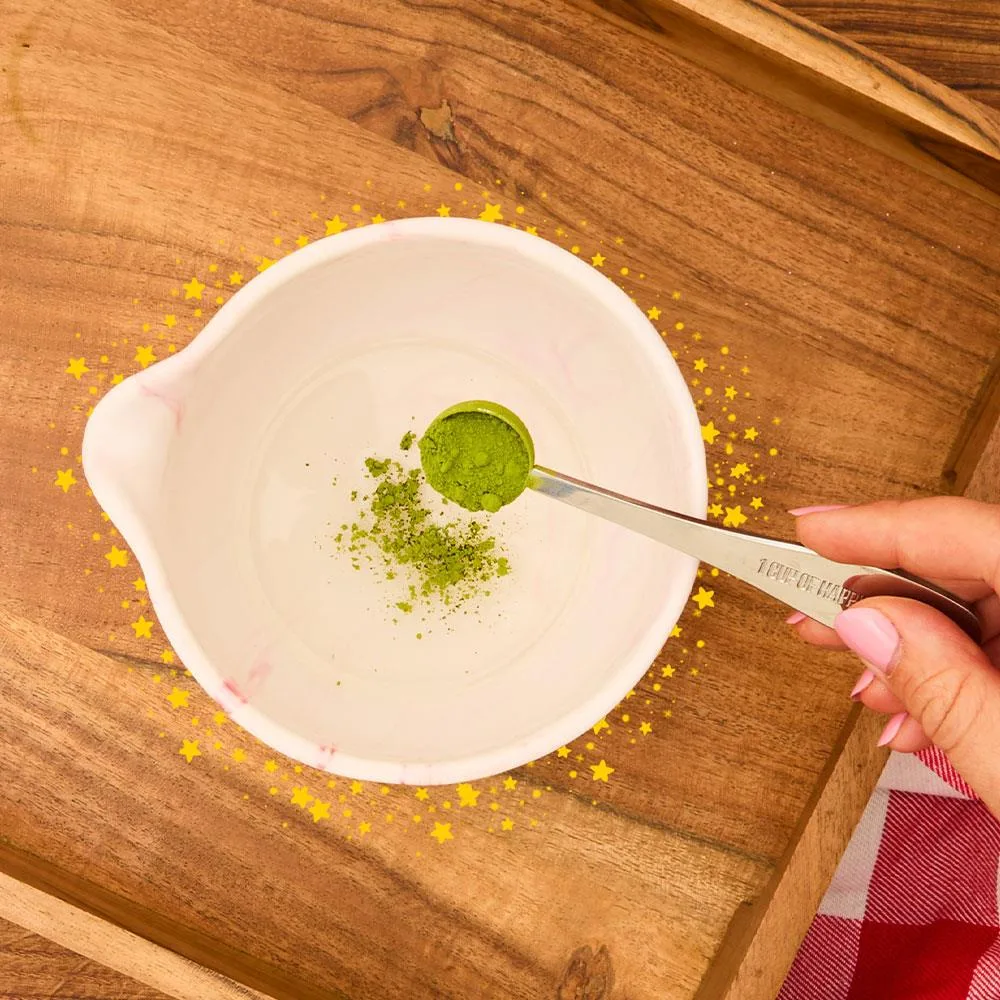
matcha bowl
Whether you’re a seasoned matcha enthusiast or just starting your journey, knowing how to maintain your equipment is key to enjoying the perfect bowl every time. We’ll cover everything from daily rinsing to deep cleaning, storage tips, and what to avoid. Plus, we’ll highlight a few of our favorite products that make the whole experience even more delightful—like the Perfectly Pink Matcha Blend and the Perfect Matcha Mug, which are perfect companions for your newly cared-for tools.
Why Proper Matcha Tool Care Matters
Your bamboo whisk is handcrafted from a single piece of bamboo, with dozens of fine tines that are surprisingly delicate. If you leave matcha residue to dry on the tines, it can harden and cause them to crack or break. Similarly, a damp whisk stored in a closed space can develop mildew, ruining the bamboo and imparting an unpleasant odor to your tea. By taking a few minutes after each use to clean your tools properly, you’ll protect your investment and ensure every bowl tastes as fresh as the first.
Beyond hygiene, proper care preserves the aesthetic and tactile pleasure of using natural materials. Bamboo develops a beautiful patina over time, but only if it’s kept clean and dry. A well-maintained whisk will also whisk more efficiently, creating a finer foam. For those who enjoy experimenting with different matcha flavors, like the vibrant Perfectly Pink Matcha Blend, a clean whisk ensures no cross-contamination between blends.
- Prevents mold and bacterial growth
- Extends the life of your bamboo whisk (chasen)
- Maintains optimal whisking performance
- Preserves the natural beauty of bamboo and ceramic
How to Clean Your Matcha Whisk (Chasen) Step by Step
Cleaning a bamboo whisk is simpler than you might think. The golden rule is to never use soap—bamboo is porous and will absorb the detergent, ruining the taste of your tea. Instead, immediately after whisking, rinse the whisk under warm (not hot) running water. Gently swish the tines in the water to remove any matcha residue. Avoid rubbing the tines together or pressing them against the sink, as this can cause bending or breakage.
Once rinsed, gently shake off excess water and place the whisk on a soft cloth or paper towel. Let it air dry completely before storing. Some enthusiasts recommend using a whisk holder (kusenaoshi) to maintain the tines’ shape while drying. If you don’t have one, simply lay the whisk flat with the tines pointing upward. Never store the whisk in a drawer or container while still damp, as this invites mold.
- Rinse immediately after use with warm water only
- Do not use soap or detergent
- Shake off excess water gently
- Air dry completely on a soft cloth or whisk holder
- Store in a dry, well-ventilated area
Caring for Your Matcha Bowl and Scoop
Your matcha bowl (chawan) and scoop (chashaku) also need regular attention. For ceramic bowls, a simple rinse with warm water and a soft sponge is sufficient. Avoid abrasive scrubbers that can scratch the glaze. If you’re using a bowl with a textured interior (often preferred for whisking), be sure to gently clean those grooves. For stubborn stains, a paste of baking soda and water can be used sparingly, but rinse thoroughly. The Perfect Matcha Mug is a great alternative for daily use—it’s designed with a wide base that mimics a traditional bowl and is easy to clean.
Bamboo scoops should be wiped clean with a damp cloth after each use. Like the whisk, never submerge them in water or use soap, as the bamboo can warp or crack. Let them air dry before storing. If you notice any rough edges or splinters, you can gently sand them with fine-grit sandpaper. With proper care, your scoop will develop a lovely warm patina over time.
- Rinse ceramic bowls with warm water and a soft sponge
- Avoid soap on bamboo scoops—wipe with a damp cloth only
- Use baking soda paste for stubborn stains on bowls
- Dry all tools thoroughly before storing
- Store scoops in a dry place away from direct sunlight
Common Mistakes to Avoid
Even experienced matcha drinkers can make mistakes that shorten the life of their tools. One common error is soaking the whisk in water—this can cause the bamboo to swell and the tines to lose their shape. Another is using hot water to rinse the whisk; hot water can soften the bamboo and make it more prone to damage. Always use warm or cool water. Also, avoid storing your whisk in the refrigerator or freezer, as temperature fluctuations can cause cracking.
Another mistake is neglecting to dry the whisk thoroughly before putting it away. If you must store it in a container, make sure the whisk is bone dry and the container has ventilation holes. Some people also forget to clean the matcha bowl’s rim, where residue can accumulate. Finally, don’t use your matcha tools for other purposes—the whisk is designed only for matcha, and using it for other powders or liquids can damage the tines and affect flavor.
- Never soak the whisk in water
- Avoid hot water for rinsing bamboo
- Do not store in airtight containers while damp
- Keep tools separate from other kitchen utensils
- Don’t use the whisk for anything other than matcha
When to Replace Your Matcha Whisk
With proper care, a good bamboo whisk can last anywhere from three to six months of daily use. However, signs of wear include bent or broken tines, a musty smell that won’t go away, or visible mold. If the whisk no longer produces a smooth foam, it may be time for a replacement. Some tea enthusiasts keep two or three whisks on rotation to extend their lifespan. When you do replace, consider pairing your new whisk with a fresh batch of matcha, like the Perfectly Pink Matcha Blend, to start the cycle anew.
If you notice that your whisk’s tines are splaying too wide or losing their springiness, you can try reshaping them by gently pressing them back into form while damp. But this is a temporary fix. Ultimately, a worn whisk is a natural part of the matcha journey—each one tells a story of countless bowls shared. When you recycle your old whisk, consider using it as a garden stake or compost it if it’s untreated bamboo.
- Replace every 3-6 months with daily use
- Look for broken tines, mold, or loss of spring
- Rotate between two whisks to extend life
- Repurpose old whisks in the garden or compost
Caring for your matcha tools is a simple yet rewarding practice that deepens your connection to the tea ceremony. By following these tips, you’ll keep your whisk, bowl, and scoop in excellent condition, ensuring every bowl of matcha is as delightful as the last. Ready to elevate your matcha experience? Explore our Perfectly Pink Matcha Blend for a beautifully balanced, naturally sweet matcha that’s perfect for your daily ritual.