Quick Answer
To clean a pacifier case, start with a daily rinse under warm water and mild soap, then air dry. For a deeper clean, wash it in the dishwasher or boil it weekly, depending on the material. Always check the manufacturer's instructions to avoid damage.
A pacifier case is a small but mighty accessory that keeps your baby's pacifiers clean and within reach. But to do its job well, the case itself needs regular cleaning. Dirt, saliva, and milk residue can build up, turning a hygiene helper into a germ magnet. Fortunately, caring for a pacifier case is quick and simple—once you know the right steps.
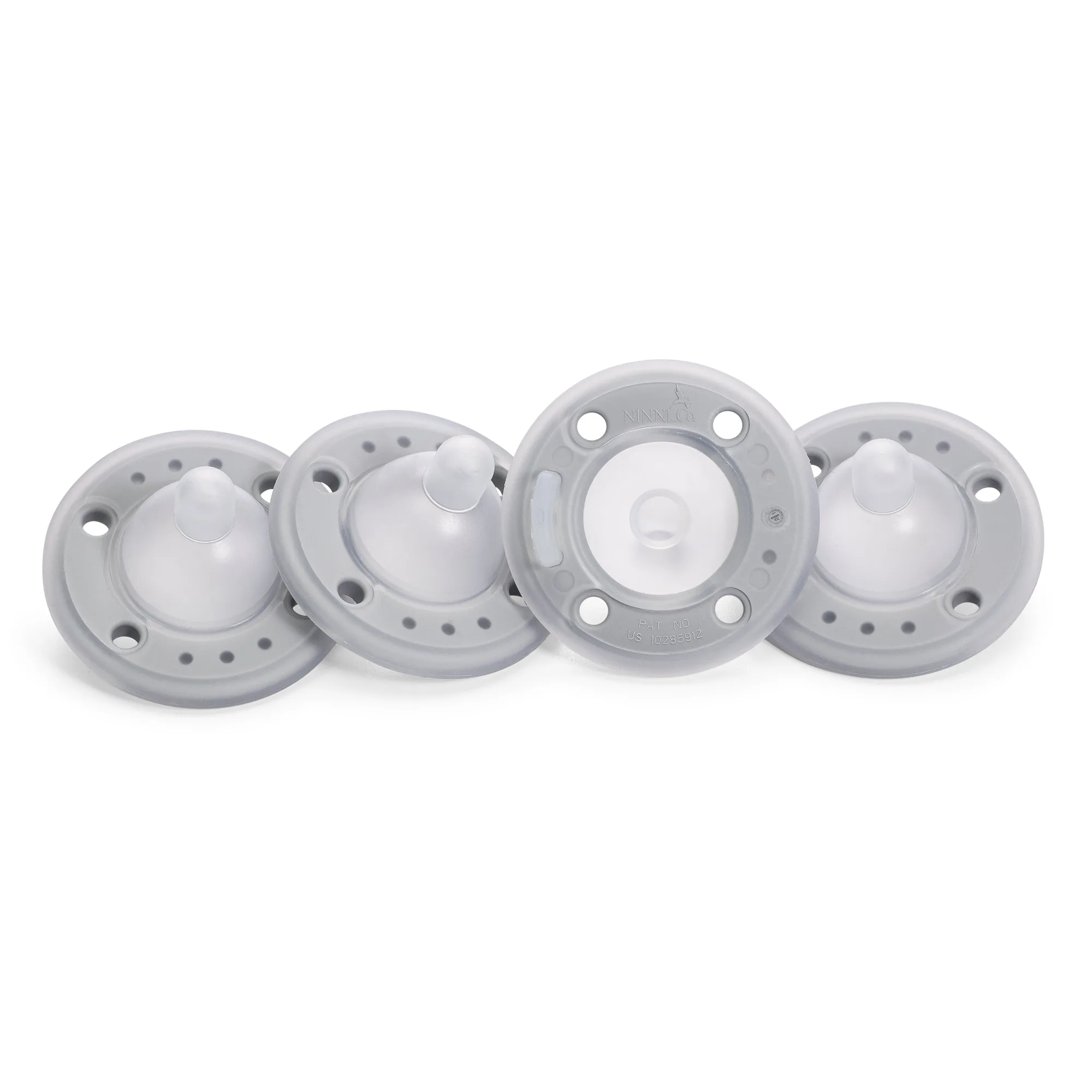
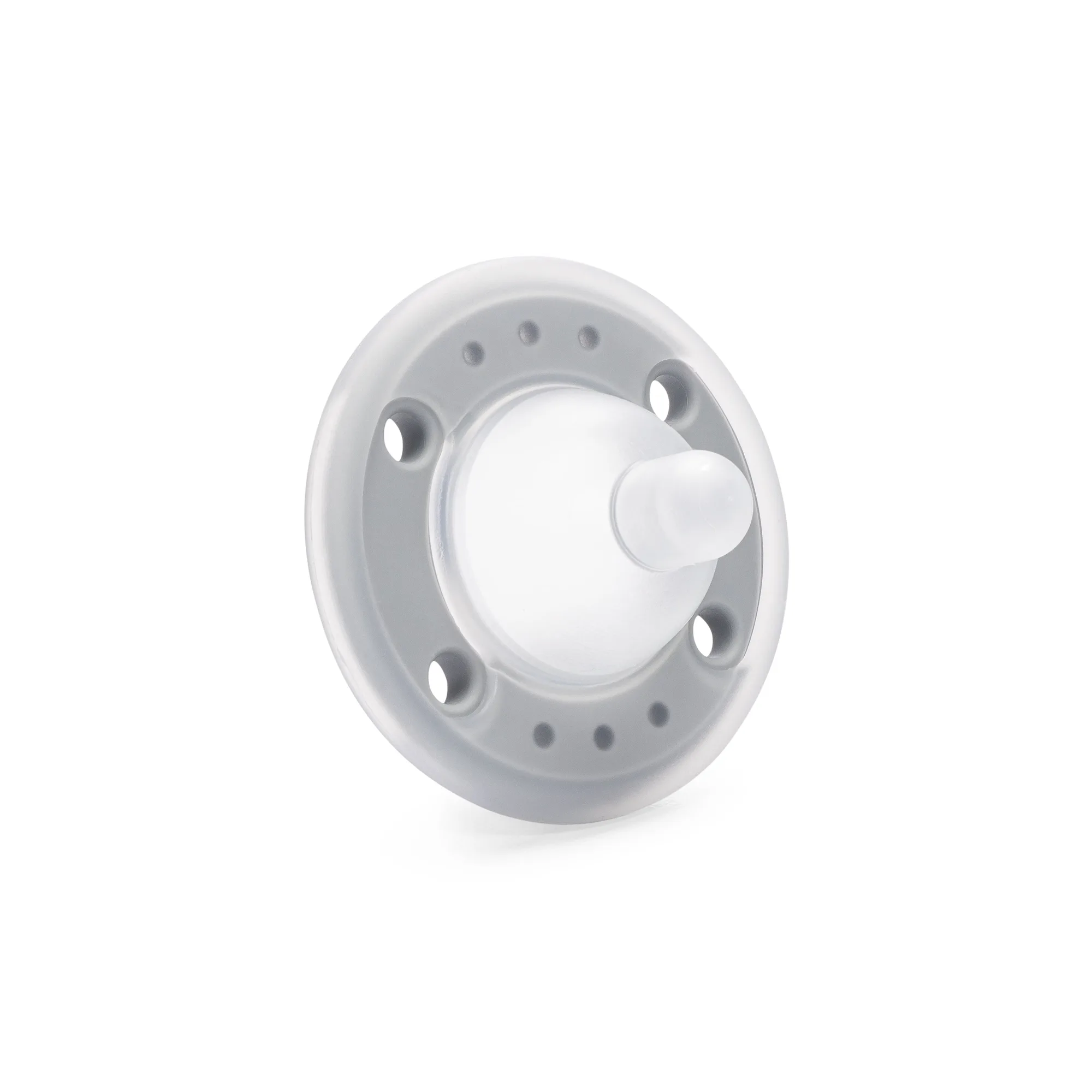
This guide walks you through the day-to-day and deep-cleaning routines for a typical silicone pacifier case, like the Ninni Co. Pacifier Case. You'll also learn what to avoid, so your case stays in great shape for the long haul.
Why Regular Cleaning Matters
Babies explore the world with their mouths, and anything that touches their pacifiers eventually ends up in their mouths. A pacifier case that sits at the bottom of a diaper bag or on a stroller can collect dust, lint, and bacteria. Regular cleaning prevents this buildup, reducing the risk of your baby coming into contact with harmful germs.
Beyond hygiene, proper care extends the life of your case. Silicone, while durable, can degrade if exposed to harsh chemicals or high heat repeatedly. By following a consistent cleaning routine, you protect both your baby's health and your investment.
- Clean your pacifier case at least once a day if you use it frequently.
- Always air dry completely before storing to prevent mold and mildew.
Materials Matter: Know Your Case
Most pacifier cases are made of plastic, silicone, or a combination. The Ninni Co. Pacifier Case is crafted from high-quality, BPA-free silicone, which is flexible, durable, and easy to clean. Silicone is non-porous, so it doesn't harbor bacteria as easily as some plastics, but it still needs regular washing.
Before you start cleaning, check if your case has any special instructions. Some cases may have components like zippers or clips that require gentler handling. Knowing your material helps you choose the right cleaning method and avoid common mistakes like using boiling water on a case that isn't heat-safe.
- If your case has a zipper, clean the fabric part gently to avoid damage.
- Avoid abrasive scrubbers that can scratch silicone surfaces.
Daily Cleaning Routine
A quick daily clean is the easiest way to keep your pacifier case fresh. After each use or at the end of the day, rinse the case with warm water and a drop of mild dish soap. Use your fingers or a soft sponge to gently wipe the inside and outside, paying attention to corners where residue can hide.
Rinse thoroughly to remove all soap, then shake off excess water and place the case on a clean drying rack or towel. Let it air dry completely before putting a pacifier inside. Storing a damp case can encourage bacterial growth.
- Use a bottle brush for a thorough clean if needed.
- Never use harsh chemicals or bleach, as they can leave harmful residues.
Deep Cleaning and Sanitizing
Once a week, or whenever your case needs a more thorough clean, you can sanitize it. For silicone cases, boiling is often safe, but always verify the manufacturer's guidelines. To boil, place the case in a pot of boiling water for 2-3 minutes, then remove with tongs and let it cool completely.
Alternatively, many silicone cases are dishwasher safe. Place the case on the top rack and run a normal cycle without heat drying. If you're unsure, hand washing with hot, soapy water is always a safe fallback. The Ninni Co. Pacifier Case, for example, is designed for easy maintenance, but always double-check specific care instructions.
- Boiling is effective but can weaken silicone over time if done too often.
- Dishwasher cleaning is convenient but may not be suitable for all cases.
Step-by-Step Cleaning Guide
- Rinse with warm water: After removing the pacifier, rinse the case under warm running water to dislodge any loose particles. Checkpoint: Make sure the water isn't too hot to avoid warping.
- Wash with mild soap: Apply a drop of mild dish soap to a soft cloth or sponge and gently clean all surfaces, inside and out. Common mistake: Using abrasive scrubbers can scratch silicone.
- Rinse thoroughly: Rinse the case under warm water until no soap residue remains. Checkpoint: Soap residue can affect taste and harbor bacteria.
- Air dry completely: Shake off excess water and place the case on a clean towel or drying rack. Allow it to air dry fully before storing. Common mistake: Putting a pacifier in a damp case can promote mold growth.
- Sanitize weekly: Once a week, sanitize the case by boiling it for 2-3 minutes or running it through the dishwasher on the top rack. Checkpoint: Always verify that your case is heat-safe before boiling.
Product Spotlight
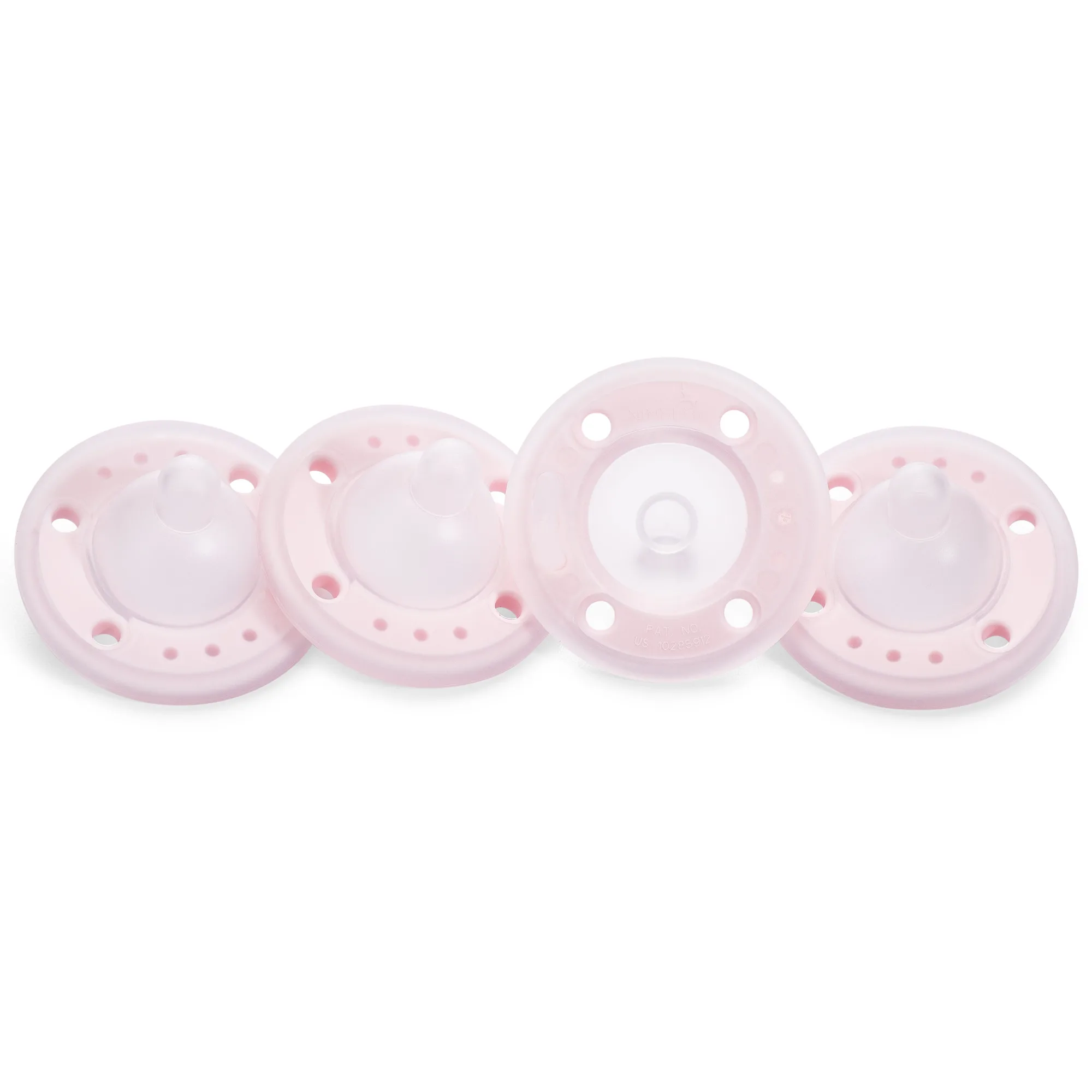
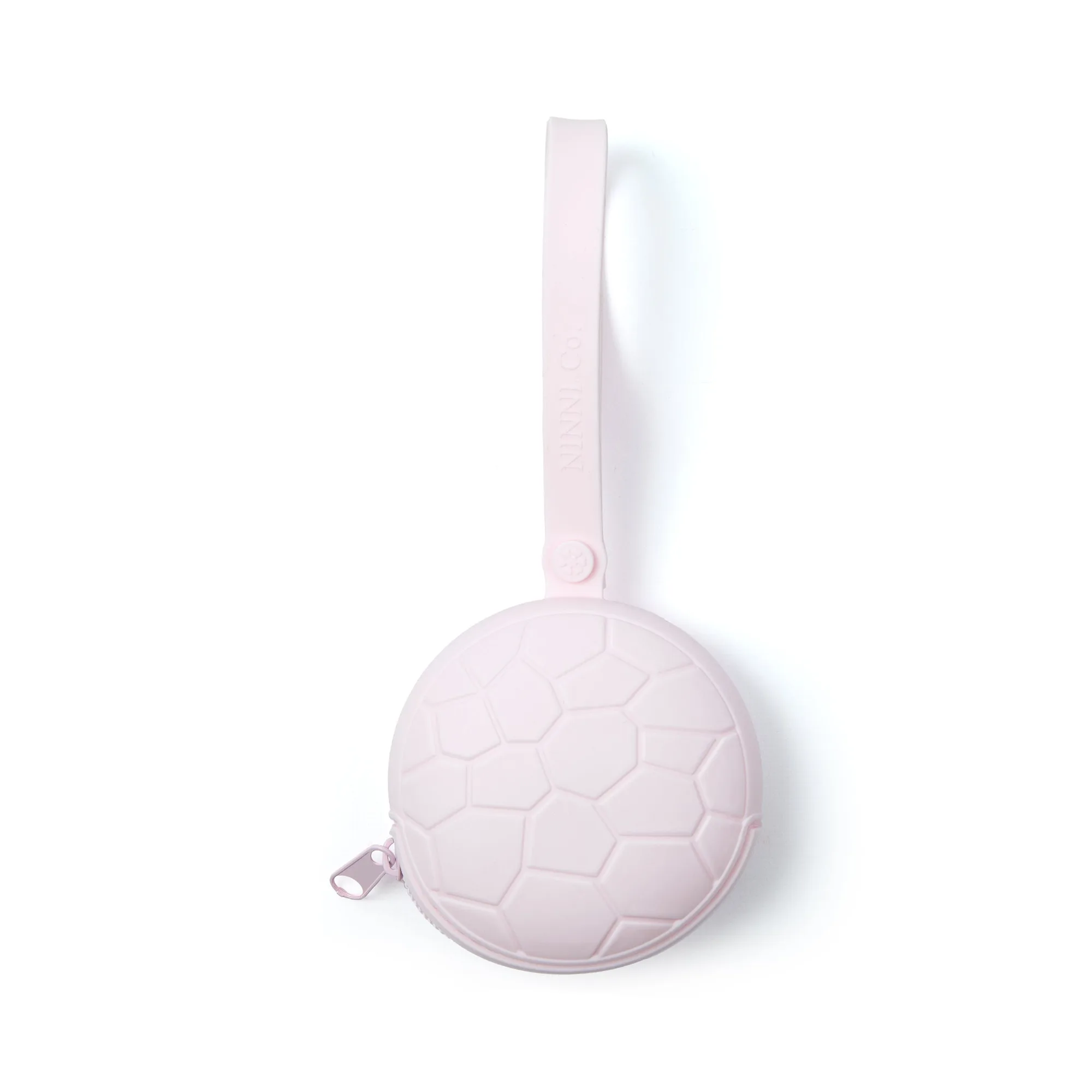
- Pacifier Case - Rosewater: This rosewater colored case is crafted from high-quality, BPA-free silicone, offering both durability and easy maintenance. Featuring a secure zipper closure, it ensures your pacifiers remain safe from dirt and loss. BPA-free silicone is non-porous and easy to clean, making it a hygienic choice for daily use. The secure zipper also keeps pacifiers protected when you're on the go.
Regular cleaning of your pacifier case is a small habit that pays off in big ways—keeping your baby's pacifiers clean and ready when needed. With these simple steps, you can maintain a hygienic case that lasts. For a durable and easy-to-clean option, consider the Ninni Co. Pacifier Case in Rosewater, designed with busy parents in mind.