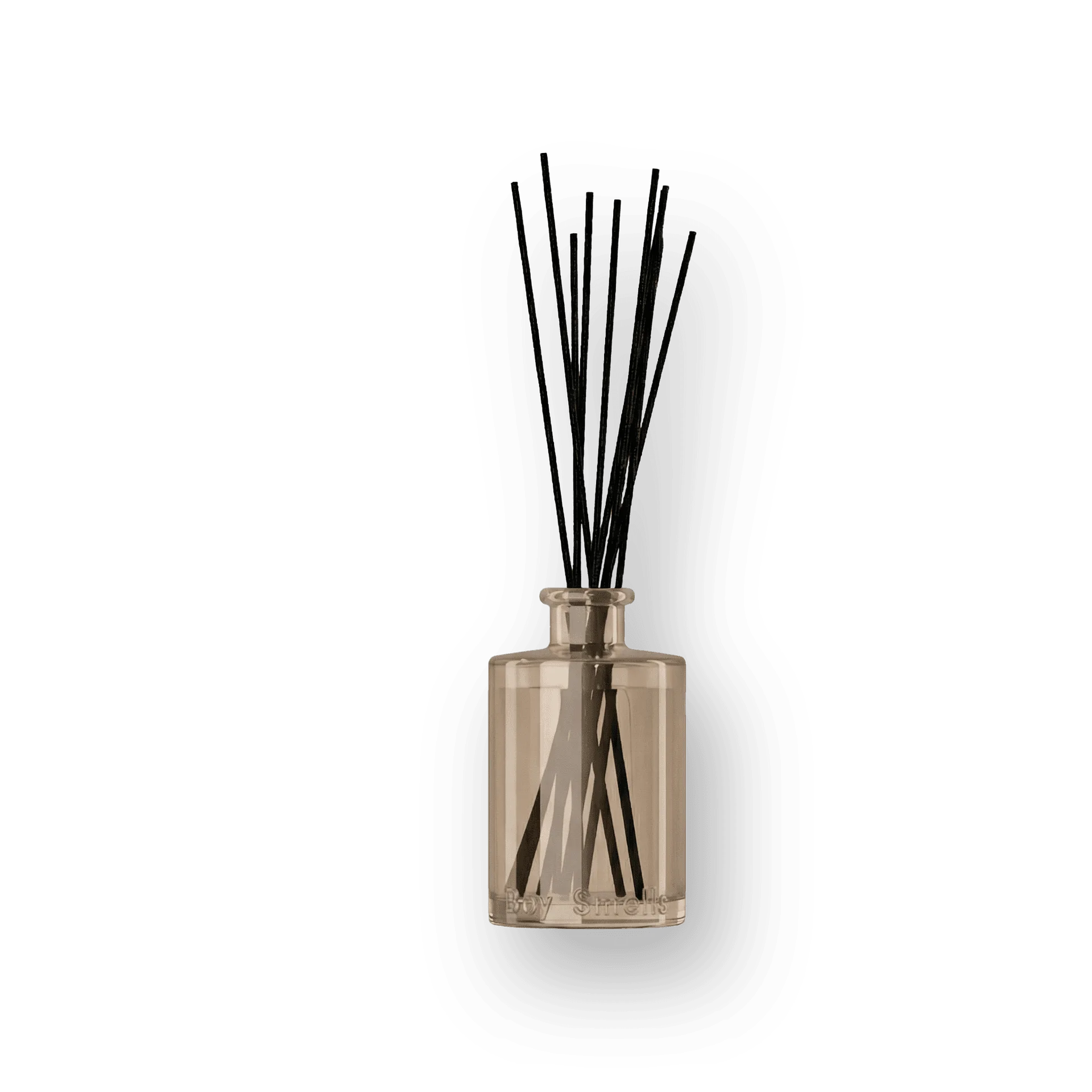
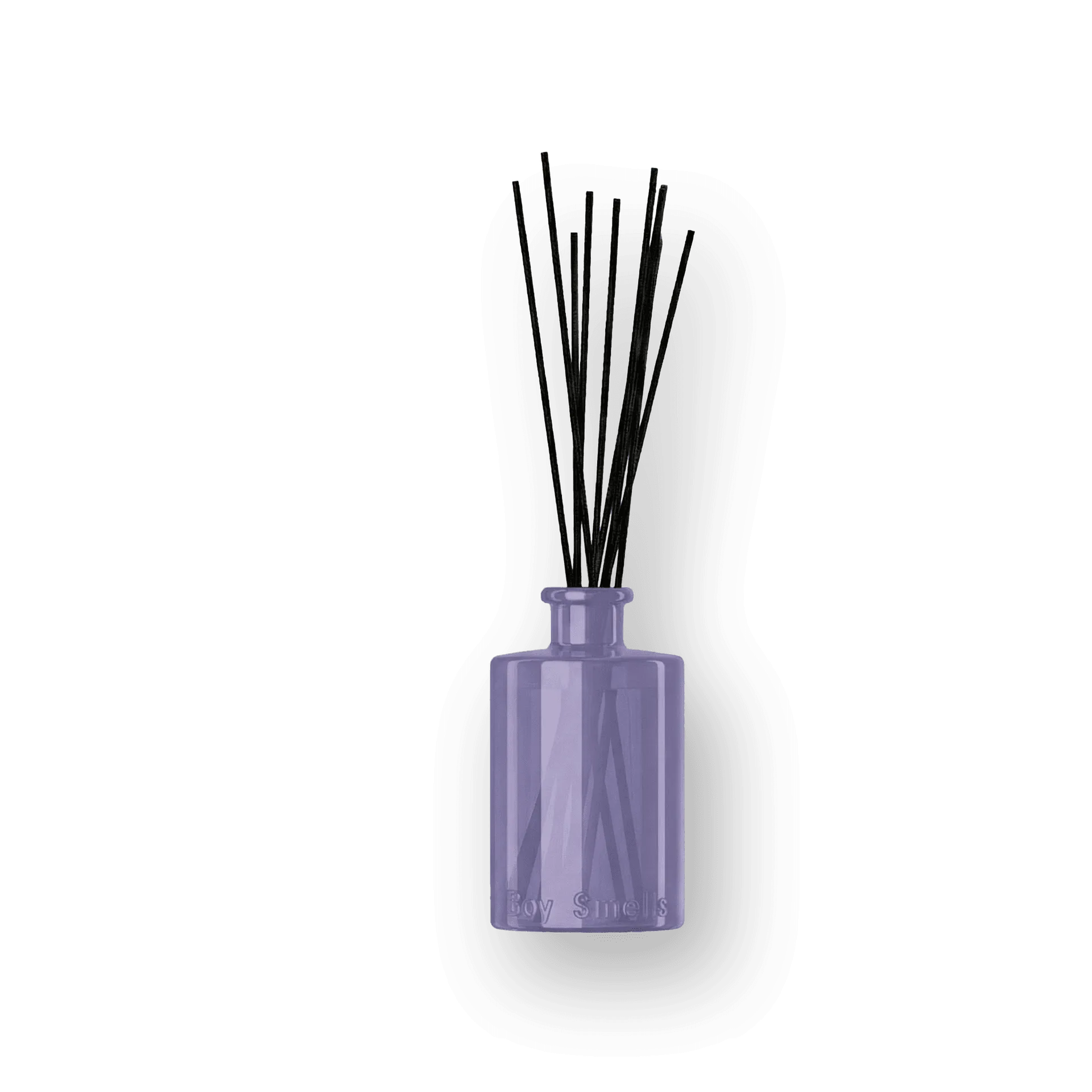
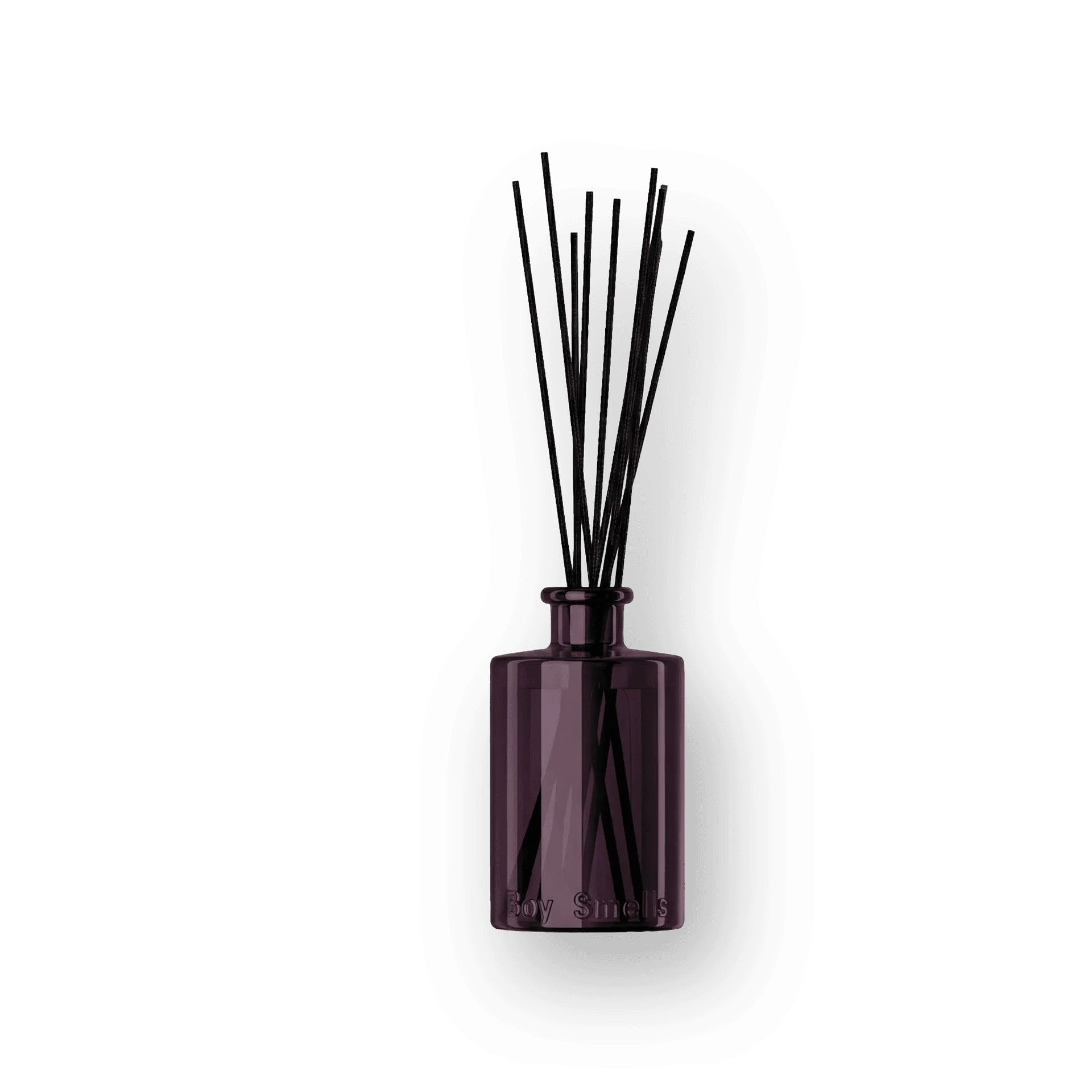
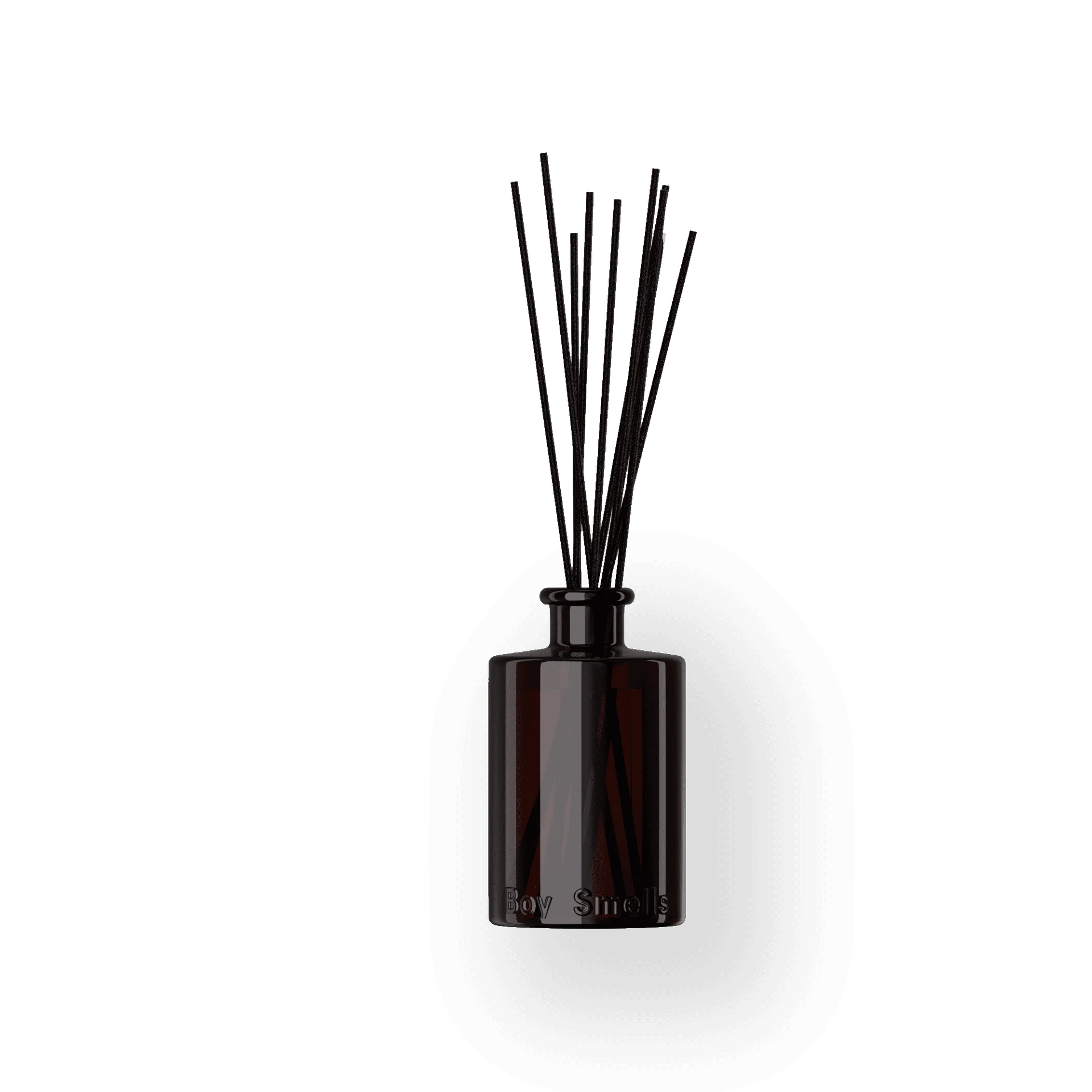
Reed diffusers are one of the most low-maintenance ways to fill a room with fragrance, but even they need a little attention now and then. Over time, the natural rattan reeds can become clogged with dust, oil residue, or dried fragrance, which reduces their ability to wick and release scent. A few simple cleaning and care habits can keep your diffuser performing at its best for weeks longer.
Whether you’re new to home fragrance or a seasoned collector, understanding reed diffuser maintenance helps you get the most out of every bottle. In this guide, we’ll cover when to flip your reeds, how to clean them properly, and what to avoid so your Boy Smells reed diffuser stays fresh and effective.
Why Reed Diffuser Maintenance Matters
Reed diffusers work by capillary action: the porous reeds draw fragrance oil up from the bottle and release it into the air. Over time, dust settles on the exposed reeds, and the oil itself can thicken or oxidize, forming a film that slows down the wicking process. This is why you might notice the scent fades after a few weeks even though there’s still plenty of oil left in the bottle.
Regular care—like flipping the reeds and occasionally cleaning them—removes that buildup and restores the oil’s ability to travel up the sticks. It’s a small effort that can extend the life of your diffuser by several weeks and keep the scent throw consistent.
- Dust and oil residue clog reed pores, reducing fragrance release.
- Flipping reeds refreshes the exposed surface and revives scent throw.
- Cleaning reeds can help you use every last drop of oil without waste.
When to Flip Your Reed Diffuser Sticks
Flipping the reeds is the single most effective way to keep your diffuser performing well. When you flip them, the dry, oil-free end goes into the bottle and the saturated end becomes exposed to the air, giving an immediate boost in fragrance intensity. But flipping too often can cause the oil to evaporate too quickly, shortening the overall life of the diffuser.
A good rule of thumb is to flip the reeds once a week for the first month, then every two weeks after that. If you notice the scent has become very faint, flipping can bring it back to life. For a more subtle, continuous scent, you can flip less frequently—every 10 to 14 days works well. Just be sure to place a paper towel or coaster under the bottle when flipping to catch any drips.
- Flip reeds once a week initially, then every 10–14 days.
- Place a paper towel under the bottle to catch drips during flipping.
- Avoid flipping more than once a week to prevent rapid oil evaporation.
How to Clean Reed Diffuser Sticks
If your diffuser has been sitting for a while or you’ve noticed the reeds look dusty or feel sticky, it’s time for a deeper clean. Start by removing the reeds from the bottle and laying them on a paper towel. Rinse them under warm running water, gently rubbing each stick with your fingers to remove any oil residue or dust. Avoid using soap or detergent, as leftover chemicals can mix with the fragrance oil and alter the scent.
After rinsing, pat the reeds dry with a clean cloth and let them air-dry completely for a few hours—moisture can dilute the oil and cause mold. Once dry, return the reeds to the bottle. If the reeds are very old or have become brittle, it’s better to replace them entirely rather than clean them. Most diffuser refill kits include new reeds, or you can purchase replacement rattan sticks separately.
- Rinse reeds with warm water only—no soap or detergent.
- Let reeds air-dry completely before returning them to the oil.
- Replace reeds if they become brittle, cracked, or heavily clogged.
Tips to Extend the Life of Your Reed Diffuser
Beyond cleaning and flipping, a few simple habits can help your diffuser last longer. Keep the bottle away from direct sunlight, heating vents, and air conditioning drafts—temperature fluctuations cause the oil to evaporate faster and can degrade the fragrance. Also, avoid placing the diffuser in high-traffic areas where it might get knocked over or where dust accumulates quickly.
If you want to slow down the fragrance release (for example, in a small room), use fewer reeds. Most Boy Smells reed diffusers come with a bundle of reeds, but you can start with half of them and add more later for a stronger throw. Conversely, if the scent is too faint, adding one or two extra reeds (if you have spares) can boost intensity without flipping.
- Place diffuser away from sunlight, heat, and drafts.
- Use fewer reeds for a subtler scent in small spaces.
- Add extra reeds to boost fragrance throw without flipping.
When to Replace Your Reed Diffuser Sticks
Even with the best care, reed diffuser sticks don’t last forever. Over months of use, the pores in the rattan become permanently clogged with oil residue, and the sticks may start to look discolored or feel greasy. If you’ve cleaned and flipped your reeds but the scent still seems weak, it’s a sign that the reeds themselves are spent.
A good rule is to replace the reeds every three to four months, or whenever you refill the oil. Fresh reeds will wick more efficiently and give you a stronger, more consistent scent. If you’re using a Boy Smells reed diffuser, the brand sells replacement reed bundles that are designed to fit their bottles perfectly, ensuring optimal performance.
- Replace reeds every 3–4 months for best performance.
- Discolored or greasy reeds are a sign they need replacing.
- Use brand-specific replacement reeds for a proper fit and wicking.
Taking a few minutes to clean and care for your reed diffuser sticks can make a noticeable difference in how long your fragrance lasts and how well it fills the room. Simple habits like weekly flipping, occasional rinsing, and timely replacement keep your diffuser working efficiently so you can enjoy your favorite scents—like the warm, woody notes of https://boysmellsshop.com/products/hinoki-fant-me-44868HINOKI FANTÔME or the bright citrus of CITRUSH CANDLE—for weeks on end. With a little upkeep, your home fragrance stays as fresh as the day you opened the bottle.

CITRUSH CANDLE