Quick Answer: How to Clean Your Yoga Mat
For daily maintenance, wipe your mat with a diluted vinegar solution or a gentle yoga mat cleaning spray. Deep clean every few weeks depending on usage. Always air dry completely before rolling to prevent mold and odors.
Your yoga mat is your foundation on the mat—it supports every pose, absorbs sweat, and takes a beating from daily practice. Without proper care, it can become a breeding ground for bacteria, lose its grip, and wear out faster than it should. Whether you own a natural cotton mat or a synthetic TPE one, a consistent cleaning routine keeps it hygienic and extends its life.
Different mat materials require different cleaning approaches. Cotton mats, for instance, benefit from gentle hand-washing, while TPE mats need a mild cleaner that won't degrade the material. This guide walks you through the essential steps to clean and care for your yoga mat, so you can practice with confidence and comfort.
Why Regular Cleaning Matters
Every time you practice, your mat collects sweat, oils, dirt, and skin cells. Over time, these residues break down the mat's surface, causing it to become slippery and less supportive. A clean mat not only feels better but also provides better traction, reducing the risk of slipping in poses like Downward Dog or Warrior.
Beyond performance, hygiene is key. Bacteria and fungi thrive in warm, damp environments—exactly what a rolled-up mat after a sweaty session provides. Regular cleaning prevents unpleasant odors and skin irritations, making your practice a healthier experience.
Step-by-Step Mat Cleaning Routine
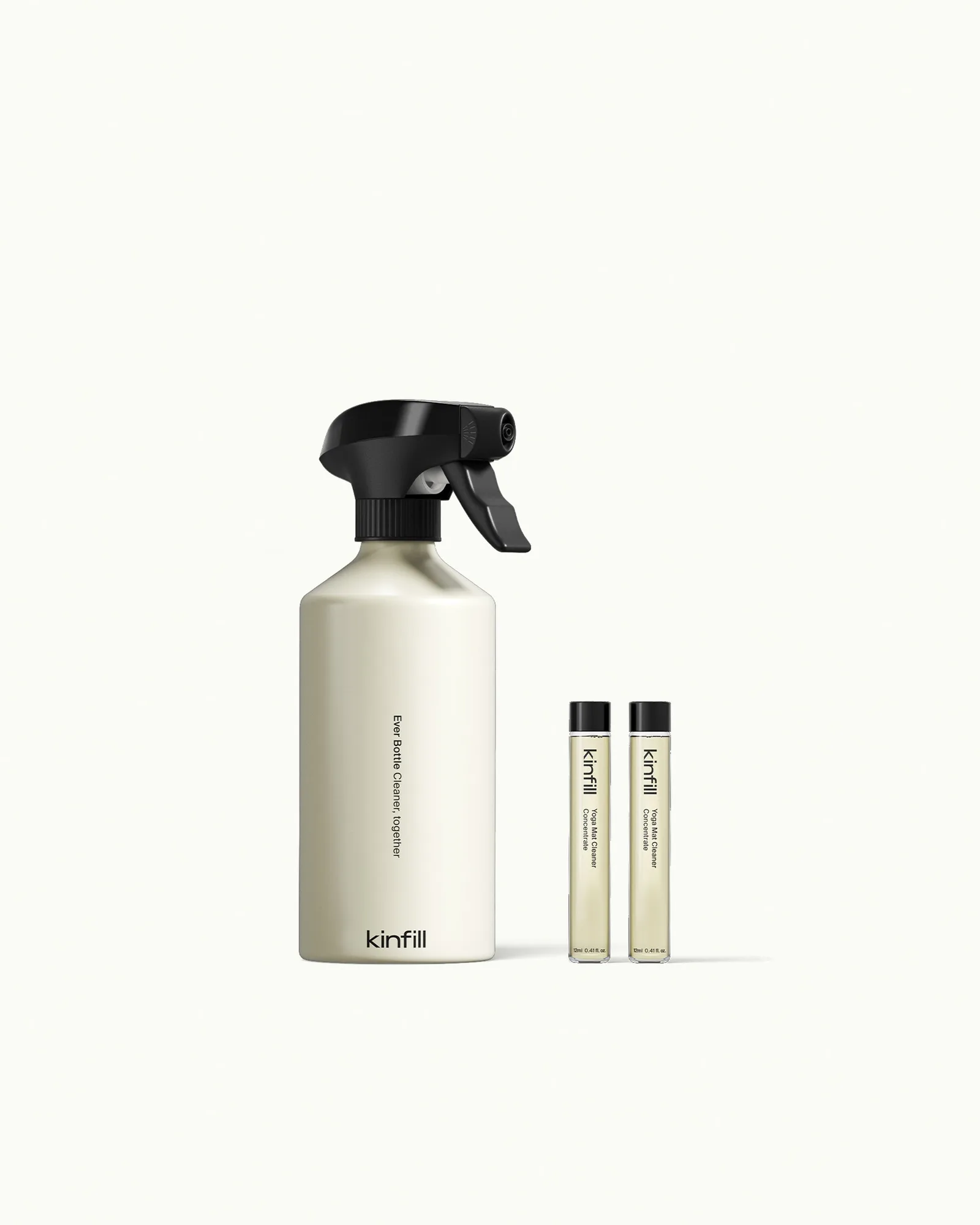
- Step 1: Gather Your Supplies: You'll need a mild cleaning solution—either a store-bought yoga mat cleaning spray or a DIY mix of equal parts water and white vinegar in a spray bottle. Also grab a soft cloth or sponge, and a towel for drying. Common mistake: Using household cleaners with bleach or alcohol. These can dry out or break down the mat material, especially on TPE and cotton mats.
- Step 2: Spot Clean After Each Use: Lightly spray the mat surface with your cleaning solution and wipe it down with a damp cloth. Focus on areas where your hands and feet rest. This quick routine removes sweat and surface dirt before it settles. Checkpoint: If your mat feels sticky or slippery after wiping, you may need a deeper clean or a different solution for your mat type.
- Step 3: Deep Clean Every 2–4 Weeks: Fill a bathtub or large basin with lukewarm water and add a few drops of mild dish soap. Submerge the mat and gently scrub both sides with a soft sponge. Rinse thoroughly with clean water to remove all soap residue. Common mistake: Using hot water or wringing the mat. Hot water can warp the material, and twisting can cause permanent creases or tears. Instead, press out water gently.
- Step 4: Dry and Store Properly: Lay the mat flat on a drying rack or hang it over a shower rod (not in direct sunlight). Let it air dry completely—this can take several hours. Once dry, roll it loosely and store it in a cool, dry place away from heat sources. Checkpoint: Never roll up a damp mat. Trapped moisture leads to mold, mildew, and unpleasant odors. If you're in a hurry, pat it dry with a towel before air drying.
Products That Support Mat Care
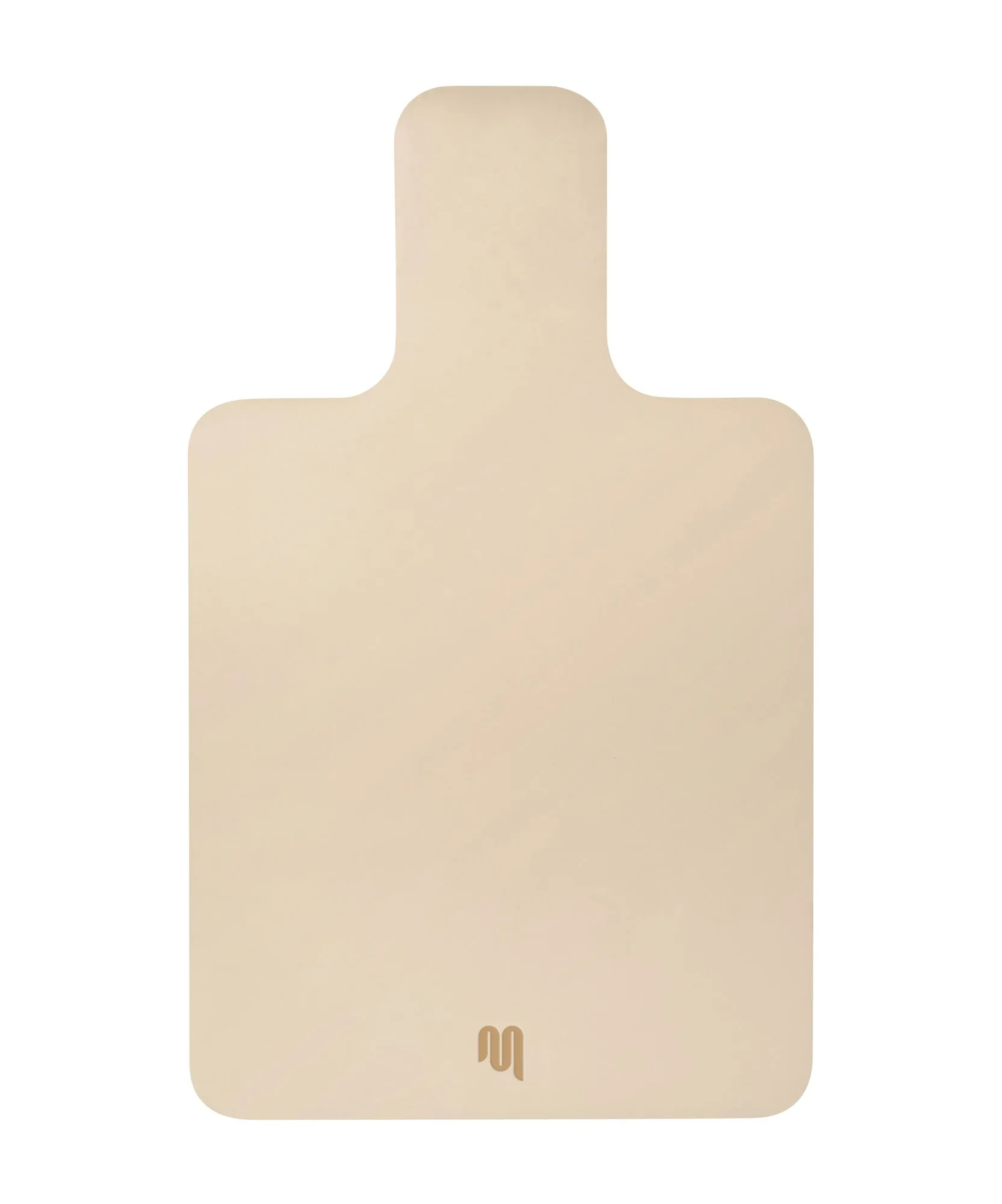
- Cotton Yoga Mat – Eco-Friendly & Anti-Skid - Blue: Hand-woven from premium yarn to provide a natural, skin-friendly surface. Gentle cleaning preserves the natural fibers and prevents damage. Avoid harsh detergents that can strip the mat's anti-skid properties.
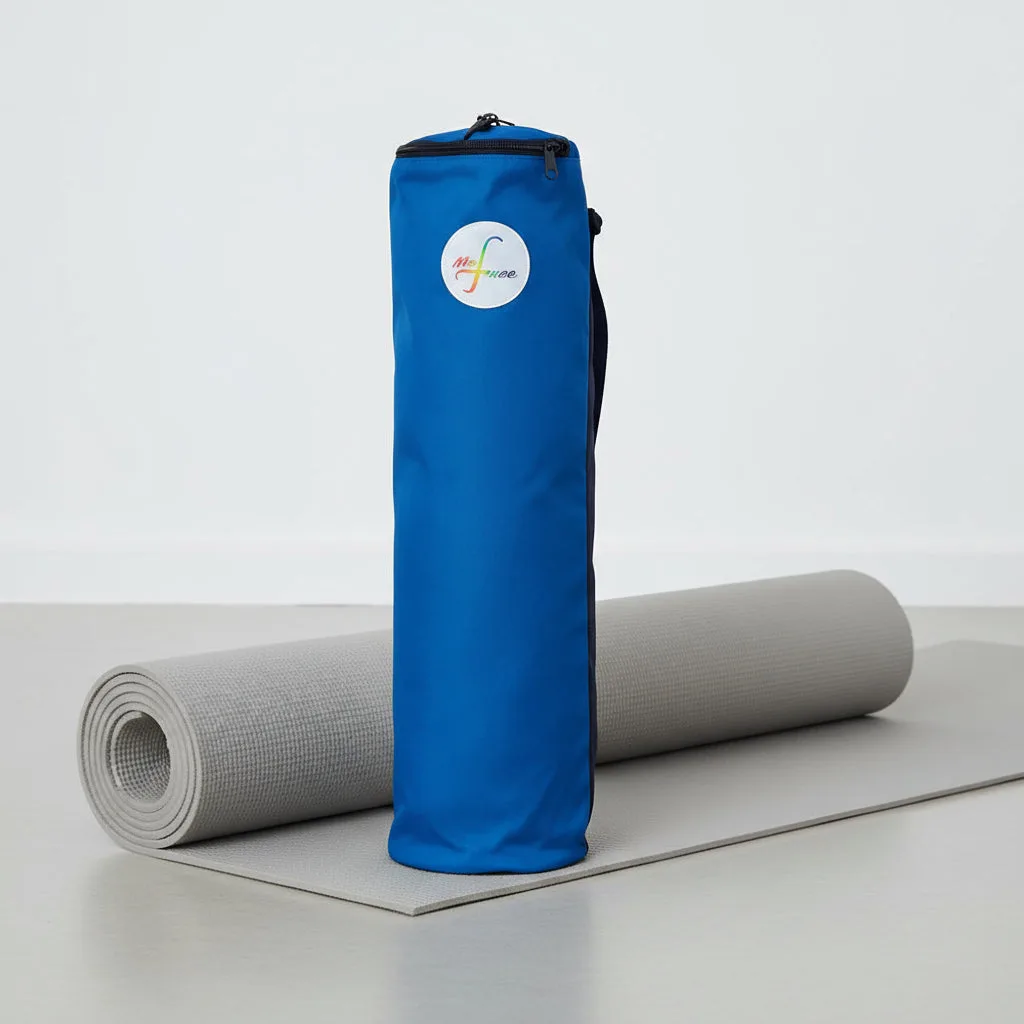
- Yoga Mat Bag - Blue: Designed to keep your mat pristine and your commute effortless, crafted from a durable yet soft cotton-polyester blend. Storing your mat in a breathable bag protects it from dust and wear during transport, reducing the frequency of deep cleans.
Caring for your yoga mat doesn't have to be complicated. A few minutes after each practice and a deeper clean every few weeks will keep your mat fresh, grippy, and long-lasting. Make it a habit, and your mat will support you through countless sessions to come.