Why Mala Care Goes Beyond Cleaning
An amethyst mala necklace is both a piece of meditation jewelry and a tool for spiritual practice. The 108 beads are used to count mantra repetitions during Japa meditation, and the amethyst itself is believed to carry calming, clarifying energy. Because of this dual role, caring for your mala involves both physical cleaning and energetic recharging — without damaging the beads or the silk cord.
This guide covers what you can safely do based on the product's construction: 8mm amethyst beads, knotted on 100% silk cord, handmade by yogis. It also explains how to refresh the stone's energy in a way that respects the tradition behind the beads.
What the Amethyst Mala Record Confirms
-
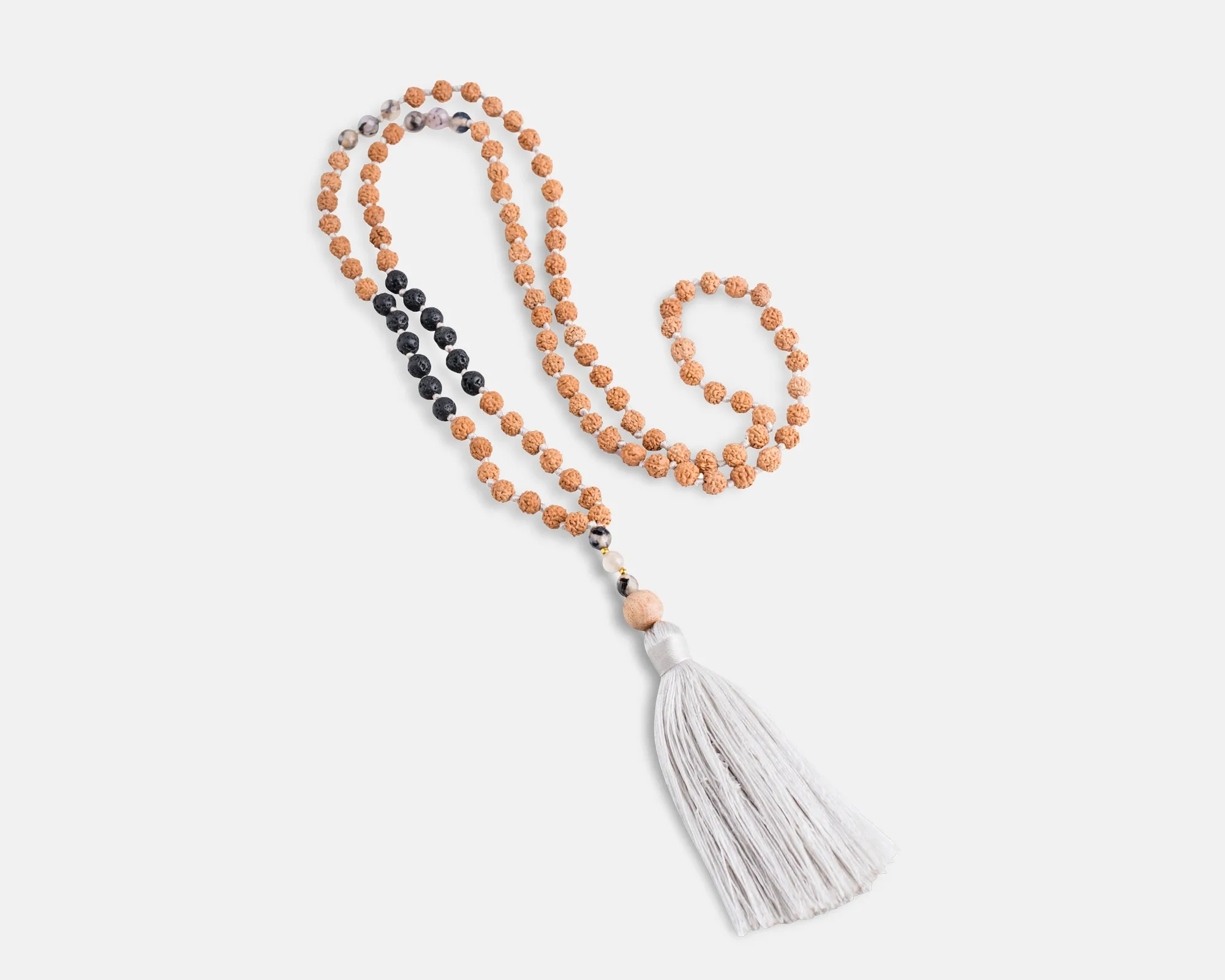
Natural Amethyst Mala Prayer 108 Beads Japa Mala Tassel Necklace: The mala features 108 round, polished amethyst beads (8mm) strung on 100% silk cord, with knots between each bead. Silk cord is delicate and can weaken if wet repeatedly. Knots between beads mean you cannot slide them along the cord for cleaning, and moisture can get trapped inside the knots.

Natural Amethyst Mala Prayer 108 Beads Japa Mala Tassel Necklace
-
Natural Amethyst Mala Prayer 108 Beads Japa Mala Tassel Necklace: The beads are 100% natural amethyst, a violet crystal associated with stability, calmness, and clarity of mind. Natural amethyst is porous and can absorb oils, dirt, and moisture over time. It also responds well to gentle cleansing methods like moonlight or smoke, which do not risk scratching or dulling the polished surface.
-
Natural Amethyst Mala Prayer 108 Beads Japa Mala Tassel Necklace: The mala is handmade and kept sealed in a bag for energetic protection before use. This indicates the maker considered the beads' energetic state important. Regular recharging helps maintain the intention with which the mala was created.
How to Clean the Amethyst Beads Safely
Cleaning a mala is different from cleaning a hard stone pendant. The silk cord and the bead polish require a gentle touch. Follow these steps to remove surface oils and dust without damaging the beads or the cord.
- Prepare a soft, dry cloth: Use a clean, lint-free microfiber cloth. Do not use paper towels or abrasive fabrics — they can scratch the polished amethyst surface.
- Wipe each bead individually: Hold the mala in your non-dominant hand and gently wipe each bead with the cloth. Focus on beads near the tassel or clasp, where oils from your fingers accumulate most.
- Avoid water and soap: Submerging the mala or using soap can weaken the silk knots and leave residue inside the cord. If a bead feels sticky, a slightly damp cloth (barely moist) can be used, but dry the bead immediately afterward.
- Air-dry fully before storing: If you used any moisture, lay the mala flat on a dry towel for at least an hour. Never hang it wet — the weight of the beads can stretch the damp silk cord.
How to Energetically Recharge Your Amethyst Mala
In the Japa tradition, the mala is not just a counting tool — it carries the energy of your practice. Over time, the beads may feel 'heavy' or less vibrant. Recharging restores their clarity without requiring water or chemicals. These methods are traditional and safe for amethyst.
- Moonlight recharge (overnight): Place the mala on a windowsill or outdoor surface where it will receive direct moonlight. A full moon is ideal, but any clear night works. Leave it from dusk until dawn. Amethyst is light-sensitive in direct sun (it can fade), so avoid sunlight for this step.
- Smoke cleanse (sage or palo santo): Light a sage bundle or palo santo stick, let it produce smoke, and pass the mala through the smoke several times. Focus on the tassel and the sumeru bead. This method is quick and does not involve moisture or heat near the cord.
- Sound cleansing (singing bowl or bell): Gently ring a singing bowl or bell near the mala. The sound vibrations are believed to clear stagnant energy. This is a good option if you want to recharge without smoke or moonlight.
What the Record Does Not Settle
The product record does not specify a recommended cleaning frequency or whether the beads are treated with any protective coating. Because of this, it is safest to clean only when you notice visible residue or a change in feel. Similarly, there is no instruction for recharging intervals — many practitioners recharge after each use or once per month. Trust your intuition and the condition of the beads.
If you ever feel the mala needs deeper cleaning, consult a jeweler who works with natural stones and silk cords. Avoid ultrasonic cleaners, steam, or any chemical dip — these can damage both the amethyst and the cord.