If your morning coffee has started tasting bitter, flat, or just off, the culprit is likely mineral buildup inside your drip coffee maker. Over time, hard water deposits, coffee oils, and residue accumulate in the water reservoir, heating element, and internal tubing. This not only affects the flavor of your brew but can also shorten the lifespan of your machine. Descaling your coffee maker regularly is the key to restoring that fresh, rich taste and keeping your appliance running smoothly.
In this guide, we’ll walk you through the entire process of cleaning and descaling a drip coffee maker. You’ll learn why it matters, how often to do it, and which products work best—including specialized coffee maker cleaners that are more effective than DIY vinegar solutions. By the end, you’ll know exactly how to descale your drip coffee maker and enjoy a perfect cup every time.
Why Descaling Your Drip Coffee Maker Matters
Mineral buildup from hard water is the number one enemy of coffee makers. Calcium and magnesium deposits form a white, chalky scale that clogs water lines, reduces water flow, and insulates the heating element, causing it to work harder and potentially overheat. This leads to inconsistent brewing temperatures, longer brew cycles, and a burnt or metallic taste in your coffee. Additionally, old coffee oils and residue can create bitter flavors and even harbor bacteria over time.
Regular descaling not only improves taste but also extends the life of your machine. Most manufacturers recommend descaling every three to six months, depending on water hardness and usage. Using a dedicated coffee maker cleaner—like the Coffee Maker Descaler or Coffee Maker Cleaner—ensures thorough removal of scale without damaging internal components, unlike harsh vinegar or citric acid that can leave behind odors or corrode seals.
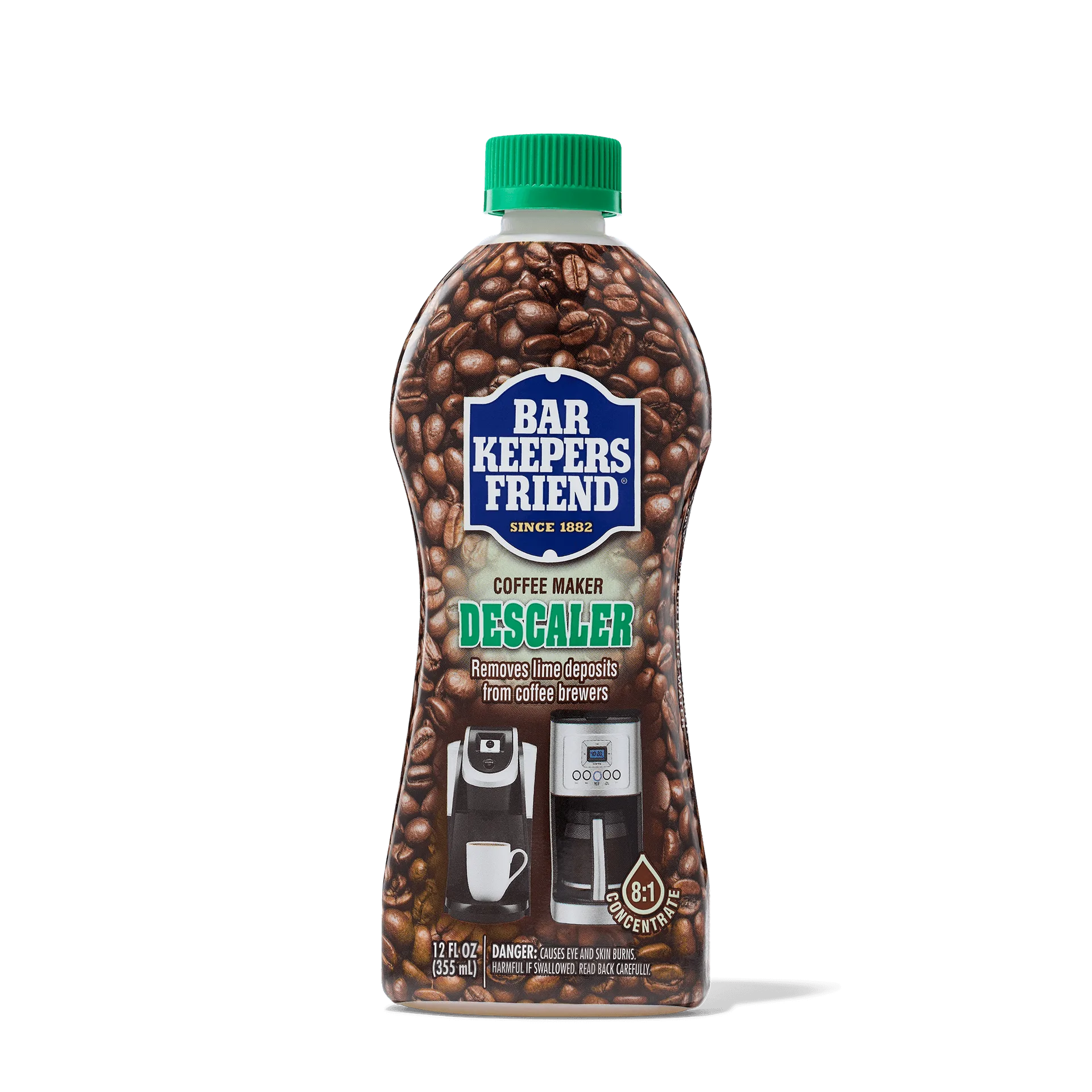
Coffee Maker Descaler
- Improves coffee flavor by removing bitter mineral and oil deposits
- Prevents clogs and ensures consistent water flow during brewing
- Extends the lifespan of your coffee maker by protecting the heating element
Step-by-Step Guide to Descale Your Drip Coffee Maker
Before you begin, gather your supplies: a coffee maker descaling solution (or a DIY alternative if needed), fresh water, a clean cloth, and a pitcher for rinsing. Start by emptying the carafe and removing any paper filters or coffee grounds from the basket. If your machine has a reusable filter, rinse it thoroughly. Then, fill the water reservoir with the descaling solution mixed according to the product instructions—typically a 1:1 ratio of descaler to water.
Run a full brew cycle without coffee grounds. Halfway through, pause the cycle (if your machine allows) and let the solution sit for 15–30 minutes to break down stubborn scale. Then resume and complete the cycle. Discard the solution from the carafe. Next, fill the reservoir with fresh water and run two to three full brew cycles to rinse away any residual cleaner. Wipe down the exterior, warming plate, and carafe with a damp cloth to remove any drips or stains. For a final polish, consider using the Stainless Steel Cleaner & Polish on any stainless steel parts to restore shine.
- Always check your coffee maker’s manual for specific descaling instructions
- Use a dedicated descaling product for best results—avoid vinegar if your machine has aluminum parts
- Run extra rinse cycles if you notice any lingering taste or smell
DIY vs. Commercial Descaling Solutions: What Works Best?
Many home users turn to white vinegar or lemon juice as a cheap descaling alternative. While these can dissolve light scale, they have significant drawbacks. Vinegar’s strong odor can linger in the machine and affect coffee flavor, and its acidity may damage rubber seals or plastic components over time. Lemon juice is slightly milder but still leaves residue. For thorough cleaning without risks, commercial descaling products are formulated specifically for coffee makers.
The Coffee Maker Descaler is a fast-acting, food-safe solution that targets hard water scale without harsh fumes. Similarly, the Coffee Maker Cleaner is designed to remove both mineral deposits and coffee oil buildup in one step. These products are pH-balanced to protect your machine’s internal parts, and they rinse cleanly without leaving aftertaste. Investing in a quality descaler ensures your coffee maker stays in top condition and your brew tastes as intended—every time.
- Commercial descalers are safer for your machine and more effective on heavy scale
- Vinegar can void warranties and damage internal seals in some models
- Always follow the product’s recommended dosage for optimal results
How Often Should You Descale Your Drip Coffee Maker?
The frequency of descaling depends on your water hardness and how much coffee you brew. If you have hard water (common in many areas), scale builds up faster—so descaling every 1–2 months is ideal. For soft water, every 3–6 months is usually sufficient. A good rule of thumb: if your coffee starts tasting bitter, the brew cycle takes longer than usual, or you see visible white deposits in the reservoir, it’s time to descale.
Some modern coffee makers have a descaling indicator light that alerts you when cleaning is needed. If yours doesn’t, keep a simple log of your descaling dates. Regular maintenance also includes daily rinsing of the carafe and filter basket, and monthly cleaning of the water reservoir with mild soap. By pairing routine care with periodic descaling using a dedicated product like the Coffee Maker Descaler, you’ll ensure consistent performance and great-tasting coffee for years.
- Descale more often if you use hard tap water or brew multiple pots daily
- Use filtered water to reduce mineral buildup between descaling sessions
- Mark your calendar as a reminder—set a recurring event every 3 months
Additional Tips for Keeping Your Coffee Maker Clean
Beyond descaling, daily and weekly habits can prevent buildup and maintain freshness. After each use, discard used grounds and rinse the filter basket and carafe with warm water. Once a week, wash removable parts (carafe, lid, filter basket) with mild dish soap and a soft sponge—avoid abrasive cleaners that can scratch surfaces. For stainless steel components, a quick wipe with the Stainless Steel Cleaner & Polish removes fingerprints and restores luster.
Also, consider using a water softener or filtered water in your coffee maker to reduce scale formation. If you notice coffee oil residue inside the carafe, a paste of baking soda and water can gently remove stains. For deep cleaning of the reservoir, a dedicated coffee maker cleaner is the safest option. By combining these simple practices with regular descaling, you’ll extend your machine’s life and enjoy café-quality coffee at home.
- Rinse the carafe and basket immediately after brewing to prevent oil buildup
- Avoid using soap on the water reservoir—it can leave residue
- Wipe the warming plate with a damp cloth to prevent burnt-on stains
Descaling your drip coffee maker is a simple but essential step for better-tasting coffee and a longer-lasting appliance. By using a dedicated product like the Coffee Maker Descaler, you can effectively remove mineral buildup and coffee residue without damaging your machine. Make descaling part of your regular cleaning routine, and you’ll notice the difference in every cup. Explore our selection of coffee maker cleaning products to find the perfect solution for your brew.