If your morning tea or coffee has started tasting a bit off, the culprit might be hiding inside your stainless steel kettle. Mineral deposits from hard water—commonly called limescale—build up over time, affecting both flavor and heating efficiency. Regular cleaning and descaling not only restore taste but also extend the life of your kettle. In this guide, we’ll walk you through how to clean a stainless steel kettle and descale an electric kettle using simple household ingredients and specialized products like Bar Keeper’s Friend.
Whether you use a stovetep whistling kettle or an electric model, the process is straightforward. We’ll cover two main approaches: a gentle daily clean and a deeper descaling treatment. By the end, you’ll know exactly how to remove limescale from a kettle and keep it sparkling inside and out.
Why You Need to Descale Your Kettle Regularly
Limescale is mostly calcium carbonate, which precipitates from hard water when heated. It forms a white, chalky layer on heating elements and interior surfaces. This buildup insulates the water from the heat source, making your kettle take longer to boil and using more energy. Worse, it can flake off into your drink, giving it a gritty texture and metallic taste. For electric kettles, heavy scale can even damage the heating element over time.
How often you need to descale depends on your water hardness. If you see visible white deposits or notice slower boiling, it’s time to act. For most households, a monthly deep clean is sufficient. If you have very hard water, consider descaling every two weeks. Regular maintenance also makes each cleaning easier—scale that’s been sitting for months is much harder to remove.
- Tip: Use filtered or distilled water in your kettle to reduce scale buildup between deep cleans.
How to Clean a Stainless Steel Kettle: Daily Maintenance
For everyday upkeep, you don’t need harsh chemicals. Simply rinse the kettle with warm water after each use and wipe the exterior with a soft cloth. For stubborn water spots or fingerprints on the outside, a dab of Bar Keeper’s Friend Stainless Steel Cleaner & Polish on a damp sponge works wonders. Apply in the direction of the grain, rinse, and buff dry for a streak-free shine.
Inside the kettle, if you notice minor residue, fill it with equal parts water and white vinegar, bring to a boil, and let it sit for 15 minutes. Then rinse thoroughly. This mild acid dissolves light scale without damaging stainless steel. Avoid using bleach or abrasive scrubbers that can scratch the surface.
How to Descale an Electric Kettle: Step-by-Step Deep Clean
For heavy limescale, a stronger approach is needed. Start by unplugging the kettle and letting it cool. Fill it halfway with a 1:1 solution of water and white vinegar (or lemon juice). Bring to a boil, then turn off and let it soak for 30–60 minutes. The acid will react with the scale, loosening it. Pour out the solution and scrub gently with a non-abrasive brush or sponge. Rinse several times with fresh water to remove any vinegar taste.
If scale persists, you can use a dedicated descaler like Bar Keeper’s Friend Coffee Maker Descaler. Follow the product instructions—typically, you mix the powder with water, boil, and soak. This option is especially effective for electric kettles with hidden heating elements, as it reaches all surfaces. After descaling, run two full cycles of plain water to rinse thoroughly.
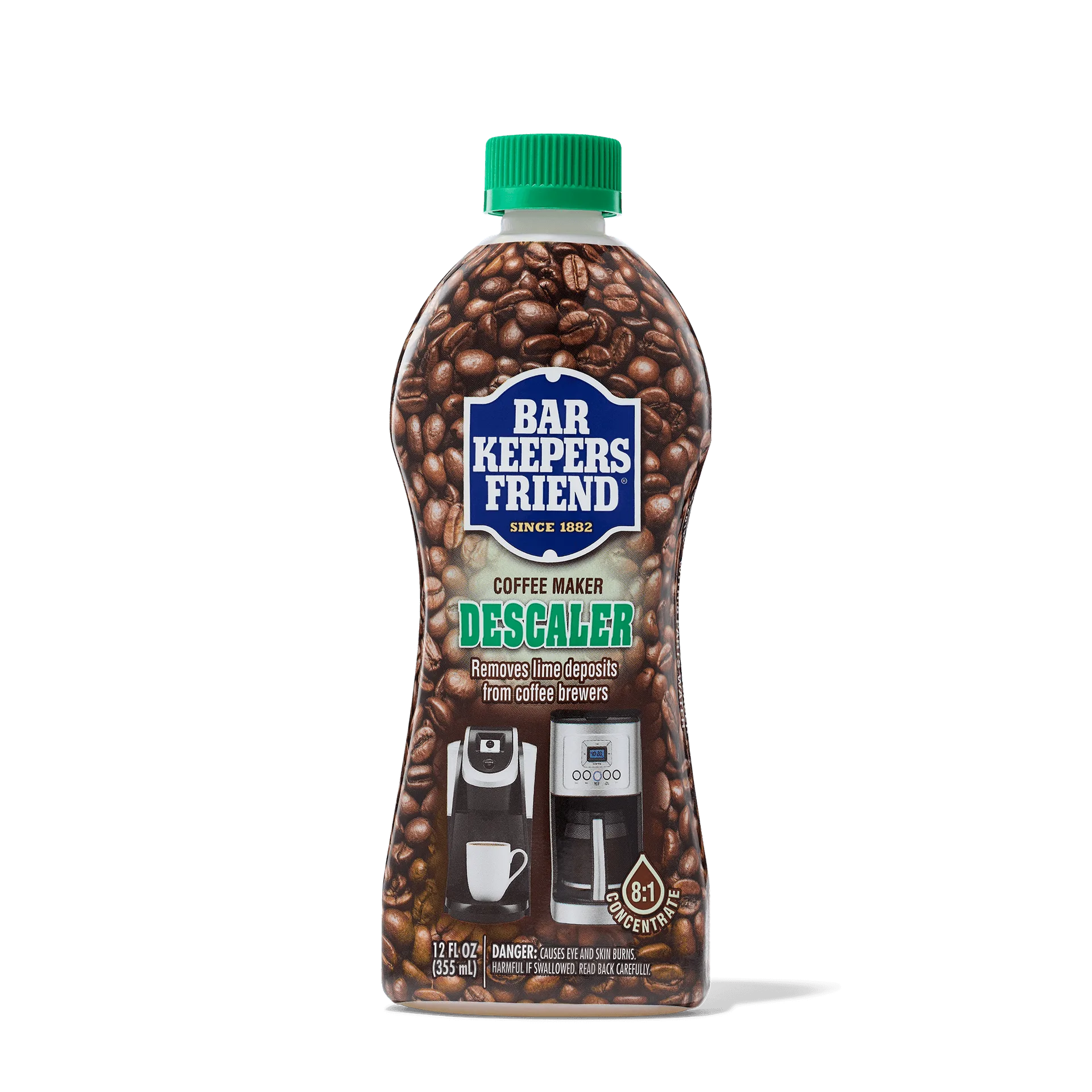
Coffee Maker Descaler
- Safety note: Never immerse the base of an electric kettle in water. Only clean the interior with liquids.
Removing Stubborn Limescale from a Stainless Steel Kettle
For tough, baked-on scale that won’t budge with vinegar, try a paste made from Bar Keeper’s Friend Cleanser and a few drops of water. Apply the paste to a damp sponge and gently scrub the interior surfaces. Avoid using steel wool or metal brushes, as they can scratch the stainless steel and create spots where scale adheres more easily. Rinse thoroughly after scrubbing.
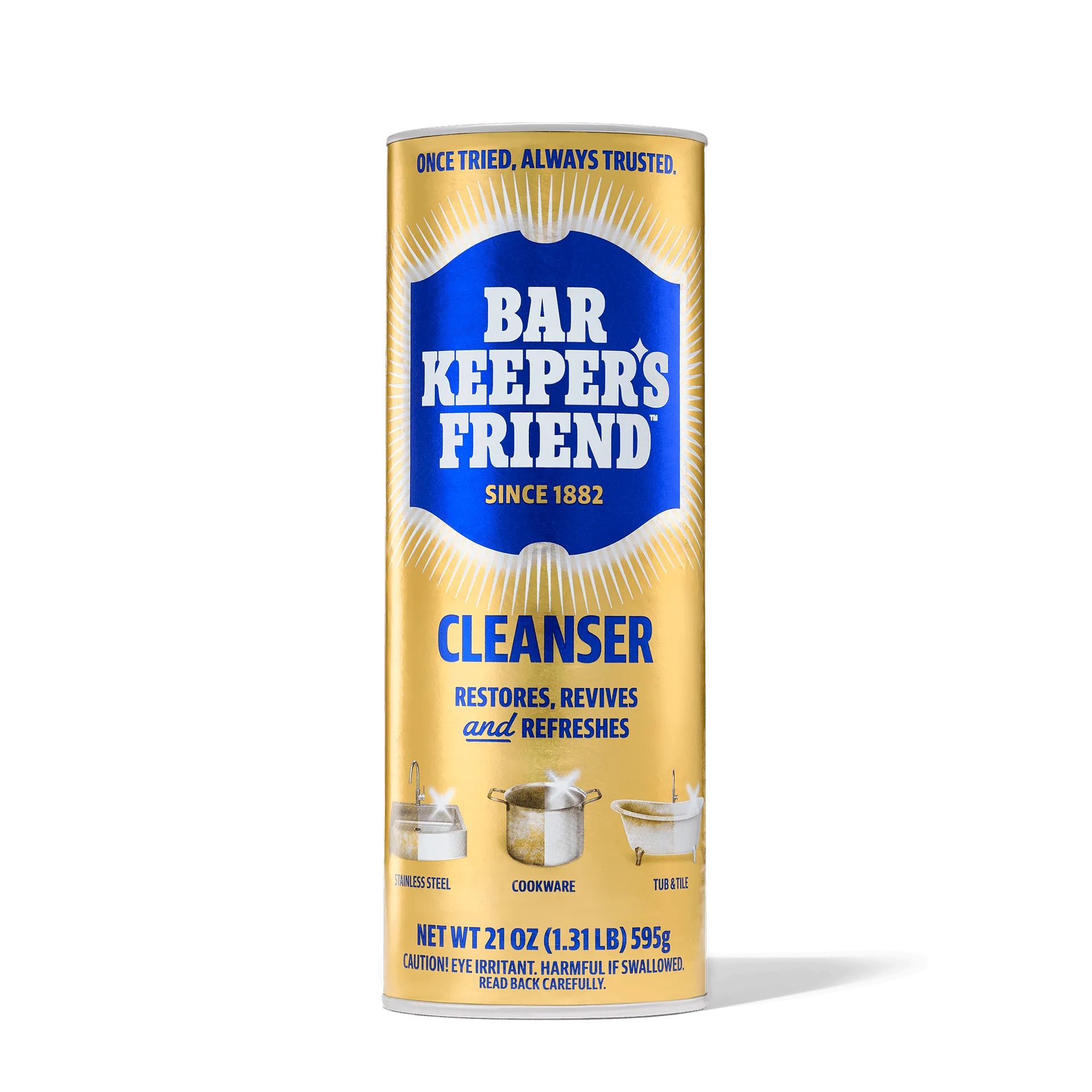
Cleanser
Another trick is to use a citric acid solution (available in powder form). Mix 1–2 tablespoons per liter of water, boil, and soak for an hour. Citric acid is less smelly than vinegar and just as effective. For electric kettles, always check the manufacturer’s instructions before using any descaling method—some models have special coatings that require specific care.
- Pro tip: After descaling, boil a pot of water with a slice of lemon to freshen the kettle and remove any lingering acidic smell.
Preventing Future Buildup: Tips for a Cleaner Kettle
The best way to avoid frequent deep cleans is prevention. Empty your kettle after each use instead of letting water sit overnight. If you have hard water, consider using a water softener or a kettle filter. Some electric kettles come with removable scale filters—clean these regularly with a vinegar soak.
For the exterior, wipe down with a microfiber cloth after each use to prevent water spots. A monthly polish with Bar Keeper’s Friend Stainless Steel Cleaner & Polish keeps the surface looking new and makes future cleaning easier. Remember, a clean kettle not only tastes better but also boils faster and lasts longer.
Regular descaling and cleaning of your stainless steel kettle is simple and rewarding. By using everyday ingredients like vinegar or specialized products like Bar Keeper’s Friend Cleanser and Coffee Maker Descaler, you can easily remove limescale and enjoy better-tasting tea and coffee. Make it a part of your monthly routine, and your kettle will thank you with years of reliable service.