Why Keeping Your Glass Dappen Dish Clean Matters
A glass dappen dish is a multi-purpose tool for mixing acrylic powders, brush cleaners, tip removers, and even gel polish glitter. Over time, residue from dried polish, acrylic liquid, or tint activator can build up, making the dish less effective and harder to see through. Regular cleaning keeps the glass clear and sanitary, so you can accurately mix colors and avoid contamination between uses.
The NYK1 Glass Dappen Dish is made from quality crystal glass, which is sturdy and non-porous. That means it resists stains and odors better than plastic, but dried-on product still needs the right approach to remove without scratching the surface.
How to Remove Dried Polish and Acrylic from a Glass Dappen Dish
For routine cleaning after each use, rinse the dish with warm water and wipe with a lint-free cloth or paper towel. If product has dried on, follow these steps to avoid damaging the glass.
- Soften the residue with acetone or nail polish remover: Pour a small amount of pure acetone or a non-acetone remover into the dish. Let it sit until the dried product softens. Acetone is effective for gel polish, acrylic, and tint residue, but avoid prolonged soaking if the dish has any chips or cracks.
- Gently scrape with a wooden or silicone tool: Use a wooden cuticle pusher, orange stick, or silicone spatula to lift the softened residue. Avoid metal tools that can scratch the glass. The smooth, non-porous surface of the NYK1 Glass Dappen Dish makes this step easier than with plastic dishes.
- Wash with warm soapy water and rinse thoroughly: Use mild dish soap and warm water to remove any remaining acetone or product. Rinse well and dry completely before storing or reusing. This step also removes any oily residue that could affect your next tint or acrylic mix.
Daily Care Tips for Long-Lasting Clarity
To maintain your glass dappen dish between uses, rinse it immediately after each manicure or pedicure session. Dried acrylic powder and tint activator harden quickly, so prompt rinsing prevents stubborn buildup. If you use the dish for brush cleaners or tip removers, a quick wipe with a lint-free cloth after each dip keeps the glass clear.
Store the dish in a clean, dry place away from direct sunlight. While the crystal glass is durable, avoid stacking heavy tools on top of it to prevent chips. A dedicated spot in your nail kit or salon drawer keeps it ready for your next application.
What the NYK1 Glass Dappen Dish Offers for Easy Maintenance
-
NYK1 Glass Dappen Dish: NYK1 Glass Dappen Dish is made from quality crystal glass, which is a sanitary, economical and sturdy mixing dish for various beauty cosmetic applications. The non-porous glass surface resists staining and is easier to clean than plastic, so dried polish and acrylic come off with less scrubbing.
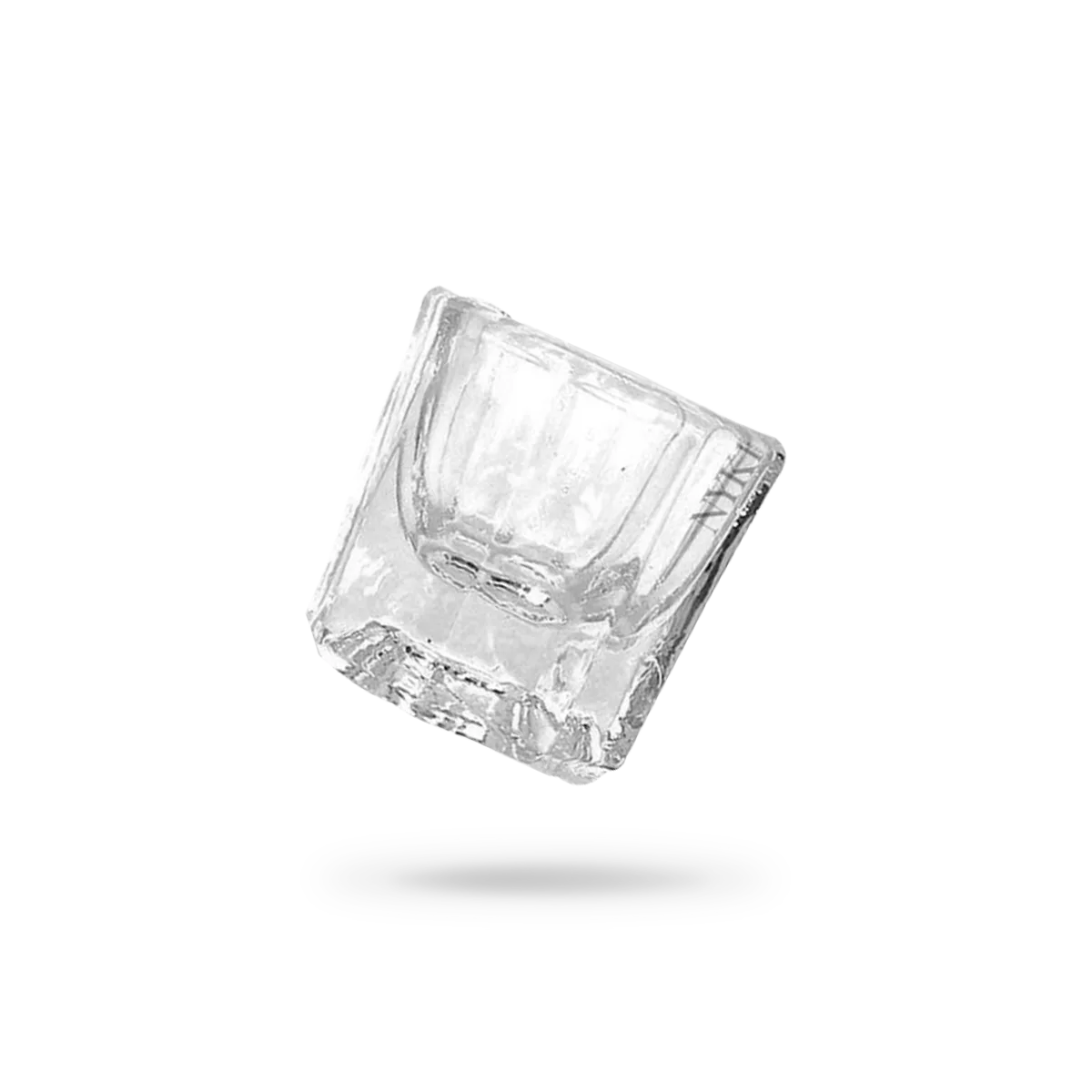
NYK1 Glass Dappen Dish
-
NYK1 Glass Dappen Dish: Multi-purpose glass dappen dish for use with acrylic powders, brush cleaners, tip removers, and tint mixing. Because the same dish handles multiple products, regular cleaning prevents color transfer between different applications, keeping your tints and acrylics accurate.
What to Avoid When Cleaning Your Glass Dappen Dish
Do not use abrasive scrub pads, steel wool, or harsh scouring powders. These can scratch the glass, creating tiny grooves where product can cling and become harder to clean later. Stick to soft cloths, sponges, or silicone brushes.
Avoid soaking the dish in acetone for extended periods (overnight, for example) unless the manufacturer specifies it. While the supplied information does not include a maximum soak time, prolonged exposure to strong solvents can weaken any glass over time, especially if the dish has microscopic chips from regular use.
If you use the dish for tint mixing, rinse it immediately after use. Tint activator can dry quickly and leave a stubborn film. Prompt cleaning keeps the glass clear for your next tint application.