Alessi's stainless steel kitchen tools are celebrated for their timeless Italian design and exceptional durability. From iconic citrus squeezers to elegant espresso makers, these pieces are crafted from high-quality 18/10 stainless steel that can last a lifetime with proper care. However, even the finest stainless steel can develop water spots, fingerprints, or a dull patina over time if not cleaned correctly. Understanding the right techniques for cleaning and maintaining your Alessi stainless steel kitchen tools will preserve their mirror-like finish and ensure they remain a joy to use every day.
citrus
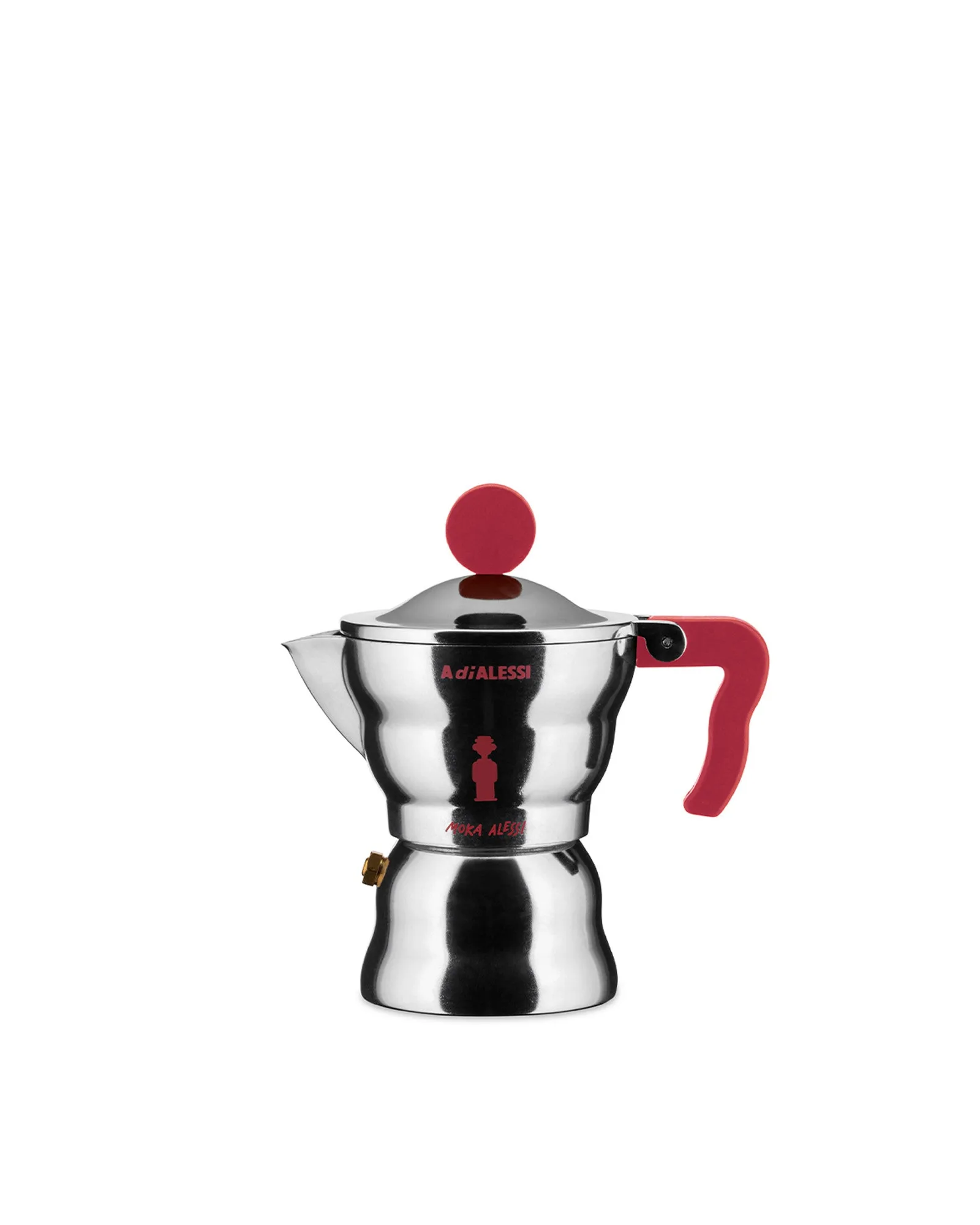
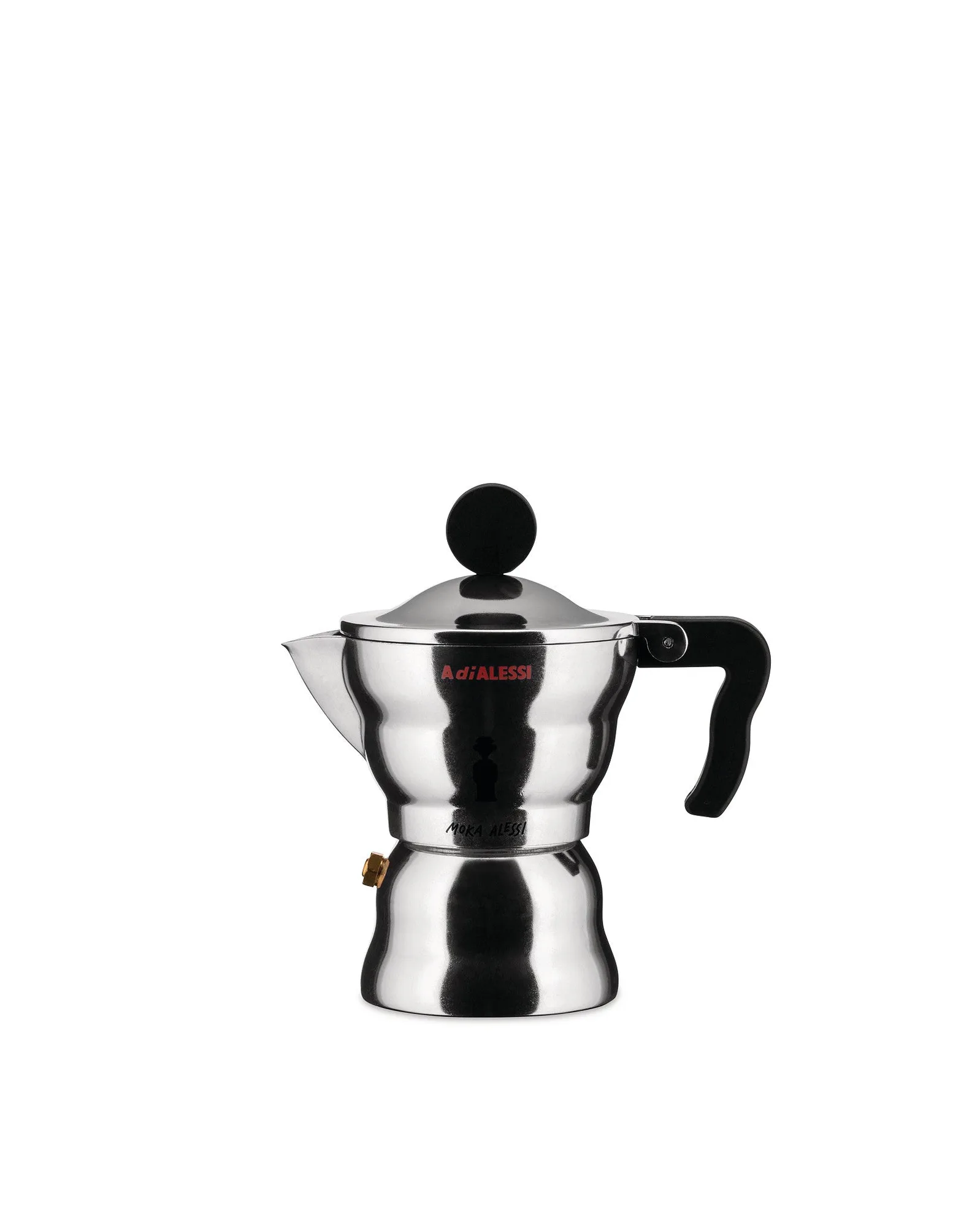
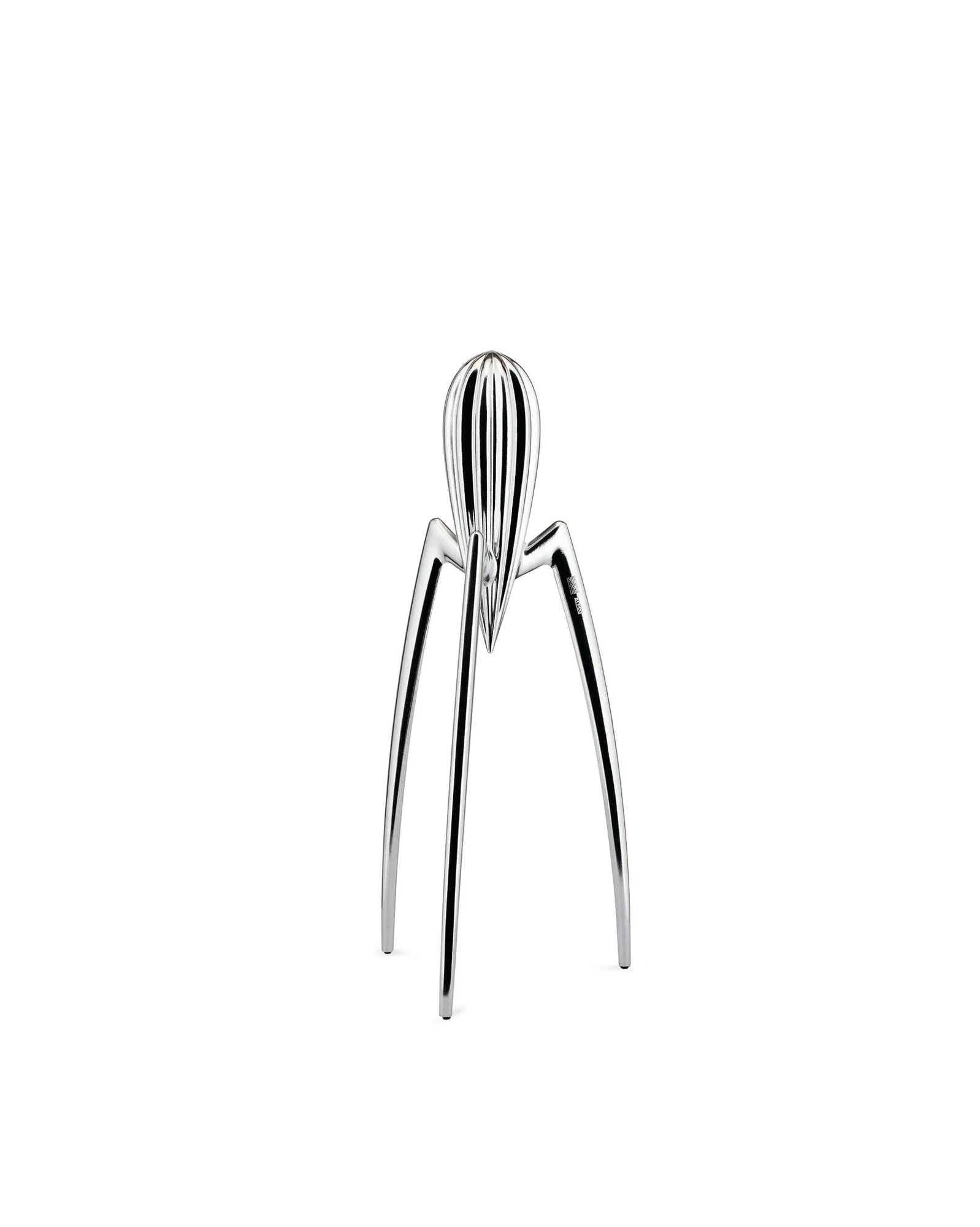
In this guide, we'll share practical Alessi care tips that go beyond basic washing. Whether you own the famous https://alessitye.com/products/juicy-salif-studio-n-3-162962Juicy Salif Studio n.3 or the beloved https://alessitye.com/products/moka-alessi-163639Moka Alessi, you'll learn how to remove stubborn stains, restore shine, and prevent common issues like pitting or discoloration. By following these simple steps, you can keep your kitchen tools looking as stunning as the day you bought them.
Why Stainless Steel Deserves Special Care
Stainless steel is prized for its corrosion resistance, strength, and sleek appearance. However, it is not maintenance-free. The chromium oxide layer that protects the metal can be compromised by harsh chemicals, abrasive scrubbers, or prolonged exposure to acidic foods. When this happens, the steel may become dull, develop rainbow-like discoloration, or even show tiny rust spots. For Alessi pieces, which often feature polished surfaces and intricate shapes, gentle cleaning is essential to preserve both the material and the design intent.
Understanding the composition of your tools helps. Alessi uses high-grade 18/10 stainless steel (18% chromium, 10% nickel) in many products, including the KnifeForkSpoon cutlery set. This alloy offers excellent shine and resistance to tarnishing. But even the best steel needs a little love—especially items that come into frequent contact with water, heat, or acidic ingredients like citrus juice.
- Always rinse stainless steel immediately after contact with salt, vinegar, or citrus to prevent pitting.
- Avoid using bleach or chlorine-based cleaners—they can damage the protective layer.
- Dry stainless steel thoroughly with a soft cloth to prevent water spots.
Daily Cleaning Routine for Alessi Stainless Steel
For everyday cleaning, warm water and mild dish soap are all you need. Use a soft sponge or microfiber cloth to gently wipe the surface, following the grain of the metal (usually visible as fine parallel lines). Rubbing against the grain can create micro-scratches that dull the finish over time. For stubborn food residue, soak the item in warm soapy water for a few minutes before washing.
Avoid steel wool, scouring pads, or harsh abrasive powders. These can scratch the polished surface and leave permanent marks. Instead, opt for a non-abrasive nylon brush for intricate details, such as the spiral of the Juicy Salif Studio n.3. After washing, rinse thoroughly with clean water and dry immediately with a lint-free towel to avoid water spots.
- Use a dedicated soft cloth for drying to prevent lint from sticking.
- For hard-to-reach crevices, a soft toothbrush works wonders.
- Never let stainless steel air-dry—minerals in water will leave spots.
Removing Stubborn Stains and Restoring Shine
Even with regular care, your Alessi tools may develop discoloration or a cloudy film. This is often caused by mineral deposits from hard water or heat-induced oxidation. A simple solution is to use a small amount of white vinegar or lemon juice on a soft cloth. Gently rub the affected area, then rinse immediately and dry thoroughly. For tougher stains, make a paste of baking soda and water, apply it with a soft cloth, and rub in circular motions. Rinse well and buff dry.
For a deep polish, consider using a specialized stainless steel cleaner or a few drops of olive oil on a microfiber cloth. This can restore the original mirror finish on items like the Moka Alessi, which often sits on stovetops and may accumulate heat stains. Always test any cleaner on a small, inconspicuous area first. Avoid using oil on food-contact surfaces unless you can wash it off completely with soap and water afterward.
- Baking soda paste is safe for most stainless steel and removes light oxidation.
- For rainbow discoloration from heat, a stainless steel polish can help restore clarity.
- Never use oven cleaners or abrasive powders—they can etch the surface.
Preventing Scratches and Dents
While stainless steel is durable, it is not scratch-proof. To keep your Alessi tools looking pristine, store them carefully. Avoid tossing utensils together in a drawer where they can rub against each other. Use a utensil tray or separate compartments. For items like the KnifeForkSpoon set, a dedicated cutlery tray or roll is ideal. When stacking pots or bowls, place a soft cloth or paper towel between them to prevent scratching.
Also, be mindful of the surfaces you use. Cutting directly on stainless steel can dull knives and scratch the tool. Use wooden or plastic cutting boards instead. For serving pieces, avoid using metal utensils that could scrape the finish. With a little foresight, you can prevent most cosmetic damage and keep your Alessi collection in top condition for years.
- Store stainless steel tools separately from ceramic or glass to avoid micro-scratches.
- Use felt pads or drawer liners to cushion items in storage.
- Never use stainless steel tools as leverage (e.g., prying open lids) to avoid bending or denting.
Caring for Specific Alessi Pieces
Different Alessi products have unique care requirements. For example, the Juicy Salif Studio n.3, with its iconic conical shape and sharp spikes, should be hand-washed carefully to avoid injury and to keep the spikes clean. A soft brush can help remove pulp residue from the grooves. The Moka Alessi, being an espresso maker, requires special attention to its internal gasket and safety valve. Never use soap inside the boiler—simply rinse with warm water and dry thoroughly. The exterior can be polished as described above.
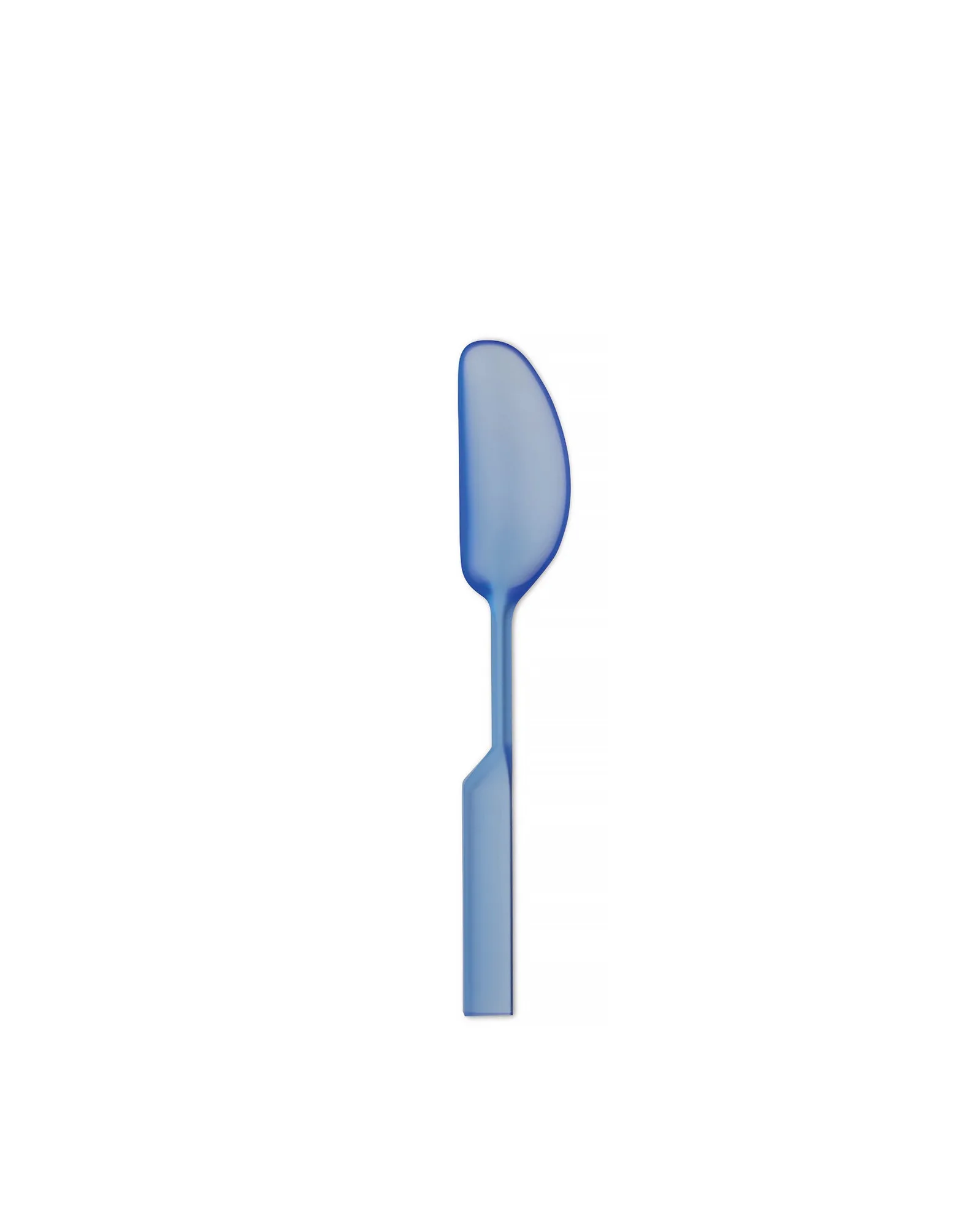
For flatware like the KnifeForkSpoon collection, avoid leaving them in contact with acidic foods for long periods, as this can cause pitting. Hand washing is always recommended for the best longevity. If you use a dishwasher, choose a gentle cycle and remove items promptly after the cycle ends to prevent water spots. With these targeted care tips, each Alessi piece will continue to perform beautifully and look elegant in your kitchen.
- For Moka Alessi, disassemble and dry all parts after each use to prevent coffee oil buildup.
- Juicy Salif Studio n.3 should be rinsed immediately after juicing citrus to avoid acid etching.
- KnifeForkSpoon flatware benefits from occasional hand-polishing with a soft cloth.
By incorporating these simple cleaning and maintenance habits into your routine, your Alessi stainless steel kitchen tools will remain as beautiful and functional as the day you bought them. From the iconic Juicy Salif Studio n.3 to the classic Moka Alessi, each piece deserves care that matches its design. Explore our full collection of Alessi stainless steel kitchen tools to find the perfect addition to your home, and enjoy the lasting beauty of Italian design.