Your key organizer is a daily carry essential, but like any frequently used tool, it collects dirt, oil, and debris over time. Whether you own a sleek KeySmart model or another compact key holder, regular cleaning and proper maintenance can extend its lifespan significantly. A neglected key organizer can become stiff, squeaky, or even start scratching your other pocket items. In this guide, we’ll walk you through practical steps to clean and maintain your key holder so it stays as good as new.
From removing built-up grime to lubricating moving parts, these simple routines take just a few minutes but pay off in long-term reliability. We’ll also cover how to care for accessories like the Belt Clip or PocketFuse, which enhance your key organizer’s functionality. Follow these care tips to keep your EDC setup performing at its best.
Why Regular Maintenance Matters
A key organizer is more than just a key holder—it’s a precision tool designed to keep your keys silent, organized, and scratch-free. Over time, pocket lint, dust, and moisture can accumulate between the key rings and the organizer’s frame, causing friction and wear. Without cleaning, the screw mechanism may loosen, and the pivot points can become sticky. Regular maintenance prevents these issues and ensures smooth operation.
Moreover, a clean key organizer protects your other EDC items. Dirt from keys can transfer to your wallet or phone, and a rusty key can stain your pockets. By dedicating a few minutes each month to care, you preserve the look and function of your investment. For example, the Belt Clip accessory attaches securely only when the organizer is clean and free of debris, so maintenance directly impacts accessory compatibility.
- Prevents rust and corrosion on metal parts
- Maintains smooth key rotation and quiet operation
- Extends the life of screws and pivot points
- Keeps accessories like PocketFuse adhering properly
Step-by-Step Cleaning Guide
Start by removing all keys and accessories from your key organizer. Use a soft, dry cloth to wipe away loose dust and lint. For deeper cleaning, dampen a microfiber cloth with mild soapy water (avoid harsh chemicals) and gently wipe the frame, key rings, and screws. Pay special attention to crevices where dirt hides. Dry thoroughly with a clean cloth to prevent moisture damage.
For stubborn grime, use a soft-bristled toothbrush dipped in isopropyl alcohol to scrub the pivot area and between keys. Alcohol evaporates quickly and leaves no residue. If your organizer has a screw mechanism, remove the screw (if possible) and clean the threads. Reassemble once everything is completely dry. This process works for most KeySmart models and similar designs.
- Use isopropyl alcohol for tough grease or sticky residue
- Never submerge the organizer in water—wipe only
- Dry all parts thoroughly before reassembly
Lubrication and Moving Parts
After cleaning, apply a tiny drop of lightweight lubricant (like silicone or Teflon-based oil) to the pivot point or screw threads. Avoid heavy oils that attract dust. Operate the key mechanism a few times to distribute the lubricant evenly. Wipe away any excess with a cloth. Proper lubrication reduces friction and keeps your keys swinging smoothly.
If your organizer uses a tension screw to adjust key tightness, check that it’s not over-tightened. A too-tight screw can strip threads or cause keys to bind. Conversely, a loose screw may rattle. Adjust to your preference—keys should fan out easily but not flop around. For models with the Belt Clip, ensure the clip’s locking mechanism is also clean and lubricated for secure attachment.
- Use only a drop of lubricant—less is more
- Avoid WD-40 as it can attract dirt over time
- Check screw tightness monthly for optimal performance
Caring for Accessories and Add-Ons
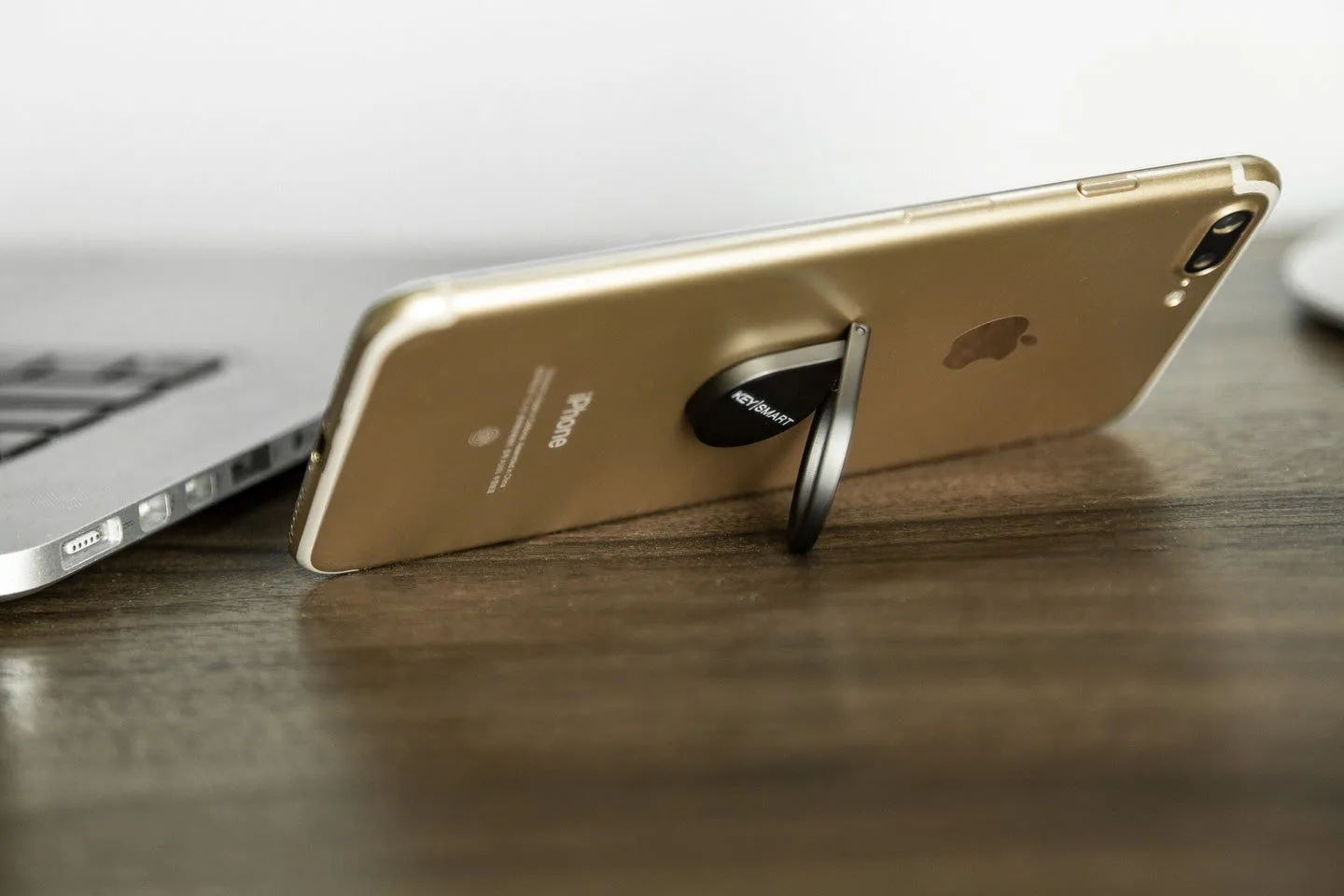
Accessories like the PocketFuse peel-and-stick clip or the Belt Clip require separate attention. For PocketFuse, clean the surface of your device before application and avoid exposing the adhesive to extreme heat or moisture. If the clip loses stickiness, replace the adhesive pad. The Belt Clip’s locking mechanism should be kept free of debris—wipe with a dry cloth and lubricate the hinge sparingly.
Other add-ons like the NanoStylus or NanoPliers benefit from occasional cleaning of their tips and joints. A quick wipe with alcohol keeps them hygienic and functional. Remember, maintaining your key organizer includes caring for everything attached to it. A well-maintained accessory system ensures your EDC remains reliable and ready.
- Store accessories in a dry place when not in use
- Check adhesive pads on PocketFuse every few months
- Lubricate hinge points on clips and pliers annually
Storage and Long-Term Care Tips
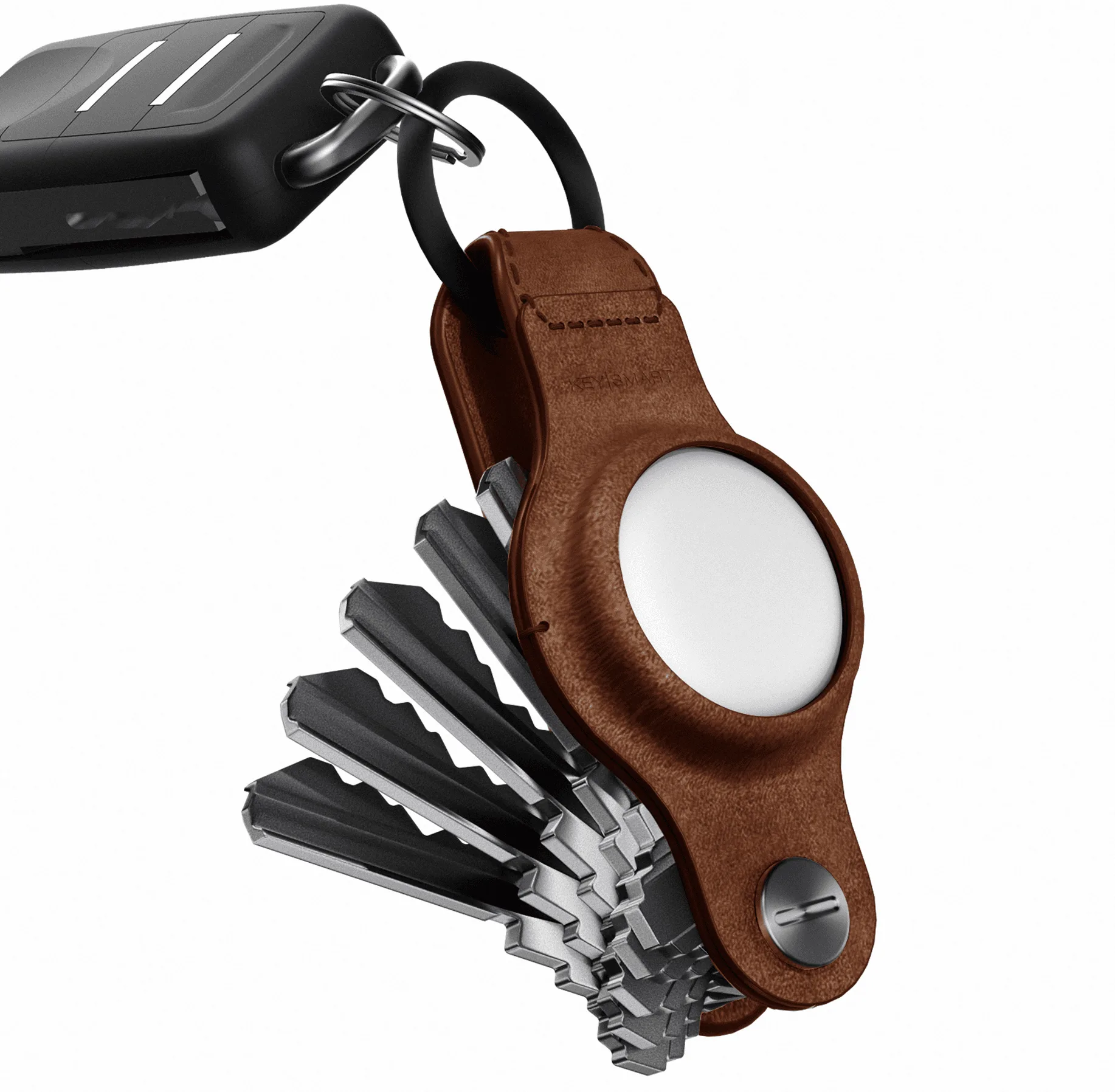
When not in use, store your key organizer in a cool, dry place away from direct sunlight. Extreme temperatures can warp plastic components or degrade rubber gaskets. If you carry your organizer in a pocket with loose change or sharp objects, consider using a dedicated pocket or a small pouch to prevent scratches. For leather-wrapped organizers, apply a leather conditioner every few months to keep the material supple.
Avoid exposing your key organizer to water for extended periods. While many models are water-resistant, they are not waterproof. If it gets wet, dry it immediately with a cloth and allow it to air dry fully before storing. Regular inspections—checking for loose screws, worn rings, or cracked frames—help catch issues early. Replace any damaged parts promptly to avoid further wear.
- Keep away from moisture and extreme heat
- Inspect screws and rings monthly for wear
- Condition leather parts with a dedicated product
By following these simple cleaning and maintenance steps, your key organizer will remain a dependable part of your everyday carry for years. A few minutes of care each month prevents rust, ensures smooth operation, and keeps your keys organized. Ready to upgrade your setup? Explore the Belt Clip for secure key attachment or the PocketFuse for adding a clip to any accessory—both complement your key organizer perfectly.