Silicone baby placemats have become a staple in modern parenting. They are non-toxic, easy to clean, and designed to withstand the messiest mealtimes. However, even the most durable silicone mat needs proper care to stay in top shape. If you want your baby's placemat to last through countless meals without developing stains, odors, or sticky residues, you need to know the right cleaning and maintenance techniques.
In this guide, we will walk you through the best practices for cleaning silicone baby placemats, from daily rinses to deep sanitizing. We will also cover how to prevent common issues like oil buildup and discoloration. Whether you are a new parent or a seasoned pro, these tips will help you get the most out of your silicone placemat investment.
Why Silicone Placemats Need Special Care
Silicone is a popular material for baby products because it is flexible, food-grade, and free from BPA, phthalates, and other harmful chemicals. Unlike plastic or cloth, silicone does not harbor bacteria easily, but it can attract dust and oils over time. If not cleaned properly, food residues can build up and create a sticky surface that is less effective at gripping the table or your baby's bowl.
Regular cleaning also prevents the development of mold or mildew, especially if the placemat is stored in a damp environment. By following a simple care routine, you can ensure that your silicone placemat remains safe, hygienic, and visually appealing for months or even years.
- Silicone is non-porous, so it resists stains better than cloth, but it can still absorb oils from greasy foods.
- Avoid using abrasive scrubbers that can scratch the surface and create hiding spots for bacteria.
- Always check the manufacturer's instructions, as some silicone blends may have specific care requirements.
Daily Cleaning: Quick and Easy Steps
After each meal, simply rinse the silicone placemat under warm running water to remove food particles. Use a mild dish soap and a soft sponge to gently wipe the surface. Pay special attention to any textured areas or suction cup crevices where food can get trapped. Rinse thoroughly and dry with a clean cloth or let it air dry on a dish rack.
For extra convenience, many silicone placemats are dishwasher-safe. Place them on the top rack of your dishwasher for a thorough clean. This is especially helpful when you are short on time or dealing with multiple messy meals in a row. Just be sure to avoid high heat settings that could warp the silicone over time.
- Use a soft sponge or microfiber cloth to avoid scratching.
- If your placemat has suction cups, clean around the edges with a toothbrush to remove trapped debris.
- Air drying is best to prevent moisture buildup, but you can also pat dry with a towel.
Deep Cleaning for Stubborn Stains and Odors
Over time, silicone can develop stains from colorful foods like tomato sauce, turmeric, or berries. To remove these stains, create a paste using baking soda and a little water. Apply the paste to the stained areas and let it sit for 15–20 minutes. Then, scrub gently with a soft brush and rinse thoroughly. The mild abrasiveness of baking soda lifts stains without damaging the silicone.
For odors, such as lingering smells from fish or garlic, soak the placemat in a solution of equal parts white vinegar and warm water for 30 minutes. Vinegar is a natural deodorizer and disinfectant. After soaking, wash the mat with soap and water as usual. If the odor persists, repeat the process or add a few drops of lemon juice for extra freshness.
- Avoid using bleach or harsh chemicals, as they can degrade the silicone and leave harmful residues.
- For tough stains, try a silicone-safe stain remover or a paste of lemon juice and baking soda.
- Always rinse thoroughly after deep cleaning to remove any cleaning agent residue.
Preventing Damage and Extending Lifespan
To keep your silicone placemat looking new, avoid exposing it to direct sunlight for extended periods, as UV rays can cause fading or brittleness. Also, do not store the mat folded or creased for long periods, as this can create permanent creases that weaken the material. Instead, roll it up or lay it flat in a drawer.
When using the placemat on a hot surface, always check the temperature rating of the silicone. Most food-grade silicone can withstand heat up to 220°C (428°F), but prolonged exposure to extreme heat can cause warping. Use the mat on room temperature or warm surfaces, and avoid placing it directly on a hot stove or oven rack.
- Store your placemat in a cool, dry place away from direct sunlight.
- If your mat has suction cups, press them down on a flat surface to prevent curling during storage.
- Rotate between multiple placemats if you have them, to reduce wear on a single mat.
Common Mistakes to Avoid
One common mistake is using oil-based soaps or conditioners on silicone, as they can leave a greasy film that attracts dirt. Stick to mild dish soap or specialized silicone cleaners. Another mistake is using the placemat for activities other than eating, such as as a craft mat or play surface, which can introduce stains from paint or glue.
Also, avoid using the placemat in the microwave unless it is explicitly labeled as microwave-safe. While many silicone products are microwave-friendly, some placemats have metal components or suction cups that can cause sparking. Always read the label before microwaving.
- Do not use abrasive pads or steel wool, which can scratch the silicone.
- Avoid soaking the placemat for more than a few hours, as prolonged moisture can weaken the material.
- Never use the placemat as a trivet for hot pots or pans unless it is specifically designed for that purpose.
When to Replace Your Silicone Placemat
Even with the best care, silicone placemats will eventually show signs of wear. Replace your mat if you notice deep cracks, tears, or if the suction cups no longer hold firmly to the table. A damaged placemat can trap food and bacteria, making it less hygienic. Also, if the mat becomes sticky or develops a permanent odor despite deep cleaning, it is time for a new one.
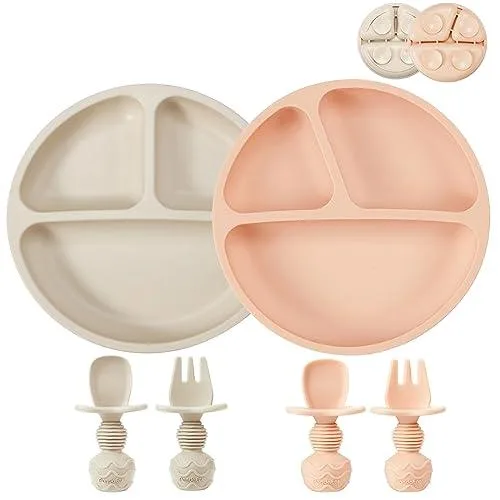
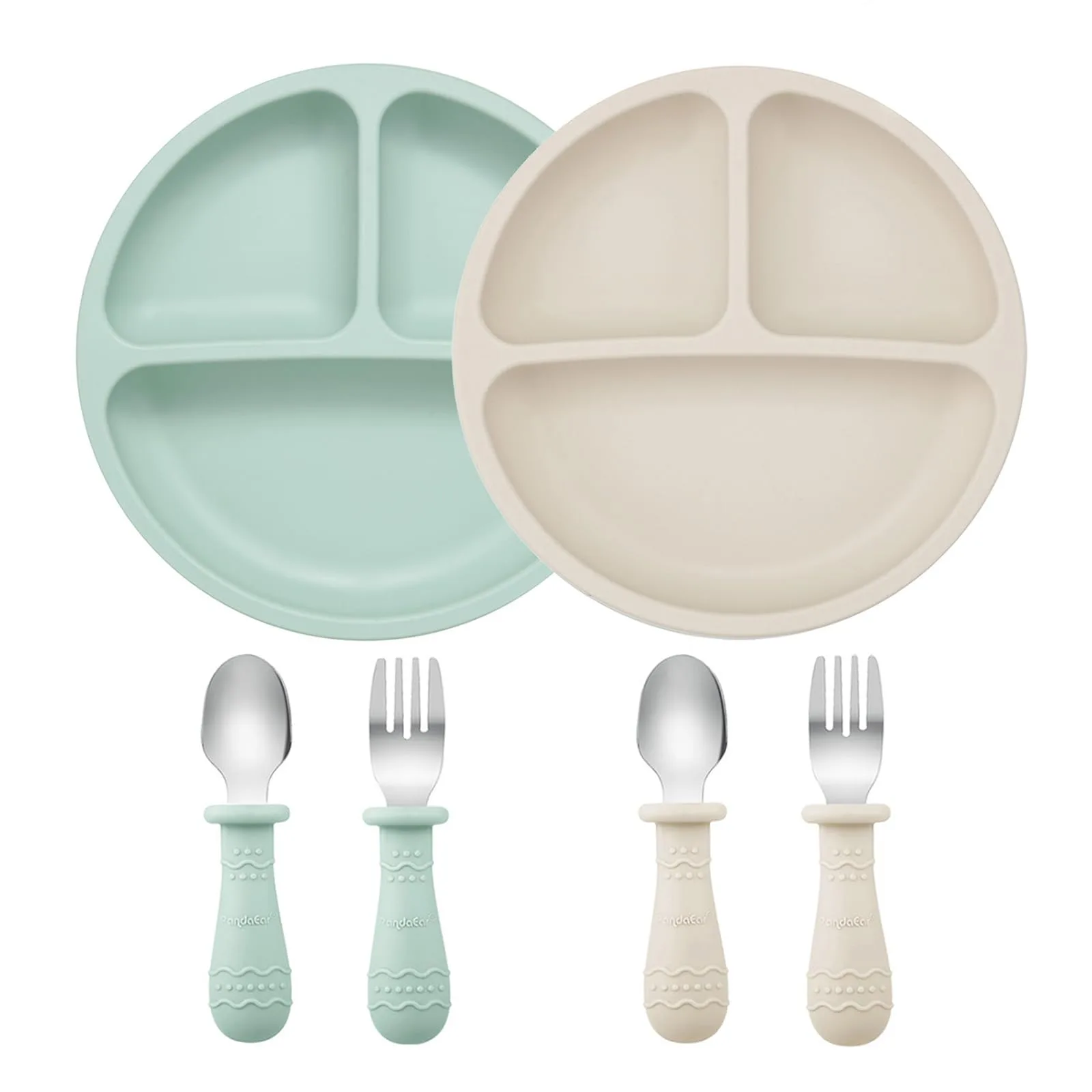
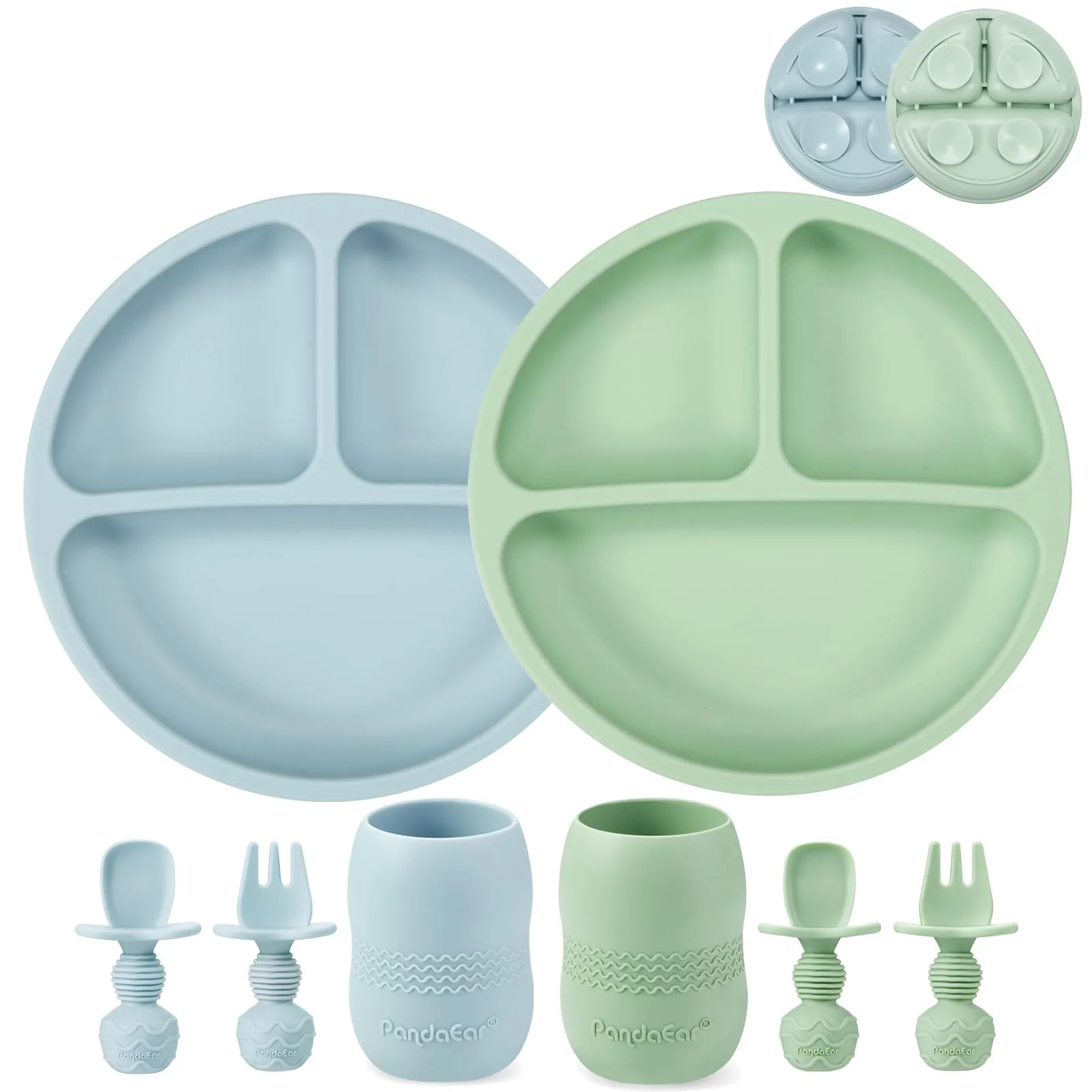
Most high-quality silicone placemats last between 6 months to 2 years with regular use. Investing in a durable mat from a trusted brand can extend this lifespan. For example, the PandaEar silicone feeding sets are known for their durability and easy care, making them a great choice for long-term use.
- Check for signs of wear every few months, especially around the edges and suction cups.
- If your baby has started teething and chews on the mat, inspect for bite marks that can harbor bacteria.
- Replace the mat if you notice any discoloration that does not come out with cleaning, as it may indicate material degradation.
Taking proper care of your silicone baby placemat is simple and rewarding. By following these cleaning and maintenance tips, you can keep your mat hygienic, stain-free, and functional for many meals to come. For a reliable and easy-to-clean option, check out the PandaEar silicone feeding sets, which are designed with busy parents in mind. Explore the collection today and make mealtime mess-free and enjoyable for your little one.