The Silky Brush is a beloved Korean skincare tool that helps you apply products evenly and gently exfoliate. But like any reusable tool, it needs regular cleaning to stay effective and hygienic. Without proper care, bristles can harbor bacteria, lose their softness, or break down faster.
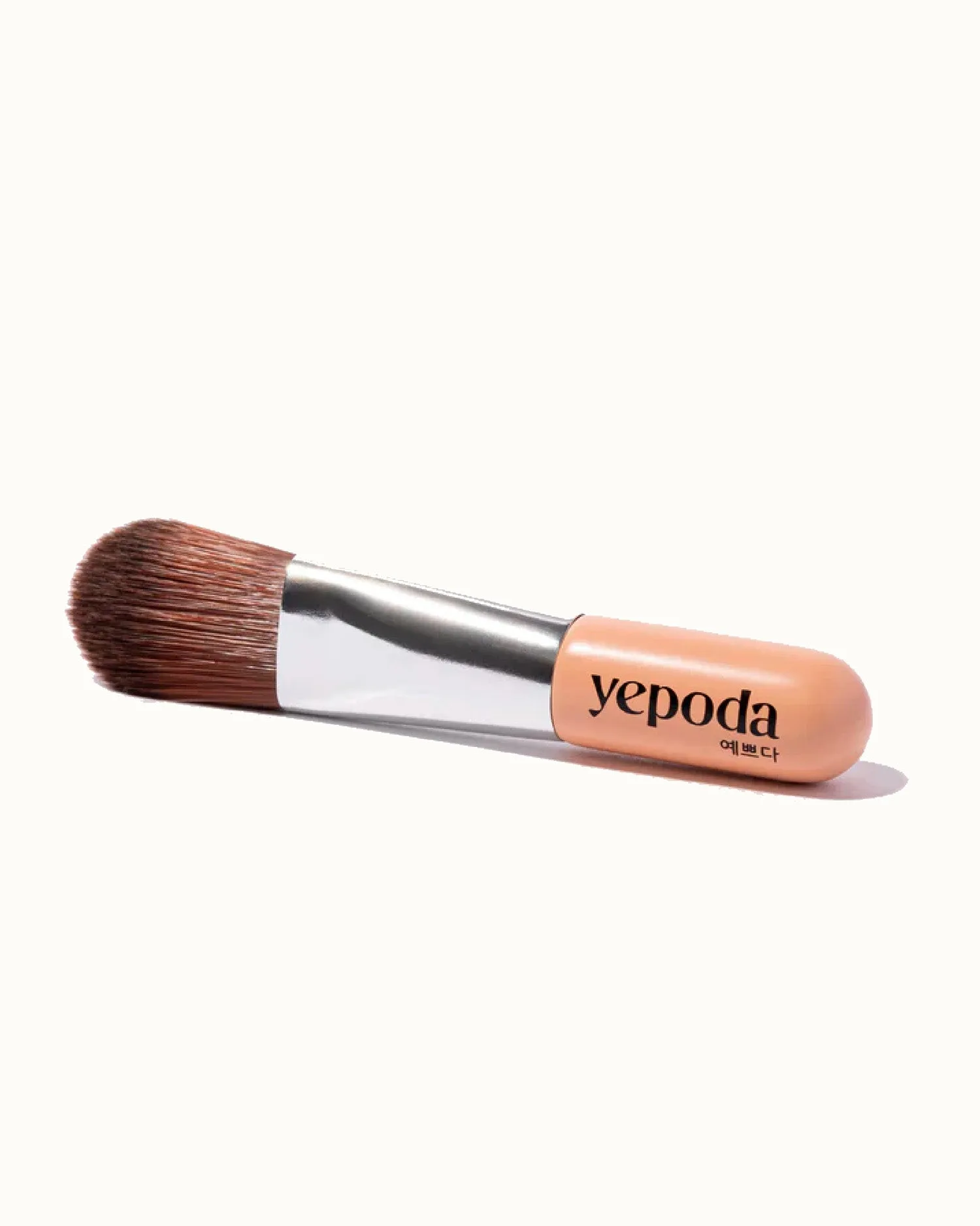
The Silky Brush
Whether you use it for your favorite serum or a sheet mask essence, a clean brush means better product absorption and healthier skin. In this guide, we’ll walk you through simple cleaning routines, drying tips, and storage advice so your brush stays silky smooth for months.
Why Regular Cleaning Matters
Skincare brushes come into contact with your face, residual product, and the environment. Over time, oil, dead skin cells, and bacteria can build up on the bristles. Using a dirty brush can lead to clogged pores, breakouts, or irritation—especially if you have sensitive skin.
Cleaning your brush weekly (or more often if you use it daily) prevents these issues. It also maintains the brush’s texture: clean bristles glide smoothly, while dirty ones can feel stiff or rough. Plus, regular care extends the brush’s lifespan, saving you money in the long run.
- Prevents bacterial buildup and breakouts
- Maintains soft, gentle bristles
- Extends brush life and performance
How to Clean The Silky Brush: Step by Step
Start by rinsing the brush head under lukewarm water. Avoid hot water, which can damage the bristles or the handle. Apply a small amount of mild soap or a gentle cleanser—baby shampoo or a dedicated brush cleaner works well. Gently massage the bristles with your fingertips, working the cleanser through from base to tip.
Rinse thoroughly until the water runs clear. Squeeze out excess water with a clean towel, reshaping the brush head. Never pull or tug the bristles. For a deeper clean once a month, soak the brush head in a mixture of lukewarm water and a few drops of tea tree oil or antibacterial soap for 5 minutes, then rinse and dry.
- Use lukewarm water and mild soap
- Gently massage, don’t scrub
- Deep clean monthly with antibacterial soak
Drying and Storing Your Brush
Proper drying is crucial to prevent mold and bacteria. After cleaning, gently squeeze out water with a towel, then lay the brush flat on a clean, dry towel with the bristles hanging slightly off the edge of a counter. This allows air to circulate and water to drip away. Never stand the brush upright in a cup while wet—water can seep into the handle and loosen the glue.
Store your brush in a clean, dry place away from direct sunlight or humidity. A brush holder or a dedicated pouch works well. Avoid tossing it into a makeup bag with other items that could bend the bristles. With these simple habits, your Silky Brush will stay soft, hygienic, and ready for your daily routine.
- Dry flat with bristles hanging off edge
- Never store upright while wet
- Keep in a dry, ventilated area
When to Replace The Silky Brush
Even with the best care, brushes wear out over time. Signs it’s time for a new one include: bristles that feel rough or scratchy, shedding bristles during use, or a persistent odor even after cleaning. If the brush head loses its shape or the handle becomes loose, replacement is the safest option for your skin.
For most users, replacing your brush every 6 to 12 months is a good rule of thumb. If you have acne-prone or sensitive skin, consider replacing it more often. Pairing your brush with high-quality products like The Heroes or The Timeless Moment can also enhance your routine, but a clean tool is the foundation of every effective skincare step.
- Replace every 6–12 months
- Watch for rough bristles, shedding, or odor
- Sooner if you have sensitive or acne-prone skin
Cleaning and maintaining The Silky Brush doesn’t take much time, but it makes a big difference for your skin and your tool’s longevity. A few minutes each week keeps bacteria at bay, preserves that soft-as-silk feel, and ensures your skincare products work their best. Treat your brush with care, and it will reward you with years of gentle, effective use.