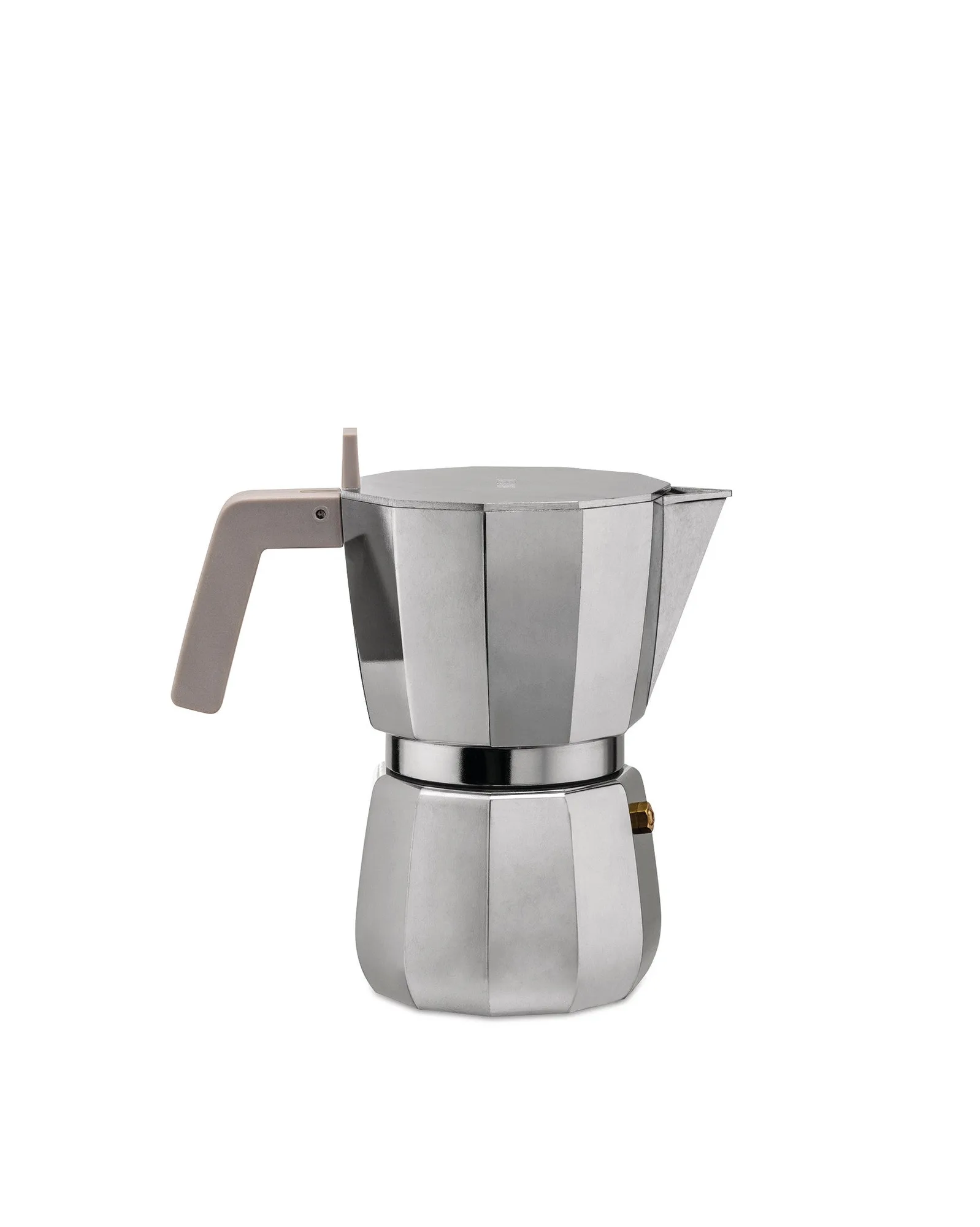
Your Alessi moka-163634">moka-163633">moka coffee maker is more than just a kitchen tool—it's a piece of Italian design that brings the authentic espresso experience to your home. Whether you own the iconic sleek model or a limited edition piece, proper cleaning and maintenance are essential to preserve both its performance and its beauty. In this guide, we'll walk you through the best practices for cleaning your Alessi moka pot, from daily rinses to deep descaling, so you can enjoy perfect coffee every time.
sleek
Many coffee lovers overlook the importance of regular care, but a well-maintained moka maker not only brews better-tasting espresso but also lasts for decades. With the right techniques, you can avoid common issues like bitter coffee, clogged filters, or tarnished aluminium. Let's dive into the step-by-step process to keep your Alessi stovetop espresso maker in pristine condition.
Why Regular Cleaning Matters for Your Alessi Moka Pot
Your Alessi moka coffee maker is made from high-quality aluminium, which is excellent for heat conduction but can be sensitive to harsh cleaning methods. Over time, coffee oils and residue build up inside the boiler, filter, and gasket, affecting the flavour of your brew. A clean moka pot ensures that no stale oils taint your coffee, giving you a fresh, rich taste every morning.
Moreover, regular maintenance prevents mineral deposits from hard water—known as scale—from clogging the safety valve or the filter plate. Scale can reduce brewing pressure and even cause the pot to leak. By following a simple cleaning routine, you extend the life of your Alessi moka maker and preserve its iconic design for years to come.
- Always empty and rinse the moka pot after each use to prevent oil buildup.
- Use only warm water and a soft cloth—never abrasive sponges or detergents.
- Inspect the silicone gasket and filter regularly for wear and replace them as needed.
Daily Cleaning Routine for Your Alessi Stovetop Espresso Maker
After each use, allow your Alessi moka pot to cool completely before disassembling. Unscrew the top chamber from the base, remove the filter basket, and take out the silicone gasket and upper filter plate. Rinse all parts under warm running water—no soap, as it can leave a residue that ruins the coffee's natural oils. Use a soft brush or cloth to gently clean the inside of the boiler and the filter holes.
Dry each component thoroughly with a lint-free cloth before reassembling. This prevents moisture from causing oxidation or mould. For a deeper clean once a week, you can brew a cycle with water only (no coffee) to flush out any trapped oils. This simple habit keeps your moka pot performing at its best and ensures every cup tastes as intended.
- Never put aluminium parts in the dishwasher—it can cause pitting and discolouration.
- If you notice a metallic taste, brew a water-only cycle and discard the water.
Deep Descaling: Removing Mineral Buildup from Your Alessi Moka Maker
If you live in an area with hard water, mineral scale can accumulate inside your Alessi moka pot over time. Descaling every one to three months is essential to maintain optimal brewing pressure and prevent blockages. To descale, fill the boiler with a mixture of equal parts water and white vinegar (or use a citric acid solution). Assemble the pot without coffee and place it on the stove over low heat.
Allow the mixture to brew through the top chamber, then turn off the heat and let it sit for 15 minutes. Discard the liquid, rinse all parts thoroughly with fresh water, and brew two cycles of plain water to remove any vinegar taste. This process restores your moka maker's efficiency and keeps it looking like new. For extra protection, consider using filtered water for daily brewing.
- Do not use descaling agents containing harsh chemicals—stick to natural acids.
- After descaling, check the silicone gasket for any signs of damage or stiffness.
Caring for Alessi Moka Accessories: Filters, Gaskets, and Spare Parts
The silicone gasket and metal filter are the unsung heroes of your moka pot. Over time, the gasket can lose its elasticity, causing steam to escape and reducing pressure. Inspect it every few months—if it feels hard or cracked, replace it with an official Alessi spare part. Similarly, the upper filter plate can become clogged with coffee grounds; a gentle scrub with a soft toothbrush can clear the holes.
Alessi offers a range of replacement parts to keep your moka maker in top shape. For example, the PZ02 is a common spare part kit that includes a new gasket and filter, ensuring a perfect seal and consistent brewing. By swapping out worn components promptly, you avoid leaks and maintain the authentic Italian coffee experience your Alessi maker is known for.
- Always use genuine Alessi spare parts to ensure proper fit and performance.
- Store your moka pot with the top and bottom chambers separated to prevent odours.
Polishing the Exterior: Keeping Your Alessi Moka Maker Looking Iconic
The exterior of your Alessi moka coffee maker is just as important as its internal performance. Aluminium can develop a natural patina over time, but if you prefer a shiny finish, you can polish it gently. Use a soft, damp cloth with a mild aluminium cleaner or a paste of baking soda and water. Rub in circular motions, then rinse and dry thoroughly.
Avoid abrasive pads or steel wool, as they will scratch the surface. For the handle and knob—often made of nylon or bakelite—simply wipe with a damp cloth. If you own a special edition like the Ovale, which features a sleek oval silhouette, pay extra attention to the curves where dirt can hide. A little care goes a long way in preserving the design statement of your Alessi piece.
- Never submerge the entire moka pot in water—only the components that come apart.
- For stubborn stains, rub with a slice of lemon and rinse immediately.
Troubleshooting Common Alessi Moka Pot Issues
Even with regular care, you might encounter minor issues. If your coffee tastes bitter, it could be due to over-extraction—try using a coarser grind or reducing the heat. If the moka pot sputters or leaks, check the gasket and ensure the filter plate is clean. A blocked safety valve can be cleared by running a thin needle through the hole, but never force it.
If you notice white deposits on the exterior, that's likely scale—descaling will solve it. For persistent problems, refer to your model's manual or contact Alessi customer support. Remember, proper maintenance prevents most issues, so stick to your cleaning routine and your moka maker will reward you with decades of perfect espresso.
- Always use medium heat—high heat can damage the safety valve and burn the coffee.
- If the pot is difficult to unscrew, run it under cold water to loosen the threads.
Caring for your Alessi moka coffee maker is simple when you follow these steps. With daily rinses, periodic descaling, and timely replacement of gaskets and filters, your stovetop espresso maker will continue to deliver authentic Italian coffee while maintaining its iconic design. For a complete refresh, explore the PZ02 spare part kit to keep your moka pot in perfect working order. Brew on, and enjoy every sip of your beautifully maintained Alessi coffee maker.