Understanding Your Aluminum Tissue Case
The PUEBCO Aluminum Tissue Case (No.110301) is a slim metal holder designed for both box and soft-pack tissues. Its raw aluminum finish gives it an industrial look, but that same finish requires a light touch when cleaning. The catalog notes that the case may have rust and scratches, so part of caring for it is accepting—and preserving—that character.
Checking Tissue Compatibility First
Before you clean or mount the case, confirm that your tissue brand fits. The inside measures W205 x D48 x H105mm. For box tissues, you need to remove the cardboard box and insert the stack directly. Soft-pack tissues can go in as-is. If your tissue dimensions are larger than the inside space, the case won't close properly. That is not a cleaning issue, but it avoids frustration later.
Key Specifications for Care and Use
-
ALUMINIUM TISSUE CASE: Outside Size: W210 x D50 x H110mm; Inside Size: W205 x D48 x H105mm. The inside size tells you which tissue packs will fit. The outside size helps you choose a stable, dry spot for the case.
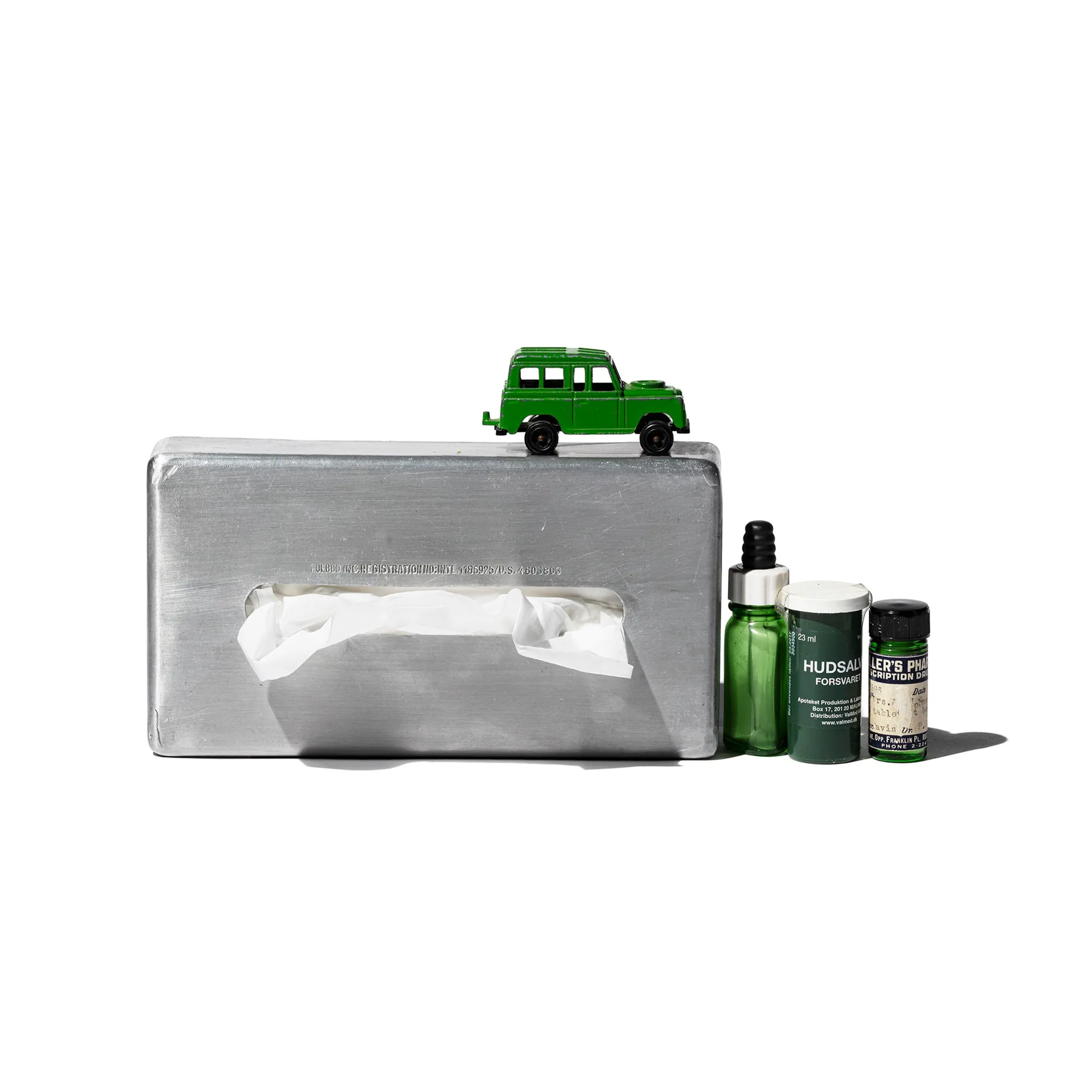
ALUMINIUM TISSUE CASE
-
ALUMINIUM TISSUE CASE: Material: Aluminium. Aluminum can be cleaned gently, but it scratches easily. Abrasive cleaners or rough cloths will mark the surface.
-
ALUMINIUM TISSUE CASE: The catalog states: 'Rust and scratches are present.' This is an intentional part of the vintage-style finish. You do not need to remove them, and trying to polish them out may damage the case.
Cleaning the Aluminum Surface
Because the aluminum has a raw, uncoated finish, avoid harsh chemicals, bleach, or abrasive pads. A soft, damp microfiber cloth is usually enough to remove dust or light residue. If you need to clean a sticky spot, use a mild dish soap diluted in water. Wipe the surface gently, then dry it immediately with a separate soft cloth to prevent water spots. Do not soak the case or put it in a dishwasher.
Dealing with Rust and Patina
The catalog confirms that rust and scratches are part of the product. This is not a defect; it is the intended look. If you see new rust forming in an area that was previously clean, you can lightly buff it with a very fine (0000) steel wool pad, but test on an inconspicuous spot first. Over-polishing will change the surface character. For most owners, the best maintenance is simply to keep the case dry and wipe it occasionally.
Wall-Mounting Safely
If you want to mount the case on a wall, the catalog gives a clear caution: check that the wall can support the load, and use hardware (not included) that is suitable for the weight of a full tissue case. Since the catalog does not specify the weight, you need to assess your own wall material. For drywall, use toggle bolts; for solid walls, use appropriate wall plugs and screws. The case does not come with mounting hardware, so plan ahead.
What the Catalog Does Not Cover
The catalog does not list a specific cleaning interval, nor does it provide instructions for removing deep scratches or dents. Because aluminum is a soft metal, heavy impacts can leave permanent marks. The best approach is preventive: place the case in a low-traffic area, avoid stacking heavy objects on it, and handle it with dry hands to reduce oil transfer.