A well-maintained dog harness is essential for your pet's comfort, safety, and style. Whether you use a harness for daily walks, training, or outdoor adventures, regular cleaning and proper care can significantly extend its lifespan. Dirt, sweat, and bacteria can accumulate over time, leading to odors, irritation, and even material degradation. In this guide, we'll walk you through the best practices for cleaning and maintaining your dog's harness, ensuring it remains in top condition for years to come.
From understanding the different materials to knowing when to hand wash versus machine wash, these tips will help you keep your harness looking and smelling fresh. We'll also cover how to inspect for wear and tear, store your harness properly, and when it's time to replace it. By following these steps, you'll not only protect your investment but also enhance your dog's walking experience.
Why Regular Harness Maintenance Matters
Your dog's harness is more than just a fashion accessory—it's a crucial piece of safety equipment. A dirty or worn harness can cause chafing, skin infections, or even failure during a walk. Regular cleaning removes dirt, oils, and allergens that can irritate your dog's skin. It also helps you spot potential issues like frayed stitching or weakened buckles before they become dangerous.
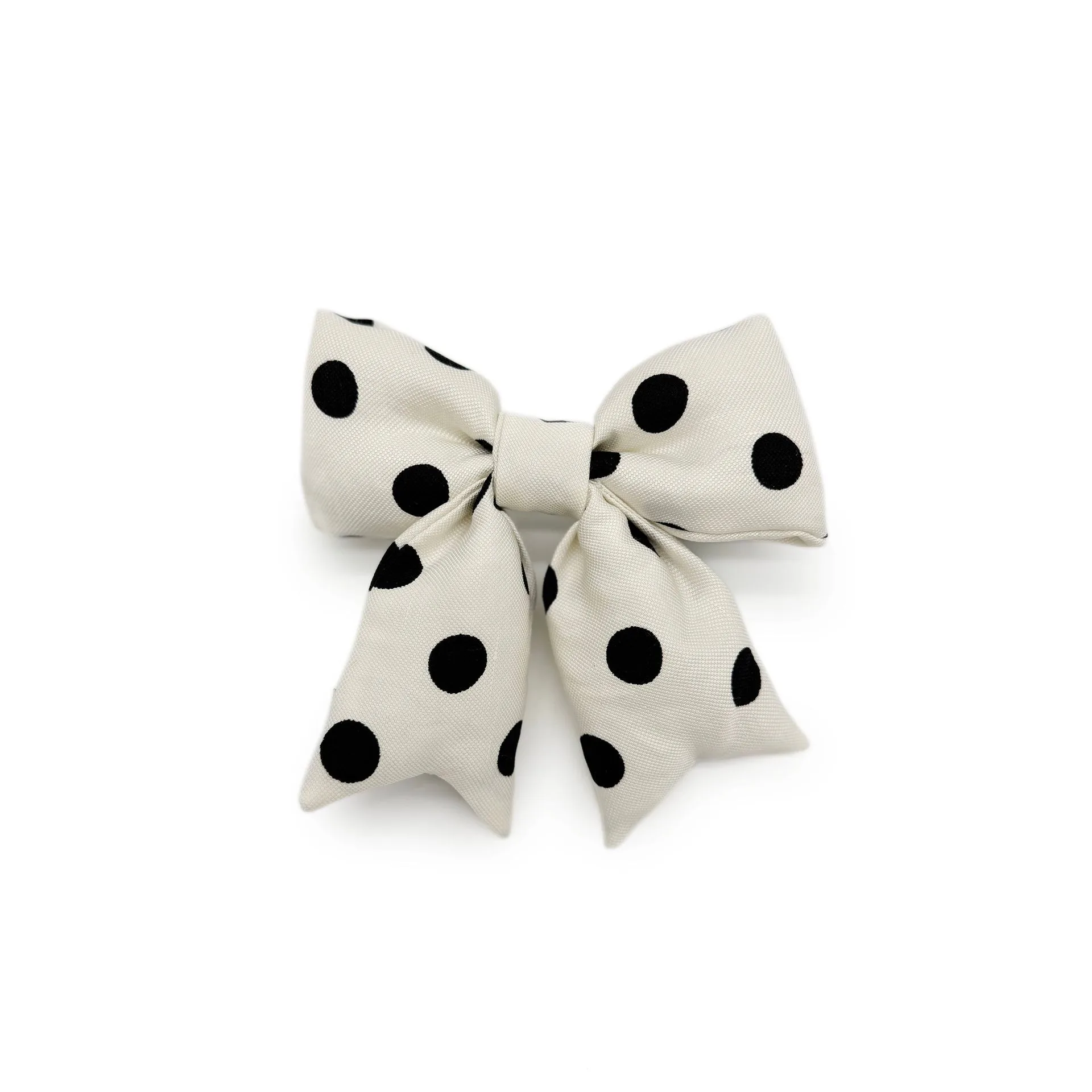
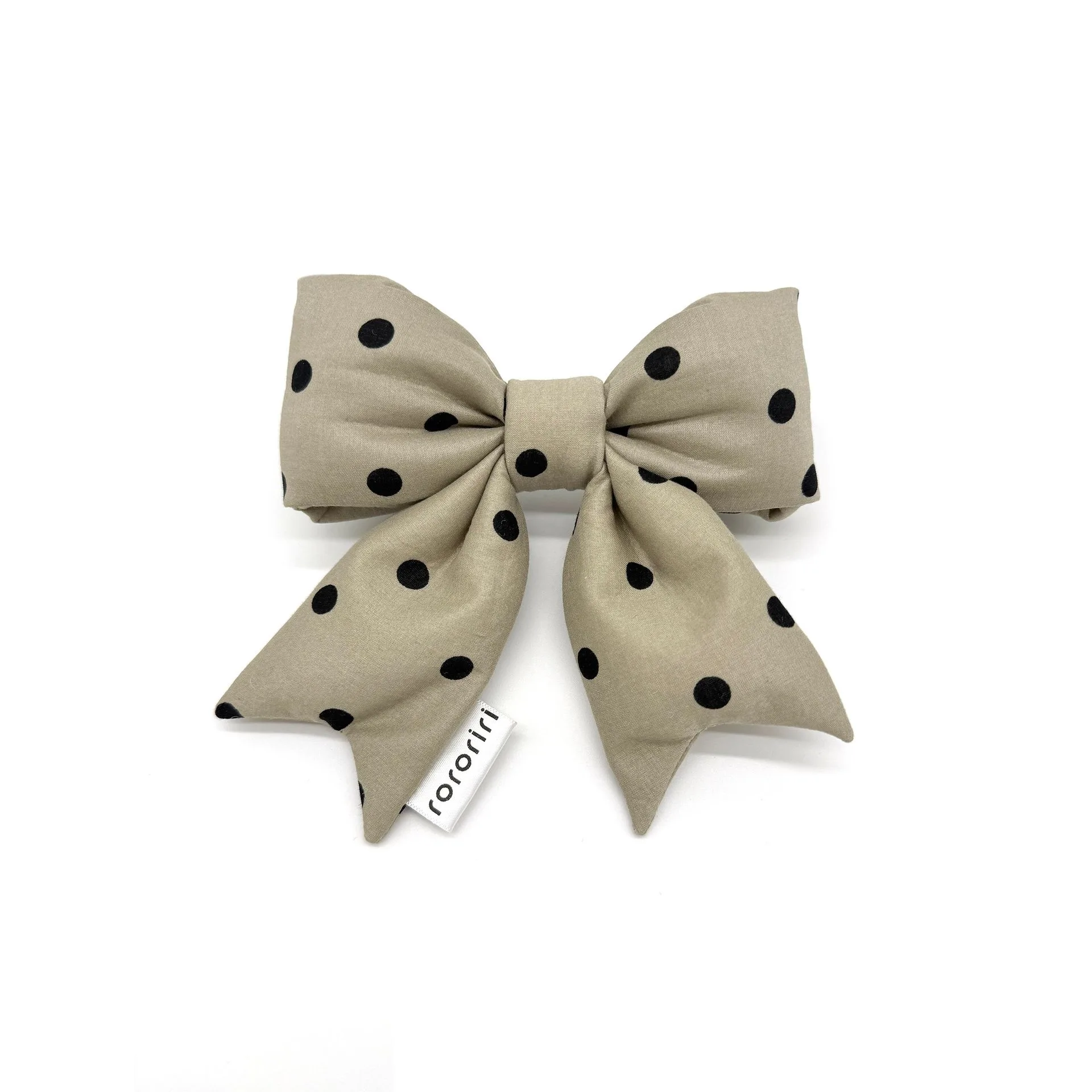
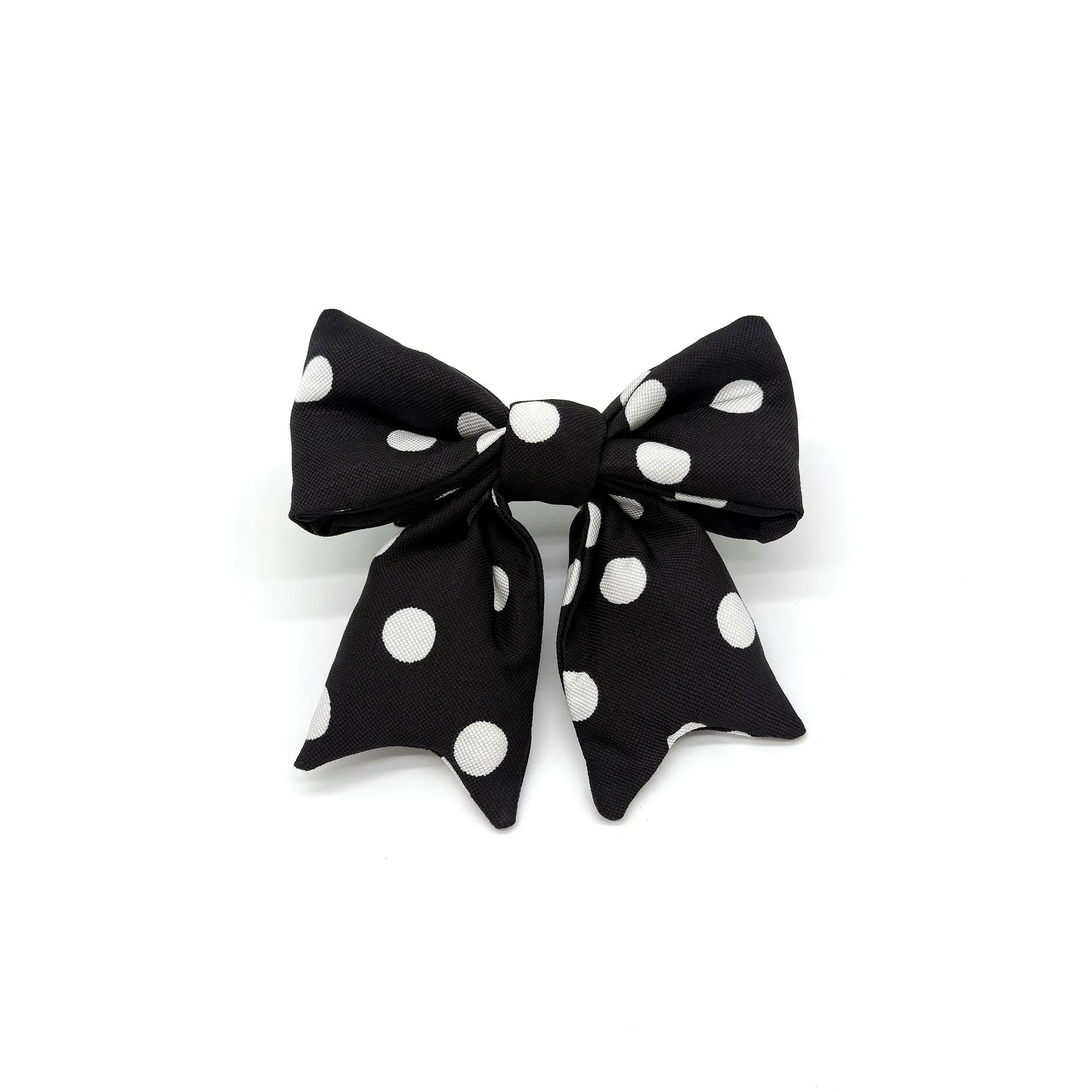
Moreover, a clean harness simply looks better. Whether you're heading to the park or a vet visit, your pet deserves to look their best. Combining proper harness care with other stylish accessories, like a Bandana Keiko or a Bow Tie Winston, can elevate your dog's entire look. Remember, a well-cared-for harness is a safe and stylish choice.
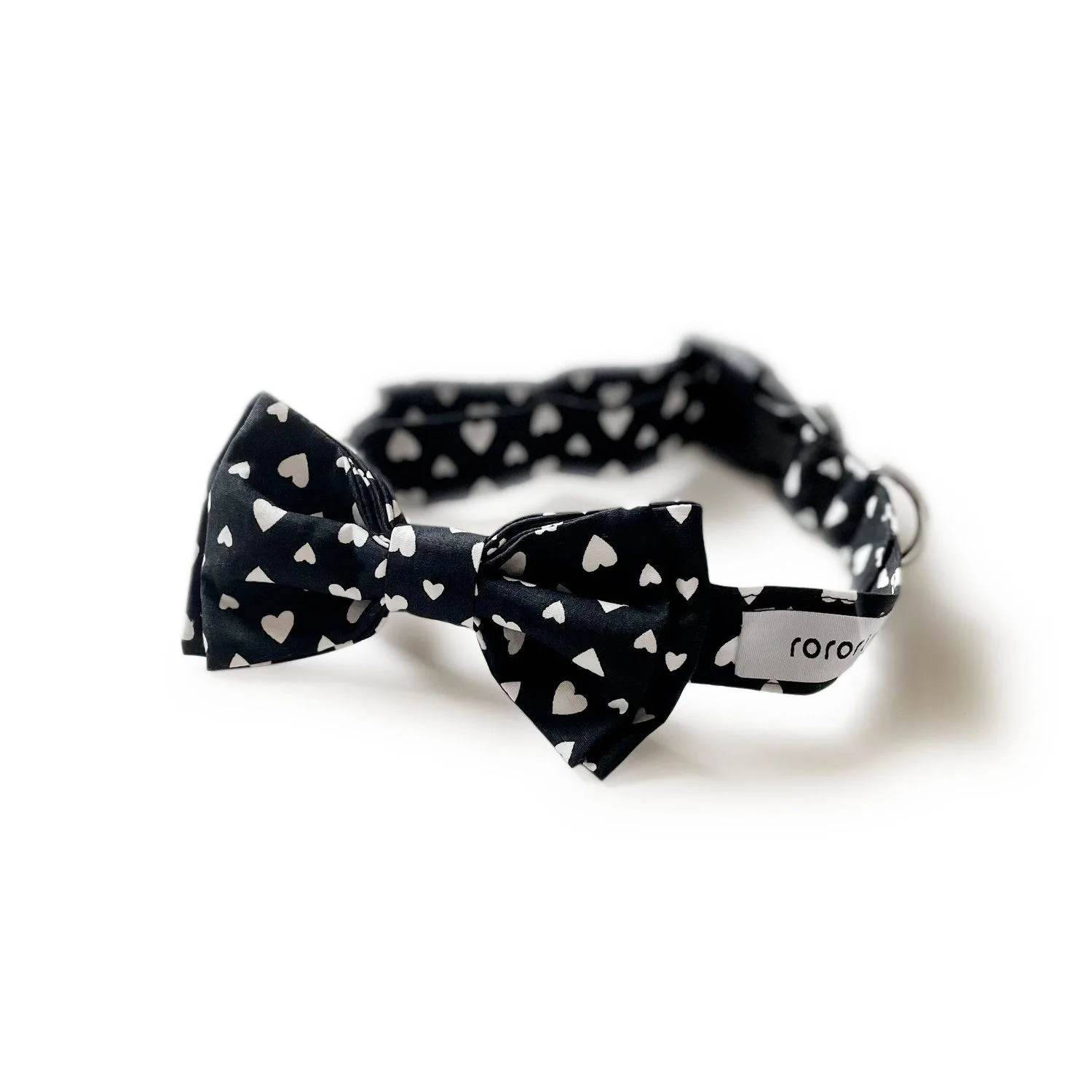
Bow Tie Winston
- Prevents skin irritation and infections
- Extends the life of the harness
- Allows early detection of damage
- Keeps your dog looking fresh and stylish
Step 1: Identify Your Harness Material
Before you start cleaning, check the care label or manufacturer's instructions. Most harnesses are made from nylon, polyester, neoprene, or leather. Nylon and polyester are durable and can usually be machine washed, while neoprene (often used in padded harnesses) may require gentle hand washing. Leather harnesses need special conditioning to avoid drying out.
If you're unsure, a quick spot test on an inconspicuous area can help. For example, a harness made from soft cotton or canvas might shrink if washed in hot water. Knowing your material ensures you choose the right cleaning method. If your dog has sensitive skin, consider using a hypoallergenic detergent or a vinegar rinse to remove residue.
- Nylon/polyester: machine washable on gentle cycle
- Neoprene: hand wash with mild soap
- Leather: wipe clean and condition regularly
Step 2: Remove All Attachments and Buckles
Before washing, detach any metal rings, plastic buckles, or padding inserts. These parts can be damaged in the wash or may cause the harness to tangle. Some buckles are removable, while others may be sewn in—only remove what you can easily take off. Place small parts in a mesh laundry bag to prevent loss.
If your harness has a D-ring for leash attachment, check that it's still securely fastened. Loose rings can break under pressure. While you're at it, inspect the stitching around the rings and adjusters. A high-quality harness, like those designed to pair with a Darcy Blouse with Ruffles, will have reinforced stitching that holds up well to regular cleaning.
- Remove all metal and plastic hardware
- Use a mesh bag for small parts
- Inspect D-rings and stitching for wear
Step 3: Choose Your Cleaning Method
For most fabric harnesses, hand washing is the gentlest method. Fill a sink with lukewarm water and add a small amount of mild detergent. Submerge the harness and gently scrub with a soft brush, paying attention to areas that contact your dog's chest and neck. Rinse thoroughly until no soap remains.
If you prefer machine washing, place the harness in a pillowcase or delicates bag and use a gentle cycle with cold water. Avoid fabric softeners, as they can leave a residue that irritates skin. Never use bleach or harsh chemicals. After washing, air dry the harness away from direct sunlight or heat, which can warp plastic buckles. For a quick refresh between washes, wipe down with a damp cloth and a drop of pet-safe shampoo.
- Hand wash with mild detergent for best results
- Machine wash in a delicates bag on gentle cycle
- Air dry only—never use a dryer
Step 4: Inspect and Refresh Between Washes
Daily or weekly inspections can prevent small issues from becoming big problems. After each walk, shake off dirt and debris. Use a lint roller to remove pet hair or a damp cloth to spot clean mud. For odor control, sprinkle baking soda on the harness, let it sit for 15 minutes, then brush off.
If your dog is particularly active or prone to rolling in dirt, consider having two harnesses in rotation. This allows one to air out while the other is in use. Pairing a fresh harness with a stylish Bandana Love can make your dog feel like a new pup. Regular care also keeps the harness comfortable and prevents rubbing.
- Shake off dirt after every walk
- Use baking soda for odor control
- Rotate between two harnesses for extended life
Step 5: Store Your Harness Properly
Proper storage is key to maintaining your harness's shape and integrity. Hang the harness on a hook or lay it flat in a drawer. Avoid folding it tightly, as creases can weaken the fabric over time. Keep it away from direct sunlight, which can fade colors and degrade elastic components.
If you have multiple harnesses for different activities, organize them by use. For example, a lightweight harness for daily walks and a padded one for hiking. Labeling or color-coding can help you grab the right one quickly. A well-organized gear area also makes it easier to pair your harness with other accessories like a Bandana Annalise for a coordinated look.
- Hang or lay flat to avoid creases
- Store away from direct sunlight
- Organize by activity for easy access
When to Replace Your Dog's Harness
Even with the best care, every harness has a lifespan. Look for signs of frayed straps, cracked plastic buckles, rusted metal parts, or stretched elastic. If the harness no longer fits snugly or causes chafing, it's time for a replacement. Typically, a harness should be replaced every 1-2 years, depending on usage.
When shopping for a new harness, consider the same quality and fit as your previous one. A well-made harness can withstand regular cleaning and still perform well. If you're upgrading, look for features like reflective stitching or padded chest plates. Remember, a safe harness is the foundation of enjoyable walks and adventures with your furry friend.
- Replace if straps are frayed or buckles are cracked
- Check fit regularly—dogs can change shape
- Invest in quality for longevity
By following these simple steps, you can keep your dog's harness clean, comfortable, and safe for many walks to come. Regular maintenance not only protects your gear but also strengthens the bond you share with your pet. For more stylish and durable accessories to complement your dog's harness, explore our collection of Bandana Keiko and other pet essentials that combine fashion with function.