Quick Answer
Clean your Pilates ball with a soft, damp cloth and mild soap after each use, and store it away from direct sunlight and sharp objects to keep it in good condition.
Why Regular Cleaning Matters
Your Pilates ball touches your hands, feet, and sometimes your face during workouts. Sweat and body oils can build up on the surface, making it slippery and less hygienic. Regular cleaning removes that residue and keeps the ball pleasant to use.
Dirt and grit can also act like sandpaper. If you roll or press the ball on a dirty floor, tiny particles can scratch the surface over time, weakening the material. A quick wipe-down after each session protects both your ball and your workout experience.
What to Avoid
Avoid harsh chemicals, bleach, or abrasive scrubbers. These can degrade the ball's surface and cause discoloration or cracking. Stick to mild soap and water.
Also, don't submerge the ball in water or put it in the washing machine. The material can absorb moisture or get damaged by the agitation. Spot cleaning is all you need.
Step-by-Step Cleaning and Maintenance
- Wipe after each use: After your workout, wipe the ball with a soft, dry cloth to remove surface sweat and dust. This simple habit prevents buildup. A quick dry wipe takes seconds and reduces how often you need a deeper clean.
- Spot clean with mild soap: Mix a few drops of mild dish soap with warm water. Dampen a soft cloth (not soaking wet) and gently wipe the entire ball surface. Avoid getting water into any seams or openings. Check that the cloth is only damp, not dripping, to avoid moisture seeping inside.
- Rinse and dry thoroughly: Use a second cloth dampened with plain water to remove any soap residue, then pat the ball dry with a clean towel. Let it air dry completely before storing. Never store a damp ball—moisture can encourage mold or mildew.
- Store properly: Keep your Pilates ball in a cool, dry place away from direct sunlight, radiators, and sharp objects. Avoid placing heavy items on top of it. If you store it in a drawer or bin, make sure nothing is pressing against the ball that could deform it.
- Inspect regularly: Check your ball for cracks, punctures, or loss of air pressure. If you notice any damage, stop using it and replace it to avoid injury. A quick monthly inspection helps you catch issues early and keeps your workouts safe.
Product Spotlight
-
Pilates Ball: The Pilates Ball from Your Reformer USA is available in six muted neutral colors: Black, Beige, Dusty Rose, Mocha, Sage, and Blush. Choosing a darker shade like Black or Mocha can make minor dirt less visible between cleanings, while lighter tones may require more frequent wiping.
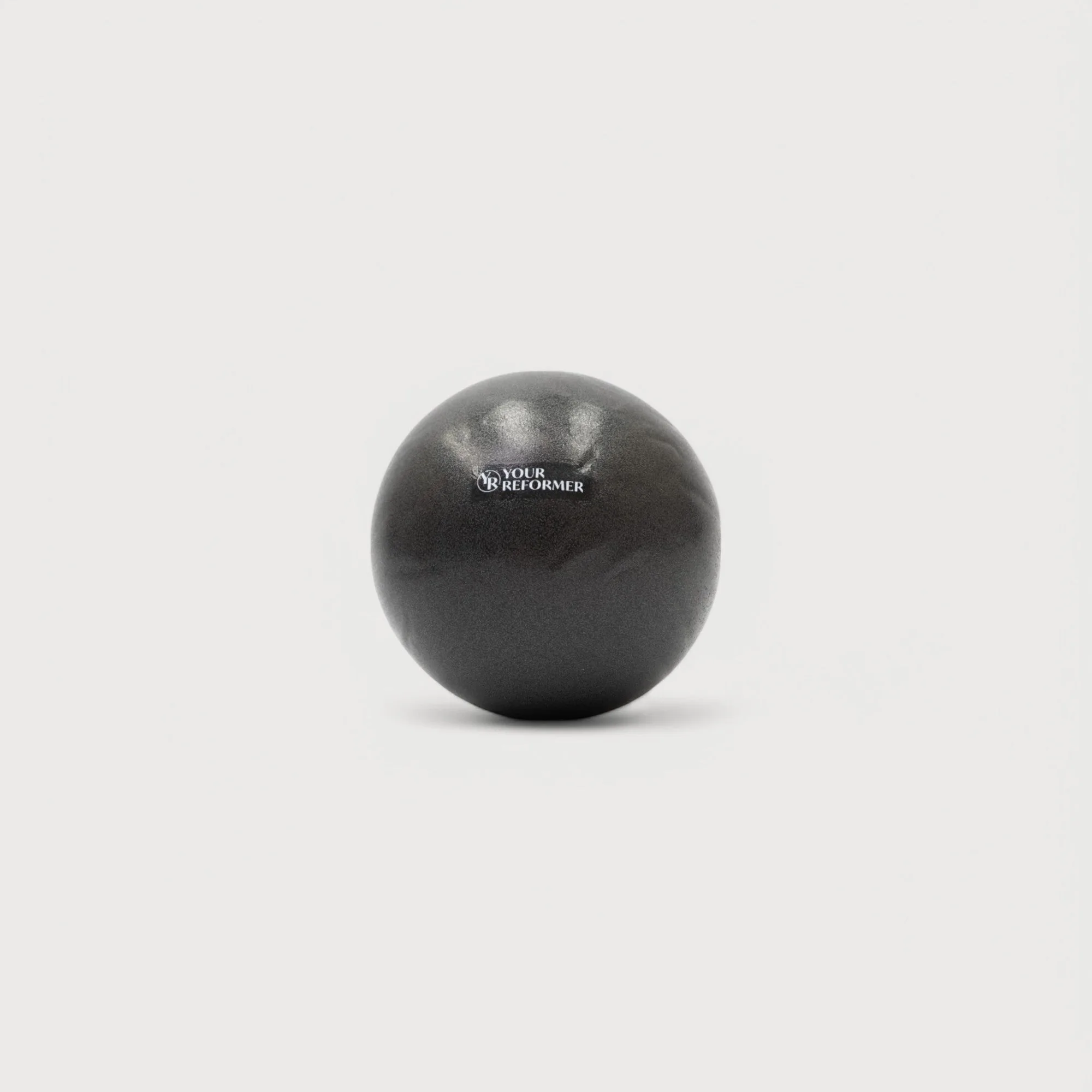
Pilates Ball