Your ramen bowl and chopsticks are more than just tools — they’re part of the experience. Whether you’re using a handcrafted Donhiki Ramen Bowl or a set of reusable chopsticks, proper care keeps them looking good and performing well for years. Unfortunately, many kitchenware pieces get ruined by dishwashers, harsh scrubbing, or improper drying.
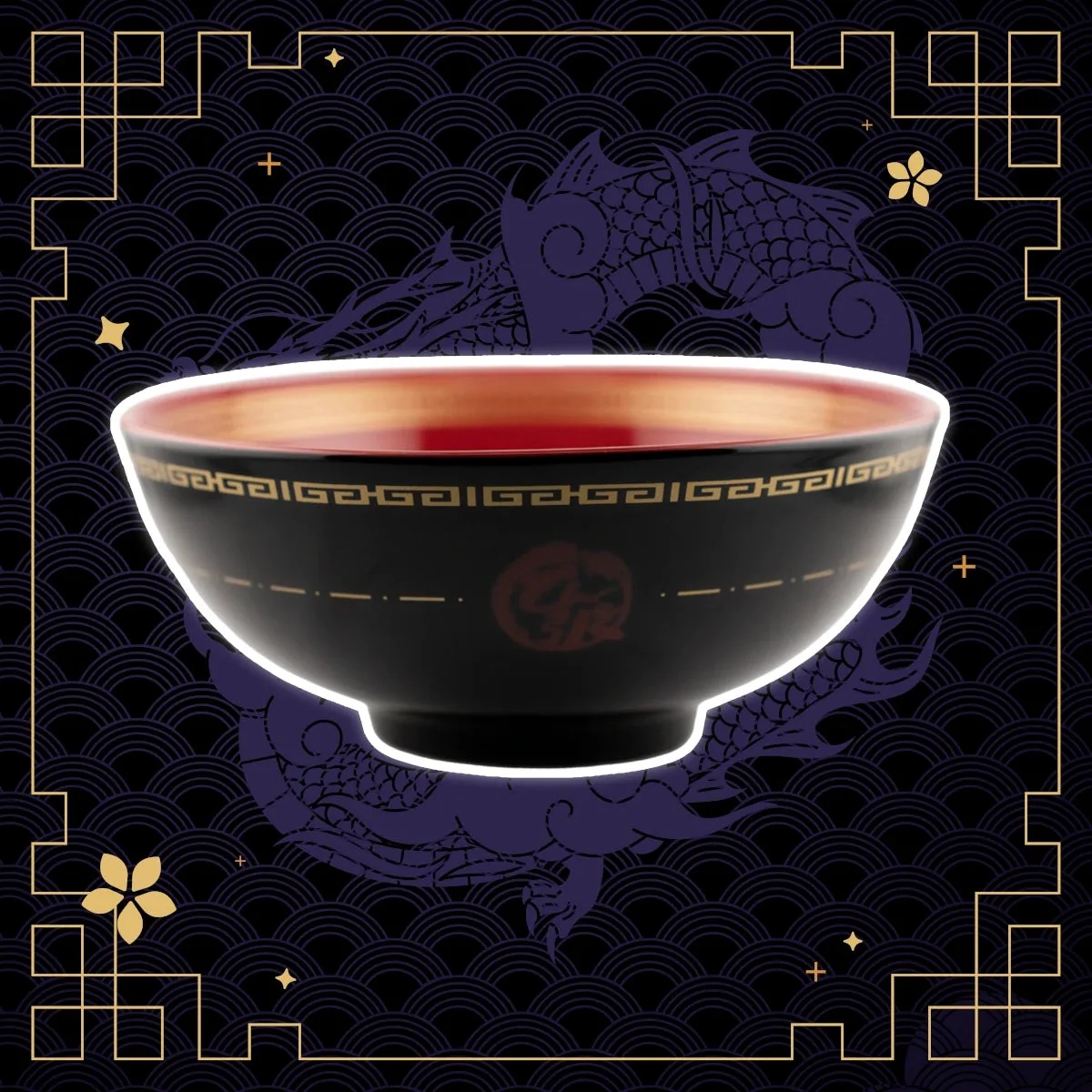
Donhiki Ramen Bowl
In this guide, you’ll learn practical, everyday methods to clean ramen bowl and maintain chopsticks without damaging the finish, material, or shape. We’ll cover ceramic bowls, wooden chopsticks, and common pitfalls to avoid — plus a few tips for keeping your entire ramen kit in top shape.
Why Hand-Washing Is Best for Most Ramen Bowls
Even if your ramen bowl is labeled dishwasher-safe, hand-washing is almost always gentler on the glaze and any decorative details. High heat and harsh detergents can dull the finish over time, especially on matte or hand-painted surfaces like those found on the Donhiki Ramen Bowl. Use a soft sponge and mild dish soap — avoid abrasive pads or steel wool that can scratch the glaze.
For stubborn stains from soy sauce or chili oil, let the bowl soak in warm, soapy water for 10–15 minutes before washing. If a stain persists, make a paste of baking soda and water and gently rub it in with your fingers or a soft cloth. Rinse thoroughly and dry with a lint-free towel. This routine is the foundation of good ramen bowl care tips.
- Always dry your bowl completely before stacking to prevent moisture buildup and potential mold.
How to Care for Wooden Chopsticks
Wooden chopsticks require a different approach than ceramic or plastic utensils. They are porous and can absorb moisture, oils, and odors if left wet. To maintain chopsticks, wash them by hand in warm, soapy water immediately after use — don’t let them soak for more than a few minutes, as prolonged exposure to water can cause cracking or warping.
After washing, dry them thoroughly with a clean towel and let them air-dry completely before storing. Never put wooden chopsticks in the dishwasher; the heat and moisture will degrade the wood and may cause splintering. For extra protection, you can occasionally rub them with a food-safe mineral oil to nourish the wood and prevent drying. This simple routine makes dokibento chopsticks care (or any wooden pair) easy and effective.
- Store chopsticks in a well-ventilated area, not in a sealed drawer, to allow any residual moisture to evaporate.
Avoiding Common Kitchenware Care Mistakes
One of the biggest mistakes people make is stacking heavy bowls or using metal utensils that can chip the rim. Always place a soft cloth or paper towel between stacked bowls to protect the glaze. For chopsticks, avoid leaving them in direct sunlight or near a heat source, as UV rays and heat can fade the finish and weaken the wood.
Another often-overlooked tip: don’t store chopsticks point-down in a utensil holder where moisture can collect at the tips. Instead, store them horizontally or point-up in a dry container. And if you ever notice a rough spot on your chopsticks, lightly sand it with fine-grit sandpaper (400+ grit) and re-oil. These small habits go a long way in how to care for kitchenware properly.
- Rotate your chopstick sets if you have multiple pairs — this extends their lifespan by distributing wear.
Cleaning and Storing Other Ramen Essentials
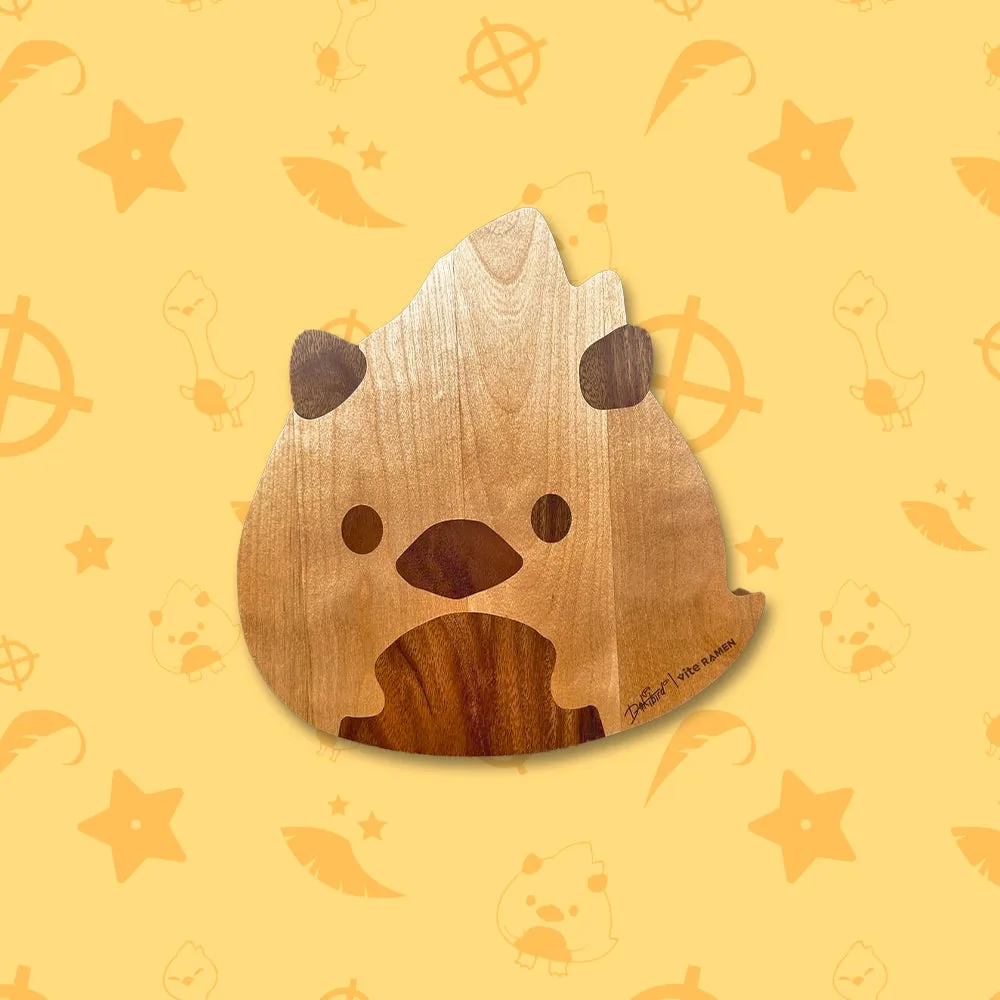
Beyond bowls and chopsticks, your ramen toolkit might include a Donhiki Parawood Cutting Board or a Shadow Honing Rod for knife maintenance. Wooden cutting boards should be hand-washed, dried immediately, and oiled monthly with food-grade mineral oil. Honing rods, on the other hand, can be wiped with a damp cloth and dried — no need for soap unless they’re greasy.
If you use reusable silicone or stainless steel chopsticks, you can usually wash them in the dishwasher, but check the manufacturer’s instructions first. For any kitchenware, the golden rule is to avoid drastic temperature changes — don’t put a hot bowl into cold water, and don’t run cold chopsticks under hot water. Consistent, gentle care keeps everything in great condition.
- For a complete ramen experience, pair your well-maintained bowls with fresh noodles and toppings from Vite Ramen’s selection.
Taking a few extra minutes to hand-wash and dry your ramen bowl and chopsticks will keep them looking beautiful and functioning well for many meals. By following these simple care routines, you protect your investment and ensure every bowl of ramen feels as good as the first. Remember: gentle cleaning, thorough drying, and mindful storage are the keys to long-lasting kitchenware.