Your tactical backpack is more than just a bag—it's a critical piece of gear that carries your essentials, protects your equipment, and supports you in the field. Whether you use it for everyday carry (EDC), hiking, or emergency preparedness, keeping it clean and well-maintained ensures it performs when you need it most. Neglect can lead to worn-out zippers, faded fabric, and even mold, reducing its lifespan and reliability.
In this guide, we'll walk you through the best practices for cleaning and maintaining your tactical backpack. From regular spot cleaning to deep washes and proactive care, you'll learn how to preserve its durability and functionality for years to come. Plus, we'll highlight some essential accessories that can complement your backpack care routine.
Why Tactical Backpack Maintenance Matters
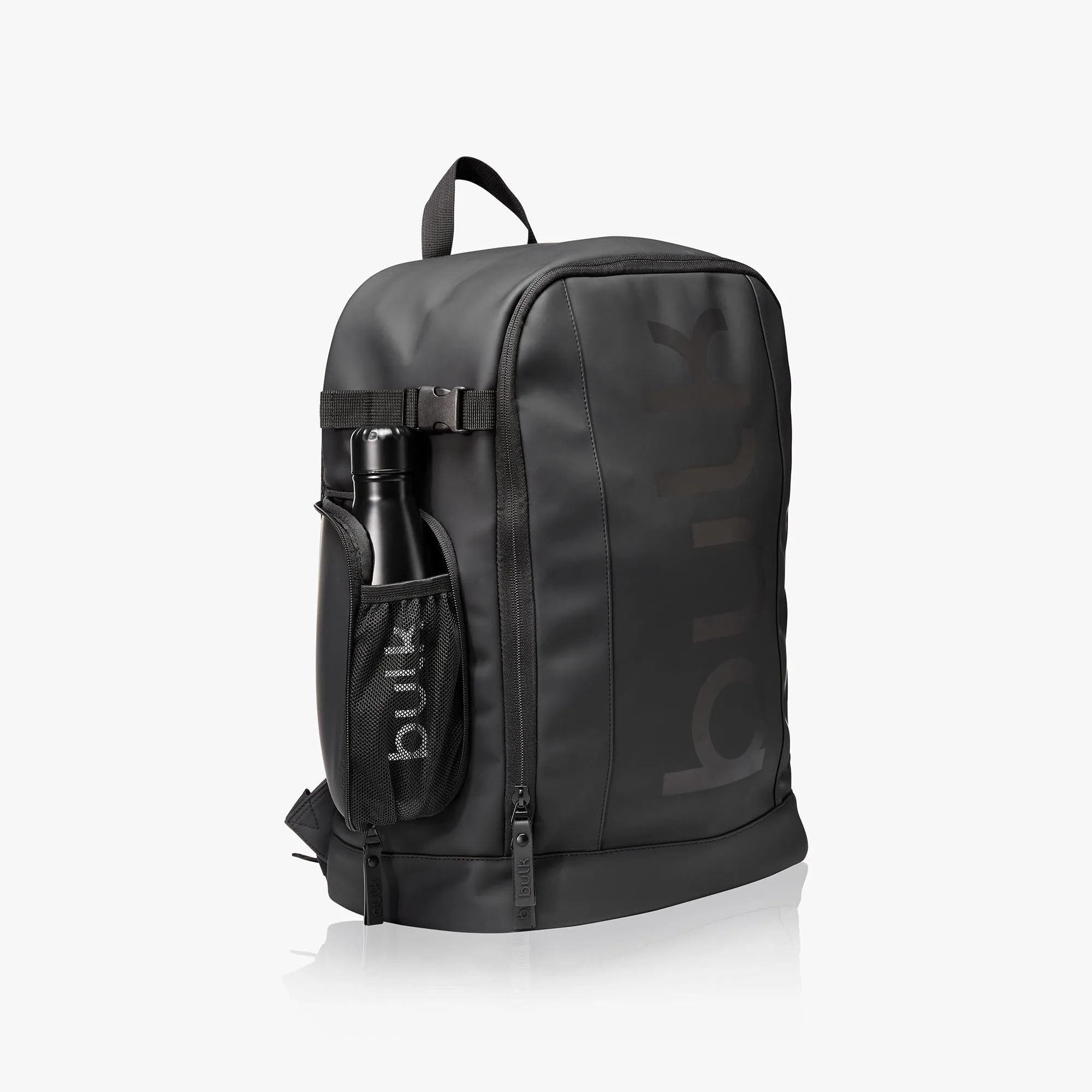
A tactical backpack is an investment in your preparedness and daily efficiency. Unlike ordinary backpacks, tactical packs are built with rugged materials like 1000D nylon, reinforced stitching, and heavy-duty zippers. However, even the toughest gear needs proper care. Dirt, sweat, and moisture can degrade fabrics, corrode hardware, and weaken seams over time. Regular maintenance not only extends the life of your pack but also ensures that it remains waterproof, comfortable, and ready for action.
Moreover, a clean backpack is more hygienic. If you use your pack for EDC, you likely carry snacks, electronics, and clothing. Accumulated grime can harbor bacteria and odors, making your gear unpleasant to use. By incorporating simple maintenance habits, you can keep your backpack looking and smelling fresh, which is especially important if you use it daily.
- Inspect your backpack after each use for dirt, damage, or loose threads.
- Store your pack in a cool, dry place away from direct sunlight to prevent UV damage.
Pre-Cleaning: Empty and Inspect Your Backpack
Before you begin cleaning, always empty your backpack completely. Remove all items, including small gear, pouches, and any removable inserts. This not only makes cleaning easier but also gives you a chance to inspect the interior for crumbs, spills, or forgotten items that could cause damage or odors.
Once empty, inspect the entire backpack—inside and out—for any signs of wear. Check the seams, zippers, buckles, and straps. Look for frayed threads, rusted hardware, or tears in the fabric. Addressing small issues early can prevent them from becoming major problems. If you find any loose stitching, reinforce it with a heavy-duty needle and thread. For damaged zippers, apply a silicone-based lubricant to keep them moving smoothly.
- Use a soft brush or vacuum attachment to remove loose dirt and debris from pockets and crevices.
Spot Cleaning: Quick Fixes for Everyday Dirt
For light dirt and stains, spot cleaning is often sufficient. Mix a small amount of mild detergent (like dish soap or a specialized gear cleaner) with warm water. Dip a soft cloth or sponge into the solution and gently scrub the affected areas. Avoid using harsh chemicals, bleach, or abrasive brushes, as these can damage the fabric's water-repellent coating and fade colors.
Pay extra attention to high-contact areas like the bottom of the backpack, the shoulder straps, and the back panel, which accumulate sweat and oils. After spot cleaning, wipe the area with a clean, damp cloth to remove any soap residue, and allow it to air dry completely before using the backpack again.
- For stubborn stains, apply a small amount of baking soda paste and let it sit for 15 minutes before scrubbing.
Deep Cleaning: When and How to Wash Your Tactical Backpack
Every few months, or after heavy use, your tactical backpack will need a deeper clean. Most tactical packs are not machine washable—the agitation can damage the fabric and hardware. Instead, hand washing is the safest method. Fill a bathtub or large sink with lukewarm water and add a gentle detergent. Submerge the backpack and use a soft brush to scrub the entire surface, inside and out. Pay special attention to the interior lining and any stains.
After scrubbing, rinse thoroughly with clean water until no soap remains. Squeeze out excess water gently—do not wring or twist the backpack, as this can distort its shape. Hang it upside down in a well-ventilated area to dry, away from direct heat or sunlight. Ensure it is completely dry before storing or using it to prevent mold and mildew growth.
- Never use a washing machine or dryer for tactical backpacks unless the manufacturer explicitly states it's safe.
- For extra odor control, add a cup of white vinegar to the rinse water.
Drying and Reapplying Water Repellent
Proper drying is crucial to maintain the integrity of your backpack. After washing, stuff the backpack with towels or newspaper to help it retain its shape while drying. This also absorbs excess moisture from the inside. Place it in a well-ventilated area, but avoid direct sunlight, which can fade the fabric. Depending on the material, drying can take 24 to 48 hours.
Once dry, you may want to reapply a water-repellent treatment. Many tactical backpacks come with a durable water repellent (DWR) finish that wears off over time. Use a spray-on waterproofing product designed for nylon or polyester to restore the pack's ability to shed water. This is especially important if you use your backpack in wet conditions.
- Test any water-repellent spray on a small, inconspicuous area first to ensure it doesn't discolor the fabric.
Ongoing Maintenance Tips for Longevity
Beyond cleaning, regular maintenance can significantly extend the life of your tactical backpack. Here are some key habits to adopt:
First, avoid overloading your backpack beyond its intended capacity. Excessive weight can strain the seams and zippers, leading to premature failure. Second, keep your backpack away from sharp objects that could puncture the fabric. If you carry tools or gear with sharp edges, use protective pouches or wrap them in cloth.
Third, pay attention to the zippers. If they start to stick, apply a zipper lubricant or rub a bar of soap along the teeth. Fourth, check and tighten any loose screws on buckles or clips. Finally, store your backpack properly—hang it on a hook or lay it flat in a dry, cool place. Avoid compressing it under heavy items, which can deform its shape.
- Consider using a tactical backpack rain cover for extra protection in wet weather.
Accessories to Complement Your Backpack Care
While caring for your backpack, you might also want to organize your gear with compatible accessories. For instance, our Tactical Cross Body Bags Small are perfect for quick access to essentials without opening your main pack. They're durable and easy to clean, making them a great addition to your EDC setup.
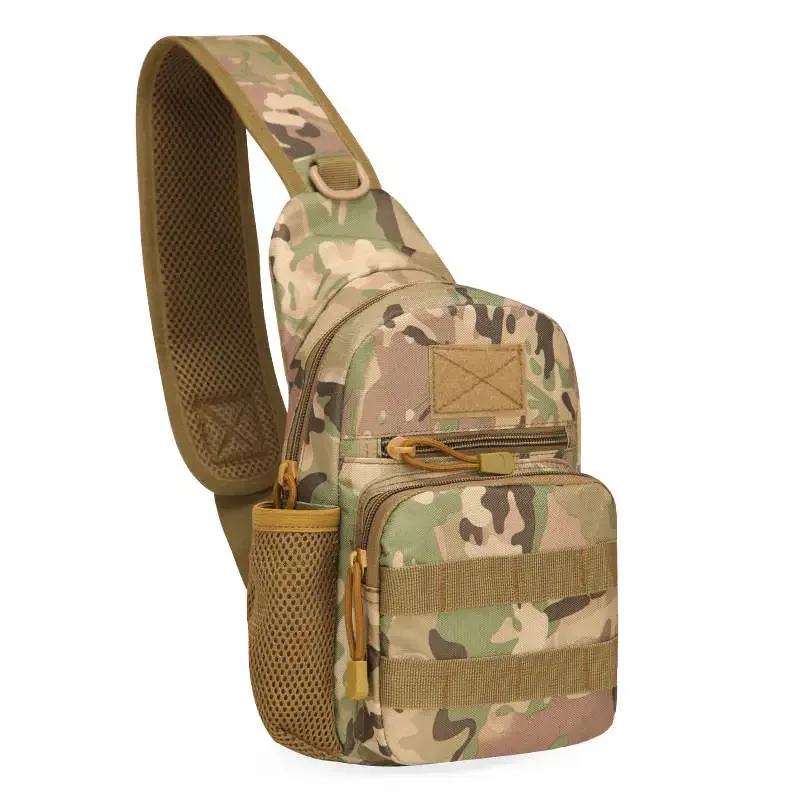
Tactical Cross Body Bags Small
If you carry a hydration bladder or water bottle, a Bottle Koozies 1 can keep your drinks cold and protect your pack from condensation. And for those who like to personalize their gear, Tactics & Gear AR Patches are a fun way to add style, and they can be easily removed before washing your backpack. These accessories not only enhance your carry system but also help keep your backpack organized and protected.
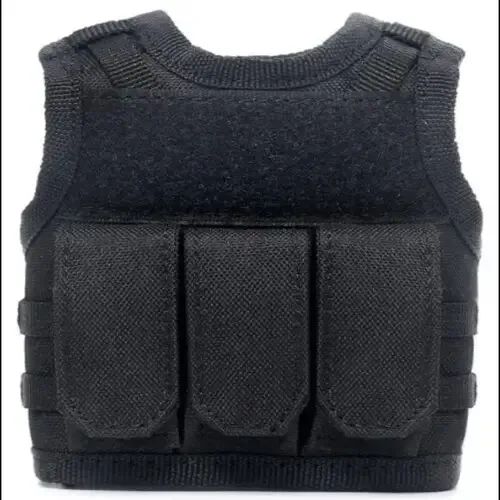
Bottle Koozies 1
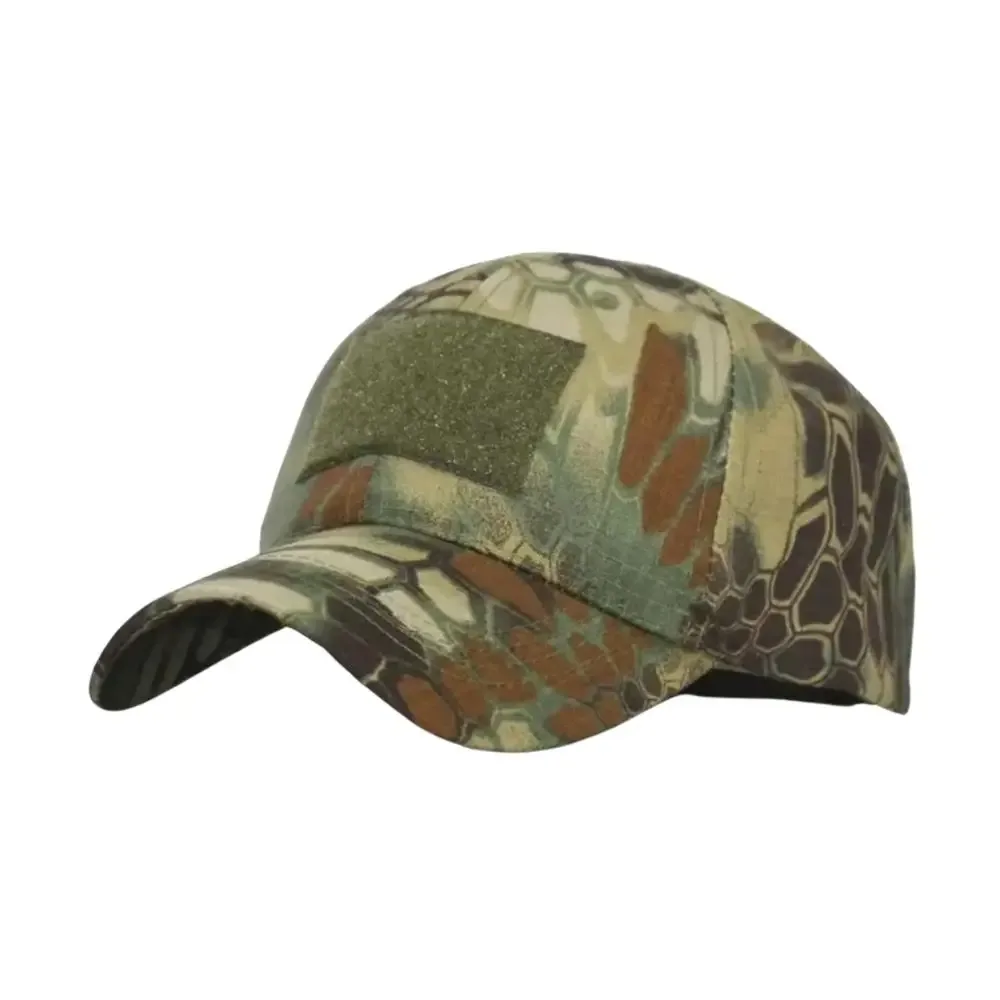
- Use a Tactical Hat to shield your face from the sun during outdoor adventures—it's also easy to clean and maintain.
Maintaining your tactical backpack doesn't have to be a chore. With regular spot cleaning, periodic deep washes, and simple preventive measures, you can keep your pack in top condition for years. Remember, a well-maintained backpack is a reliable companion on every mission. So, take the time to care for your gear, and it will serve you faithfully. Explore our range of tactical accessories, like the Tactical Cross Body Bags Small, to complement your backpack and elevate your everyday carry.