Why Proper Care Matters
The Tawashi Brush is a durable, biodegradable kitchen companion. With a little routine care, it stays effective for scrubbing cookware and root vegetables. The key is keeping it clean and dry between uses.
How to Clean Your Tawashi Brush After Each Use
Follow these simple steps after every use to remove food particles and prevent buildup.
- Rinse thoroughly: Hold the brush under warm running water and use your fingers to work out any trapped debris from the bristles.
- Remove marks from flatware: For superficial marks left on flatware, use the Tawashi Brush with a scouring powder. This is a specific use noted in the product instructions.
- Shake off excess water: Give the brush a firm shake to remove most of the water from the bristles.
Drying Your Tawashi Brush
Proper drying prevents mildew and extends the brush's life. After shaking off water, place the brush in a well-ventilated area, bristles pointing down. Avoid storing it in a closed drawer or damp sink caddy while wet. Let it air dry completely before the next use.
When to Replace Your Tawashi Brush
As a natural fiber brush, the Tawashi Brush will eventually show wear. Replace it when the bristles become frayed, loose, or no longer scrub effectively. With regular care, it can last through many kitchen tasks.
What the Tawashi Brush Offers
-
Tawashi Brush: The durable biodegradable Tawashi Brush is a kitchen cleaning staple. Its natural materials make it eco-friendly, but they also require proper drying to avoid premature wear.
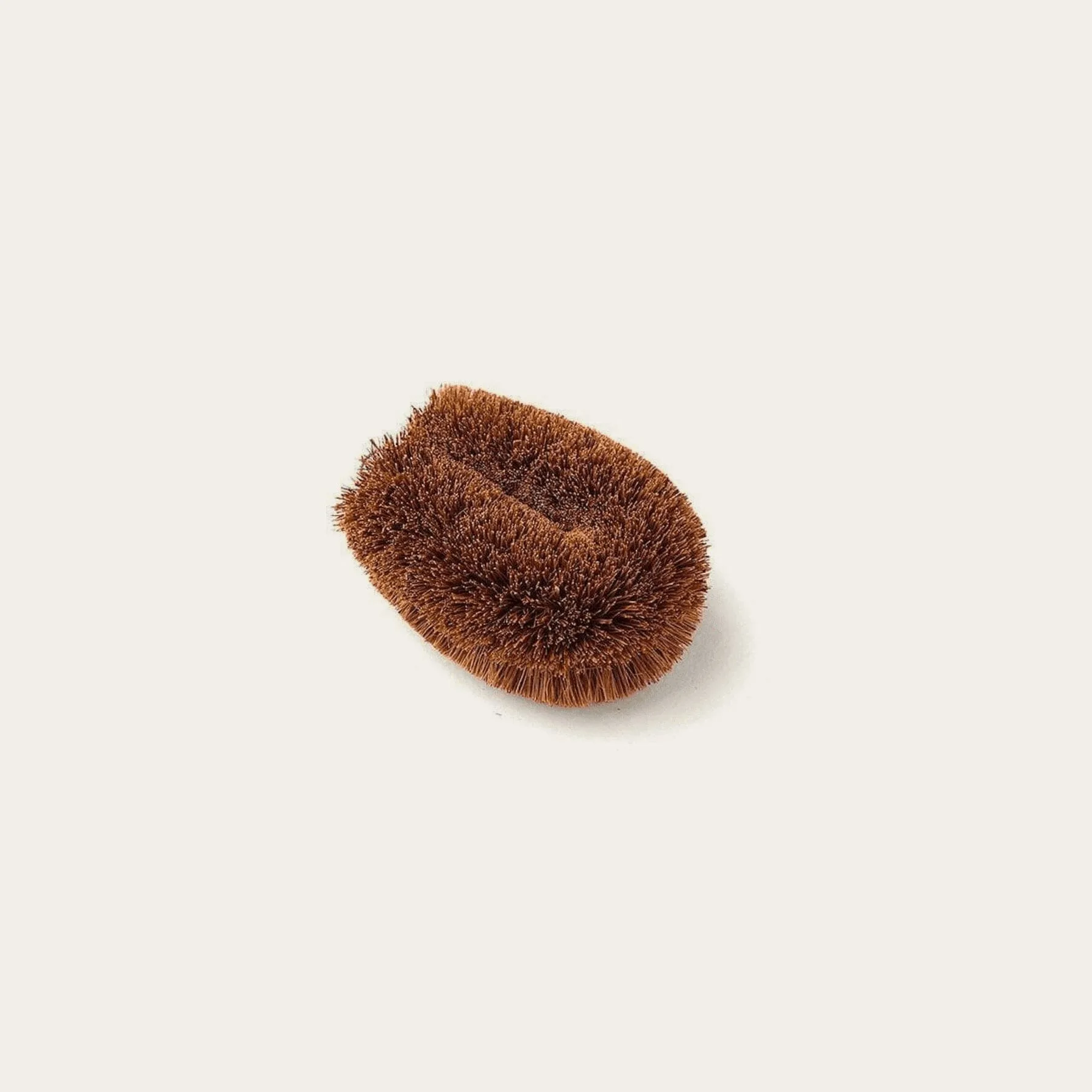
Tawashi Brush
-
Tawashi Brush: Remove superficial marks caused by flatware with the Tawashi Brush and a scouring powder. This confirms a specific cleaning use that may require a scouring powder—not just water.
-
Tawashi Brush: Use to scrub root vegetables including carrots, radishes, and potatoes. The brush is versatile for produce, but be sure to rinse food particles out of the bristles afterward.