Your teaware is more than just a vessel—it's an investment in daily ritual, flavor, and aesthetic pleasure. Whether you own delicate porcelain cups, a sturdy cast iron teapot, or elegant glass infusers, proper care ensures they remain beautiful and functional for years. Unfortunately, many tea lovers unknowingly damage their teaware with harsh cleaners, abrasive scrubbing, or neglect, leading to stains, cracks, and off-flavors.
In this guide, we'll walk you through the best practices for cleaning and maintaining different types of teaware, from everyday cups to special-occasion tea sets. You'll learn how to remove stubborn tea stains, prevent mineral buildup, and store your pieces safely. With a little mindful care, your favorite teaware—including the Darjeeling Classic Caddy or a set of fine teacups—will continue to bring joy cup after cup.
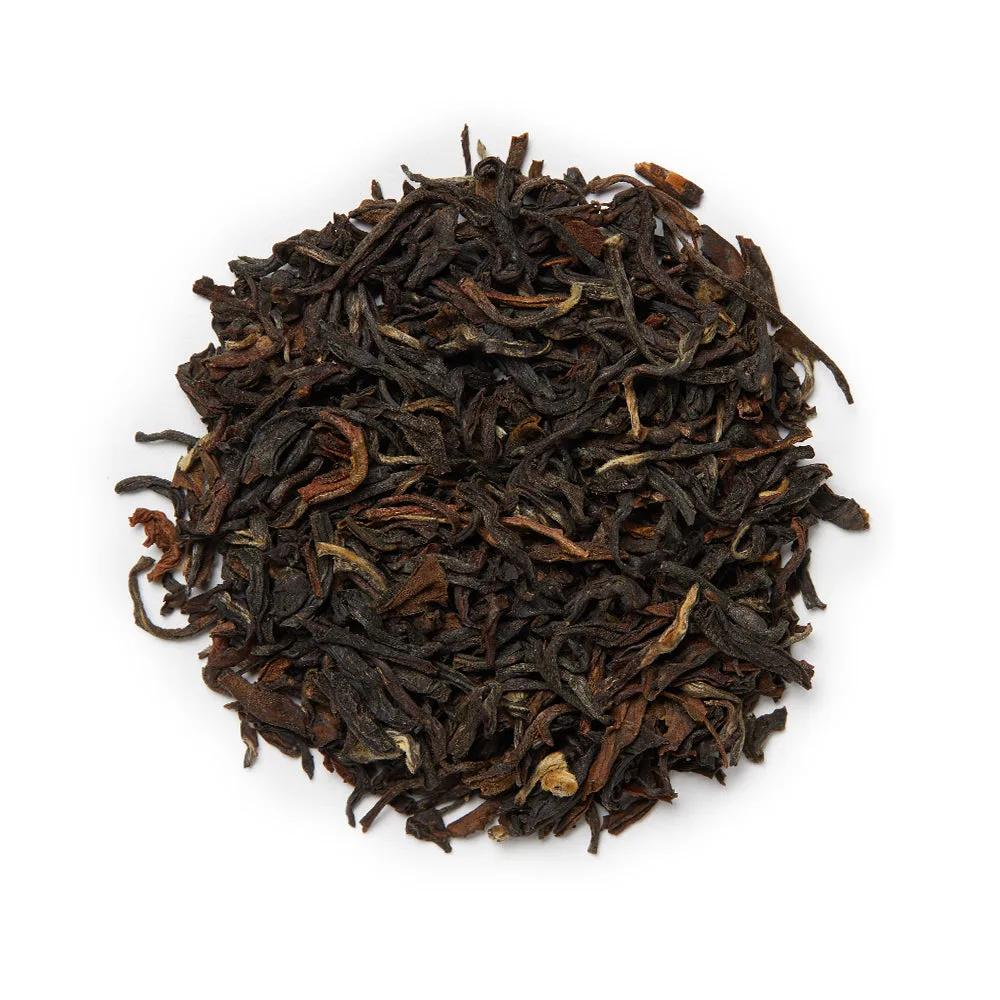
Darjeeling Classic Caddy
Why Proper Teaware Care Matters
Tea contains tannins and natural oils that can leave stubborn stains on cups, teapots, and infusers. Over time, these residues not only dull the appearance of your teaware but can also alter the taste of your tea. A clean teapot ensures that each brew tastes as intended, without lingering bitterness or musty notes from previous infusions.
Additionally, many teaware materials—such as unglazed clay, fine bone china, and hand-painted porcelain—are porous or delicate. Abrasive cleaners, dishwashers, or sudden temperature changes can cause cracks, crazing, or fading. By adopting gentle cleaning methods and proper storage, you extend the life of your teaware and preserve its value, whether it's a cherished gift or a personal indulgence.
- Prevents off-flavors from old tea residues
- Protects delicate surfaces from scratches and cracks
- Maintains the beauty of hand-painted or gilded designs
Daily Cleaning Tips for Common Teaware Materials
For most teaware, the best daily cleaning method is simple: rinse immediately after use with warm water and a soft sponge. Avoid using dish soap on unglazed clay or Yixing teapots, as the porous material absorbs soap residues that can taint future brews. For glazed porcelain, glass, and stainless steel, a mild, unscented dish soap is safe.
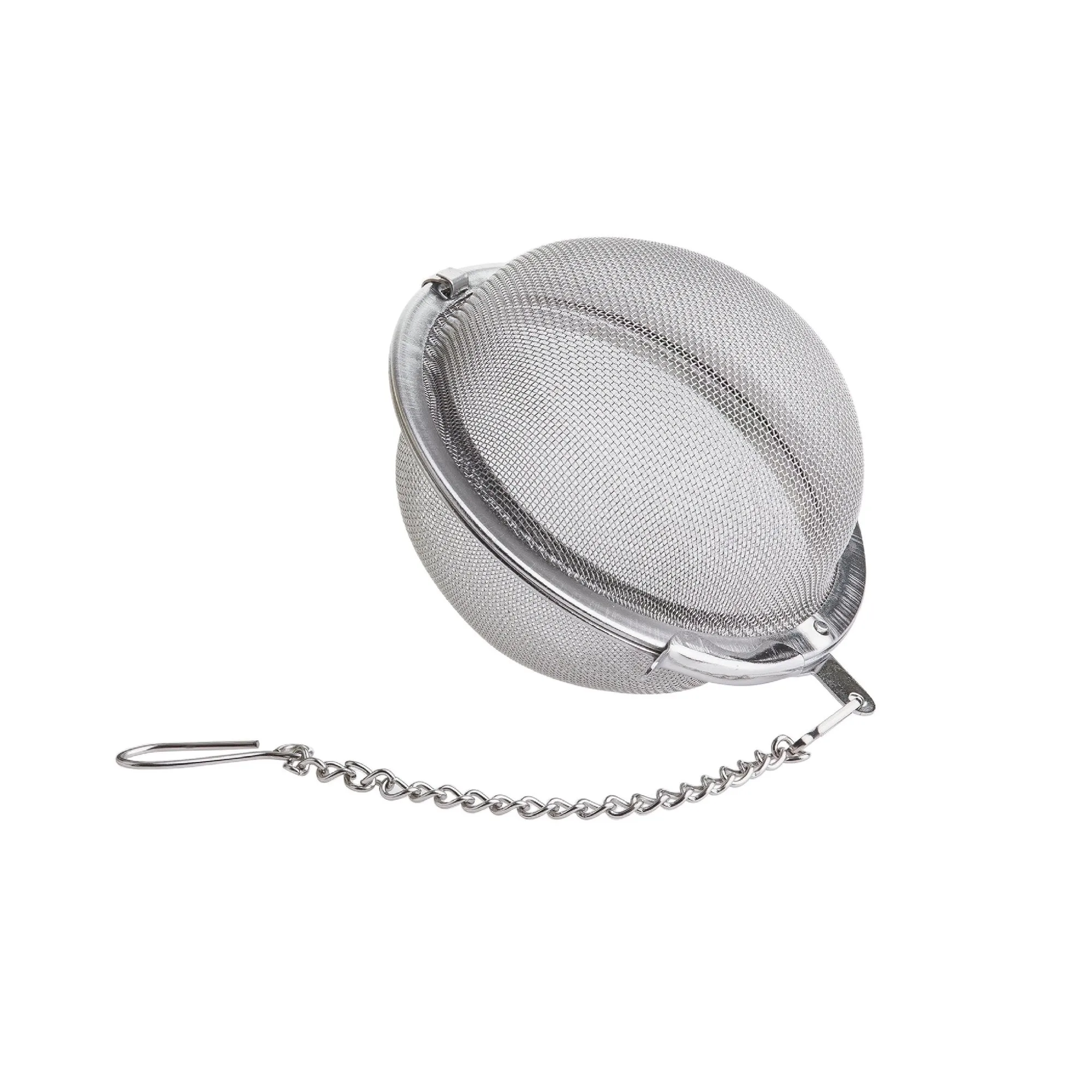
For items like the Ginger & Lemon Silken Pyramids, which are single-use tea bags, no teaware cleaning is needed—but the cup you brew them in still benefits from a quick rinse. For loose-leaf infusers, empty the leaves promptly and rinse the mesh to prevent clogging. Never use steel wool or abrasive pads, as they can scratch glossy surfaces and remove gold or platinum accents.
- Rinse teaware immediately after use to prevent stains
- Use a soft sponge or cloth—never abrasive scrubbers
- Avoid dish soap on unglazed clay or porous materials
How to Remove Stubborn Tea Stains Naturally
Even with daily rinsing, tea stains can build up over time, especially on white porcelain or ceramic interiors. The most effective and gentle stain remover is baking soda. Make a paste with a little water, apply it to the stained area with a soft cloth or toothbrush, and gently rub in circular motions. Rinse thoroughly. For deeper stains in teapots, fill the pot with warm water and add a tablespoon of baking soda, let it sit for an hour, then scrub lightly.
White vinegar diluted with water (1:3 ratio) is another natural option for removing mineral deposits and tea film. However, avoid using vinegar on unglazed clay or antique pieces, as the acid can damage the surface. For glass teaware, a mixture of rice and water shaken gently inside the vessel can lift stains without scratching. Remember to rinse all items thoroughly after any cleaning treatment.
- Baking soda paste: gentle and effective for porcelain and ceramic
- Diluted white vinegar for mineral deposits (avoid on unglazed clay)
- Rice and water shake method for glass infusers and teapots
Caring for Special Teaware: Teapots, Cups, and Caddies
Your teapot deserves extra attention, especially if it's made of cast iron (tetsubin) or unglazed clay. Cast iron teapots should never be scrubbed with soap—simply rinse with hot water and dry immediately to prevent rust. Occasionally, you can boil water in the pot to remove odors. For fine bone china cups and saucers, hand wash with warm water and a mild detergent, and avoid stacking them without protective padding.
Tea caddies, such as the Darjeeling Classic Caddy, are designed to store loose leaf tea and should be kept dry and away from direct sunlight. Wipe the interior with a dry cloth if needed—never wash with water, as moisture can cause rust or mold. Similarly, accessories like tea strainers and infusers should be rinsed and air-dried completely before storage to prevent bacterial growth.
- Cast iron: rinse with hot water only, dry immediately
- Fine bone china: hand wash, avoid stacking unprotected
- Tea caddies: wipe dry, never wash with water
Storing Your Teaware to Prevent Damage
Proper storage is just as important as cleaning. Store cups and saucers in a cabinet where they won't be bumped or knocked over. If you stack cups, place a soft cloth or felt pad between each one to prevent scratches. Teapots should be stored with the lid slightly ajar to allow air circulation and prevent musty odors. Avoid storing teaware in humid or damp environments, as this can encourage mold growth on porous materials.
For loose-leaf tea stored in caddies, keep the container in a cool, dark pantry away from spices or strong-smelling foods. The Rooibos Orange - 25 Tea Bags, for example, should be kept in their sealed packaging until use to preserve freshness. By treating your teaware with care, you ensure that every cup of tea—whether from a premium loose leaf or a convenient silken pyramid bag—tastes its absolute best.
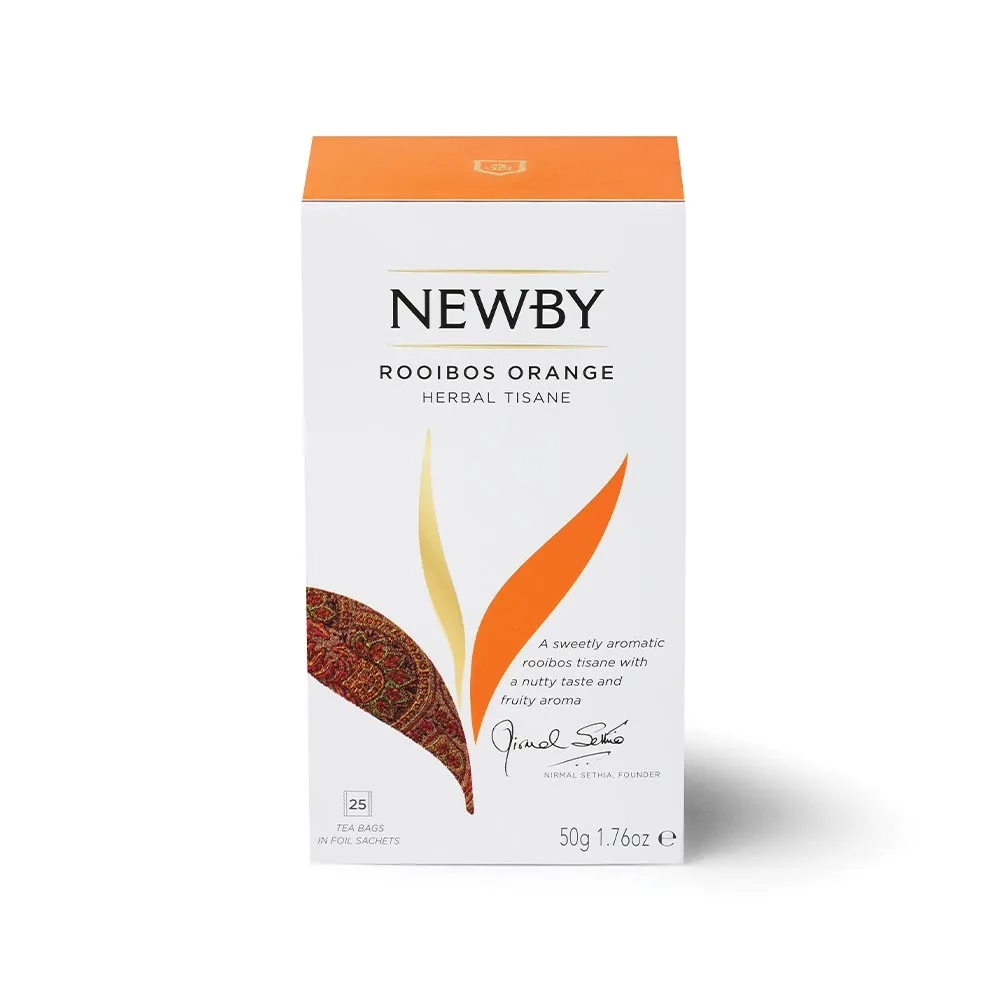
Rooibos Orange - 25 Tea Bags
- Use felt pads between stacked cups
- Store teapots with lid ajar for ventilation
- Keep teaware and tea in cool, dry, dark places
Caring for your teaware doesn't have to be complicated—just a few mindful habits can keep your cups, teapots, and accessories looking pristine and brewing perfectly for years. Whether you're cleaning a cherished heirloom or a new addition to your collection, gentle methods and proper storage make all the difference. Explore our range of premium teaware accessories to find the perfect companion for your daily tea ritual.