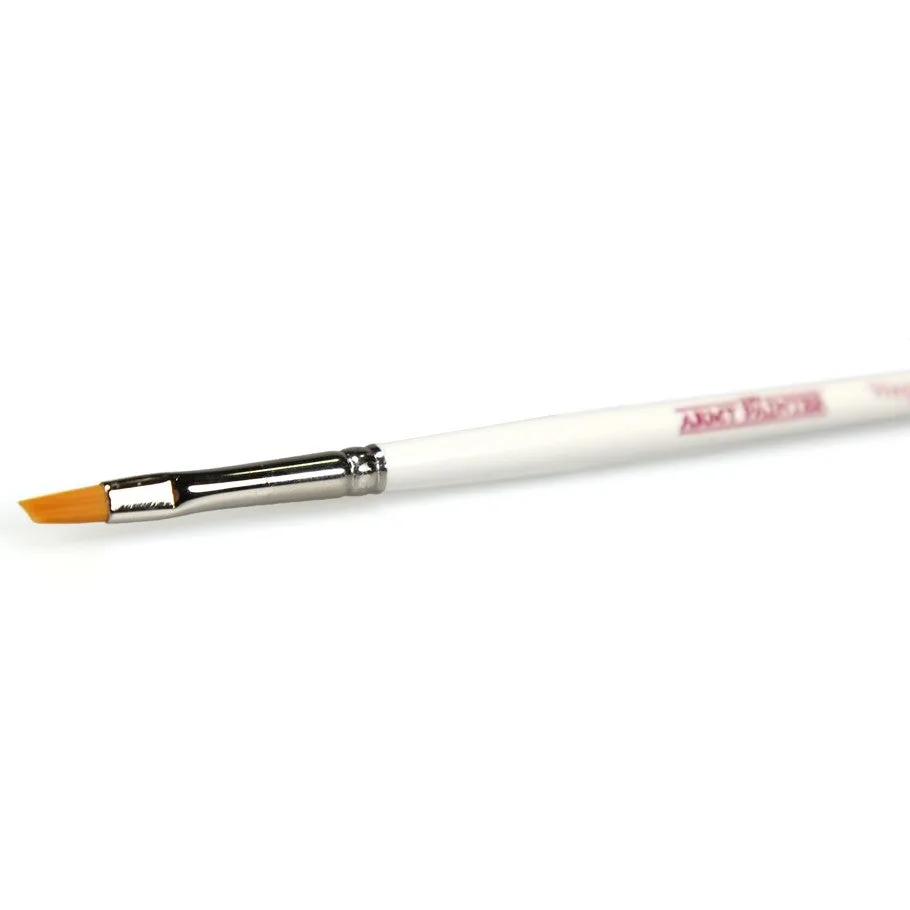
Why Brush Care Matters for Miniature Painting
A good brush can make the difference between a crisp edge and a messy blob. Whether you are basecoating a squad of infantry or picking out eyes on a character model, brushes that are clean and well-maintained last longer and perform better. The supplied information does not include detailed cleaning instructions from the manufacturers, but general hobby best practices apply to the brushes described here.
Know Your Brush Type
Brushes fall into two main categories: natural hair and synthetic. Natural hair brushes, like the Vallejo Pro Modeler Definition Natural Hair Brush Set, are made from premium natural hair and offer flexibility and smooth, flowing strokes. They are ideal for both large surface work and fine detailing. Synthetic brushes, such as The Army Painter Hobby Basecoating brush, are made from Toray synthetic hair and are designed as all-round brushes for basecoating. There are also special-purpose brushes like The Army Painter Wargamer Brush Small Drybrush, which is crafted for drybrushing small areas with a round handle for comfortable control.
Brush Types at a Glance
-
Vallejo Brush - Pro Modeler: "Definition" Natural Hair Brush Set: Vallejo Pro Modeler Definition Natural Hair Brush Set includes sizes 4/0, 3/0 and 2/0. Made from premium natural hair, offering flexibility and smooth strokes. Natural hair brushes need gentler cleaning and conditioning to avoid damaging the fine tips.

Vallejo Brush - Pro Modeler: "Definition" Natural Hair Brush Set
-
The Army Painter - Hobby Basecoating: The Army Painter Hobby Basecoating brush uses Toray synthetic hair. Designed as an all-round brush for basecoating. Synthetic bristles are more resistant to solvents and can handle more aggressive cleaning, but still benefit from proper care.
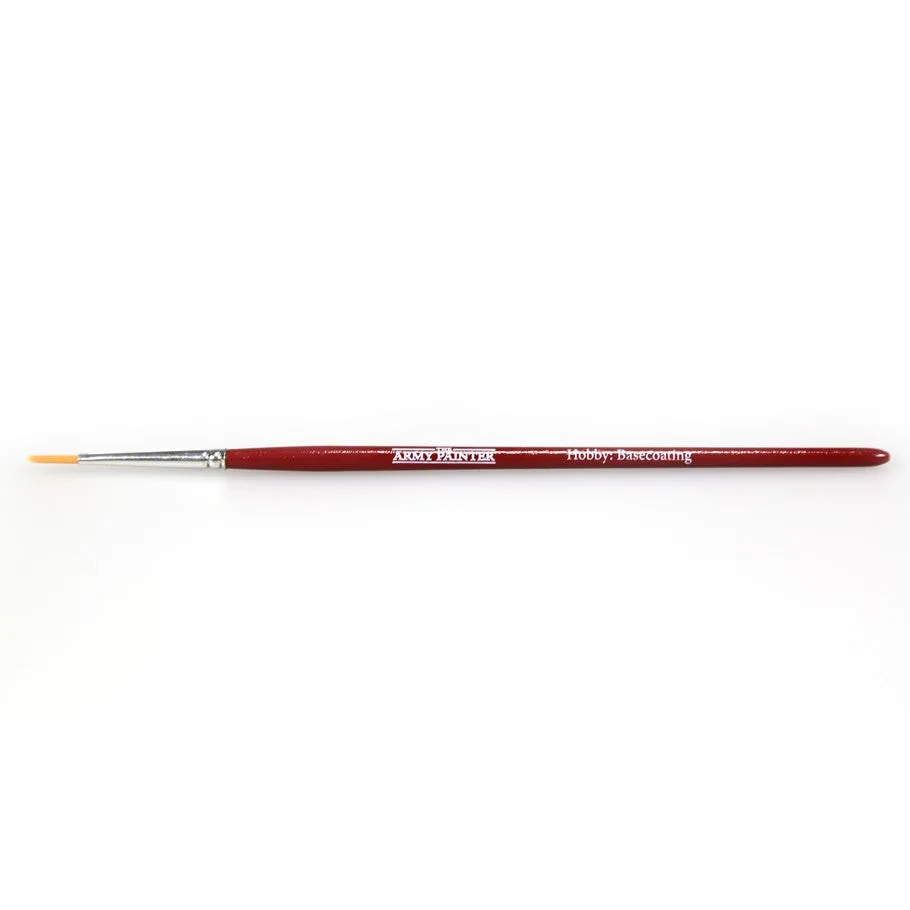
The Army Painter - Hobby Basecoating
-
The Army Painter Wargamer Brush - Small Drybrush: The Army Painter Wargamer Brush Small Drybrush is a special purpose brush for drybrushing small areas. Round handle for comfortable grip. Drybrushes often have stiff bristles that can trap dry paint; they need a different cleaning approach to maintain their texture.
General Brush Cleaning Routine
The following steps are based on common hobby practice. The supplied information does not include manufacturer-specific cleaning instructions, so these are general guidelines.
- Rinse immediately after use: Rinse the brush in clean water (or appropriate solvent for the paint type) to remove most of the paint before it dries. Swirl gently, do not mash the bristles against the bottom.
- Use a mild brush soap or conditioner: For natural hair brushes, a dedicated brush soap helps preserve the natural oils. For synthetic brushes, a mild dish soap can work. Work the soap into the bristles with a gentle lather.
- Reshape the tip: After rinsing, gently squeeze out excess water and reshape the brush tip with your fingers. Lay the brush flat to dry, never store it upright while wet.
- Store properly: Store brushes horizontally or with the tip pointing down in a container that protects the bristles. Avoid leaving them in water or solvent for long periods.
Special Care for Natural Hair Brushes
Natural hair brushes, like the Vallejo Pro Modeler set, are more delicate than synthetic ones. Avoid using harsh solvents that can dry out the natural oils. A brush conditioner or a drop of mild hair conditioner can help keep the bristles flexible. The supplied information does not confirm any specific conditioner, so a general hobby brush soap is a safe choice.
Caring for Synthetic Brushes
Synthetic brushes, such as The Army Painter Hobby Basecoating brush, are more resilient. They can tolerate a wider range of cleaning agents, including acrylic brush cleaners. However, avoid leaving paint to dry on the bristles, as it can cause splaying. Regular cleaning with a gentle soap will extend their life.
Drybrush Maintenance
The Army Painter Wargamer Brush Small Drybrush is designed for a specific technique that leaves paint in the bristles. After drybrushing, remove excess paint by brushing on a paper towel. For deeper cleaning, use a stiff brush cleaner or a gentle scrub with soap and water. Avoid soaking the ferrule (the metal part) to prevent loosening.