Quick answer
Clean most crystal bracelets with a dry or barely damp soft cloth, not a soak. Keep water away from any bracelet with sterling silver charms, and recharge stones by placing the bracelet on selenite, in moonlight, or in indirect sunlight for a few hours. If a bracelet contains soft or water-sensitive stones, dry cleaning is always the safer choice.
Why crystal bracelet care is different from ordinary jewelry care
Crystal bracelets combine at least two materials that respond differently to cleaning: the stone beads and the elastic cord or metal findings. A method that is safe for one can ruin the other. For example, a wet cloth may be fine for a quartz bead but can dull a sterling silver charm or weaken an elastic cord over time.
This is why crystal jewelry maintenance is less about scrubbing and more about matching the method to the materials. Before you clean any bracelet, identify the stones, check for metal charms or spacers, and look at how the bracelet is strung. If you are unsure what a stone is, treat it as delicate and start with the gentlest method.
How to clean crystal bracelet beads without damage
For most beaded bracelets, dry cleaning is enough. Use a soft, lint-free cloth and wipe each bead individually, rotating the bracelet as you go. This removes skin oils, dust, and lotion residue without introducing moisture. For crevices around beads, a dry soft-bristle brush, such as a clean makeup brush, works better than a cloth.
If the bracelet has no metal and the stones are known to be water-safe, you can use a barely damp cloth instead of a wet one. Wring it out until it feels almost dry, wipe the beads, then dry immediately with a second cloth. Never submerge a crystal bracelet in water unless you have confirmed both the stone and the cord are water-safe.
One common mistake is using jewelry cleaner or ultrasonic cleaners on crystal bracelets. These are designed for metal and hard stones, not for porous or soft crystal beads, and they can strip finishes or crack stones. Stick to mechanical cleaning with a cloth or brush.
- Use a separate cloth for cleaning and drying to avoid spreading oils.
- Clean over a soft surface so dropped beads do not bounce or chip.
- If a bead feels loose, stop cleaning and address the cord first.
How to avoid crystal bracelet water damage
Water damage to crystal bracelets usually shows up in two places: the stone surface and the cord. Porous stones can absorb water and change color or develop a cloudy film. Elastic cord can stretch, weaken, or grow mildew if it stays wet. Sterling silver charms can tarnish faster when exposed to water and soap.
The safest rule is to remove your bracelet before showering, swimming, washing dishes, or applying lotion, perfume, or sunscreen. If a bracelet does get wet, blot it dry immediately rather than letting it air dry. Do not use heat to speed drying, because sudden temperature changes can stress some stones.
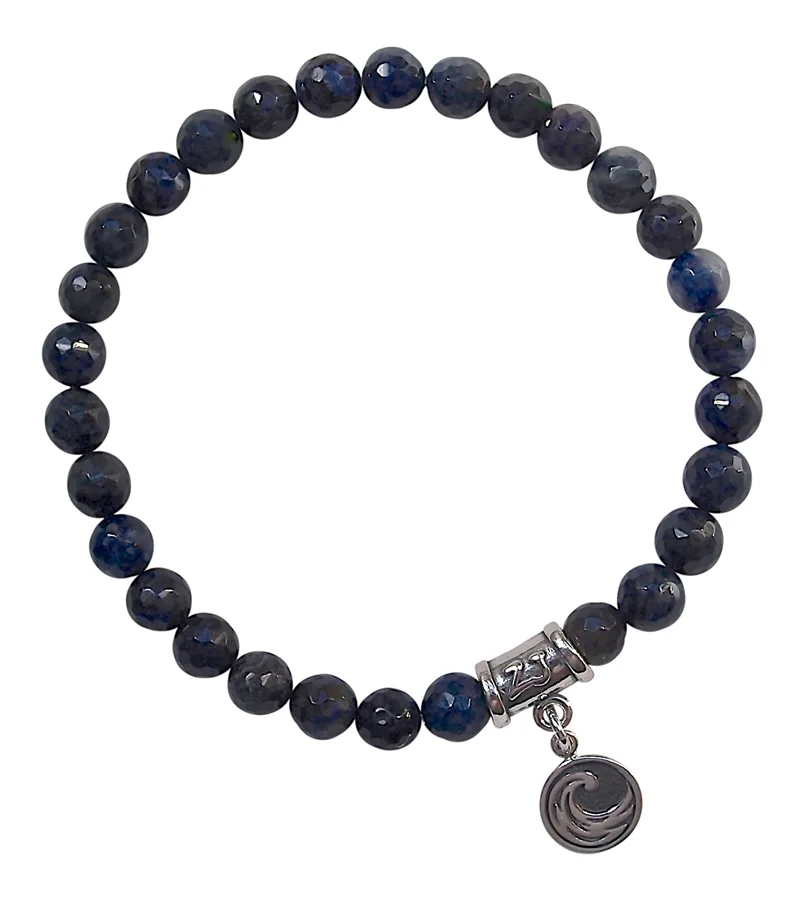
If your bracelet includes sterling silver element charms, such as the Dumortierite Bracelet ELEMENT WATER, treat the metal as the limiting factor. Wipe the beads with a dry cloth and polish the silver charm with a dry silver cloth rather than exposing the whole bracelet to water.
How to recharge crystal bracelet energy
Recharging is a matter of intention and routine, not a technical requirement. The most practical methods are selenite charging, moonlight, and indirect sunlight. Each has tradeoffs. Selenite is dry and gentle, which makes it a good default for bracelets with metal or cord. Moonlight is slow but safe for almost any stone. Indirect sunlight is convenient but can fade stones like amethyst or rose quartz over time.
A simple recharge crystal bracelet routine is to place the bracelet on a selenite slab or bowl overnight, or set it on a windowsill during a full moon. If you use sunlight, keep it indirect and limit exposure to a few hours. Avoid saltwater and salt beds for bracelets with metal charms, because salt accelerates tarnish and can scratch bead surfaces.
You can also recharge by intention: hold the bracelet, set a clear purpose for it, and return it to its storage spot. This costs nothing and works alongside any of the physical methods above.
- Selenite charging crystal: place the bracelet on or near selenite for several hours or overnight.
- Moonlight: leave the bracelet on a windowsill during a full or new moon.
- Indirect sunlight: limit to a few hours and check for fading on colored stones.
When to skip recharging and clean instead
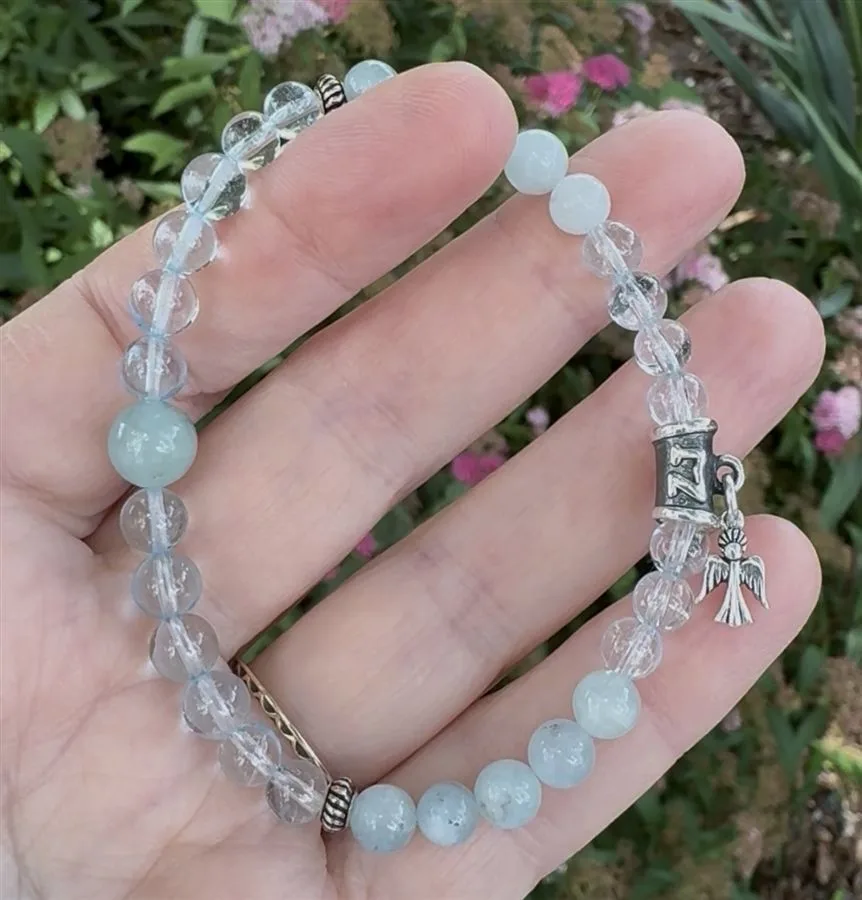
Recharging does not remove physical dirt, and cleaning does not reset intention. If your bracelet looks dull or feels tacky, clean it first. If it feels heavy or you simply want a fresh start, recharge it. For bracelets with delicate settings or one-of-a-kind stone blends, such as the One of a Kind Bracelet BLUE TOPAZ Bracelet, prioritize cleaning with a dry cloth and avoid any method that involves soaking or salt.
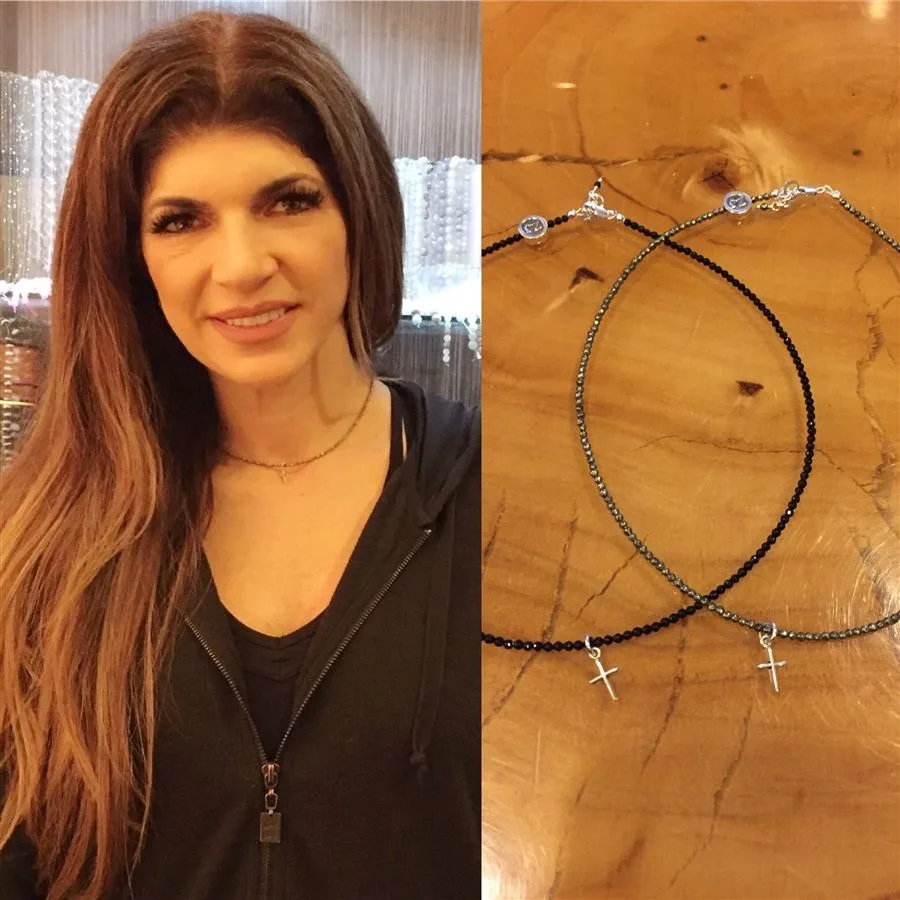
If a bracelet has a choker-style design or a fixed metal element, check the clasp and any charms before cleaning. A Healing Crystal CHOKER NECKLACE, for example, may have a clasp or chain that benefits from a dry polish rather than a wet wipe.
Step-by-step crystal bracelet cleaning and recharging routine
- Inspect before you clean: Check the cord, clasp, and any metal charms for looseness, tarnish, or wear. Identify the stones if you can. If you are unsure, plan to dry clean only. Checkpoint: if the cord is frayed or a bead is loose, do not clean or recharge until it is repaired.
- Dry clean the beads first: Wipe each bead with a soft, lint-free cloth, rotating the bracelet as you go. Use a dry soft brush for crevices. This removes most dirt without moisture. Common mistake: jumping to a wet cloth before trying dry cleaning.
- Spot clean metal separately: If the bracelet has sterling silver charms or a clasp, polish only the metal with a dry silver cloth. Keep water and liquid cleaner away from the beads and cord. Checkpoint: if the cloth picks up dark residue, that is tarnish, not dirt, and it should stay off the stones.
- Decide whether water is safe: Only use a barely damp cloth if the stones are water-safe and there is no metal or elastic cord. Never soak the bracelet. Dry immediately with a second cloth. Common mistake: assuming all crystals can handle water. Many cannot.
- Recharge with a dry method: Place the bracelet on selenite, in moonlight, or in indirect sunlight for a few hours. Avoid salt and saltwater, especially with metal charms. Checkpoint: if you see fading or cloudiness after sunlight, switch to selenite or moonlight.
- Store it dry and separate: Return the bracelet to a dry pouch or box away from direct sun and other jewelry. This prevents scratches, tangles, and moisture buildup. Next step: set a reminder to repeat cleaning and recharging monthly, or sooner if you wear the bracelet daily.
Product facts that affect cleaning and recharging
- Dumortierite Bracelet ELEMENT WATER: The Dumortierite Bracelet ELEMENT WATER is part of a four-elements collection and each bracelet is adorned with Sterling Silver element charms. Sterling silver charms should be kept away from water and salt, so clean the beads with a dry cloth and polish the charm separately.
- One of a Kind Bracelet BLUE TOPAZ Bracelet: The One of a Kind Bracelet BLUE TOPAZ Bracelet is made from a Blue Topaz and Aquamarine blend. Because it is one of a kind, avoid harsh cleaning methods and stick to dry wiping to protect the specific stone combination.
- Healing Crystal CHOKER NECKLACE as seen on RHONJ Teresa Giudice: The Healing Crystal CHOKER NECKLACE is a unique healing crystal choker necklace designed to help connect you to your faith or higher power. A choker has more metal and cord surface than a bracelet, so dry cleaning and careful storage matter more than soaking.