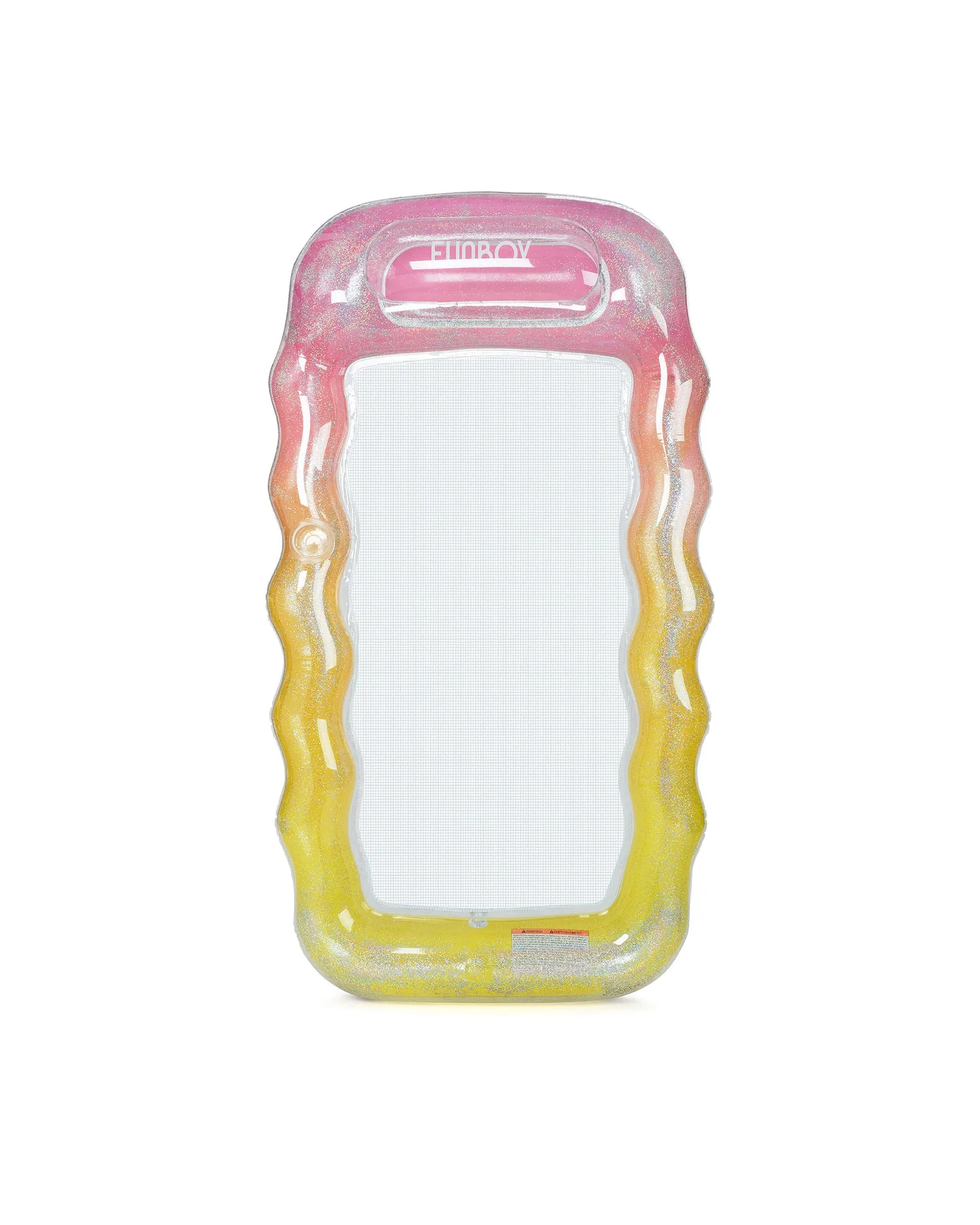
A https://pickkind.shop/products/mesh-chair-float-113858https://pickkind.shop/products/mesh-chair-float-113859https://pickkind.shop/products/mesh-chair-float-113860https://pickkind.shop/products/mesh-chair-float-113861mesh chair float is a fantastic way to lounge poolside, offering breathable comfort and quick drying. But without proper care, moisture can get trapped in the mesh fabric, leading to mold and mildew that shorten its life and make it less pleasant to use. The good news? A little routine maintenance goes a long way.
Whether you own a Mesh Lounger Float or a Mesh Chair Float, the cleaning and storage steps are similar. This guide covers everything you need to keep your inflatable fresh, dry, and ready for next season.
Why Mesh Floats Need Special Care
Unlike smooth vinyl pool floats, mesh floats have a porous fabric surface that can trap water, sunscreen, and pool chemicals. If you store your float while it's still damp, you create a perfect environment for mold and mildew to grow. That musty smell and dark spots are signs of microbial growth that can be hard to remove once set in.
The mesh material also tends to hold onto debris like sand, grass, and oils from your skin. Regular cleaning not only prevents mold but also keeps the fabric looking bright and feeling comfortable. A little preventive care each time you use your float will save you from having to deep-clean or replace it prematurely.
- Always rinse your mesh float with fresh water after each use to remove chlorine, salt, and sunscreen.
- Avoid leaving your float in direct sunlight for extended periods, as UV rays can degrade the mesh fabric.
Step-by-Step: How to Clean Your Mesh Chair Float
Start by deflating the float completely. Mix a solution of mild dish soap and lukewarm water — avoid harsh detergents or bleach, which can damage the mesh and weaken seams. Use a soft sponge or cloth to gently scrub both sides of the mesh fabric, paying extra attention to areas where dirt or sunscreen tends to accumulate, like the headrest and armrests.
Rinse thoroughly with fresh water until all soap residue is gone. Residue can attract more dirt and may cause skin irritation. For stubborn stains or early mold spots, add a splash of white vinegar to your cleaning solution. Vinegar is a natural disinfectant that kills mold spores without harming the fabric. Never use a pressure washer, as the high force can tear the mesh.
- For a deeper clean every few weeks, soak the deflated float in a bathtub with soapy water for 15 minutes, then rinse well.
- If you notice mildew odor, spray a 1:1 water and vinegar solution on the mesh, let sit for 10 minutes, then rinse.
Drying Your Mesh Float Properly
Drying is the most critical step in preventing mold. After rinsing, gently squeeze out excess water — do not wring or twist the mesh, as this can stretch the fabric and damage the seams. Hang the float over a shower rod, a clothesline, or a clean, dry surface in a shaded, well-ventilated area.
Avoid direct sunlight for drying; UV rays can fade colors and weaken the mesh over time. Instead, let it air-dry completely, which may take several hours depending on humidity. To speed things up, you can use a fan or place the float near an air conditioner vent. Make sure every part of the mesh feels dry to the touch before you even think about storage.
- If you're short on time, blot the mesh with a clean, dry towel to absorb moisture before air-drying.
- Never store a damp float — even a little residual moisture can lead to mold growth within days.
How to Store Your Inflatable Pool Float for the Off-Season
Once your mesh chair float is completely dry, deflate it fully by opening the valve and pressing out all air. Fold the float loosely — avoid tight creases that can weaken the mesh over time. Store it in a breathable cotton bag or a mesh storage bin, never in a sealed plastic bag, which traps moisture and encourages mildew.
Choose a cool, dry, dark place like a closet shelf or under-bed storage. Avoid attics or garages where temperature swings and humidity can damage the material. For extra protection, you can place a silica gel packet inside the storage bag to absorb any ambient moisture. If you have multiple floats, stack them loosely rather than piling heavy items on top.
- Label your storage bag with the float type and year so you can easily grab the right one next season.
- Check on your stored float every couple of months — if you feel any dampness, air it out and re-dry.
Common Mistakes to Avoid in Mesh Float Care
One of the biggest mistakes is using a machine washer or dryer. The agitation and heat can rip the mesh, deform the float, and damage the valve. Always hand-wash and air-dry only. Another common error is storing the float while still partially inflated — this takes up unnecessary space and can cause the mesh to stretch unevenly.
Also, avoid using fabric softeners or dryer sheets when cleaning. These leave a residue that clogs the mesh pores, reducing breathability and making the float feel less comfortable. Stick to mild soap and water. Finally, don't ignore small tears or loose threads. Repair them promptly with a vinyl patch kit (even on mesh floats, the seams are often vinyl) to prevent the damage from spreading.
- If your mesh float has a vinyl base or seams, treat those areas with the same care as a standard vinyl float.
When to Replace Your Mesh Float
Even with the best care, mesh floats have a finite lifespan. If you notice persistent mold that won't come out with cleaning, large tears that can't be patched, or a loss of structural integrity (the float sags or doesn't hold air), it's time to consider a replacement. Most mesh floats last 2-3 seasons with regular use and proper maintenance.
When shopping for a new one, look for models with reinforced seams and high-quality mesh that resists fading and stretching. The FUNBOY Mesh Lounger Float and Mesh Chair Float are popular choices that balance comfort with durability. Investing in a well-made float upfront, combined with the care steps above, will give you many seasons of poolside relaxation.
Cleaning and storing your mesh chair float doesn't have to be a chore. By rinsing after each use, drying thoroughly, and storing in a cool, dry place, you can prevent mold and mildew and extend the life of your float. A few minutes of care now means many more sunny days of lounging later.