Reusable non-stick baking liners have become a kitchen essential for home bakers and professionals alike. They save time, reduce waste, and ensure perfectly baked goods without the need for greasing or parchment paper. But to get the most out of these versatile tools, proper cleaning and storage are crucial. Whether you use silicone mats, PTFE-coated sheets, or fabric-based liners, knowing how to care for them can extend their lifespan significantly.
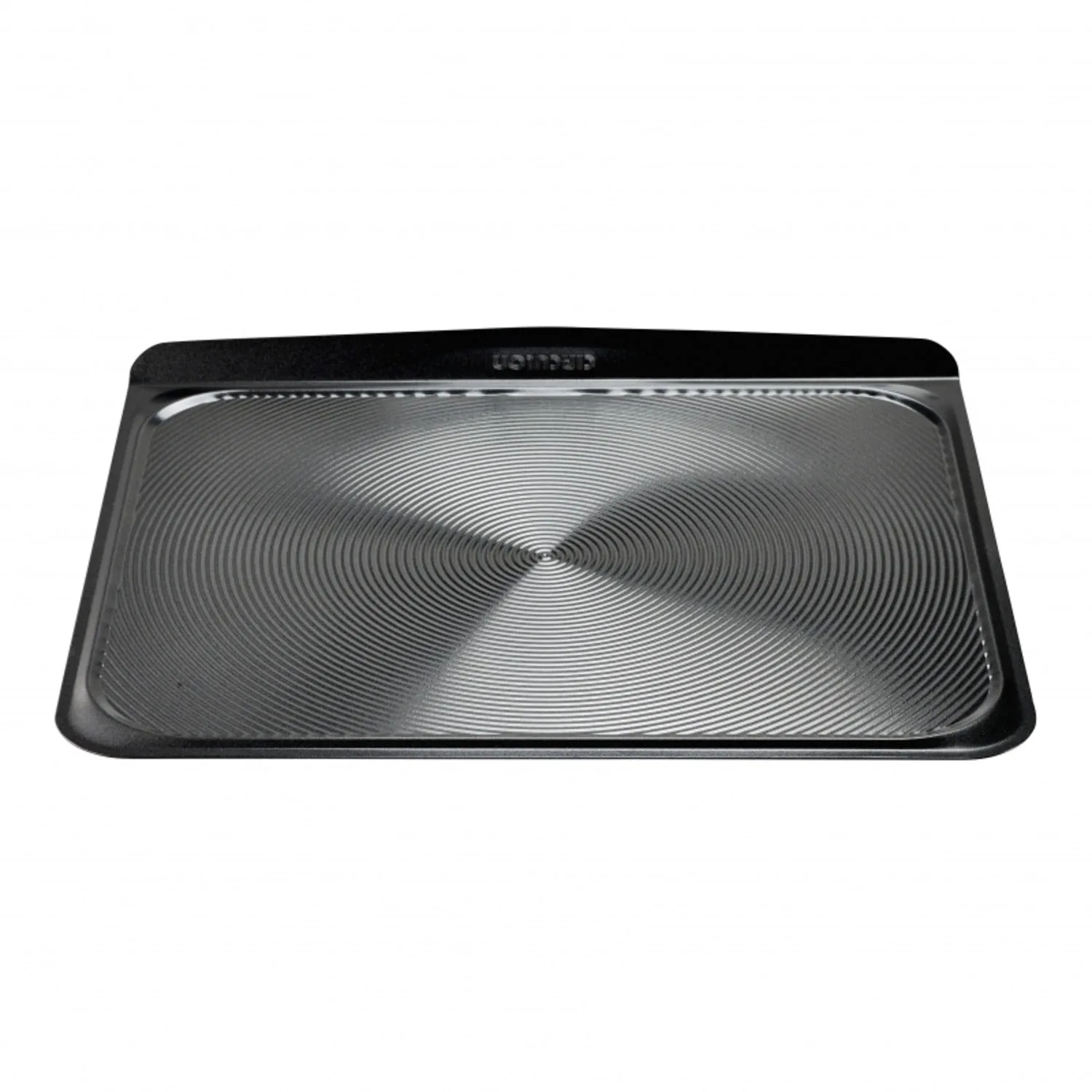
In this guide, we’ll walk you through the best practices for cleaning reusable baking liners, storing non-stick liners to prevent damage, and maintaining their non-stick properties. We’ll also highlight some helpful products from Lakeland that can make the process even easier, such as the Hard Anodised Oven Tray 43 x 31cm and the Joseph Joseph Medium See-Through Surface Protector.
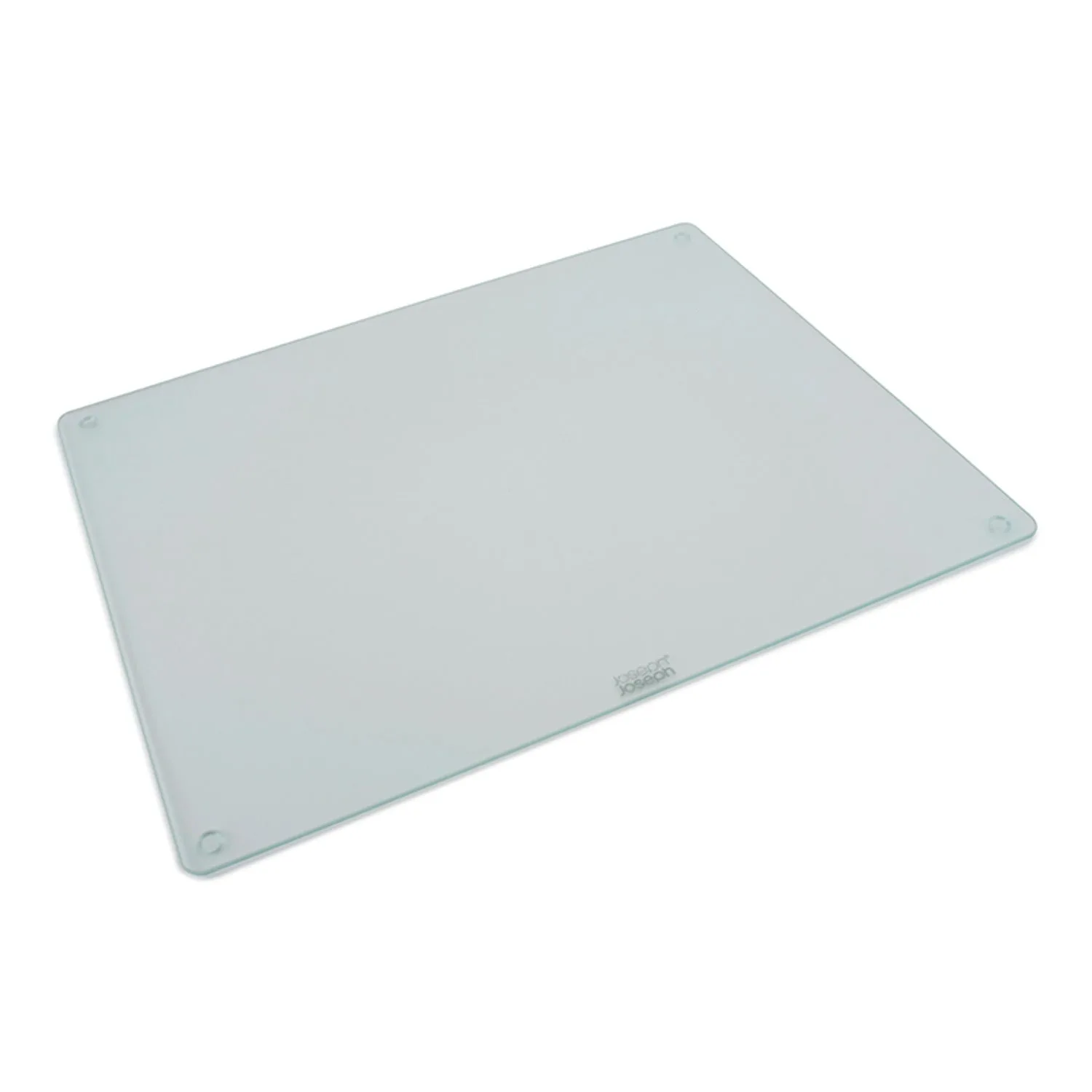
Joseph Joseph Medium See-Through Surface Protector
Why Proper Cleaning Matters for Reusable Baking Liners
Reusable non-stick liners are an investment in your baking routine. Over time, residue from oils, fats, and baked-on foods can build up, reducing their effectiveness and leading to sticking. Proper cleaning not only restores their non-stick surface but also prevents cross-contamination of flavours and ensures food safety. Most high-quality liners can last for hundreds of uses if cared for correctly.
Ignoring cleaning guidelines can cause liners to warp, discolour, or lose their non-stick coating. For example, silicone mats should never be exposed to direct flame or cut with sharp knives, as this can damage the material. Similarly, PTFE liners require gentle handling to avoid scratches. By adopting a consistent cleaning routine, you can keep your liners looking and performing like new.
- Always check the manufacturer’s instructions before cleaning, as some liners are dishwasher-safe while others require hand washing.
- Avoid using abrasive sponges or harsh chemical cleaners, as these can degrade the non-stick surface.
Step-by-Step Guide to Cleaning Non-Stick Baking Liners
Start by allowing the liner to cool completely after use. Placing a hot liner under cold water can cause warping. Gently scrape off any large food debris with a silicone spatula or soft brush. For stubborn residue, soak the liner in warm, soapy water for 10–15 minutes. Use a mild dish soap and a soft sponge to clean the surface, working in circular motions to lift grease and baked-on bits.
For silicone mats, you can also boil them in water for a few minutes to remove deep-set stains. Alternatively, create a paste of baking soda and water, apply it to the liner, and let it sit for 15 minutes before rinsing. Rinse thoroughly with warm water and dry with a lint-free cloth or air-dry on a dish rack. Avoid using fabric softeners or bleach, as these can leave residues that affect non-stick performance.
- For PTFE liners, avoid high heat during cleaning; hot water and mild soap are sufficient.
- If using a dishwasher, place the liner on the top rack away from heating elements to prevent melting or distortion.
How to Store Non-Stick Liners to Prevent Damage
Proper storage is just as important as cleaning. Storing non-stick liners incorrectly can lead to creases, folds, or permanent damage. The best way to store silicone mats is flat, either in a drawer or on a baking sheet. If space is limited, roll them loosely (never fold) and secure with a soft band or place in a cylindrical container. Folding can create permanent creases that affect baking performance.
For fabric-based or PTFE liners, consider using a dedicated storage sleeve or a flat baking tray to keep them smooth. The Joseph Joseph Medium See-Through Surface Protector is an excellent option for protecting your work surface while also serving as a storage aid for liners. You can place liners between the protector and the counter to keep them flat and dust-free. Alternatively, store them inside a large oven tray like the Hard Anodised Oven Tray 43 x 31cm to maintain their shape.
- Store liners away from direct sunlight and heat sources, as UV rays can degrade silicone over time.
- Keep liners separate from sharp utensils or heavy pans that could press into them and cause indentations.
Common Mistakes to Avoid with Reusable Liners
Many home bakers unknowingly shorten the life of their liners by making simple mistakes. One common error is using cooking sprays directly on silicone mats. The additives in sprays can leave a sticky residue that builds up and becomes difficult to remove. Instead, use a light brush of oil or butter for greasing. Another mistake is cutting food directly on the liner, which can slice into the material and create rough edges that harbour bacteria.
Also, avoid storing liners in a crumpled heap or jamming them into overcrowded drawers. This can cause permanent warping and reduce the liner’s ability to lie flat on a baking sheet. Finally, never use metal utensils on non-stick liners; always opt for silicone, wood, or plastic tools to preserve the surface. By steering clear of these pitfalls, you’ll enjoy many years of reliable non-stick baking.
- Never use sharp knives or pizza cutters directly on silicone or PTFE liners.
- Avoid high-temperature cycles in the dishwasher if the liner is not explicitly labelled dishwasher-safe.
When to Replace Your Reusable Baking Liners
Even with the best care, all non-stick liners eventually wear out. Signs that it’s time to replace them include visible cracks, peeling, or a sticky surface that no longer releases baked goods easily. Discolouration is normal with silicone mats, but if the surface feels tacky or oily after cleaning, the non-stick properties have likely degraded. Similarly, if PTFE liners show signs of flaking, they should be discarded immediately to avoid contamination.
Most quality silicone mats last between 2 and 5 years with regular use, depending on frequency and care. To maximise longevity, rotate between two or three liners so that each gets a break between uses. When purchasing replacements, look for liners that fit your standard baking sheets perfectly. The Hard Anodised Oven Tray 43 x 31cm is a great companion for larger liners, offering a sturdy, non-stick surface that pairs well with reusable mats.
- If your liner emits a burnt smell during baking, it may be past its prime and should be replaced.
- Always measure your baking sheet before buying a new liner to ensure a snug fit without overhang.
Taking the time to clean and store your reusable non-stick baking liners properly will pay off in better baking results and longer-lasting tools. By following the steps in this guide, you can keep your liners in top condition and enjoy hassle-free baking for years. For a durable and versatile companion to your liners, consider the Hard Anodised Oven Tray 43 x 31cm – it’s perfect for both everyday baking and as a flat storage surface for your liners.