Quick answer
Wash silicone toys with warm water and a mild, fragrance-free soap, then air-dry completely before storing them separately in a breathable pouch or box. Boil only plain, non-motorized silicone for 3–5 minutes when you need deep sanitizing. Skip boiling for toys with motors, and avoid silicone-based lubes on silicone toys to prevent surface damage.
Why silicone toys get sticky, linty, or dull
Silicone is non-porous and hypoallergenic, so it does not harbor bacteria the way porous materials can. But it does attract lint, dust, and pet hair because of a slight surface tackiness. That tackiness is normal and often increases when the toy is brand new or after washing with a soap that leaves residue. Heat and direct sunlight can also make silicone feel gummy over time. The fix is not harsh scrubbing—it is consistent, gentle cleaning and smart storage.
Toy cleaner vs soap and water: which to use when
A dedicated toy cleaner is convenient for quick cleanups because it is formulated to rinse easily and leave no irritating residue. Mild, unscented liquid soap works just as well for routine washing and costs less. Avoid antibacterial soaps, heavily perfumed body washes, and anything with exfoliating beads—they can leave films or irritate sensitive skin. If you use soap, choose a simple, glycerin-free option and rinse thoroughly. For everyday cleaning after use, either method is fine. For deep sanitizing of non-motorized silicone, boiling is the next step.
How to remove lint from silicone toys
Lint clings because of static and surface tack. Rinse the toy under warm running water first, then rub a small amount of mild soap over the surface with your fingers. If lint remains, use a soft, lint-free cloth or a clean makeup brush to gently sweep it away. Do not use paper towels—they shed fibers and make it worse. After rinsing, pat dry with a lint-free towel or let it air-dry on a clean, dry surface. A quick final rinse with cool water can reduce static before storage.
How to boil silicone toys safely
Boiling is a reliable way to sanitize 100% silicone toys that have no motors, batteries, or electronic parts. Bring a pot of water to a rolling boil, lower the toy in with tongs, and boil for 3–5 minutes. Do not let it rest on the bottom of the pot, where it can scorch. Remove it carefully and let it cool completely before handling. If your toy has a motor, a removable bullet, or any non-silicone trim, do not boil it—wash with soap and water instead. When in doubt, check the manufacturer's guidance.
Silicone toy storage ideas that prevent damage
Store silicone toys separately from other materials. Silicone can react with certain soft plastics and TPE/TPR, causing them to melt or become tacky. Use a breathable cotton pouch, a dedicated hard case, or a lined drawer organizer. Avoid airtight plastic bags for long-term storage because trapped moisture can encourage mildew. Keep toys out of direct sunlight and away from heaters, which can degrade silicone over time. If you have multiple toys, label pouches or use dividers so nothing presses against anything else.
A simple care routine that takes five minutes
After each use, rinse the toy with warm water, wash with mild soap or toy cleaner, and rinse again. Dry it with a lint-free cloth or let it air-dry. Before storing, do a quick feel for any remaining residue or lint. Once a month, or before sharing a toy between partners, boil plain silicone toys for 3–5 minutes. Check your lube: water-based and hybrid lubes are safe for silicone, but silicone-based lube can degrade silicone toys over time. If you use silicone lube, keep it for non-silicone toys only.
Troubleshooting silicone toy care issues
- Toy feels sticky or tacky: This is usually caused by leftover soap residue, silicone-based lube, or natural surface tack. Wash with mild soap and warm water, rinse well, and dry completely. If it persists, boil plain silicone for 3–5 minutes. If stickiness remains after boiling, the toy may be degrading—stop using it and replace it.
- Lint keeps clinging: Static and surface tack attract fibers. Rinse with cool water, use a lint-free cloth or soft brush, and store in a breathable pouch instead of a plastic bag. If lint returns immediately after cleaning, switch your storage method.
- White film or cloudiness appears: A white film often comes from hard water minerals or soap scum. Try a 1:1 vinegar-water rinse, then wash with mild soap and rinse thoroughly. For plain silicone, boiling can also help. If the film does not come off and the surface feels rough, the silicone may be worn—retire the toy.
Product facts
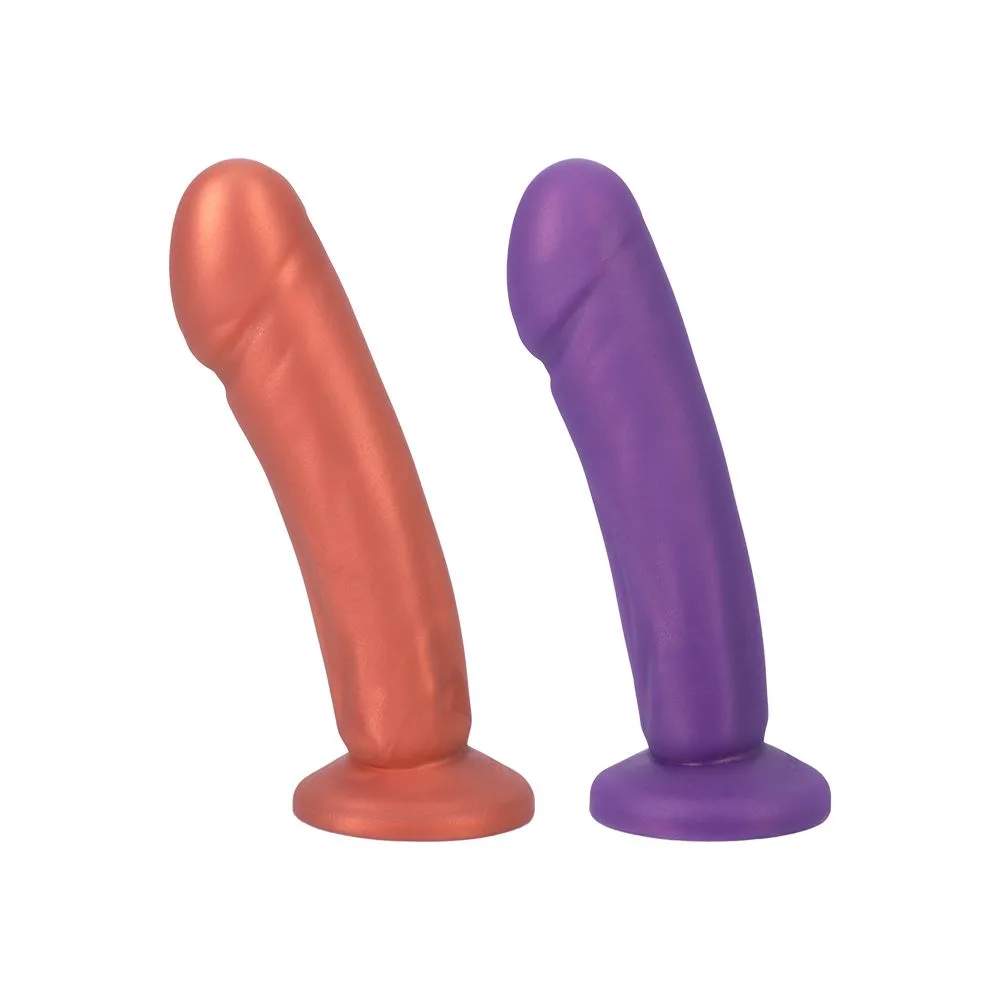
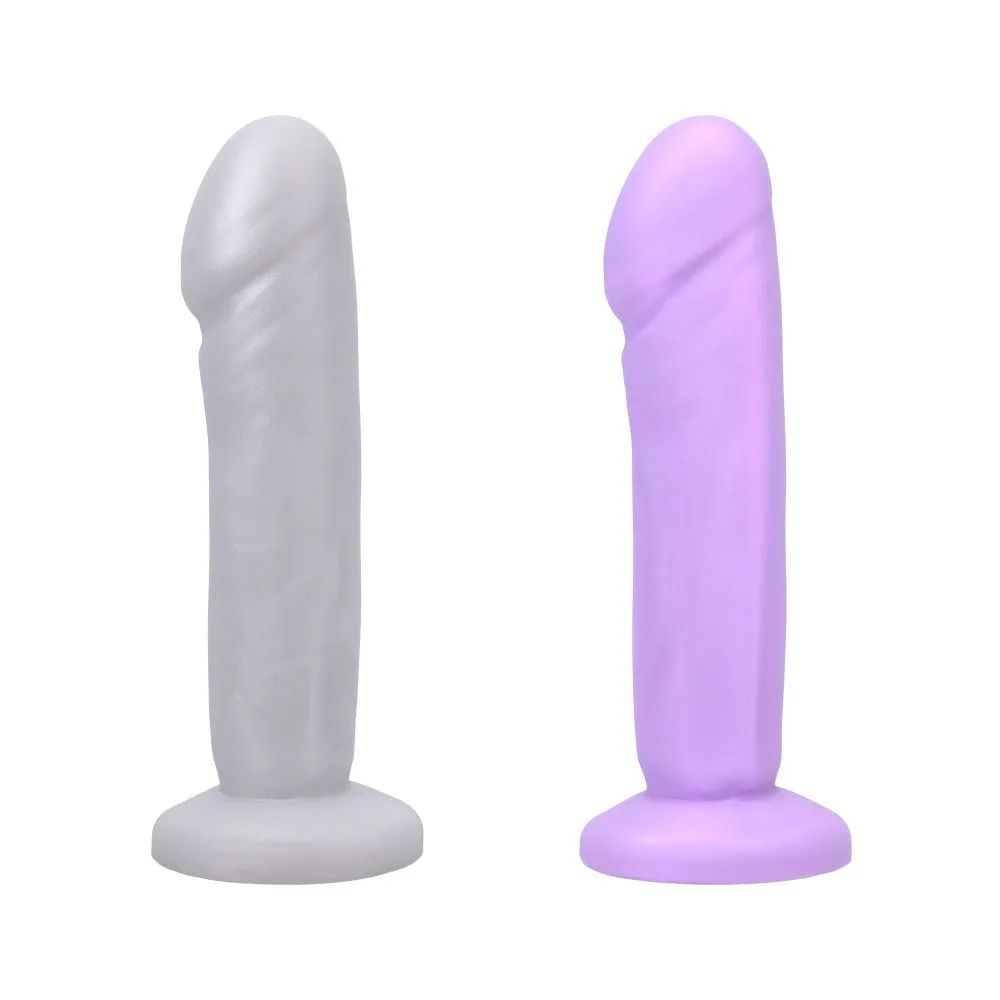
- Silk Large: Silk Large is part of the Silk line, which is designed as a gentle introduction to dildos and is safe to use as a dilator. It comes in two colors and is made of smooth silicone. Because it is plain silicone with no motor, it can be boiled for deep cleaning, making it easy to keep hygienic.
- Sliquid Sizzle: Sliquid Sizzle is a water-based personal lubricant made with food-grade menthol that provides a warming and cooling sensation. It is glycerine- and paraben-free. Water-based lube is safe to use with silicone toys and rinses away easily, so it will not leave a residue that attracts lint.
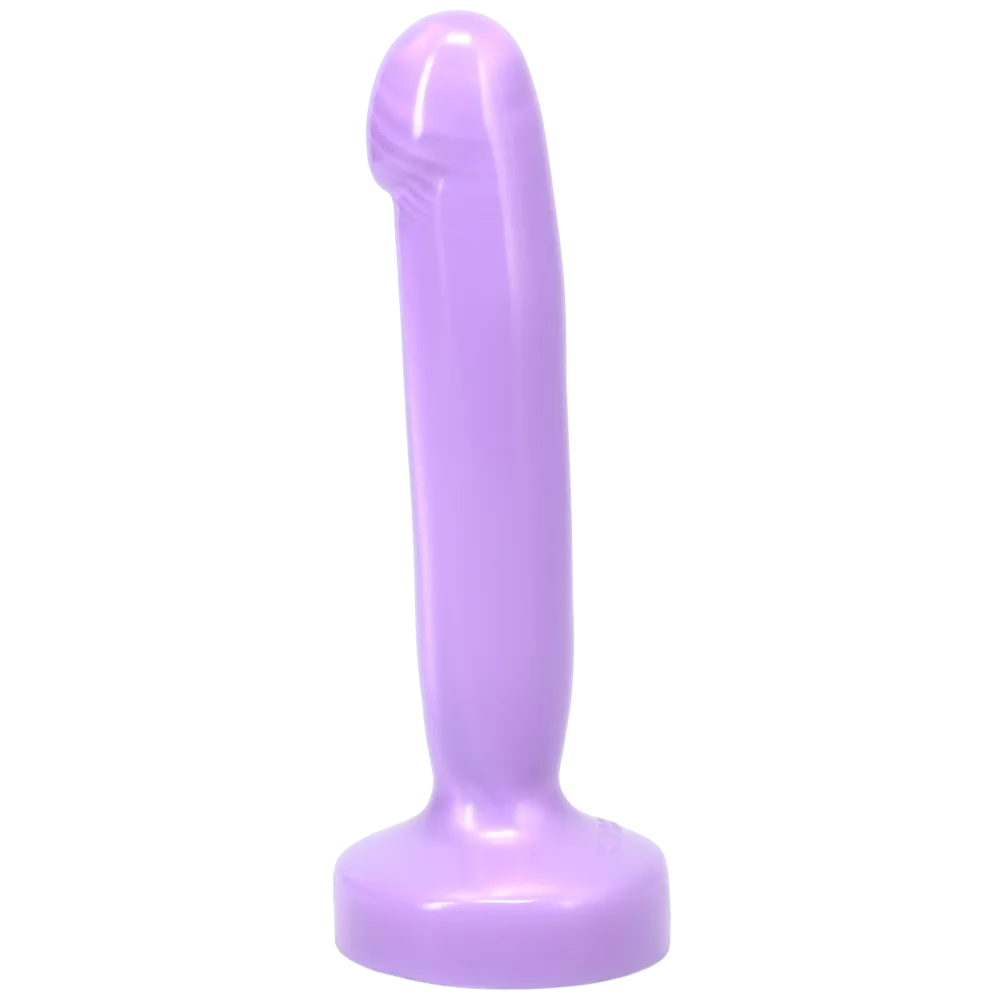
- Ringo: Ringo is a thicker, traditional-style anal plug with no texture, made from Tantus' soft silicone. It is hygienic, hypoallergenic, and boilable. Its smooth, untextured surface is easy to clean thoroughly, and being boilable means you can sanitize it between uses without harsh chemicals.