Quick answer
Rinse your sunglasses with lukewarm water, wash the lenses and frame with a drop of mild dish soap and your fingertips, dry them with a clean microfiber cloth, and store them in a hard case when you're not wearing them. This two-minute routine prevents scratched sunglass lenses, protects lens coatings, and helps your shades last for years.
Why the wrong cleaning method ruins lenses
Most lens damage isn't from one big scratch; it's from tiny grit particles dragged across the surface day after day. Wiping lenses dry with a shirt or paper towel pushes dust and sand into the coating, creating the fine swirl marks that eventually blur your view. Even a clean-looking cloth can hold grit from your pocket or bag.
Lens coatings — including the polarized and reflective finishes on many goodr styles — sit on the surface and can be worn away by repeated exposure to harsh chemicals, hot water, or rough fabrics. Once the coating is compromised, you can't polish it back. Prevention is the only real fix.
What you need (and what to avoid)
Keep a small kit handy: a clean microfiber cloth, a travel-size bottle of mild dish soap, and a hard case. That's it. You don't need special sprays or pre-moistened wipes, which often contain alcohol or ammonia that can break down coatings over time.
Avoid these common mistakes: cleaning with hot water (it can warp frames and damage coatings), using paper towels or rough fabric, and storing sunglasses loose in a bag where keys or coins can scratch the lenses. Also skip the habit of pushing sunglasses up onto your forehead — hair oils and sweat transfer to the lenses and frame.
How often should you clean your sunglasses?
A quick rinse and microfiber wipe once a day keeps grime from building up. If you wear your sunglasses during workouts, at the beach, or in salty or dusty environments, clean them after every use. For a deeper clean, use the soap-and-water method once a week.
If you notice smudges that won't come off with a microfiber cloth, that's your cue to do a full wash rather than scrubbing harder. Scrubbing dry is what causes scratches.
Step-by-step: clean and store your sunglasses
- Rinse both sides of the lenses with lukewarm water: Hold the sunglasses under a gentle stream of lukewarm tap water to float away loose dust and grit. Never use hot water — it can warp plastic frames and damage lens coatings. Checkpoint: if water beads up and rolls off, that's normal for coated lenses; just make sure no visible particles remain.
- Apply one drop of mild dish soap to your fingertips: Rub the soap gently across both sides of each lens and around the frame, including the nose pads and hinges. Avoid touching the lenses with your bare fingers after rinsing — oils from your skin can leave smudges. Mistake to avoid: using hand soap with moisturizers or antibacterial beads, which can leave a film.
- Rinse thoroughly with lukewarm water: Make sure all soap residue is gone. Soap left on the lens can attract dust and create a hazy appearance. Checkpoint: the water should run clear and not feel slippery.
- Dry with a clean microfiber cloth: Use a dedicated microfiber cloth that's been washed without fabric softener. Gently blot the lenses dry, then wipe in a circular motion. If the cloth is dirty, wash it or use a fresh one — a gritty cloth will scratch. Mistake to avoid: using your shirt, a paper towel, or a tissue. These can scratch and leave lint.
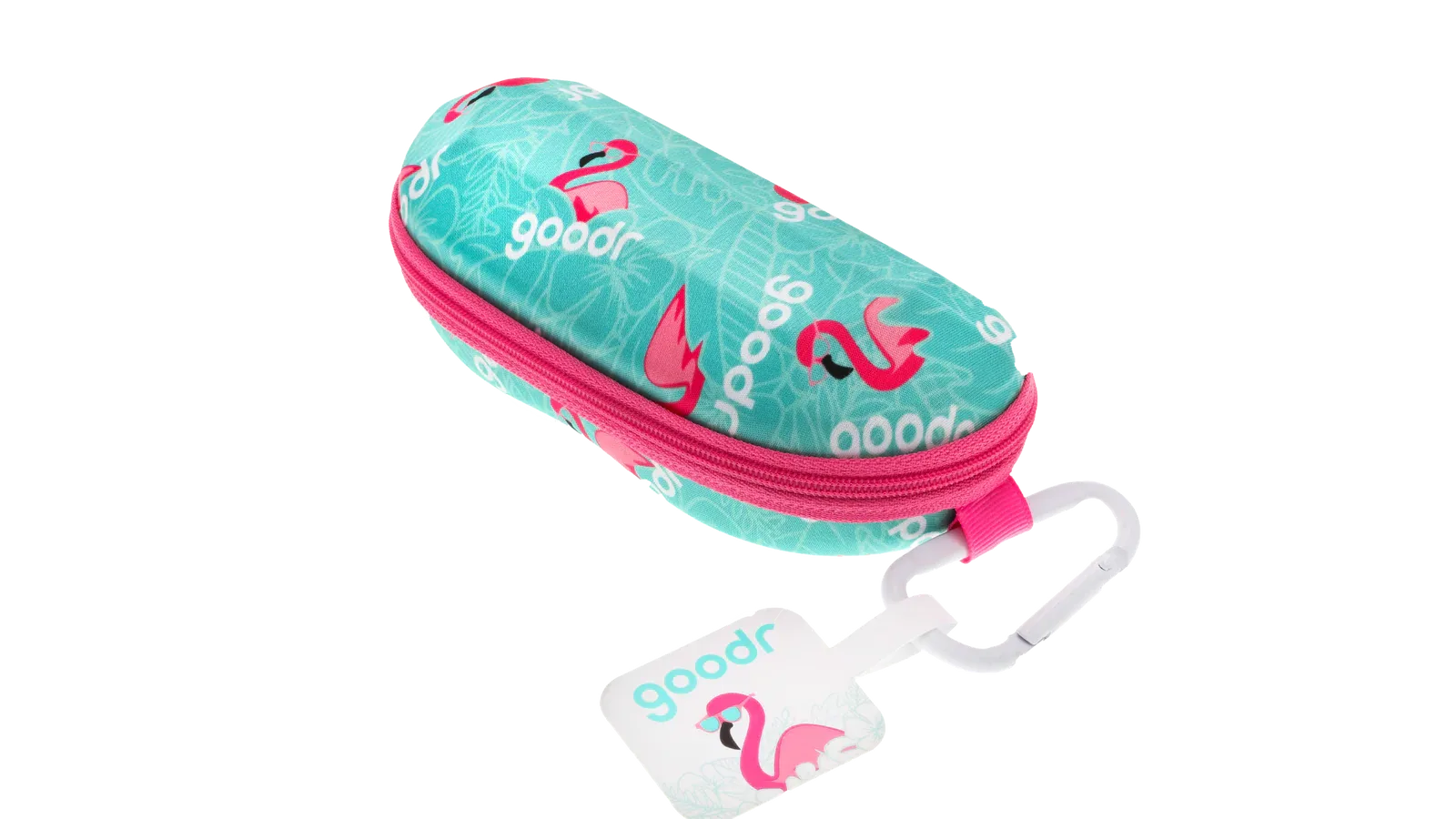
- Store in a hard case when not in use: Place your sunglasses in a hard case with the lenses facing up or protected by the case's interior. If you don't have a hard case, use a microfiber pouch — but never toss them loose into a bag with keys, coins, or other hard objects. Checkpoint: the case should close securely and not press against the lenses.
- Keep a microfiber cloth in your car or bag for quick touch-ups: For everyday smudges, breathe lightly on the lens and wipe with a clean microfiber cloth. This removes fingerprints without a full wash. Wash the cloth weekly to prevent grit buildup. Next step: replace your microfiber cloth every few months, or sooner if it looks dirty or feels rough.
Goodr styles built for real-life care
- You'll Forget-Me-Not: Translucent blue Pop Gs with blue gradient lenses made to leave a lasting impression. No-slip, no-bounce, and impossibly cool. The no-slip, no-bounce design means you're less likely to constantly adjust them with your hands, which reduces the transfer of oils and grit to the lenses.
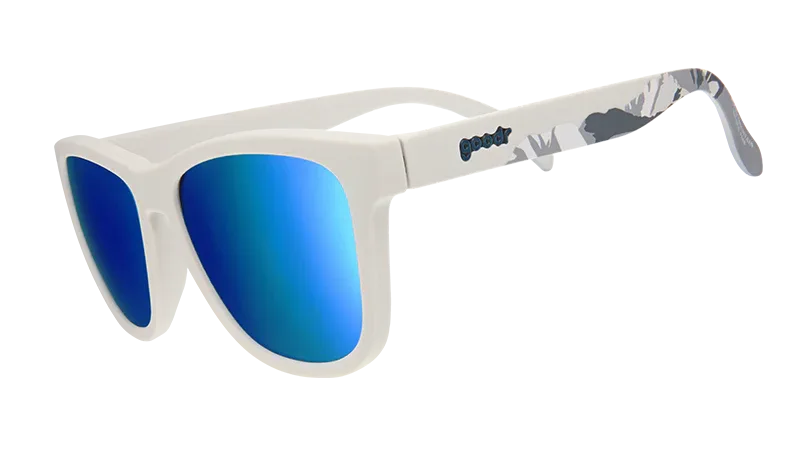
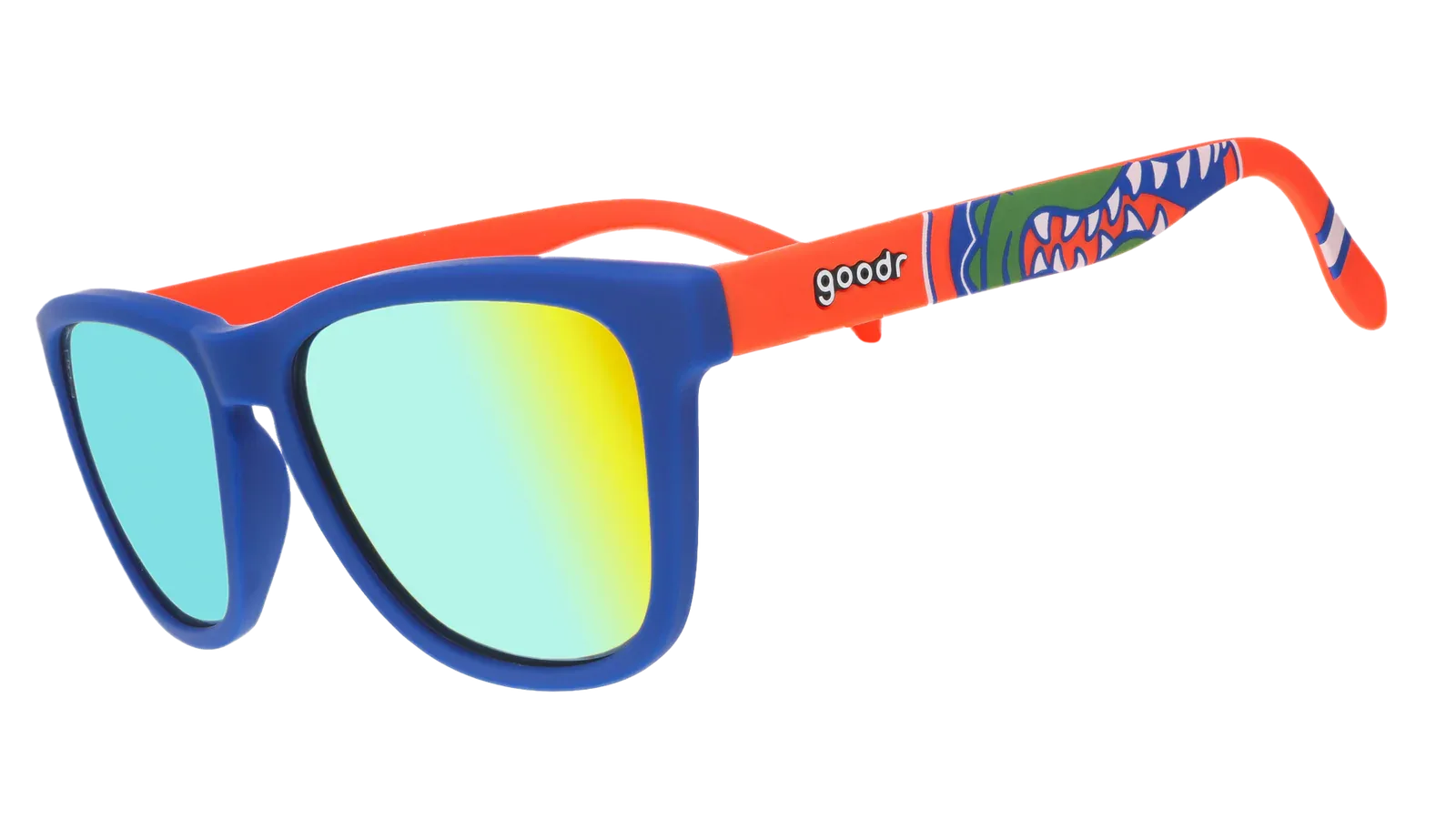
- Everglades National Park: Everglades National Park goers and fans of all things Florida, now you can wear your love on your face!!! Good for hiking, kayaking, climbing, and sipping...whatever beverage you put into your canteen. If you wear these for kayaking or hiking, rinse them with fresh water after each trip to remove salt and dust before they can scratch the lenses.
- Gardening With A Kraken: Think your green thumb is impressive? These purple polarized sunglasses are named after a kraken with 8 green tentacles and the hydroponic garden of your dreams. Unleash your inner and watch your garden grow through these reflective green polarized lenses. Polarized and reflective lenses are especially vulnerable to coating damage from harsh chemicals, so stick to mild soap and water rather than alcohol-based cleaners.