Quick answer
Clean camping cookware by scraping leftovers into a waste bag, then wiping with a little water and a drop of biodegradable soap. Scatter strained gray water 200 feet from water sources, and pack out all food scraps and trash. For a waterless option, use a abrasive pad or a small amount of clean sand, then wipe clean.
Why waterless cleaning works at camp
Without a sink, your goal is to remove food residue before it hardens or attracts animals. Most meals leave oil and starch that a dry scrape and a quick wipe can handle. Water is for rinsing, not soaking. This approach also reduces the risk of contaminating streams or attracting wildlife to your campsite.
If you are cleaning a greasy pan, pour off excess oil into a waste container before wiping. For sticky sauces, a short soak in a few ounces of water loosens residue so you use less scrubbing effort. Always strain particles before scattering water.
Tools that make sink-free cleaning easier
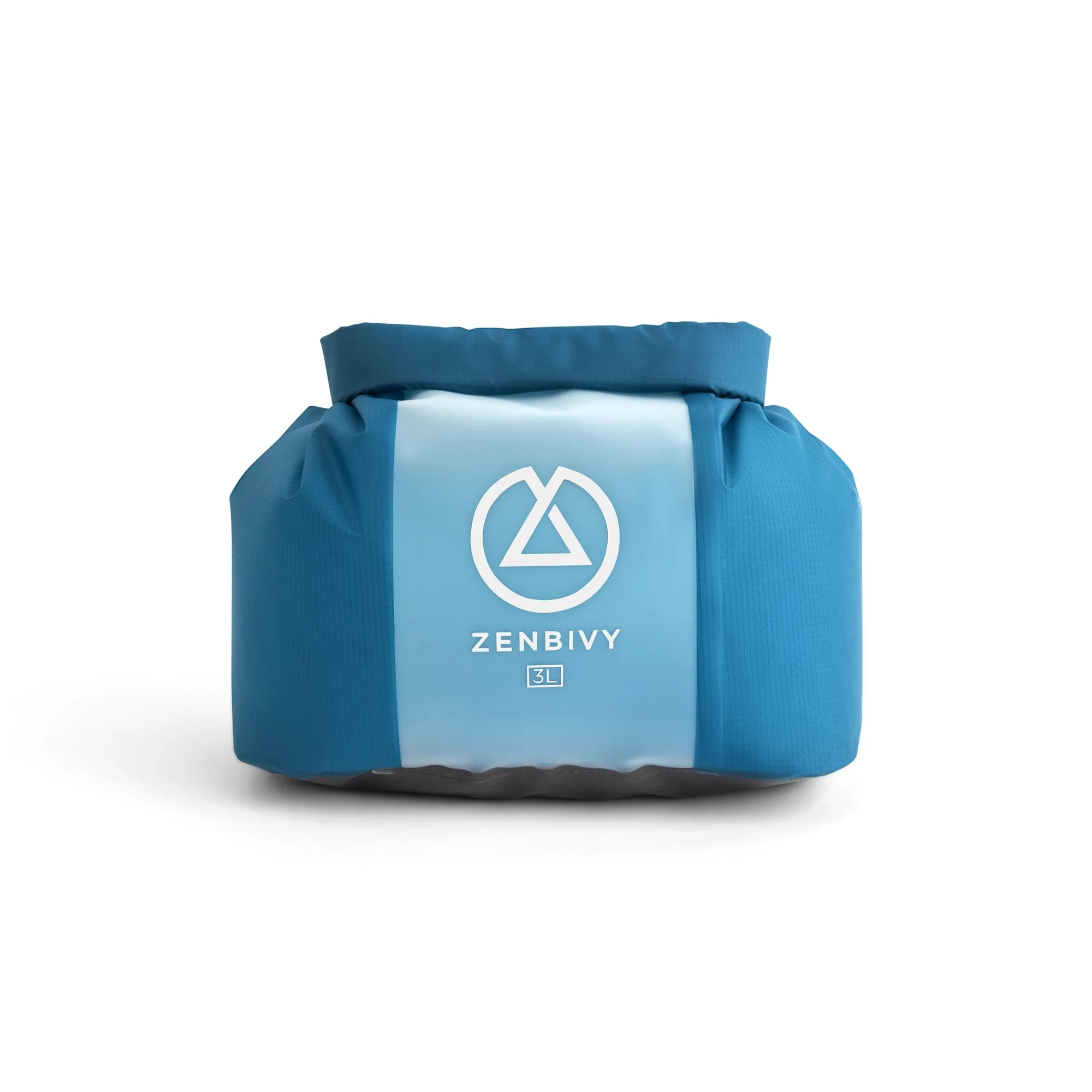
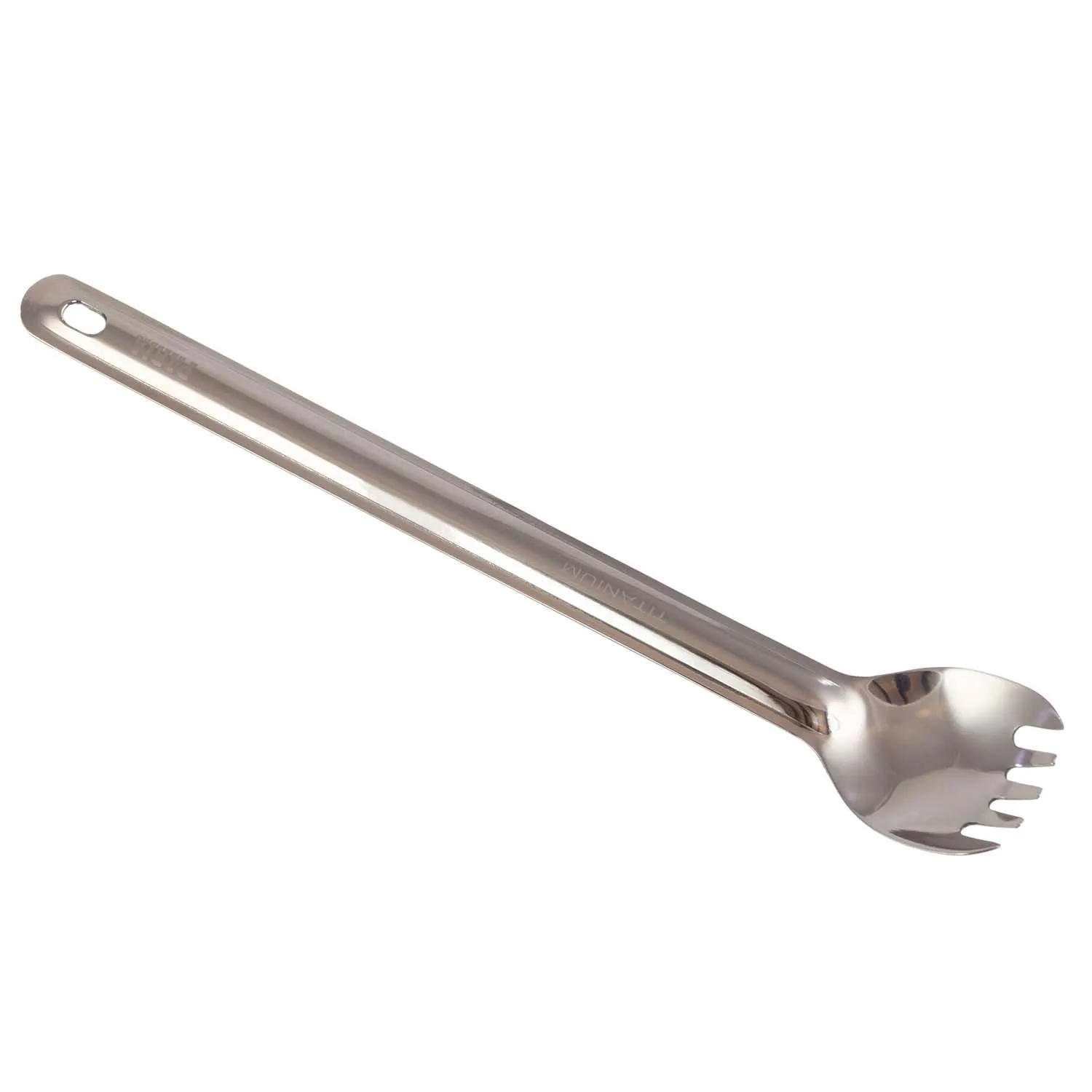
A small scraper, a cut-down sponge, and a dedicated food waste bag cover most situations. A lightweight dry sack can serve as a wash basin or a trash container, keeping your pack organized and leak-proof.
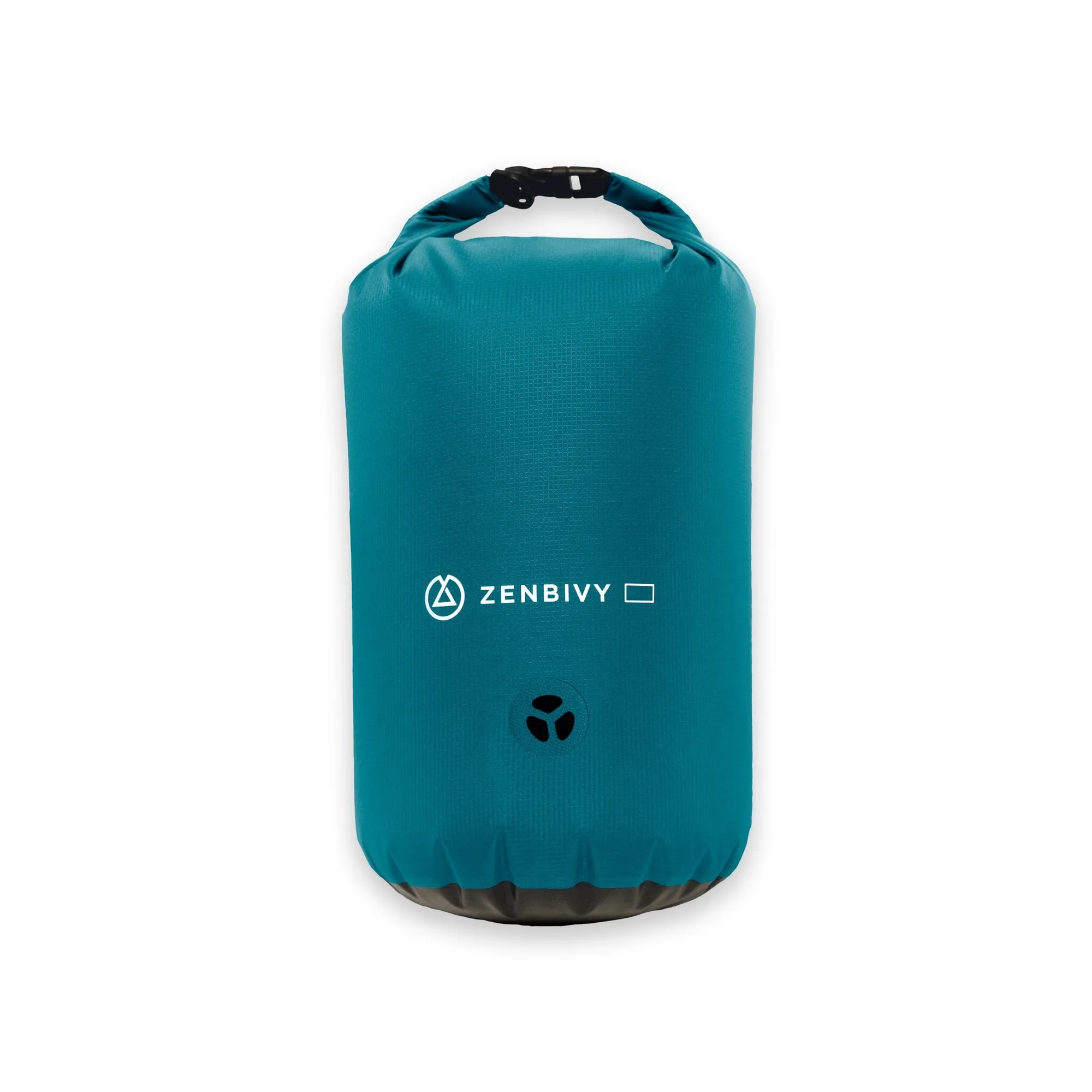
dry sack
For backpacking cookware hygiene, keep a separate small towel or bandana for drying. Microfiber dries fast and packs small. Avoid using the same cloth for dishes and personal hygiene.
Step-by-step: clean cookware without a sink
- Scrape and separate: Use a scraper or spoon to push food scraps into a waste bag. Do not rinse yet—scraping first keeps water cleaner and reduces the amount you need. Checkpoint: all solid food is in the trash, not in your pot.
- Wipe with a little water: Add a few ounces of water and a drop of biodegradable soap. Swirl and wipe with a sponge or cloth. For stubborn residue, let it sit for a minute. Mistake to avoid: using too much soap. One drop is enough for most pots.
- Strain and scatter: Pour the gray water through a strainer to catch particles. Scatter the strained water 200 feet from any water source, trail, or campsite. Checkpoint: no food particles left on the ground.
- Dry and pack out: Wipe cookware dry with a clean cloth. Pack out all trash, including food bits and used soap wrappers. Next step: store clean cookware in a dry sack to keep your pack organized.
Gear that helps
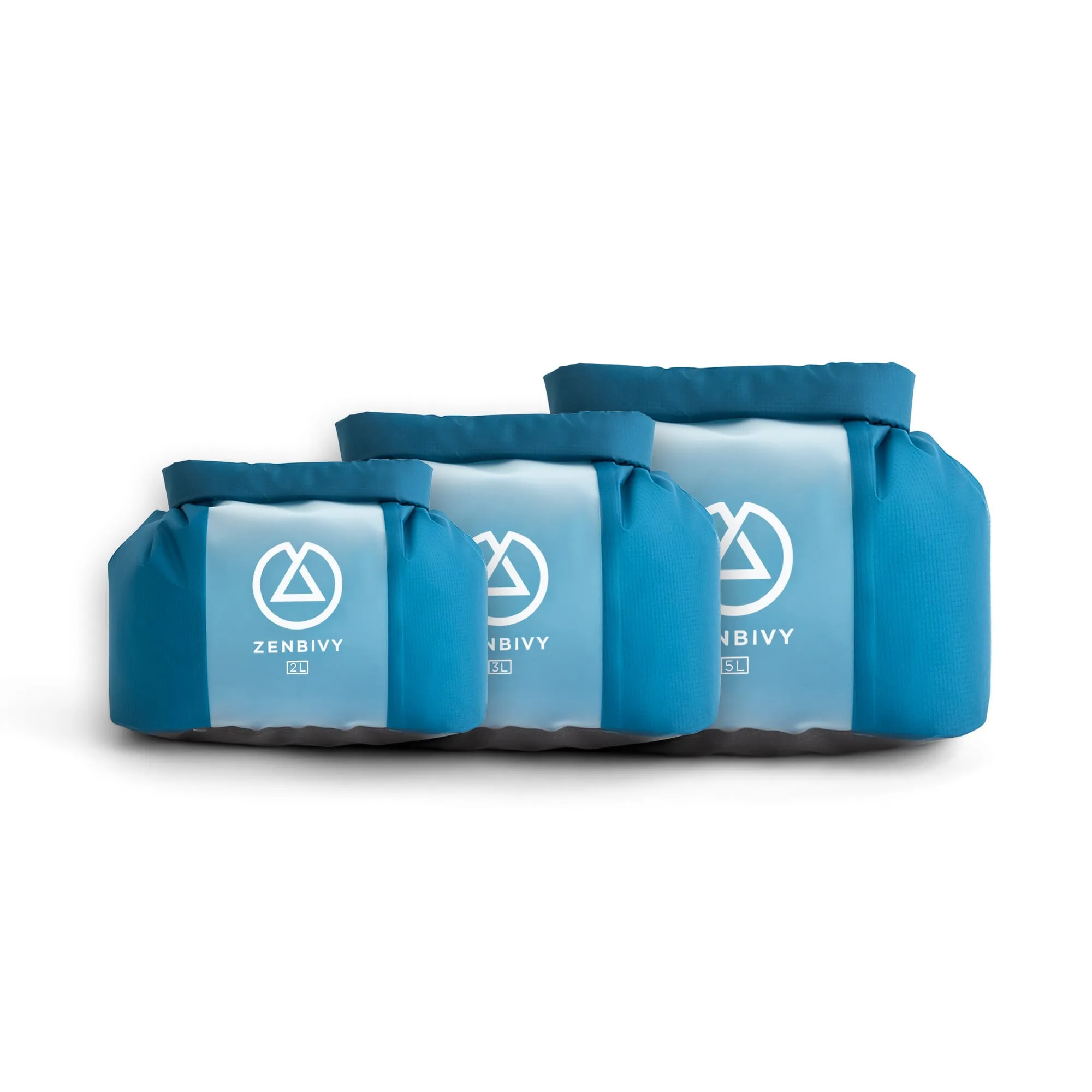
- Ditty Dry Sack, Set of 3: Ditty Dry Sack, Set of 3 includes one 2L, one 3L, and one 5L sack with transparent panels, fully-welded seams, and a high-speed valve for compression. Use the 5L as a wash basin or trash bag; the transparent panel helps you see contents, and the valve lets you compress waste to save pack space.
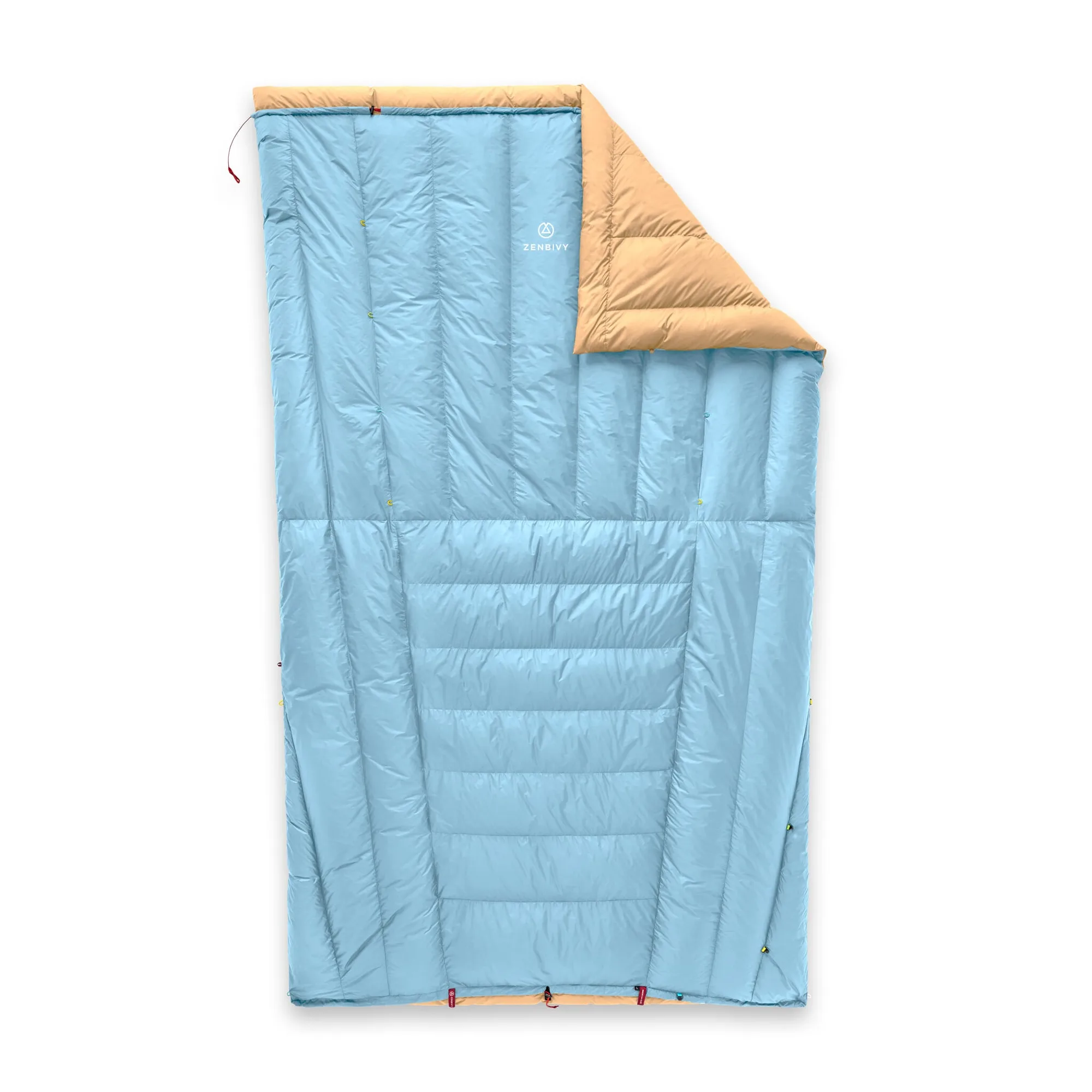
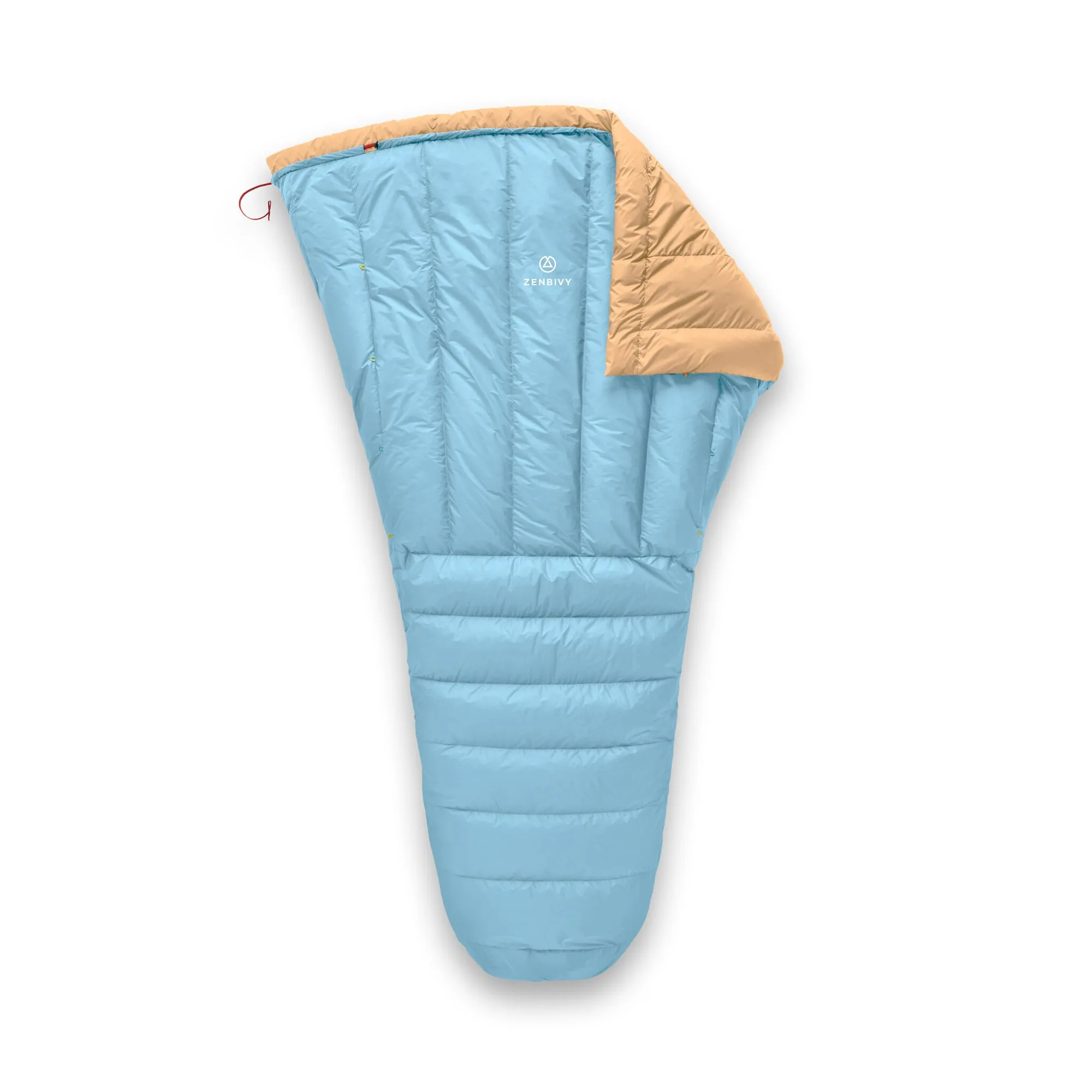
- Light Quilt Convertible: Light Quilt Convertible features an ultra-soft 25D Pongee lining and a patented draft-free convertible footbox. This quilt is not cookware, but its convertible footbox and soft lining make it a comfortable sleep system after a messy camp meal—no need to worry about a little cooking splatter on your sleep gear if you keep it separate.