Quick Answer
To clean a stainless clad https://kindaero.store/products/roasting-pan-97162roasting pan, wash it with warm soapy water after each use, use a stainless steel cleaner or vinegar for stubborn stains, and dry it immediately to avoid water spots. For tough baked-on residue, soak the pan and use a non-abrasive scrubber.
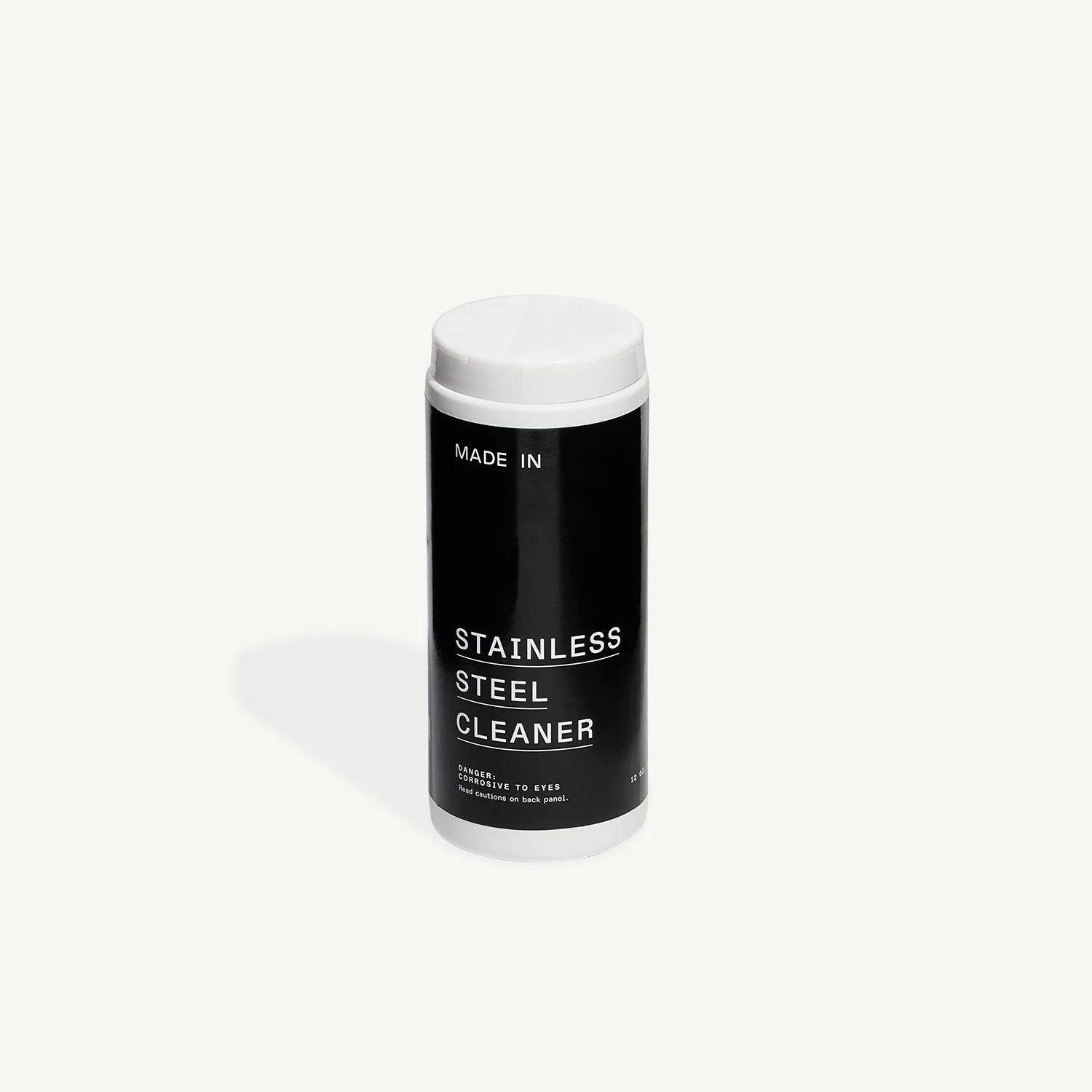
stainless steel cleaner
A stainless clad roasting pan is a workhorse in the kitchen, perfect for roasting meats and vegetables. But after heavy use, it can accumulate stains and residue that seem impossible to remove. With the right care, you can keep your pan looking pristine and performing well for years.
Stainless steel is durable and resistant to rust, but it does require specific cleaning methods to avoid scratching and to maintain its shine. Here’s a step-by-step guide to cleaning and caring for your stainless clad roasting pan.
Why Stainless Clad Roasting Pans Need Special Care
Stainless clad pans are made with a layer of aluminum or copper sandwiched between stainless steel layers. This construction provides even heat distribution and responsiveness, but it also means the pan can be sensitive to sudden temperature changes and abrasive cleaners.
Proper care not only keeps your pan looking good but also ensures it lasts. Avoiding harsh scouring pads and acidic cleaners will protect the surface and maintain its non-stick properties (if any).
- Always let the pan cool completely before washing to prevent warping.
- Use wooden or silicone utensils to avoid scratching the surface.
Step-by-Step Cleaning Routine
Start by removing any leftover food with a soft spatula. Rinse the pan with warm water to loosen debris. Then, fill it with warm soapy water and let it soak for 10-15 minutes. This helps to lift stuck-on food without aggressive scrubbing.
After soaking, use a non-abrasive sponge or cloth to gently clean the surface. For stubborn spots, make a paste of baking soda and water and apply it with a soft cloth. Rinse thoroughly and dry immediately with a soft towel to prevent water spots.
- Never use steel wool or metal scouring pads, as they can scratch the stainless steel.
- For burnt-on residue, create a solution of equal parts water and white vinegar, bring it to a simmer in the pan, then let it cool and wash as usual.
Removing Stains and Discoloration
Stainless steel can develop a rainbow-like discoloration from high heat or mineral deposits. To remove these, apply a small amount of stainless steel cleaner or white vinegar to a soft cloth and rub in the direction of the grain. Rinse and dry thoroughly.
For tough stains, a paste of cream of tartar and lemon juice can work wonders. Apply, let sit for a few minutes, then rinse. Always test in an inconspicuous area first.
- Avoid using chlorine-based cleaners, as they can damage the surface.
- If your pan has a polished finish, always rub in the direction of the polish lines.
Polishing and Maintaining the Shine
To keep your stainless steel roasting pan looking new, polish it occasionally with a specialized stainless steel polish or a mixture of olive oil and baking soda. Apply with a soft cloth, rub gently, then buff with a clean dry cloth.
Regular maintenance also includes checking for any scratches or dents and addressing them early. With proper care, your pan will remain a reliable kitchen tool for years.
- Store your roasting pan in a dry place, and avoid stacking other pans directly on top without a protective layer.
Step-by-Step Care Guide
- Cool Down: Let the pan cool completely before washing to avoid warping. Never plunge a hot pan into cold water.
- Soak: Fill with warm soapy water and soak for 10-15 minutes to loosen residue. Soaking prevents aggressive scrubbing.
- Wash Gently: Use a non-abrasive sponge or cloth with mild dish soap. Avoid steel wool to prevent scratches.
- Remove Stains: For stubborn stains, use a baking soda paste or vinegar solution. Test any cleaner in a small area first.
- Rinse and Dry: Rinse thoroughly and dry immediately with a soft towel. Prevents water spots and rust.
- Polish Occasionally: Apply stainless steel polish or a natural alternative to maintain shine. Polishing keeps the surface smooth and attractive.
Product Facts
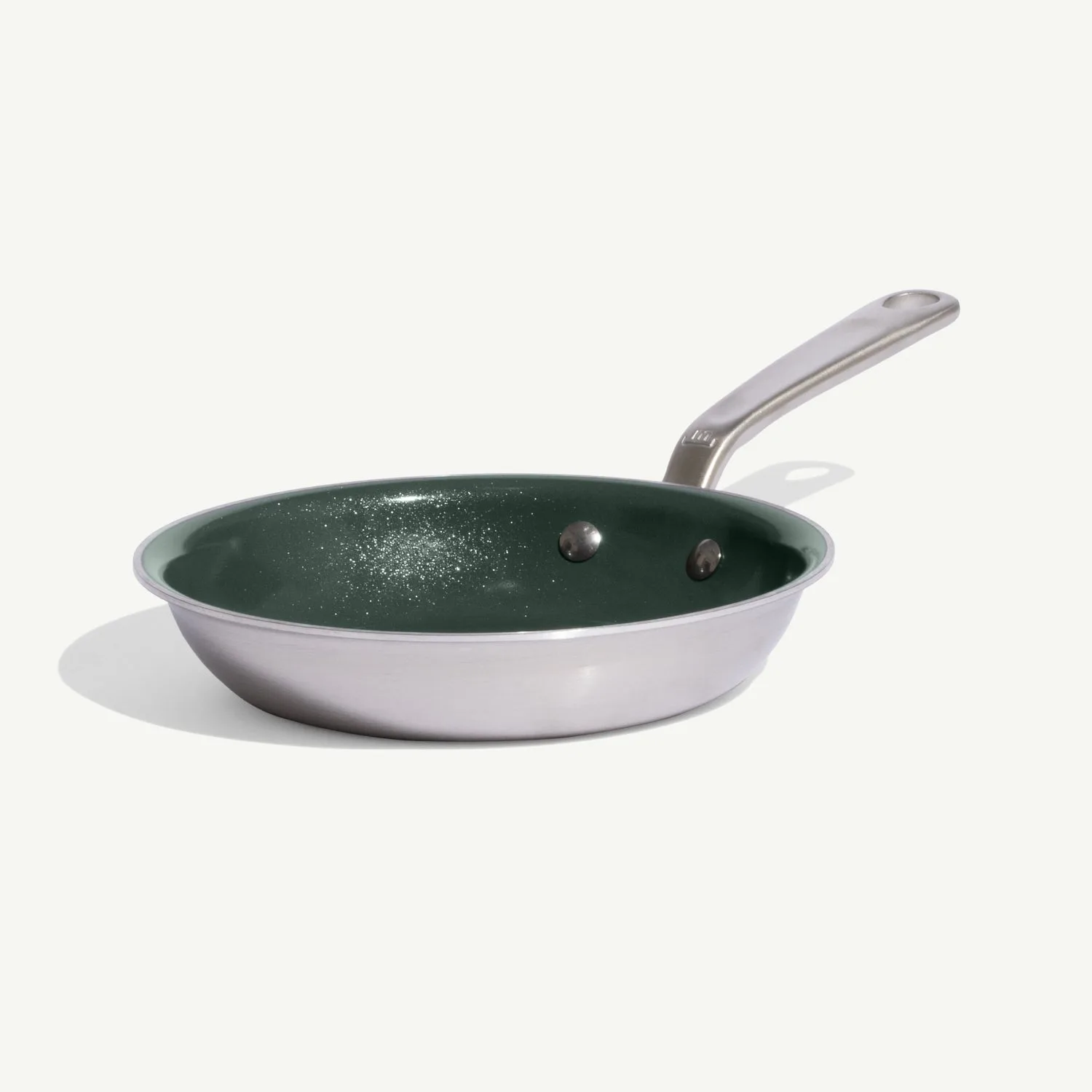
- Stainless Clad Frying Pan: Stainless clad construction for even heat distribution and lasting performance This construction means your pan heats evenly, reducing hot spots that can cause food to stick or burn, making cleaning easier.
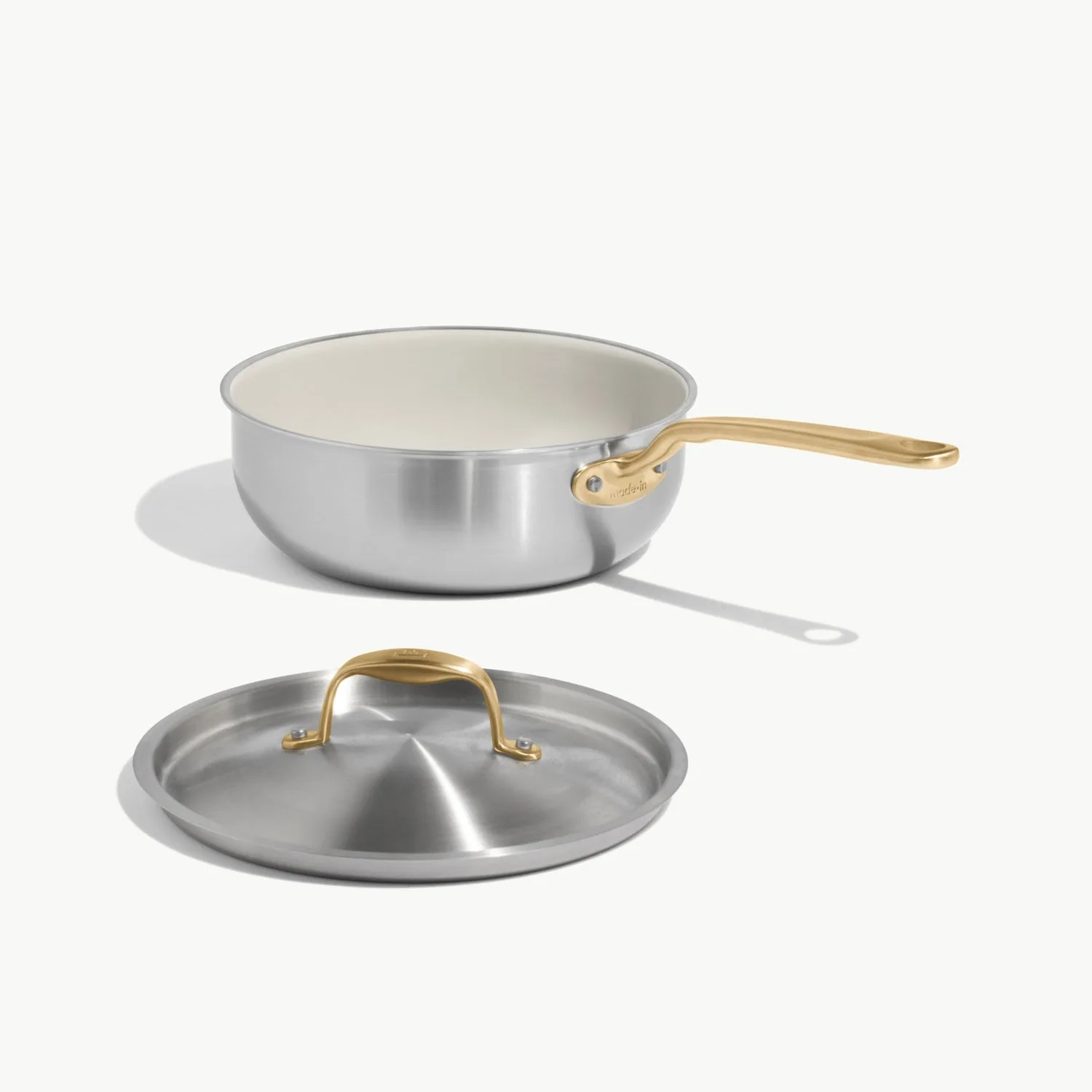
- Stainless Clad Saute Pan: Versatile design suitable for stovetop and oven use This pan can go from stovetop to oven, allowing you to use the same cleaning routine for both cooking methods.
Caring for your stainless clad roasting pan doesn't have to be a chore. With these simple steps, you can keep it clean, stain-free, and ready for your next roast. Remember to always use gentle tools and avoid harsh chemicals to preserve the pan's quality and longevity.