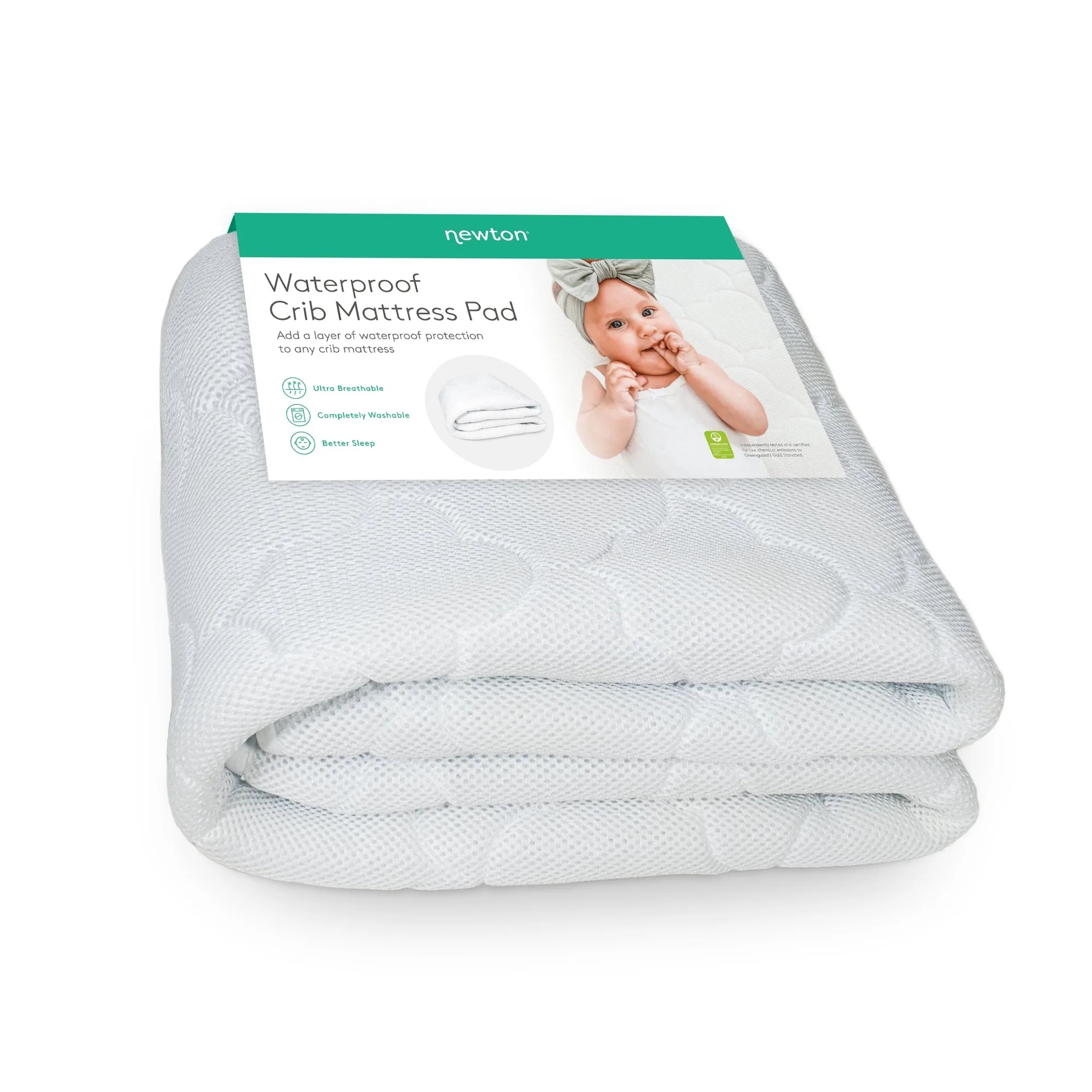
A waterproof twin mattress pad is a smart investment for your child's bed, protecting the mattress from spills, accidents, and everyday wear. But to keep it effective and hygienic, regular cleaning is essential. In this guide, we'll walk you through the best practices for washing and caring for your waterproof twin mattress pad, ensuring it stays fresh and functional for years to come.
waterproof twin mattress pad
Whether you're dealing with a nighttime accident or just doing routine laundry, knowing how to properly clean your mattress pad can make all the difference. We'll cover everything from pre-treatment to drying, plus share tips for maintaining the waterproof layer and extending the life of your pad.
Why Proper Cleaning Matters for Waterproof Mattress Pads
Waterproof mattress pads are designed to create a barrier between your child and the mattress, preventing liquids and allergens from seeping through. Over time, sweat, dead skin cells, and spills can accumulate on the surface, creating an ideal environment for dust mites and bacteria. Regular cleaning not only keeps the pad fresh but also ensures it continues to function effectively.
Moreover, a clean mattress pad contributes to better sleep hygiene. Children are more sensitive to allergens, and a dirty pad can trigger allergies or asthma. By incorporating a simple cleaning routine, you can provide a healthier sleep environment for your little one.
- Check the care label for specific instructions before washing.
- Spot clean spills immediately to prevent stains and odors.
- Wash the pad every 1-2 weeks or more often if accidents occur.
Step-by-Step Guide to Washing Your Waterproof Twin Mattress Pad
Before tossing your mattress pad in the washing machine, remove any bedding and shake off loose debris. If there are any stains, pre-treat them with a gentle stain remover or a mixture of baking soda and water. Let it sit for 15-20 minutes before washing.
Wash the pad in cold or warm water on a gentle cycle using a mild detergent. Avoid using bleach or fabric softeners, as they can damage the waterproof coating. For added freshness, add a cup of white vinegar to the rinse cycle – it helps neutralize odors and acts as a natural fabric softener.
- Always use a front-loading or top-loading machine without an agitator to prevent damage.
- Wash the pad separately to avoid tangling with other items.
- Avoid using high heat when drying; air dry or use a low heat setting.
How to Dry and Maintain the Waterproof Layer
Proper drying is crucial to maintain the integrity of the waterproof membrane. High heat can melt or degrade the polyurethane layer, so it's best to air dry the pad. If you must use a dryer, choose the lowest heat setting and remove the pad while it's still slightly damp, then let it finish drying flat.
To keep the waterproof layer in top condition, avoid ironing the pad and never use harsh chemicals like acetone or alcohol. If you notice the waterproofing starting to fail, you can reapply a waterproofing spray designed for fabrics, but always test it on a small area first.
- Hang the pad to dry in a well-ventilated area, away from direct sunlight.
- Fluff the pad occasionally while drying to prevent clumping.
- Store the pad flat or rolled, not folded, to avoid creases that can weaken the waterproof layer.
Tips for Handling Accidents and Stubborn Stains
Accidents happen, especially with kids. When they do, act quickly. Blot up as much liquid as possible with a clean cloth, then rinse the area with cold water. Apply a paste of baking soda and water to the stain, let it dry, and then brush it off before washing.
For stubborn urine stains, create a solution of equal parts water and white vinegar, and spray it on the affected area. Let it sit for 10-15 minutes, then wash as usual. Avoid using hot water, as it can set protein-based stains like urine or blood.
- Keep a stain remover pen or spray near the bed for quick treatment.
- For odor control, sprinkle baking soda over the pad and let it sit before vacuuming.
- If the pad is heavily soiled, consider soaking it in a bathtub with cold water and a cup of baking soda before washing.
When to Replace Your Waterproof Mattress Pad
Even with the best care, waterproof mattress pads have a lifespan. Over time, the waterproof layer may crack or peel, and the fabric can thin out. If you notice water seeping through or the pad no longer feels soft, it's time to replace it.
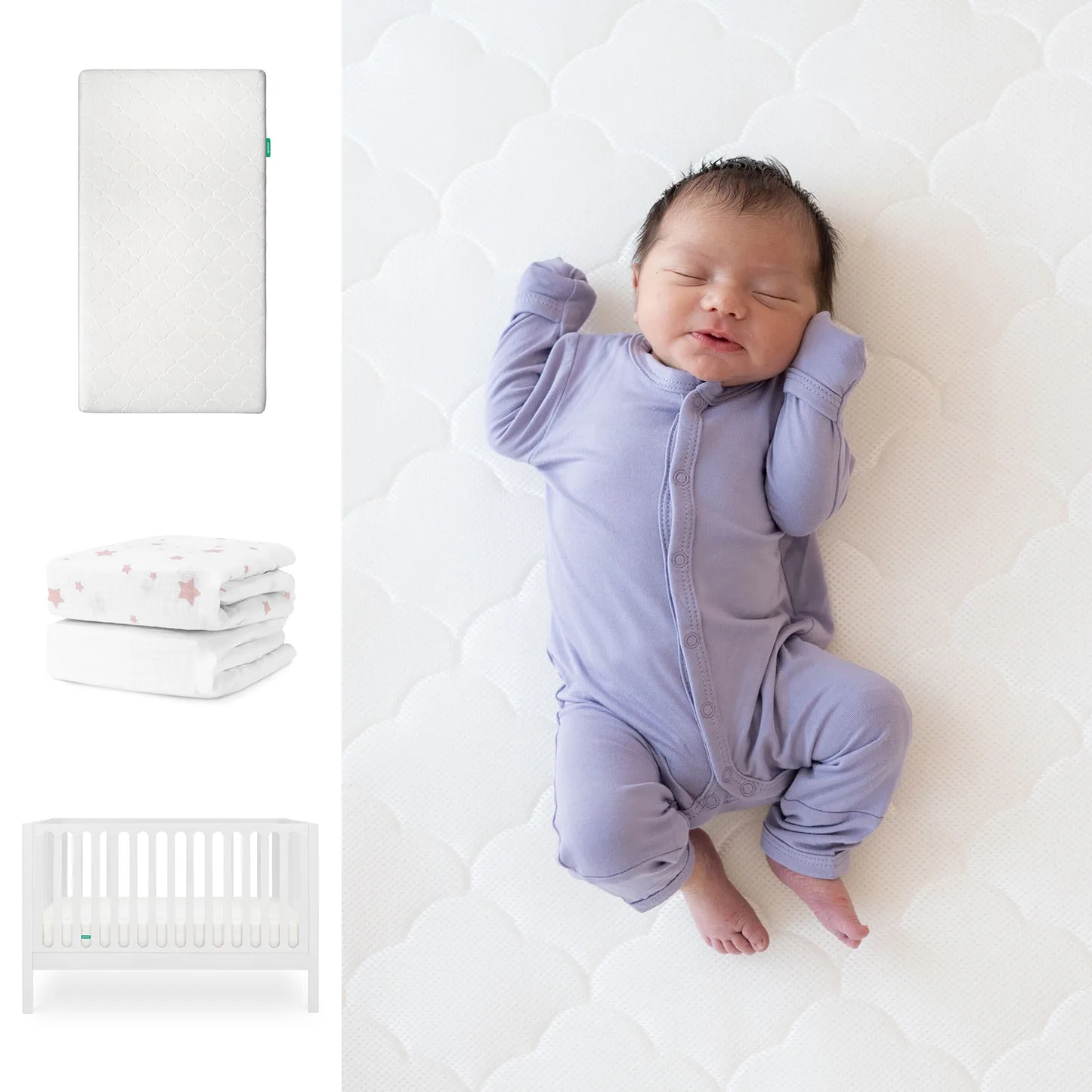
On average, a good quality pad should last 2-3 years with regular use. To ensure your child continues to get the protection they need, consider investing in a high-quality replacement. The Kids' Twin Mattress + Waterproof Organic Mattress Pad is an excellent choice, combining a comfortable mattress with a certified organic pad. Alternatively, you can purchase a standalone pad like the Mulberry Protection for a reliable upgrade.

Mulberry Protection
- Inspect the pad regularly for signs of wear and tear.
- Test the waterproofing by pouring a small amount of water on the surface and checking if it beads up.
- Replace the pad if it loses its softness or develops an odor that doesn't wash out.
Caring for your waterproof twin mattress pad doesn't have to be complicated. By following these simple cleaning and maintenance steps, you can extend its life and keep it hygienic for your child. Remember to check the care label, wash gently, and dry properly. If you're in the market for a new pad, consider the Kids' Twin Mattress + Waterproof Organic Mattress Pad for a complete sleep solution that's both comfortable and easy to maintain.