Cats are meticulous creatures, and their feeding environment should be just as clean. A slow feeder bowl is a fantastic tool to slow down fast eaters, reduce digestive issues, and provide mental stimulation. However, its intricate design—with ridges, mazes, and crevices—can trap food particles and bacteria if not cleaned properly. Regular and thorough cleaning is essential to keep your cat healthy and happy.
In this guide, we’ll walk you through the best practices for cleaning your cat’s slow feeder bowl, from daily rinses to deep cleaning. We’ll also share tips on drying, sanitizing, and knowing when it’s time to replace the bowl. By the end, you’ll have a clear routine that ensures your cat’s bowl is always fresh and safe.
Why Cleaning a Slow Feeder Bowl Is Different
Unlike a standard bowl, a slow feeder is designed with obstacles that slow down your cat’s eating. These features—such as raised ridges, spirals, and multiple compartments—create tiny spaces where food and saliva can accumulate. If not cleaned properly, these areas become a breeding ground for bacteria, mold, and yeast, which can lead to digestive upsets or more serious health issues.
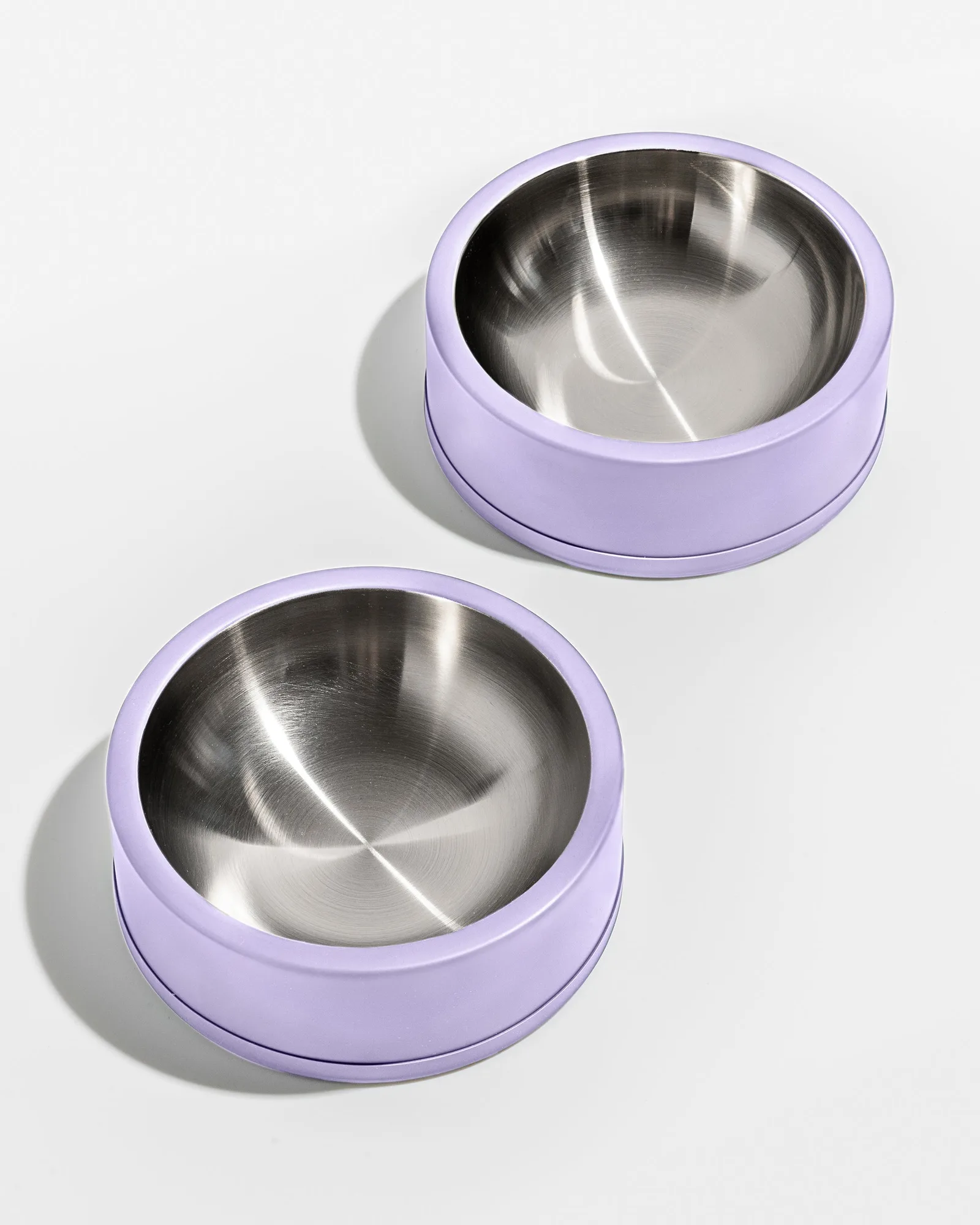
Moreover, the material of the bowl matters. Many slow feeders are made of plastic, ceramic, or stainless steel. Each has its own cleaning requirements. Plastic bowls are lightweight and affordable but can develop scratches that harbor bacteria. Ceramic bowls are durable and easy to clean but may chip. Stainless steel is the most hygienic option, but not all slow feeders come in this material. Understanding your bowl’s material will help you choose the right cleaning method.
- Always check the manufacturer’s instructions for specific cleaning recommendations.
Daily Cleaning Routine: Quick and Effective
After each meal, give the bowl a quick rinse to remove leftover food and saliva. This prevents food from drying and sticking to the surface. Use warm water and a soft sponge or cloth. Avoid abrasive scrubbers that can scratch the bowl, especially if it’s plastic. A gentle dish soap is safe for most bowls, but make sure to rinse thoroughly to remove any soap residue, which can be harmful to cats.
For a more thorough daily clean, you can use a bottle brush or a small toothbrush to reach into the crevices. Pay special attention to the grooves where food often gets trapped. If your cat eats wet food, consider washing the bowl immediately after feeding to prevent the food from hardening and becoming difficult to remove.
- Use a dedicated brush for your cat’s bowl to avoid cross-contamination.
Deep Cleaning: Weekly Sanitization
Once a week, give your cat’s slow feeder a deep clean to eliminate any hidden bacteria. Start by soaking the bowl in warm, soapy water for about 10-15 minutes. This helps loosen any stubborn residue. Then, use a brush to scrub every nook and cranny. For plastic bowls, you can also use a diluted bleach solution (1 part bleach to 32 parts water) for sanitization, but ensure you rinse thoroughly and air dry completely to avoid any chemical residue.
If your bowl is dishwasher safe, you can place it on the top rack of your dishwasher. However, high heat can warp plastic bowls, so check the manufacturer’s guidelines. For ceramic and stainless steel, dishwashing is usually safe. After washing, allow the bowl to air dry completely before the next use. Moisture can promote bacterial growth, so a dry bowl is essential.
- Consider using a pet-safe disinfectant spray for an extra layer of protection.
Drying and Storage: Preventing Moisture and Bacteria
After cleaning, always dry the bowl thoroughly. You can use a clean towel or let it air dry on a drying rack. Avoid stacking wet bowls, as this can trap moisture and lead to mold. Store the bowl in a dry, clean place, preferably in a cabinet or on a shelf away from dust and pests.
If you have multiple bowls, rotate them so that one bowl is always completely dry before the next use. This is especially important if you feed your cat wet food, as moisture can linger. A dry bowl also prevents the growth of bacteria and keeps your cat’s feeding area hygienic.
- Keep a spare bowl on hand so you can alternate and ensure each is fully dry.
When to Replace Your Slow Feeder Bowl
Even with diligent cleaning, slow feeder bowls will eventually show signs of wear. For plastic bowls, look for deep scratches, cracks, or discoloration. These can harbor bacteria that are impossible to remove. Ceramic bowls may chip, and the chips can create sharp edges or trap food. Stainless steel bowls are more durable but can dent over time.
As a general rule, replace plastic slow feeders every 6 to 12 months, depending on usage and wear. Ceramic and stainless steel bowls can last much longer, but inspect them regularly for damage. If you notice any signs of wear, it’s time to invest in a new bowl to ensure your cat’s safety.
- When replacing your bowl, consider a high-quality option like the Cat Slow Feeder from Wildone, which is designed for easy cleaning and durability.
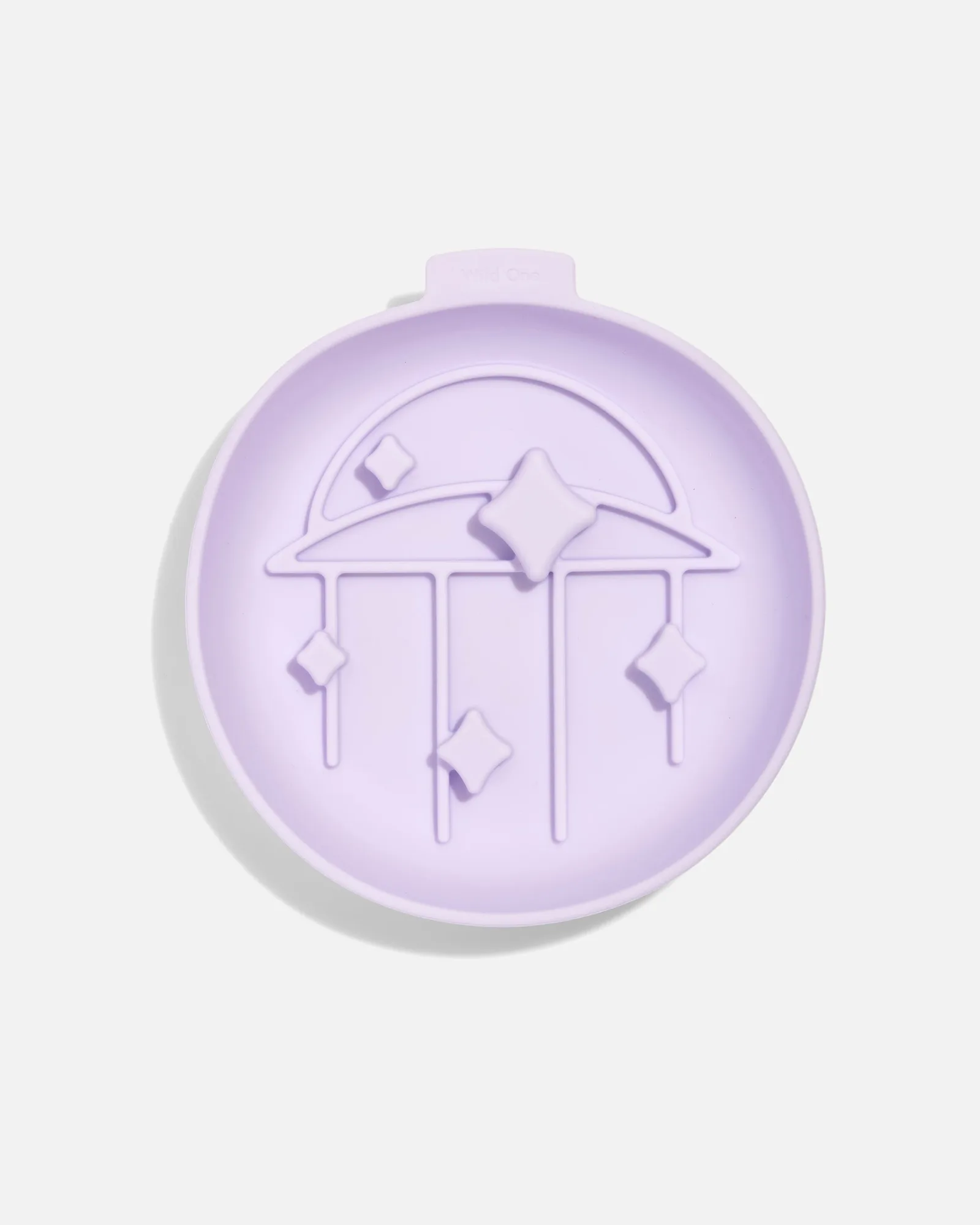
Cat Slow Feeder
Maintaining a clean slow feeder bowl is a simple yet crucial part of your cat’s care routine. By following these daily and weekly cleaning practices, you can prevent bacteria buildup, keep your cat healthy, and extend the life of the bowl. Remember to dry thoroughly and replace when needed. For a reliable and easy-to-clean option, explore Wildone’s Cat Slow Feeder, designed with your cat’s health in mind.