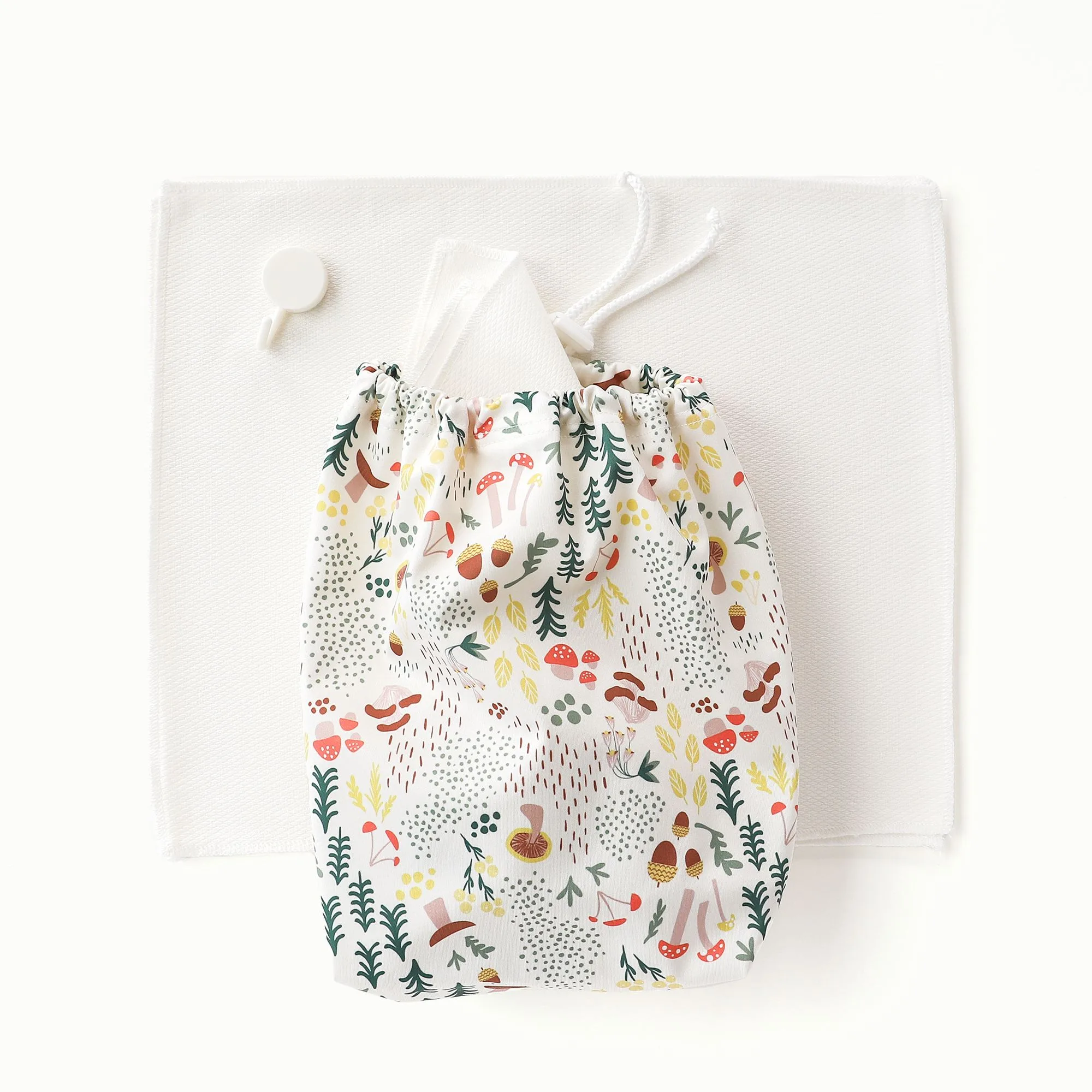
Why Switch to Natural Kitchen Cleaning Tools?
Conventional sponges and dish cloths often contain plastic that sheds microfibers into waterways and takes centuries to break down. By choosing compostable sponges and organic cotton tea towels, you can clean effectively without leaving a lasting plastic footprint. These natural alternatives are designed to handle everyday messes, from greasy pans to counter spills, and they can be composted at the end of their life.
Your Natural Kitchen Cleaning Kit: What to Use and When
A practical zero-waste kitchen cleaning routine relies on two main tools: a compostable sponge with a loofah scourer for scrubbing dishes and surfaces, and an organic cotton tea towel for drying and wiping. The sponge’s loofah side cuts through stuck-on food, while the absorbent cellulose side soaks up spills. The tea towel, made from GOTS-certified organic cotton with a herringbone weave, is highly absorbent and durable for drying dishes or hands.
Key Features of the Compostable Sponge and Tea Towel
-
Compostable Sponge with Loofah Scourer – Pack of 4: Pack of 4 sponges, each 7cm x 11cm x 2cm, made from cellulose wood fibre and natural loofah. 100% plastic-free and biodegradable. The loofah scourer provides effective scrubbing power without synthetic abrasives, and the sponge can be composted when worn out.
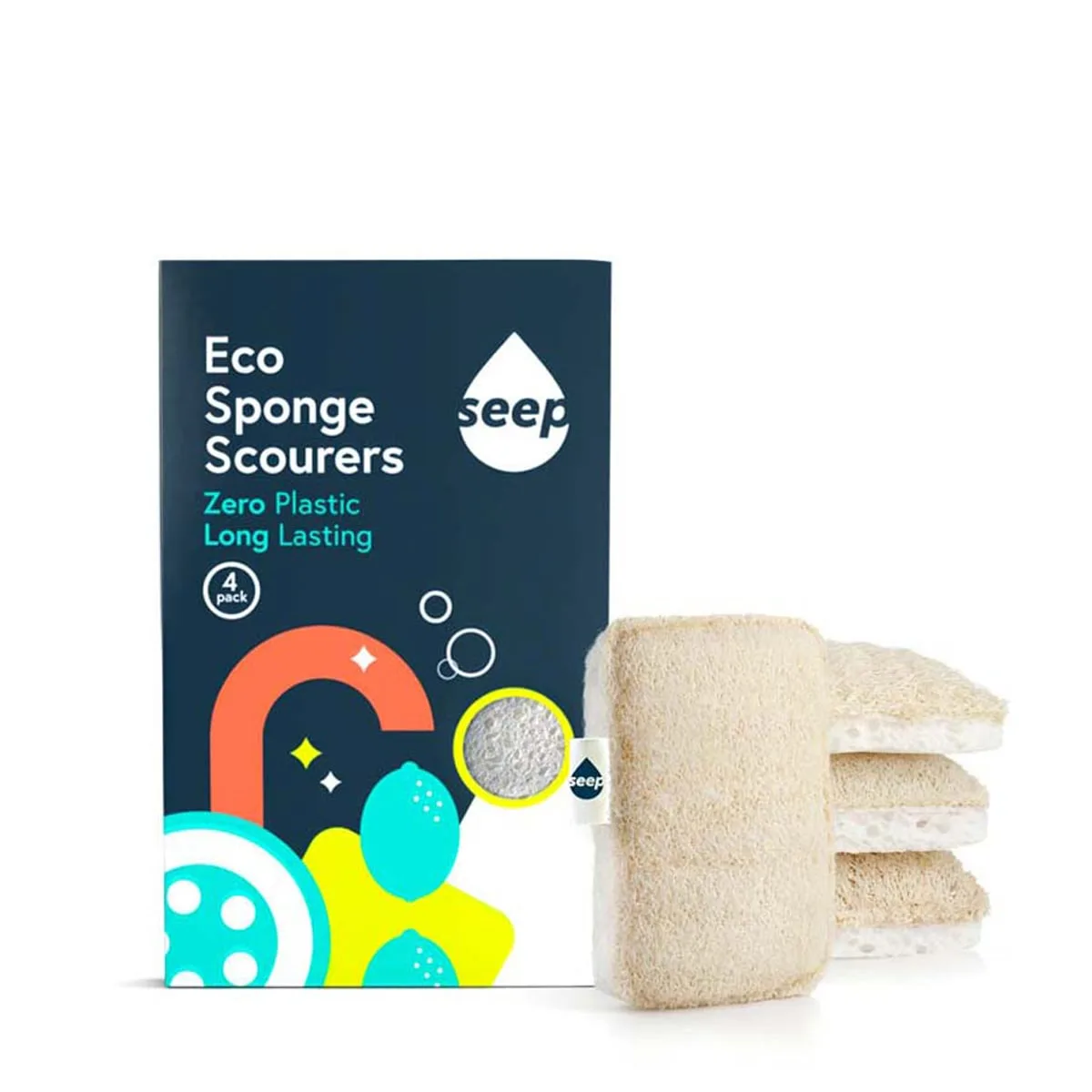
Compostable Sponge with Loofah Scourer – Pack of 4
-
Organic Cotton Tea Towel 2 Pack – Dove Grey: Organic cotton tea towel, 48 x 70cm, with a strong herringbone weave. 100% GOTS certified organic cotton, vegan, plastic-free, and home compostable. The herringbone weave increases absorbency and durability, making it a reliable replacement for paper towels or synthetic cloths.
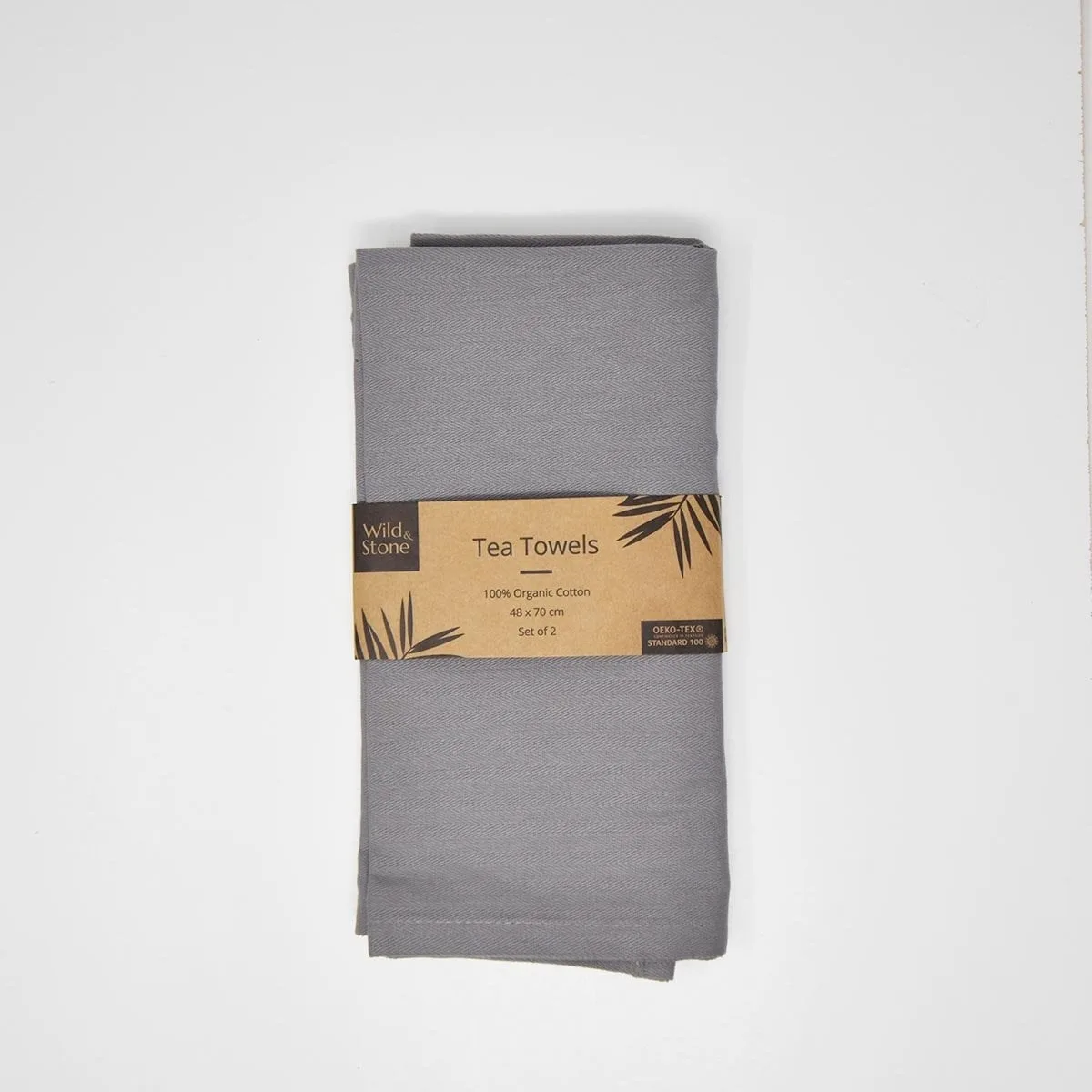
Organic Cotton Tea Towel 2 Pack – Dove Grey
How to Clean Your Kitchen with These Tools
Follow this simple routine to get the most out of your compostable sponge and tea towel.
- 1. Tackle dirty dishes and surfaces: Wet the compostable sponge and squeeze out excess water. Use the loofah side to scrub plates, pots, and countertops. The natural loofah is firm enough to remove baked-on food but won't scratch most surfaces.
- 2. Rinse and wring the sponge after each use: After cleaning, rinse the sponge thoroughly under running water and wring it out. This prevents food residue from building up and extends the sponge's life.
- 3. Dry dishes and wipe spills with the tea towel: Use the organic cotton tea towel to dry clean dishes or wipe up spills. Its high absorbency means you can dry multiple items before it feels damp. Hang the towel to air dry between uses.
- 4. Care for your tea towel to maintain absorbency: Rinse the tea towel before washing to remove debris. Machine wash on a hot cycle and tumble dry if needed. Avoid fabric softener, as it reduces absorbency. If a smell develops, soak the towel in warm water with vinegar before washing.
- 5. Replace and compost when worn out: When the sponge becomes too worn to clean effectively, cut it into strips and add it to your compost bin. For the tea towel, cut into strips and compost once it is no longer usable. Both will biodegrade naturally.
Trade-offs to Keep in Mind
Natural sponges may wear out faster than synthetic ones, especially if used for heavy scrubbing daily. The loofah side can feel rougher than a soft foam sponge, which might not suit delicate non-stick coatings. Tea towels require regular washing to stay fresh, and they lack the disposability of paper towels. However, these trade-offs are balanced by the environmental benefit of avoiding plastic waste and the satisfaction of using compostable, renewable materials.