After a long day on the trail, the last thing you want to worry about is whether your water filter is ready for the next adventure. But just like your tent or sleeping bag, your LifeStraw needs a little TLC after every trip. Proper cleaning not only ensures that your filter continues to remove bacteria, parasites, and microplastics effectively, but it also extends the lifespan of the cartridge, saving you money and hassle.
In this guide, we’ll walk you through a simple, step-by-step maintenance routine for your LifeStraw. Whether you use a straw-style filter, a squeeze bottle, or a gravity system, these tips will keep your gear in peak condition. Let’s dive into the best practices for LifeStraw cleaning and water filter maintenance.
Why Cleaning Your LifeStraw Matters
Every time you use your LifeStraw in a natural water source, microscopic particles, organic matter, and bacteria can accumulate inside the filter fibers. If left uncleaned, these contaminants can clog the hollow-fiber membranes, reducing flow rate and potentially compromising filtration performance. Regular cleaning also prevents mold and mildew from growing in the mouthpiece or reservoir, which can affect taste and safety.
Think of it as brushing your teeth after every meal—a small habit that prevents big problems down the road. By following a consistent routine, you’ll ensure that your LifeStraw delivers clean, great-tasting water every time you need it, whether you’re on a weekend hike or a multi-day expedition.
- Prevents clogging and maintains fast flow rate
- Eliminates bacteria and mold buildup
- Extends filter lifespan (up to the manufacturer’s stated capacity)
- Improves taste and odor of filtered water
Step-by-Step Cleaning Routine for Straw and Squeeze Filters
For most portable LifeStraw models, such as the LifeStraw Peak Series Solo, cleaning is straightforward. Start by rinsing the exterior of the filter with clean, potable water to remove any dirt or debris. Then, fill a clean container with water and vigorously shake the filter in it for about 10 seconds. This dislodges trapped particles from the outside of the fibers.
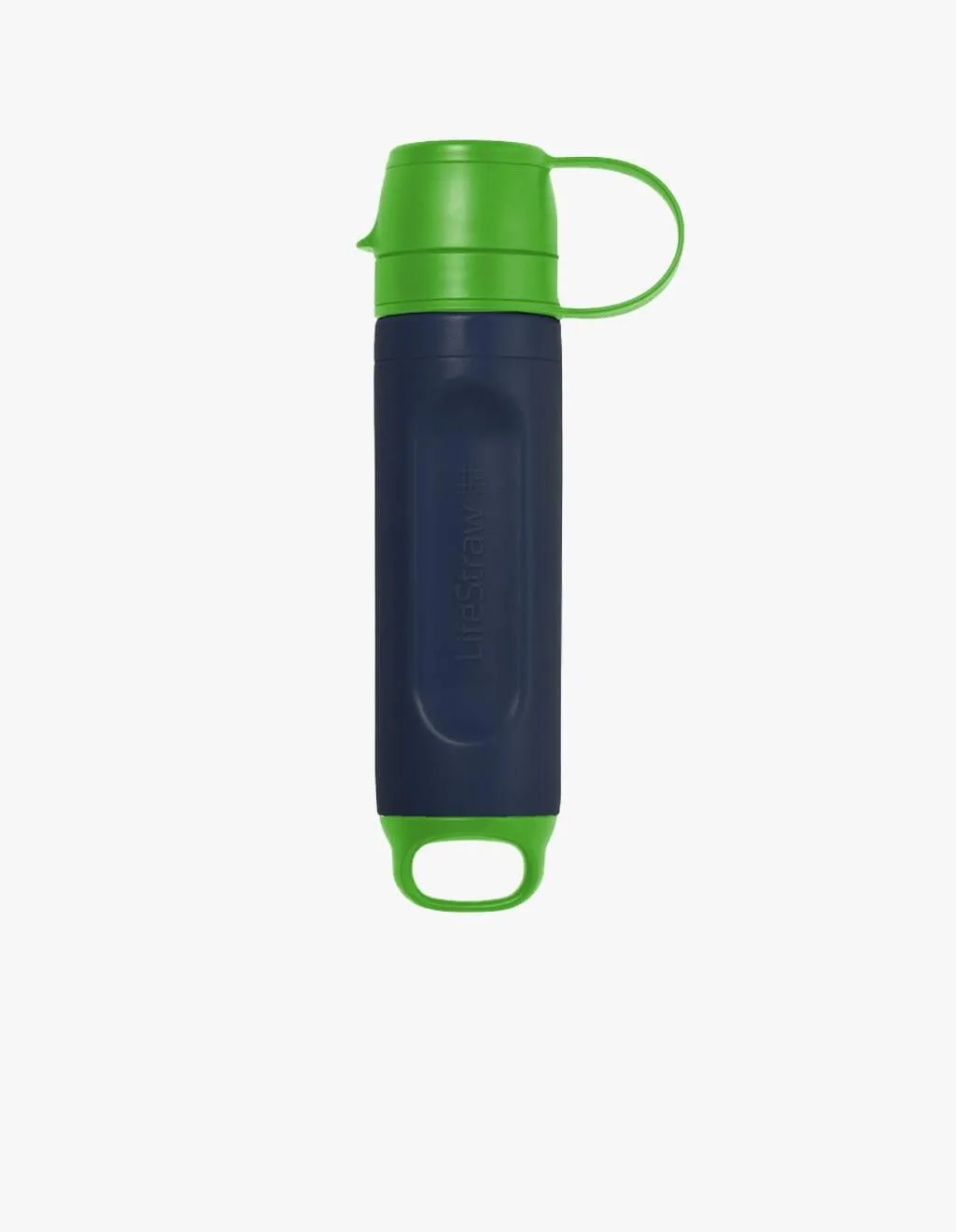
LifeStraw Peak Series Solo
Next, backflush the filter. Using the included syringe or a squeeze bottle, force clean water backward through the filter—opposite to the normal flow direction. This pushes out any particles lodged inside the hollow fibers. Repeat until the water runs clear. For squeeze models like the LifeStraw Peak Series Collapsible Squeeze 1L Bottle with Filter, you can also squeeze clean water backward through the cap to clear the filter.
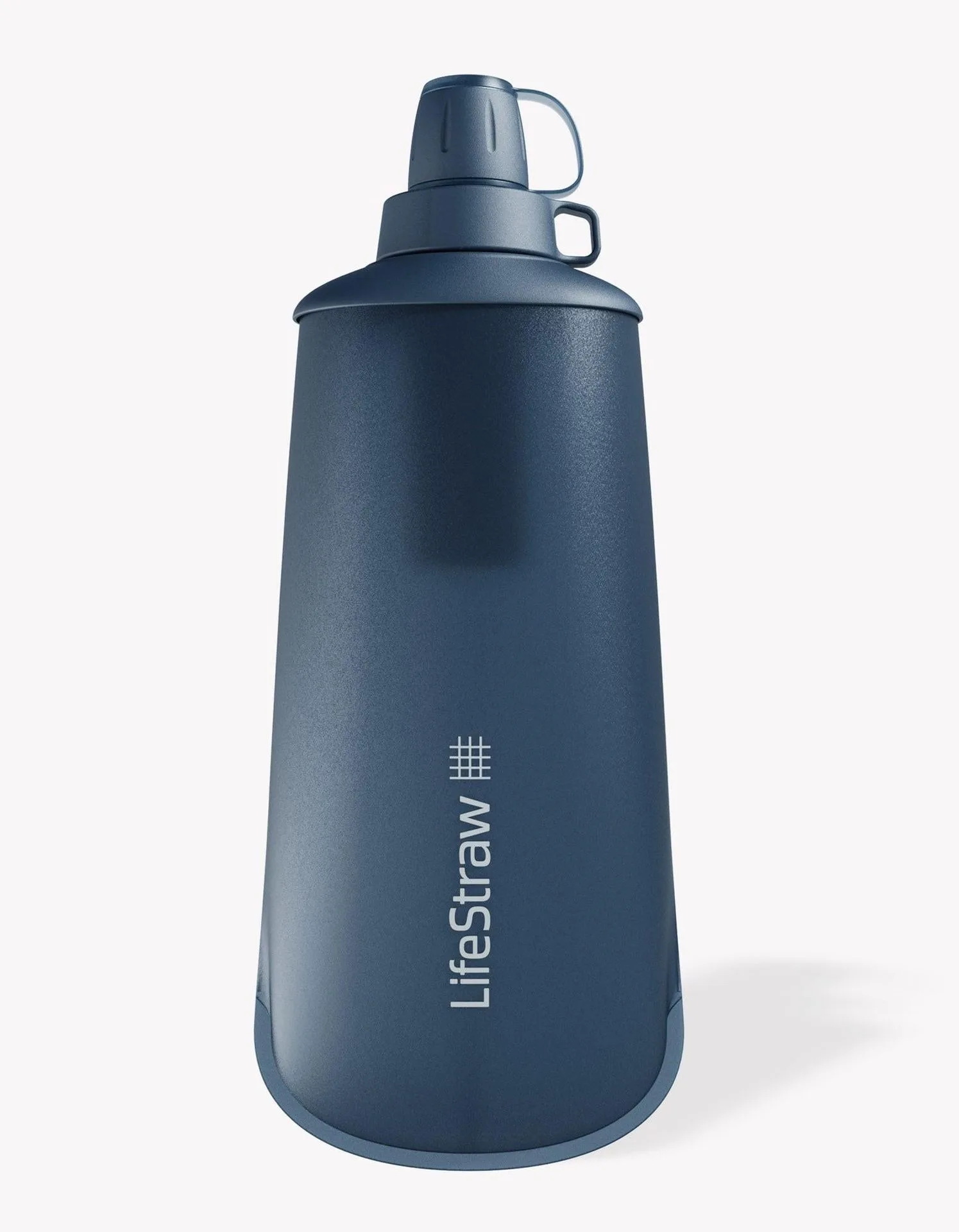
LifeStraw Peak Series Collapsible Squeeze 1L Bottle with Filter
- Always use clean, filtered or bottled water for rinsing and backflushing
- Never use soap, bleach, or chemicals—they damage the filter membrane
- For heavy use, backflush every 3-4 fills or after every trip
How to Clean Gravity and Home Filter Systems
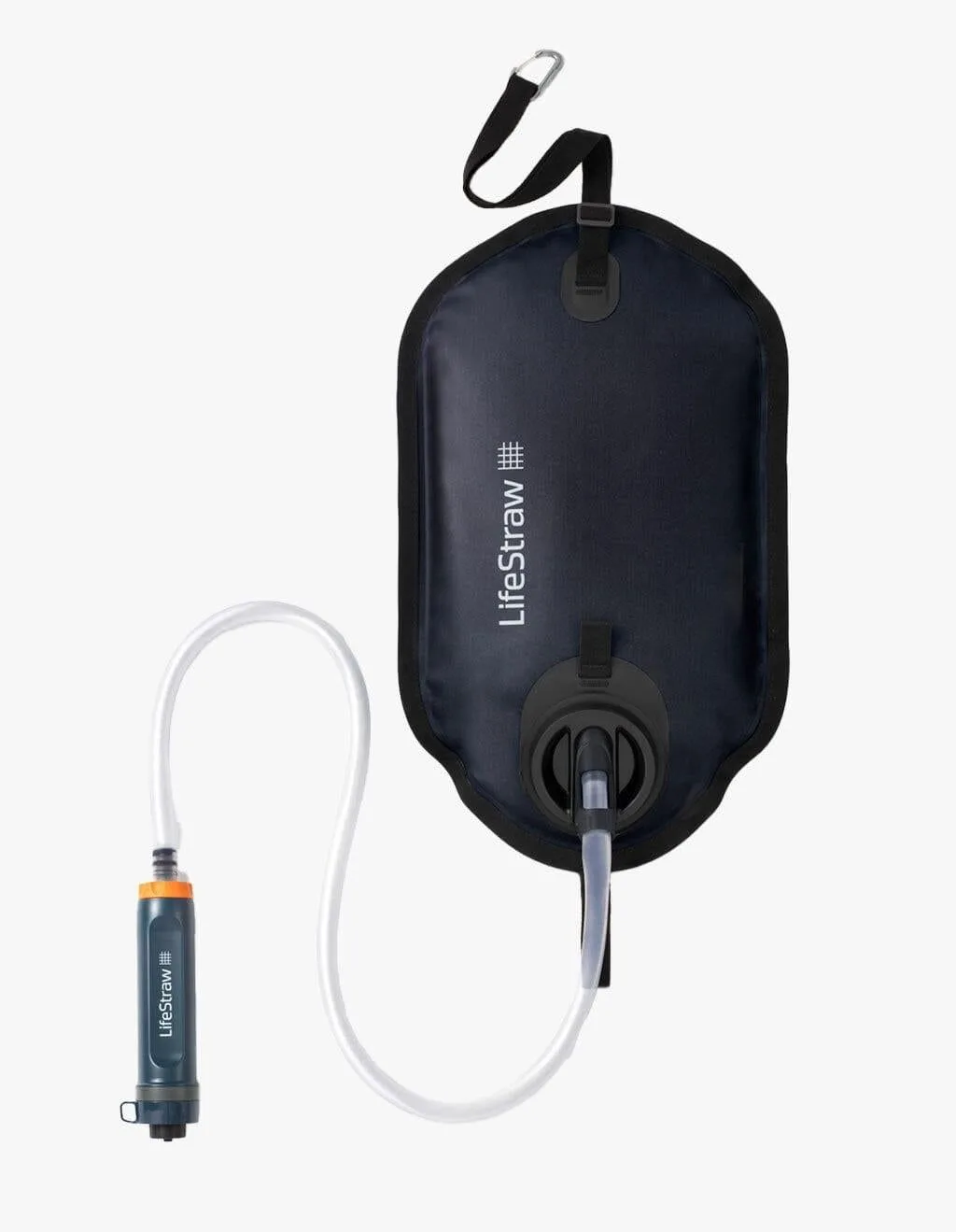
Gravity systems like the LifeStraw Peak Series Gravity Filter System – 3L require a slightly different approach. After each use, empty any remaining water from the bags and rinse the hoses and filter housing with clean water. Let all parts air-dry completely before storing to prevent mold growth. The filter cartridge itself should be backflushed using the provided syringe or by running clean water through the output hose in reverse.
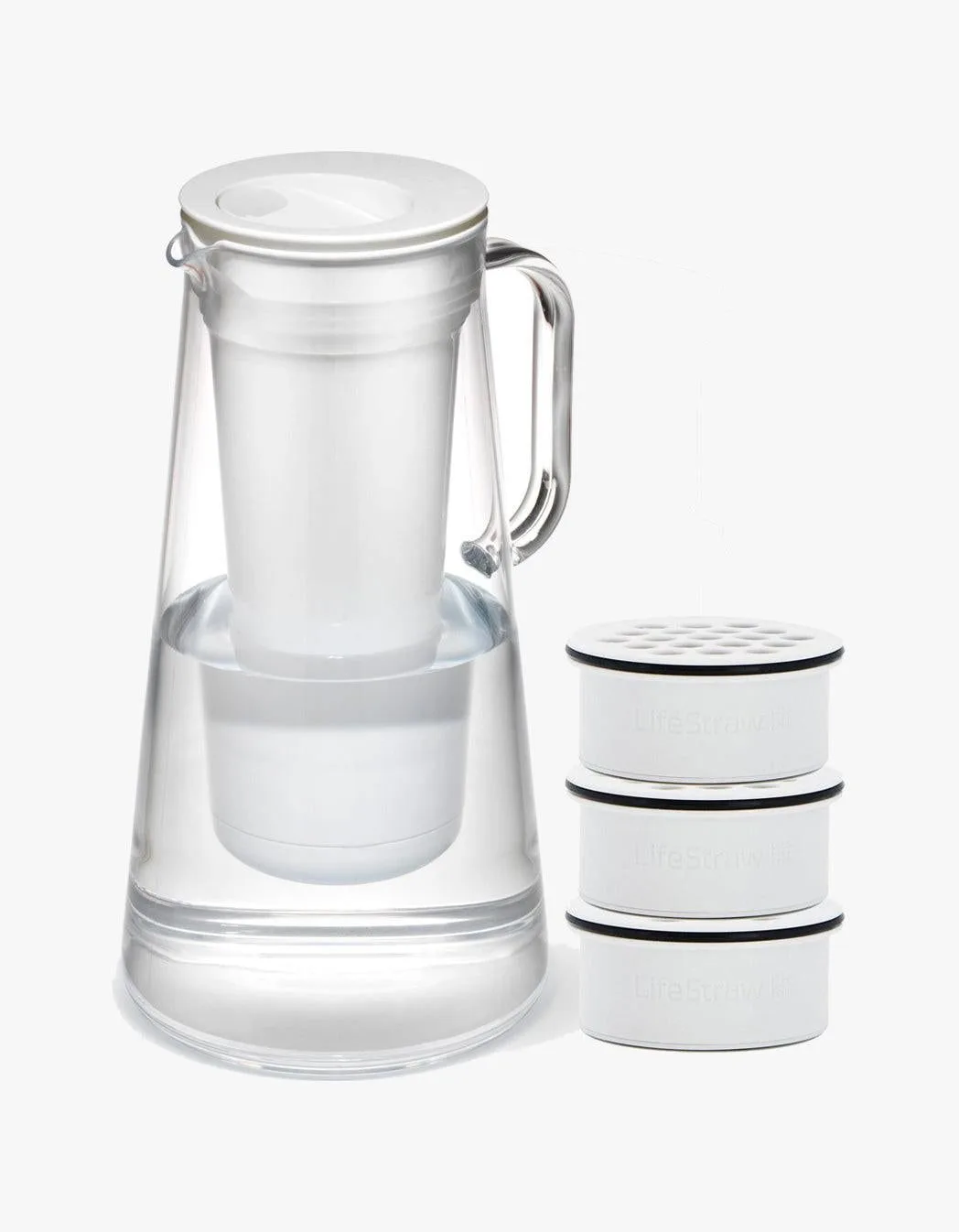
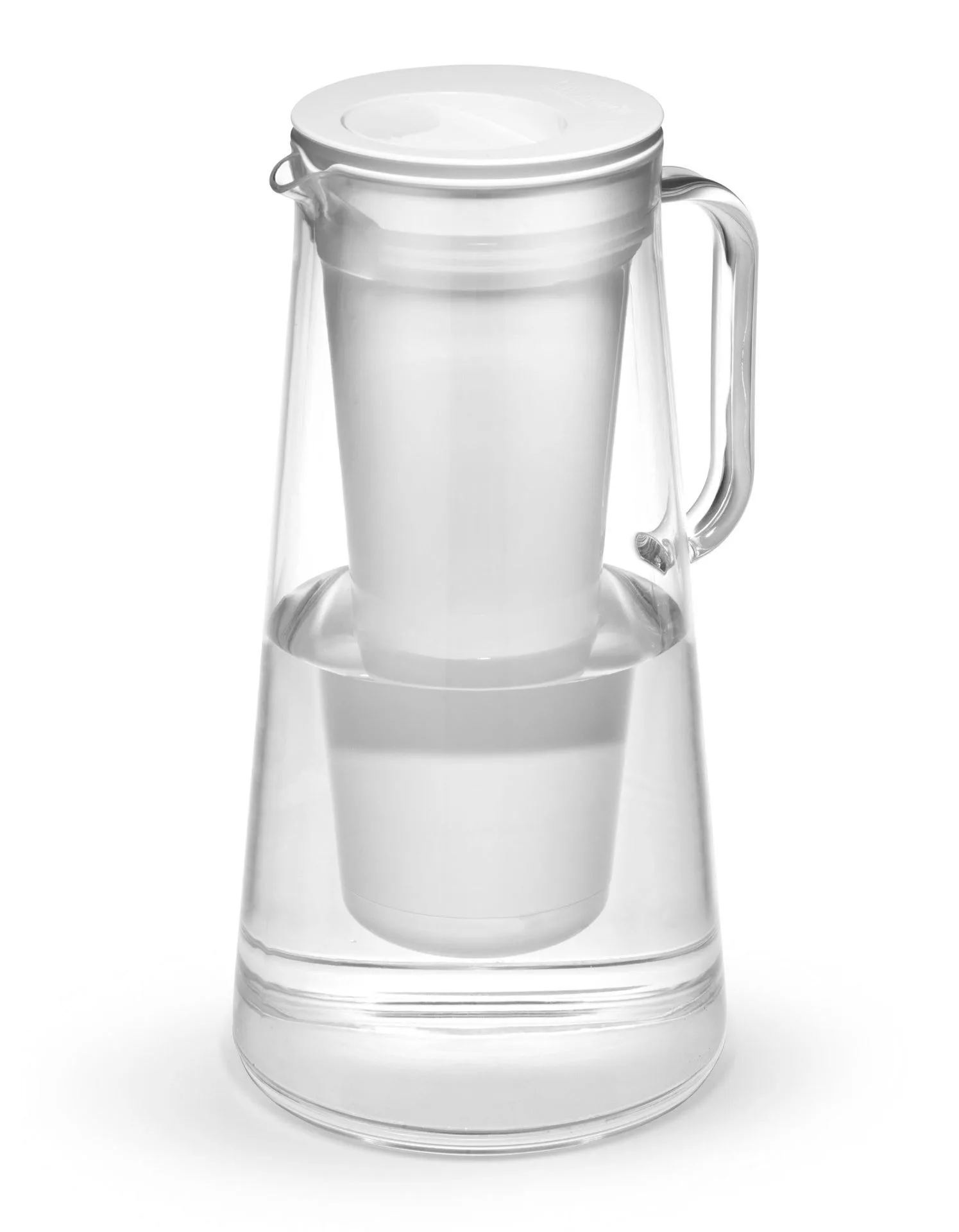
For home pitchers such as the LifeStraw Home 7-Cup Plastic, cleaning is even simpler. Remove the filter cartridge and rinse the pitcher and lid with mild soap and water (but not the filter). Wipe the exterior with a damp cloth. The filter should be replaced every 2 months or after 100 gallons, depending on usage. Never submerge the filter in water for extended periods.
- Disassemble all components and dry thoroughly before storage
- Store in a cool, dry place away from direct sunlight
- Replace filter cartridges according to manufacturer guidelines
Deep Cleaning and Maintenance Tips for Long-Term Use
If you notice a significant drop in flow rate or an unpleasant taste, it may be time for a deep clean. For straw-style filters, soak the intake end in a solution of one teaspoon of white vinegar per cup of clean water for 15 minutes, then backflush thoroughly. This helps dissolve mineral deposits and organic buildup. For squeeze and gravity systems, you can also use a specialized filter cleaning kit, but avoid harsh chemicals.
Another essential maintenance step is to replace the filter at the recommended intervals. For example, the LifeStraw Go Series Replacement Filter - 1 Year pack is designed to be swapped annually for regular users. Keep a spare filter in your gear bag so you’re never caught off guard. Additionally, inspect O-rings and seals for cracks or wear—these small parts can cause leaks if damaged.
- Vinegar soak: 1 tsp vinegar per cup of water, 15 minutes max
- Replace O-rings annually or if they feel brittle
- Always carry a backup filter for extended trips
Common Mistakes to Avoid When Cleaning Your LifeStraw
One of the most common errors is using hot water or dishwasher cycles. High temperatures can warp the plastic housing and damage the filter membrane, rendering it ineffective. Always use cool or lukewarm water. Another mistake is storing the filter while it’s still wet—this creates a perfect breeding ground for mold. Always air-dry all components completely before packing them away.
Also, avoid using compressed air or blowing into the mouthpiece to clear clogs. This can force contaminants deeper into the filter fibers. Instead, rely on backflushing with a syringe or squeeze bottle. Finally, don’t ignore the manufacturer’s filter capacity. Even with perfect cleaning, filters have a finite lifespan. Track your usage and replace the cartridge when you approach the recommended gallon limit.
- No hot water, no soap, no dishwasher
- Always dry completely before storage
- Don’t blow into the mouthpiece—backflush instead
Keeping your LifeStraw clean is a small investment that pays off with safe, great-tasting water on every adventure. By following this simple routine after each trip, you’ll extend the life of your filter and ensure it’s ready when you need it most. Ready to upgrade your setup? Check out the LifeStraw Peak Series Solo for a lightweight, durable option that’s easy to maintain and perfect for solo hikers.