Quick answer
Clean Alcantara with a soft microfiber cloth, lukewarm water, and a pH-neutral or dedicated Alcantara cleaner — never a soaked rag or household all-purpose spray. Blot and lift the fibers rather than scrubbing in circles, then brush the nap back up once dry. For a daily driver, a light clean every two to three months plus a quick brush-down once a month is enough to keep an Alcantara shift boot and e-brake boot from going shiny and matted.
Alcantara shift boot care is mostly about not making things worse. The material is a synthetic suede, and the thing that ruins it fastest is oil from your hands transferring onto the fibers, then getting pressed flat by repeated contact. Once those fibers mat down, they catch light differently and the boot looks worn even when it is structurally fine.
The good news is that Alcantara is more forgiving than real suede. It resists fading and holds up to regular cleaning better than most people expect. What it does not tolerate is soaking, harsh chemicals, or aggressive scrubbing. This guide walks through a routine you can run in about fifteen minutes, whether you are working on a factory-fresh boot or reviving one that has seen a few years of daily driving.
What you actually need (and what to skip)
You do not need a shelf of specialty products. A soft microfiber towel, a second clean one for drying, a soft-bristle upholstery brush, lukewarm water, and a pH-neutral cleaner or a dedicated Alcantara cleaner will cover almost every situation. If you are spot-treating something greasy, a tiny amount of mild dish soap diluted in water works, but rinse it out of the cloth thoroughly before it touches the boot.
Skip anything with bleach, ammonia, solvent, or heavy fragrance. Skip the stiff scrub brush you use on carpets. Skip the idea that more water equals a deeper clean — Alcantara absorbs moisture, and a soaked boot takes a long time to dry and can develop a stiff, crunchy feel in the meantime. The goal is damp, not wet.
- Two microfiber towels: one for cleaning, one dry for blotting
- Soft-bristle brush — an old, clean toothbrush works for tight stitching
- pH-neutral cleaner or dedicated Alcantara cleaner, diluted per label
- Lukewarm water only; hot water can stress the material and any adhesive nearby
Why Alcantara boots are worth the extra care
Alcantara shows up in performance interiors because it grips better than leather and does not reflect light the way vinyl does. The tradeoff is that it holds onto whatever touches it. Your palm oils, sunscreen residue, and hand lotion all sit on the surface and slowly darken the nap. That is why a shift boot, which you touch every time you drive, ages differently than a door panel you rarely handle.
The boots in this store are built with that use in mind. The Billetworkz Premium Alcantara Shift Boot and E-Brake Boot are laser cut and finished with reinforced twin-needle stitching, which means the seams are not the weak point — the surface fibers are. That is exactly why the cleaning method matters more than the frequency. A gentle routine keeps the material looking new; a harsh one accelerates the wear you are trying to prevent.
How often to clean, based on how you drive
A daily driver with a manual transmission sees constant hand contact on the shift boot and periodic contact on the e-brake boot. For that car, a light dry brush once a month and a damp clean every two to three months is a realistic rhythm. If you drive with the windows down, park outside, or live somewhere dusty, shorten that interval.
A weekend car that sits in a garage can go six months or more between cleanings. The signal to clean is visual: when the nap starts looking flattened, shiny, or uneven in the spots you touch most, it is time. Do not wait for visible staining — by then the oils have worked deeper into the fibers and you will need more passes to lift them.
- Daily driver: dry brush monthly, damp clean every 2-3 months
- Weekend or garaged car: clean every 6 months or before storage
- Clean immediately after any spill — do not let it dry in
The step-by-step Alcantara cleaning routine
- Step 1: Dry brush first, before any liquid: Take a soft-bristle brush and work gently in one direction across the boot to lift dust, grit, and loose fibers. Do this over a trash can or with a vacuum nearby so you are not pushing debris back into the nap. Common mistake: skipping this and going straight to a wet cloth, which grinds loose grit into the fibers.
- Step 2: Mix a mild cleaning solution: Dilute a pH-neutral or dedicated Alcantara cleaner in lukewarm water per the label. If you are using mild dish soap as a substitute, use a single drop in a cup of water — more than that leaves residue that attracts new dirt. Checkpoint: the solution should look almost like plain water, not sudsy.
- Step 3: Wring the cloth until it is barely damp: Dip your microfiber towel, then wring it out thoroughly. It should feel cool and slightly moist, not dripping. A soaked cloth pushes water into the backing and takes far longer to dry. Common mistake: a wet cloth leaves water rings and a stiff, crunchy boot once it dries.
- Step 4: Blot and lift, working in one direction: Press the cloth onto the surface and lift, rather than scrubbing in circles. Work from the top of the boot downward so you are not dragging dirt onto already-clean sections. For stubborn spots, let the damp cloth sit for a few seconds to loosen the residue, then blot again. Checkpoint: if the cloth is picking up visible brown or gray transfer, keep going with a fresh section of towel.
- Step 5: Rinse with a clean damp cloth: Swap to a second clean microfiber towel, dampen it with plain lukewarm water, and blot the boot again to remove any cleaner residue. This step is the one most people skip, and it is the reason some boots feel tacky after cleaning. Common mistake: reusing the soapy cloth for the rinse and leaving a film behind.
- Step 6: Blot dry, then air dry away from heat: Press a dry towel over the boot to absorb surface moisture, then let it air dry naturally. Keep it out of direct sun and away from a heater or hair dryer — heat can stiffen the fibers and stress nearby adhesive. Checkpoint: it should feel dry to the touch within an hour or two in normal indoor conditions.
- Step 7: Brush the nap back up once dry: After the boot is fully dry, run your soft brush lightly over the surface in one direction to raise the fibers. This is what restores the soft, matte look and removes the flattened appearance left by the damp cloth. This single step makes the biggest visible difference — do not skip it.
Products this routine applies to
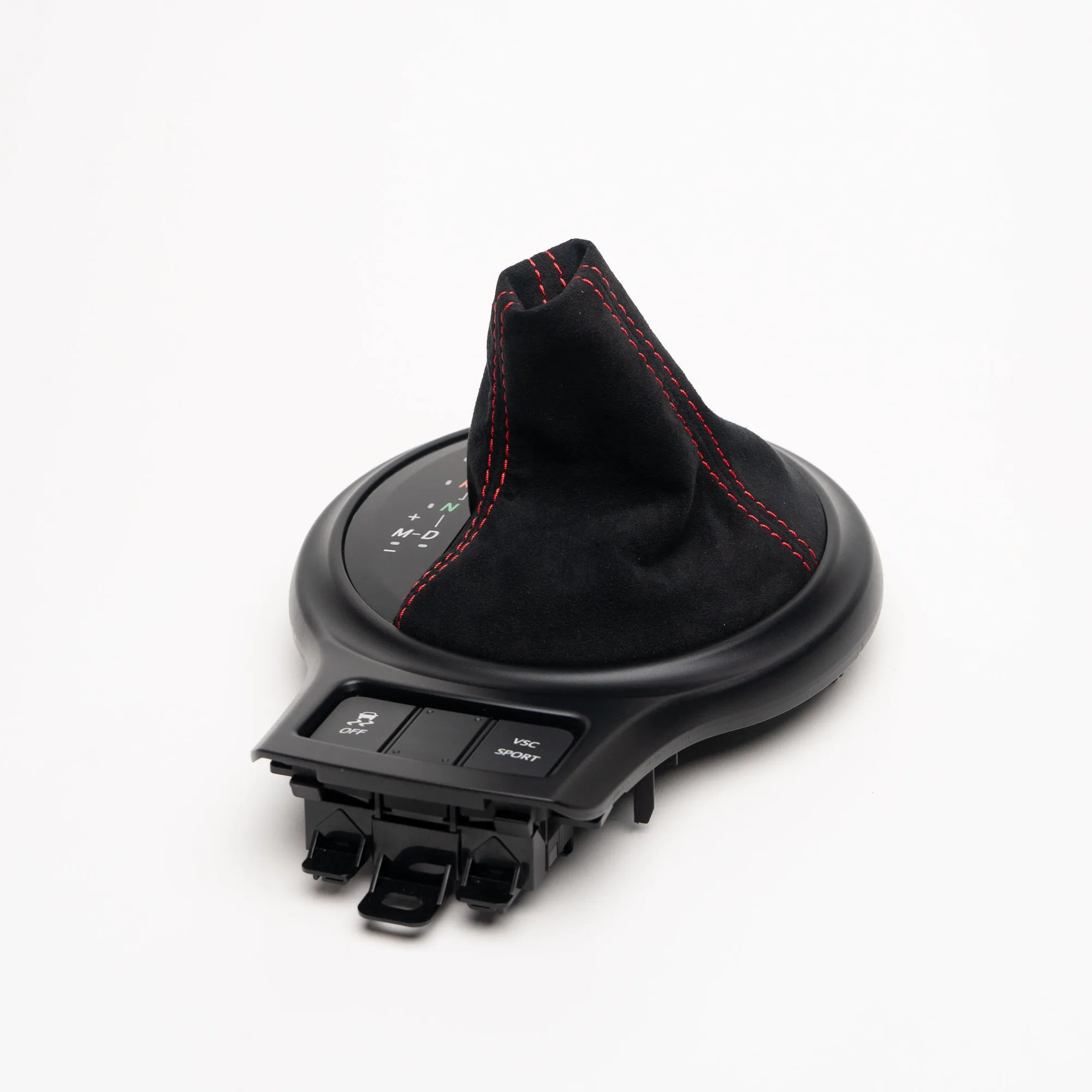
- Billetworkz Premium Alcantara Shift Boot – BRZ / FR-S / 86 2013-2021 (Automatic): Constructed from authentic, high-grade Alcantara, laser cut for precision fitment, with reinforced twin-needle stitching. Genuine Alcantara responds well to the damp-cloth method and will not pill the way cheap synthetic suede does, so a gentle routine preserves the material rather than fighting it.
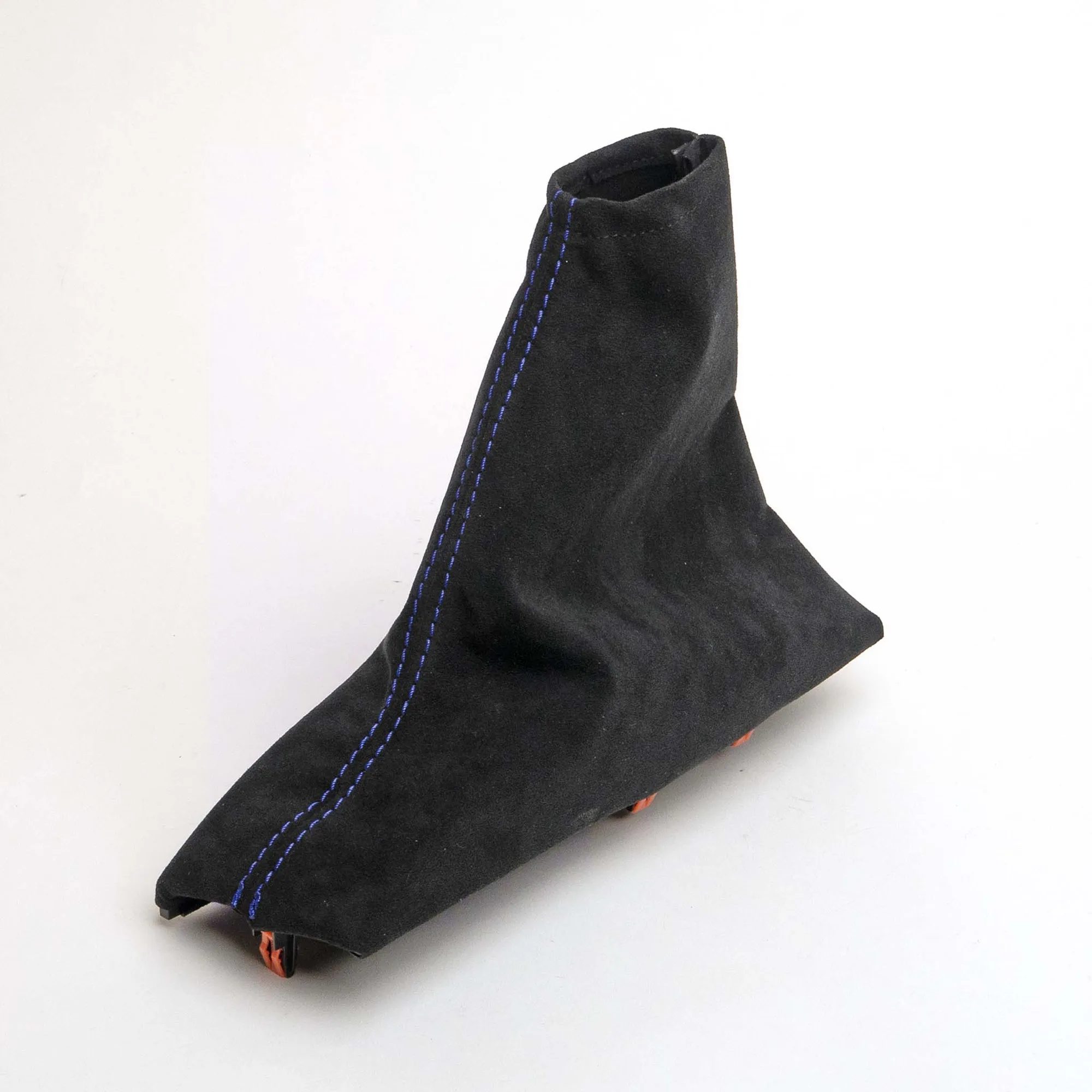
- Billetworkz Premium Alcantara E-Brake Boot – Toyota GR Corolla / Corolla Hatch: Crafted from genuine high-grade Alcantara, laser cut for precision and finished with reinforced twin-needle stitching. The e-brake boot gets less hand contact than the shift boot, so it usually needs cleaning less often — but it still collects dust in the nap and benefits from the same dry-brush step.
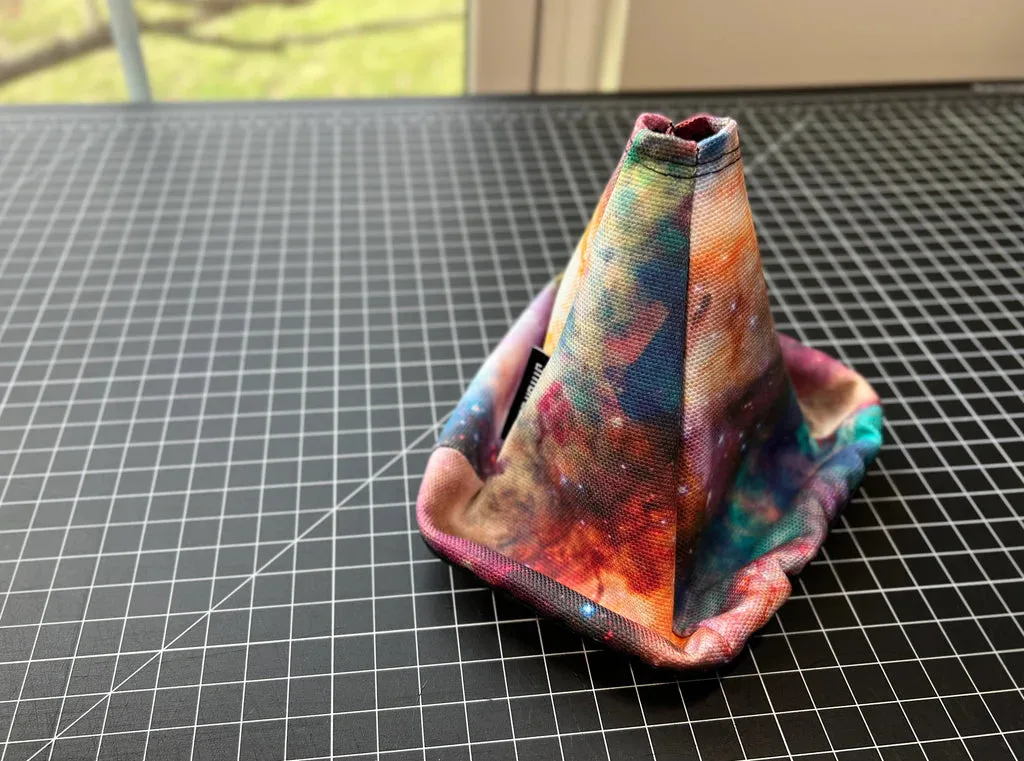
- Nebula Shift Boot by Stitch Boots: Constructed from UV treated upholstery fabric with UV protection and stain resistance. If your boot is fabric rather than Alcantara, use the same blotting technique but skip the Alcantara-specific brush — upholstery fabric does not have a nap to lift.
Alcantara maintenance comes down to restraint: less water, less product, and more patience with blotting and brushing. Run this routine every couple of months on a daily driver and your shift boot and e-brake boot will keep the matte, grippy feel that made you choose Alcantara in the first place. If a spill happens, deal with it the same day — the longer oil sits in the nap, the more passes it takes to lift it out.