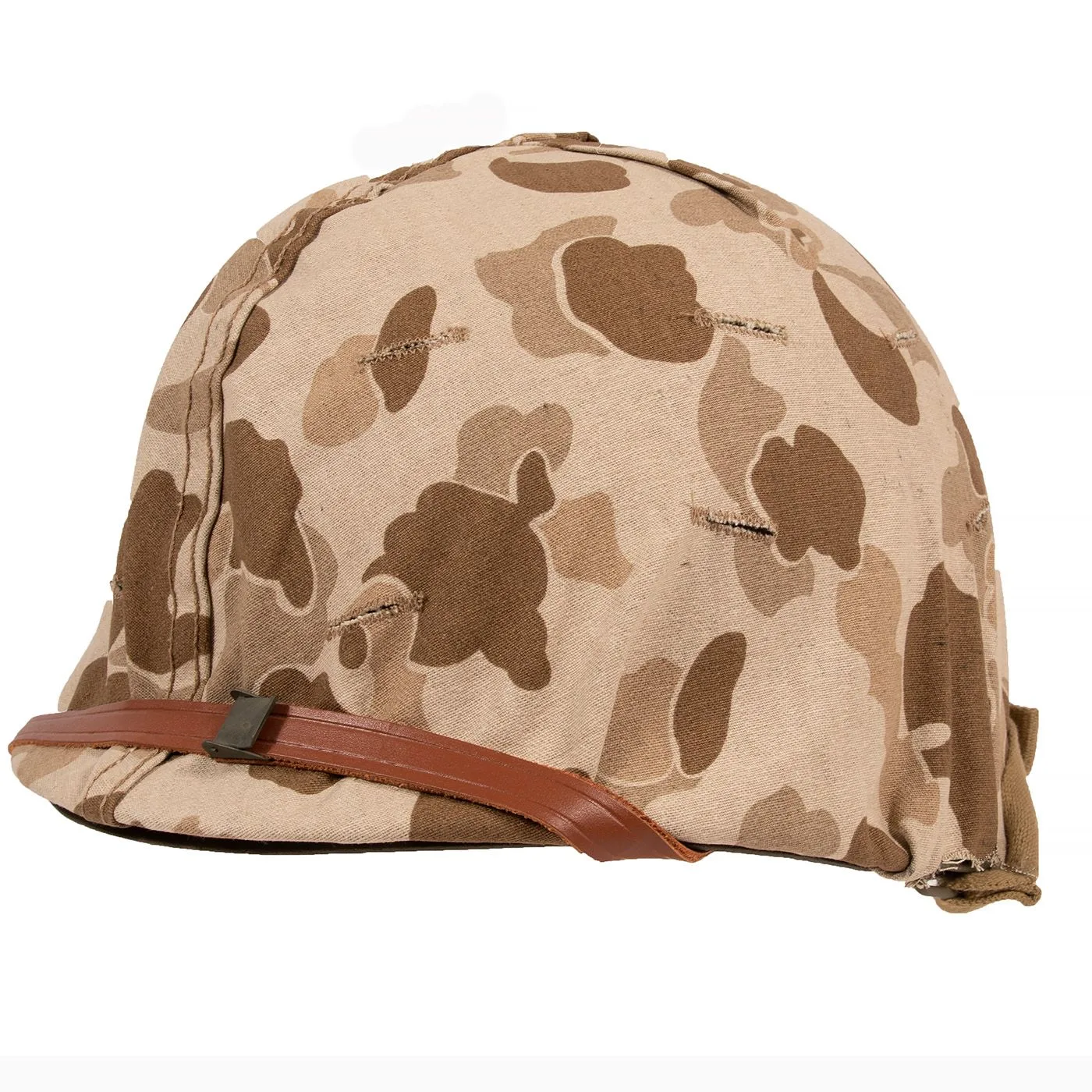
A USMC helmet cover is more than just a piece of fabric—it's a tangible link to the bravery and sacrifice of the United States Marine Corps in World War II. Whether you're a reenactor, a collector, or a history enthusiast, properly maintaining your helmet cover ensures it remains a proud part of your collection for years to come. However, the wrong cleaning method can cause fading, fraying, or even permanent damage.
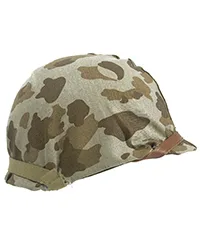
USMC helmet cover
In this guide, we'll walk you through the best practices for cleaning, drying, storing, and displaying your USMC helmet cover. You'll learn how to tackle common issues like dirt, sweat stains, and mildew, all while preserving the cover's original appearance and historical integrity. Plus, we'll recommend essential accessories like the https://wildernessworks.shop/products/usmc-m1907-sling-99174USMC M1907 Sling and the MG Gunners Pouch to complement your display.
Understanding Your USMC Helmet Cover: Materials and Vulnerabilities
Most original WWII USMC helmet covers are made from cotton herringbone twill (HBT) or canvas. These fabrics are durable but can be sensitive to harsh chemicals, excessive moisture, and abrasive scrubbing. The camouflage patterns—often reversible with a green side and a brown side—are printed with dyes that can run or fade if not handled carefully. Additionally, the metal grommets and stitching are prone to rust or unraveling if soaked or twisted.
Before you begin any cleaning, inspect the cover for weak spots, loose threads, or areas where the fabric has thinned. If the cover is extremely fragile or has significant damage, consider consulting a professional textile conservator. For most covers in fair to good condition, a gentle hand-wash is the safest approach. Avoid machine washing or dry cleaning, as the agitation and chemicals can cause irreversible harm.
- Always test a small, inconspicuous area before full cleaning to check for colorfastness.
- Use distilled water if possible to avoid minerals that can stain or discolor the fabric.
Step-by-Step Cleaning Process for Your Helmet Cover
Start by gently brushing off any loose dirt or dust with a soft-bristled brush. For stubborn grime, prepare a solution of lukewarm water and a mild, pH-neutral soap—like a gentle wool wash or baby shampoo. Submerge the cover and let it soak for 10–15 minutes, then use your fingertips to work the soap into stained areas. Never scrub vigorously or use a brush, as this can damage the fabric weave.
For tough stains like mud or sweat, apply a small amount of the soap directly to the spot and let it sit for a few minutes before rinsing. Rinse thoroughly with cool water until all soap is gone. Do not wring or twist the cover; instead, press it between clean, dry towels to remove excess moisture. Then lay it flat on a drying rack away from direct sunlight or heat sources. Avoid hanging it, as the weight of wet fabric can stretch the cover out of shape.
- If you encounter mildew, add a small amount of white vinegar to the soak water (1 tablespoon per gallon) to help kill spores without harming the fabric.
- Never use bleach, fabric softeners, or stain removers—they can destroy the original dyes and weaken the fibers.
Drying and Ironing: Preserving the Original Shape and Camouflage
Proper drying is crucial to prevent shrinkage and distortion. After pressing out excess water with towels, reshape the cover to its original dimensions while it's still damp. Lay it on a flat surface, preferably on a mesh rack that allows air circulation. Flip it occasionally to ensure even drying. Depending on humidity, this can take 12–24 hours. Patience is key—never use a dryer or place the cover near a radiator.
If the cover has wrinkles, you can iron it on a low heat setting with a pressing cloth between the iron and the fabric. This protects the camouflage pattern from direct heat. Iron while the cover is slightly damp for best results. Avoid ironing over metal grommets, as the heat can damage them or cause rust to transfer to the fabric. Once dry and smooth, store the cover properly to maintain its condition.
- To restore a crisp look, lightly starch the cover with a fabric-safe spray starch before ironing—but test on a hidden area first.
Storage and Display Tips for Long-Term Preservation
When not in use, store your USMC helmet cover in a cool, dry place away from direct sunlight. UV rays can fade the camouflage over time. Use an acid-free tissue paper to pad the inside of the cover if you plan to display it on a helmet. Avoid plastic bags or airtight containers, as they can trap moisture and lead to mildew. Instead, use a breathable cotton bag or a archival-quality box.
For display, consider pairing your helmet cover with period-correct accessories to create an authentic vignette. The USMC M1907 Sling is a classic addition that complements the Marine look, while the MG Gunners Pouch adds a functional touch to your impression. Both items are crafted with attention to historical detail, just like your helmet cover. Rotate your display pieces periodically to minimize light exposure and dust accumulation.
- If you notice any insect activity near your stored cover, place cedar blocks or lavender sachets in the storage area as natural repellents.
Common Mistakes to Avoid When Caring for Your Helmet Cover
One of the biggest mistakes collectors make is using modern laundry detergents or stain removers. These contain optical brighteners, enzymes, and bleaches that can permanently alter the color and texture of vintage fabric. Similarly, soaking the cover for too long or using hot water can cause the colors to bleed or the fabric to shrink. Always err on the side of caution with cool water and minimal agitation.
Another common error is storing the cover on a helmet without proper padding, which can cause creases and stress on the fabric. If you must display it, place a soft, acid-free cloth or foam form inside the cover first. Avoid folding the cover for long periods, as creases can become permanent. Finally, never use adhesive tapes, pins, or staples to attach the cover to a display—these can leave residue or tear the fabric.
- If you're unsure about a cleaning method, consult online forums or a professional conservator who specializes in military textiles.
Caring for your USMC helmet cover doesn't have to be daunting. With gentle cleaning, careful drying, and proper storage, you can preserve this piece of Marine Corps history for generations. To complete your WWII Marine impression or display, explore our selection of authentic reproduction gear—like the USMC M1907 Sling—designed to match the quality and detail of your helmet cover. Visit At The Front today to find everything you need for your collection.