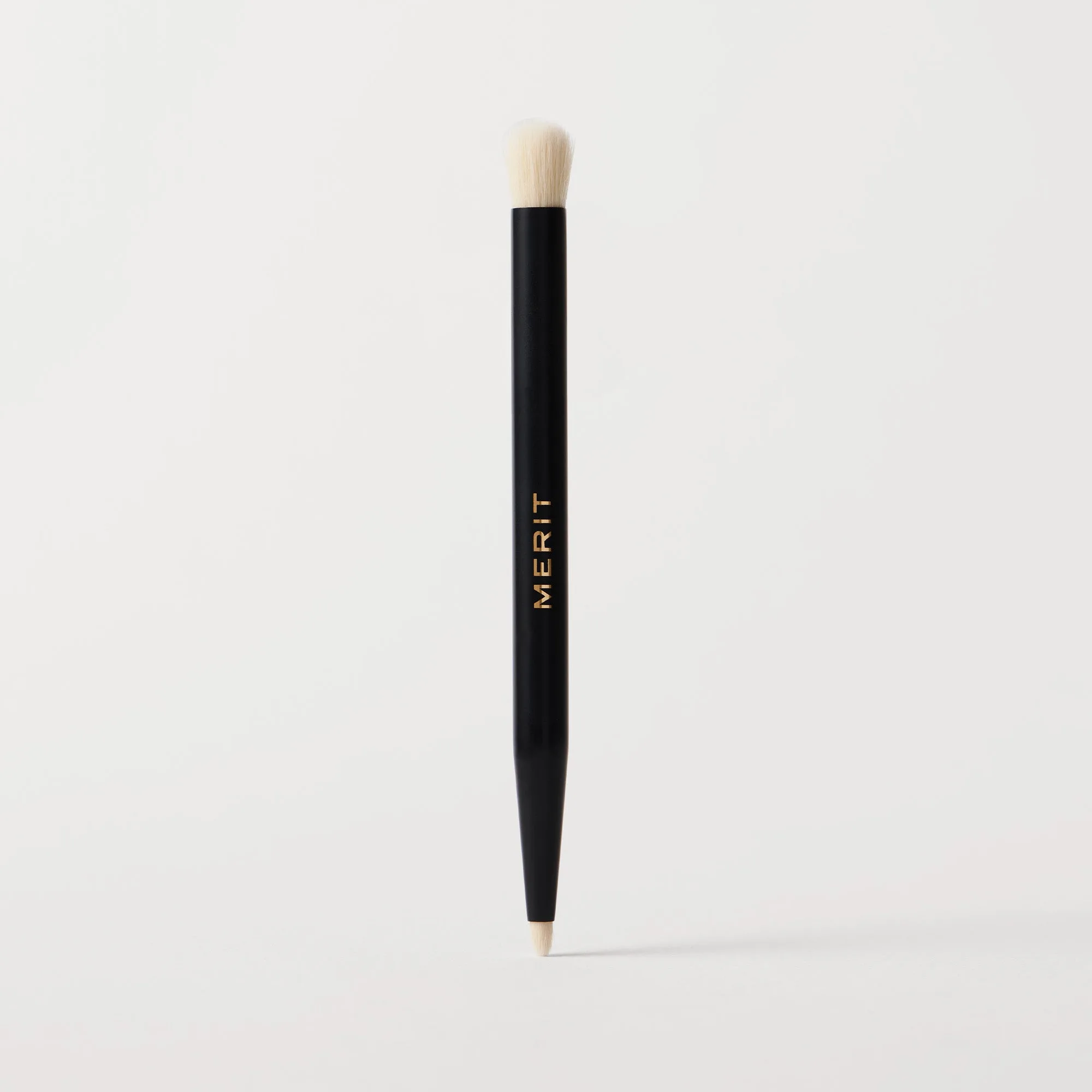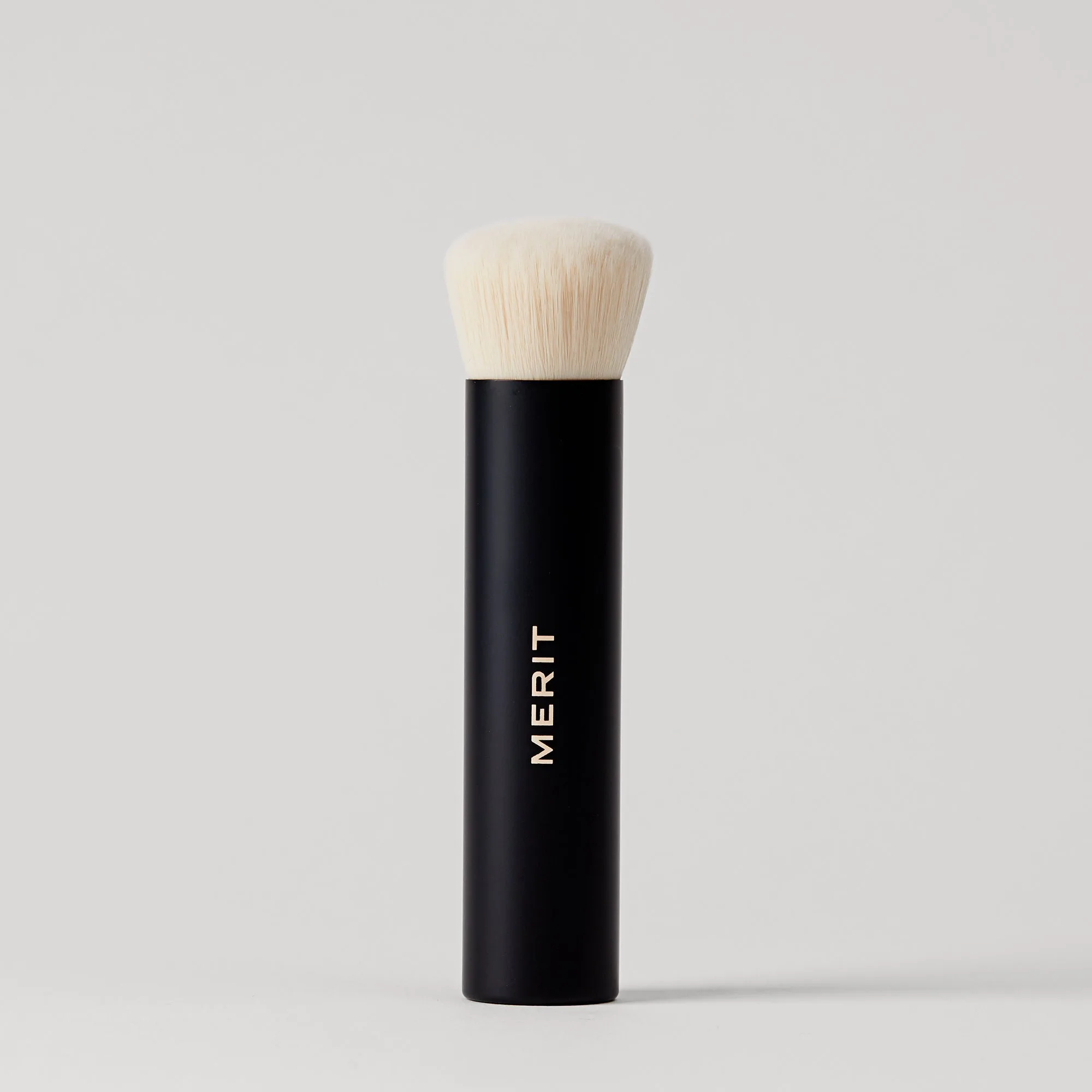
Quick Answer
To clean makeup brushes without ruining them, use a gentle cleanser, lukewarm water, and a soft touch. Avoid soaking the ferrule (the metal part) and never use hot water or harsh soaps. Wash synthetic brushes weekly and natural-hair brushes every two to four weeks, depending on use.
Your makeup brushes work hard every day, picking up product, oils, and bacteria. If you don't clean them properly, you risk breakouts, uneven application, and damaged bristles. But the wrong cleaning method can be just as harmful as skipping it altogether.
The good news is that cleaning your brushes doesn't have to be complicated. With the right technique and a few simple habits, you can keep your brushes hygienic, soft, and performing like new. Here's how to wash them safely without causing damage.
Why Proper Cleaning Matters
Dirty brushes collect makeup residue, dead skin cells, and oils that can clog pores and lead to breakouts. They also make application less precise—caked-on product can streak or blend unevenly. Regular cleaning removes buildup and keeps your brushes in top shape.
But aggressive cleaning can strip natural bristles of their oils, causing them to become brittle and fray. Understanding the balance between thorough and gentle is key to extending the life of your brushes.
The Right Way to Clean Your Brushes
Start by wetting only the bristles with lukewarm water. Tepid water is ideal—hot water can melt the glue that holds the bristles in place, and cold water won't lift product effectively. Apply a small amount of a gentle cleanser, such as a mild soap or a dedicated brush cleanser, to your palm or a silicone mat.
Swirl the brush in the cleanser, working up a lather. Avoid pressing too hard or scrubbing in a back-and-forth motion, which can splay the bristles. Rinse under lukewarm water until the water runs clear, then gently squeeze out excess moisture with a clean towel.
Shape the bristles back into their original form and lay the brushes flat on a towel to dry. Never stand them upright in a cup while wet, as water can seep into the ferrule and loosen the handle.
- Use lukewarm water, never hot.
- Only wet the bristles, not the ferrule.
- Lay brushes flat to dry, never upright.
- Use a gentle, sulfate-free cleanser.
Common Brush Cleaning Mistakes to Avoid
One of the biggest mistakes is soaking brushes in water. Prolonged soaking can cause the wooden handles to swell and the glue to weaken. Another common error is using harsh dish soap or alcohol, which can strip natural bristles and cause them to become dry and scratchy.
Also, avoid drying brushes with a hairdryer or placing them near a heat source. Heat can warp the shape and damage the bristles. Instead, let them air dry naturally overnight.
How Often Should You Clean Your Brushes?
For everyday makeup users, a weekly deep clean is a good baseline. If you have sensitive or acne-prone skin, consider cleaning every three to four days. Brushes used for cream or liquid products, like foundation or concealer, need more frequent washing because they harbor more bacteria.
Powder brushes, like those used for blush or bronzer, can go a bit longer between washes—around every two weeks. However, if you share brushes or use them on clients, clean them after every use to prevent cross-contamination.
Choosing the Right Cleanser for Your Brushes
You don't need a specialty brush cleanser, but it helps. Look for a gentle, pH-balanced option that won't strip bristles. Baby shampoo, mild dish soap, or a dedicated brush cleanser all work well. Avoid anything with sulfates or alcohol.
If you prefer a minimalist approach, a simple liquid soap or even a gentle facial cleanser can do the job. The key is to avoid harsh chemicals and to rinse thoroughly so no residue remains.
Diagnosing Your Brush Cleaning Routine
- Symptom: Your brushes feel stiff, look discolored, or shed bristles after washing. This indicates damage from improper cleaning or drying.
- Likely Cause: Soaking the ferrule, using hot water or harsh cleansers, or drying brushes upright. These habits weaken the glue and strip natural oils from bristles.
- Corrective Action: Switch to lukewarm water, a gentle cleanser, and flat drying. Avoid soaking and heat. Your brushes should feel soft and hold their shape after a few washes.
- Stop or Choose Another Option: If bristles continue to shed or the brush loses its shape even after gentle care, it's time to replace it. Invest in new brushes rather than continuing to use damaged ones that can irritate skin.
Products That Support Your Brush Care Routine
- https://meritbeautyou.com/products/the-great-skin-double-cleanse-duo-287022The https://meritbeautyou.com/products/great-skin-double-cleanse-286752https://meritbeautyou.com/products/great-skin-double-cleanse-286753Great Skin Double Cleanse Duo: The Great Skin Double Cleanse Duo offers a streamlined approach to your daily skincare routine. Designed for those who value simplicity and effectiveness, this set brings together two essential cleansers to help remove impurities and refresh your skin. While this duo is for your face, its gentle, clean formulas can also be used to clean your makeup brushes if you prefer a multi-purpose approach. The two-step cleanse ensures your brushes are free of makeup residue and bacteria without harsh ingredients.
- The Everyday Set: The Everyday Set brings together the essentials you reach for every day, curated for a simple, streamlined routine. Designed for those who appreciate clean beauty and minimalist makeup, this set offers a thoughtful selection of core products to simplify your daily regimen. When your brushes are clean, your makeup applies better. This set includes everyday essentials that pair well with freshly cleaned brushes, helping you achieve a flawless, minimal look.
Cleaning your makeup brushes doesn't have to be a chore. With the right technique and a consistent schedule, you can keep your tools hygienic and your makeup looking its best. Remember: gentle, lukewarm, and flat-drying are your three golden rules for brush care.